 Pin it
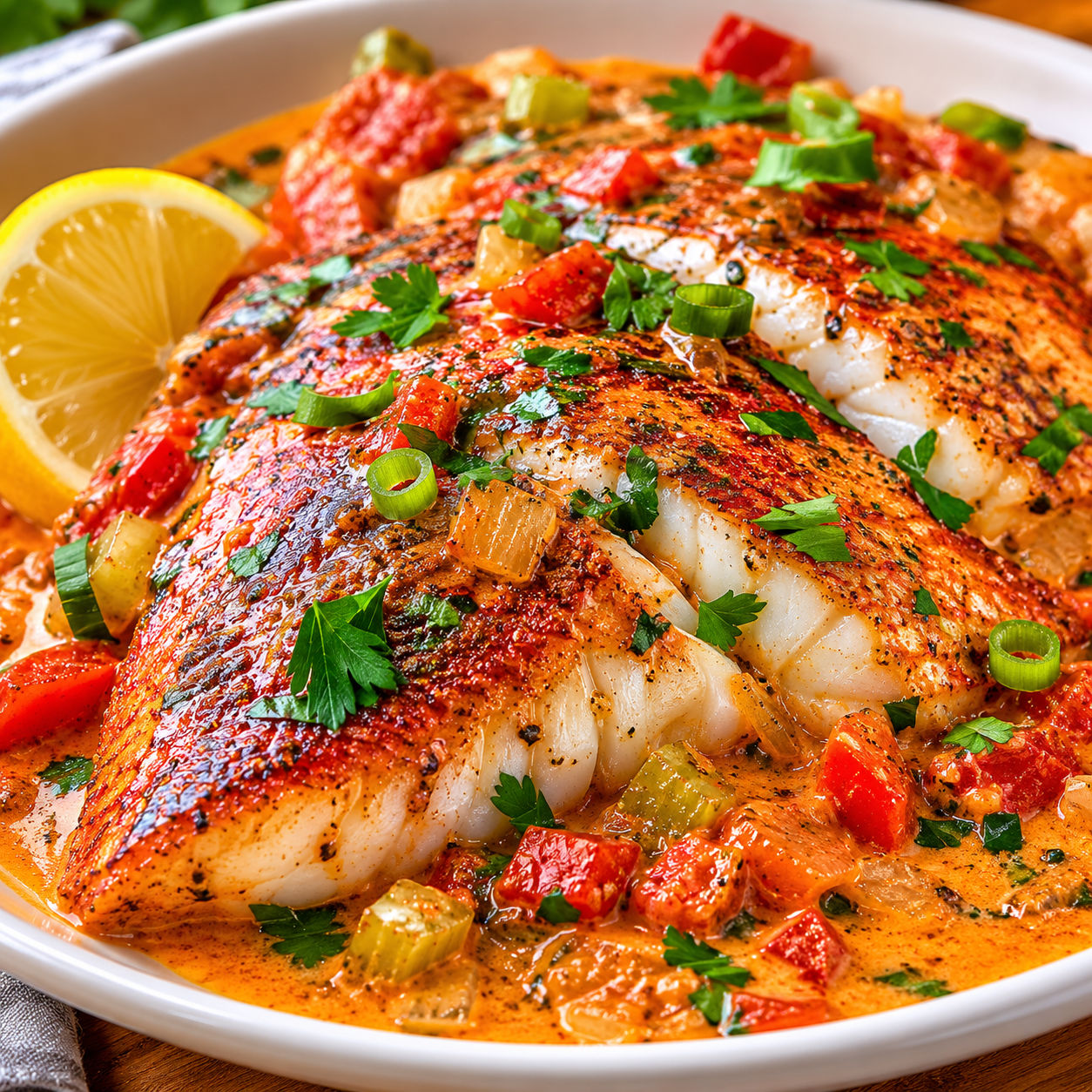
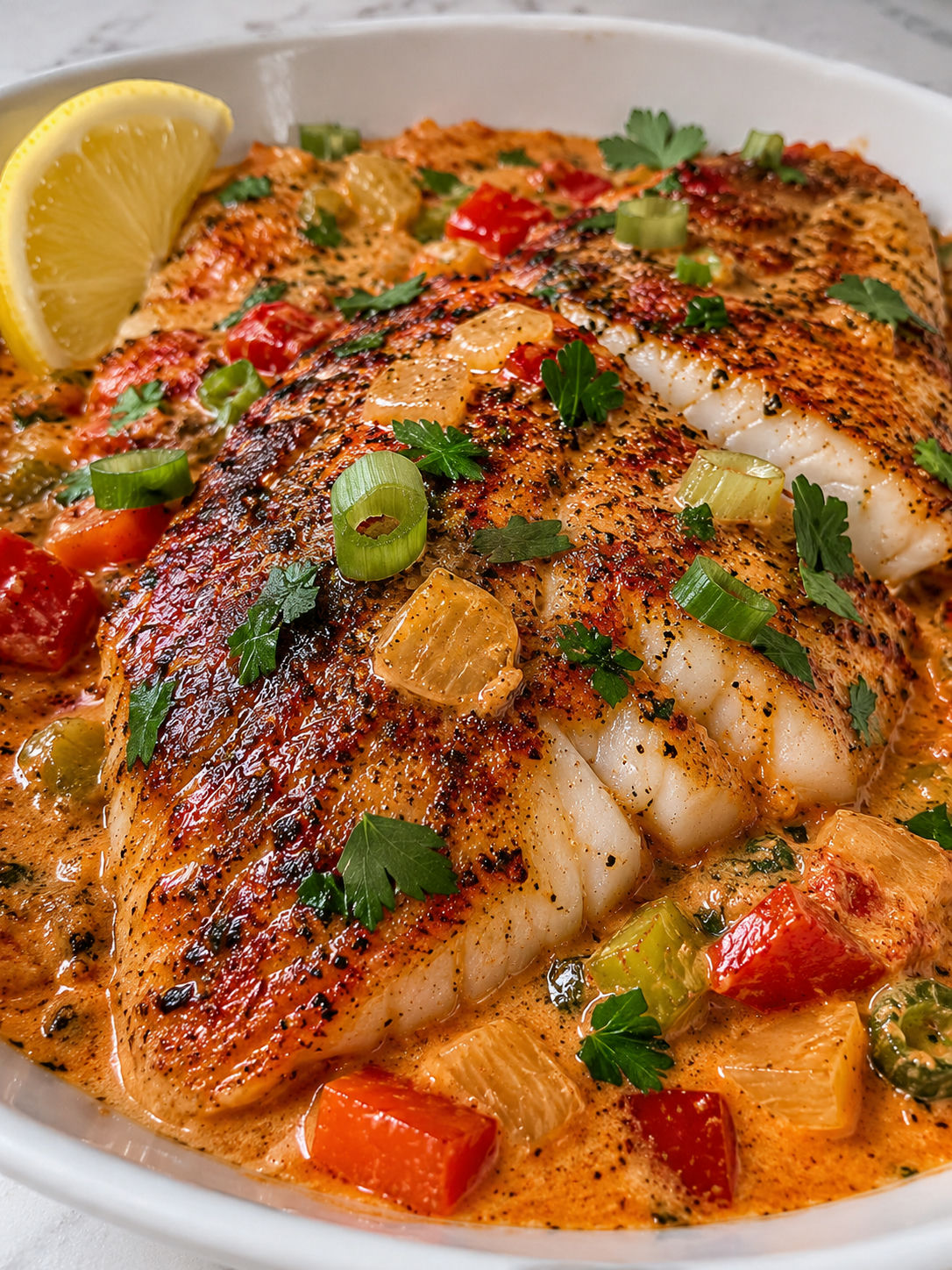
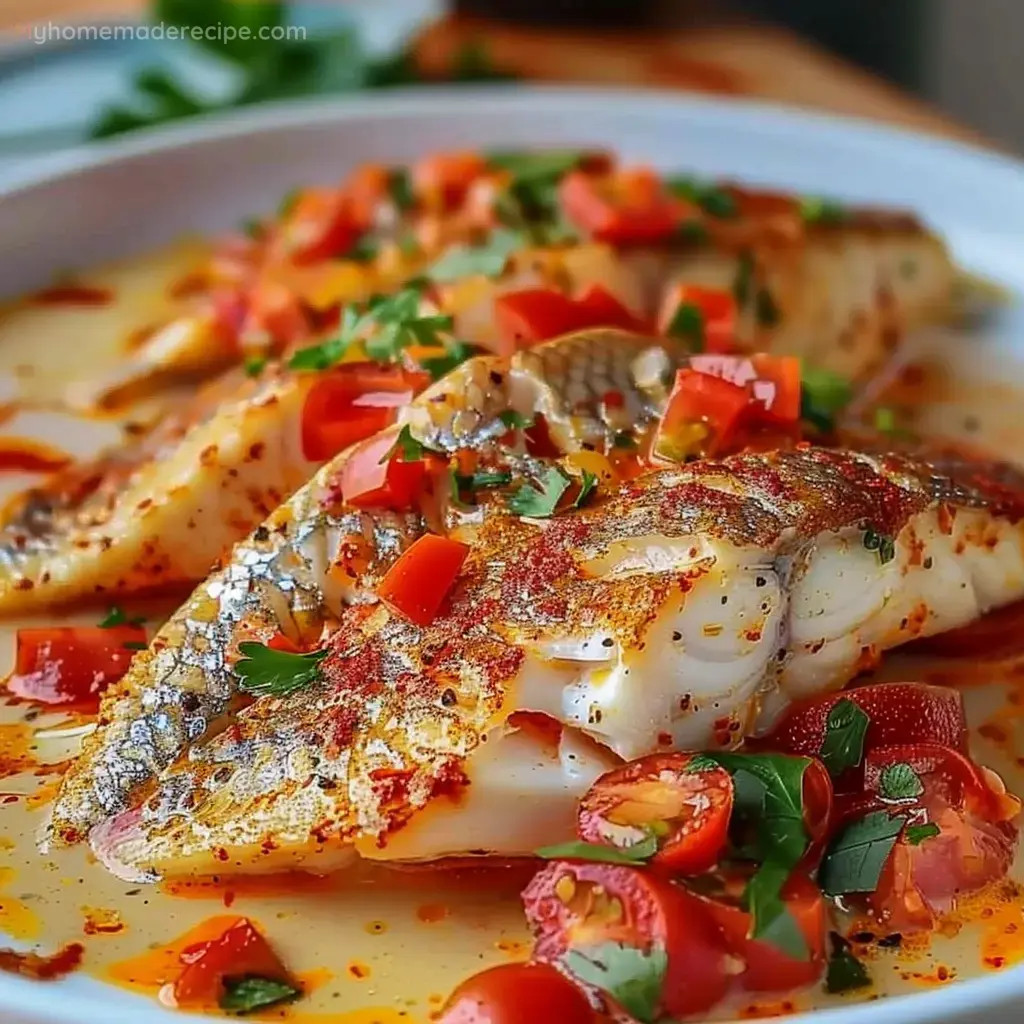
Delicious Red Snapper with Creamy Creole Sauce is the kind of skillet dinner that smells good before the fish even goes back in the pan. Onion, bell pepper, celery, garlic, tomato, and thyme make the sauce deep and savory, while cream softens the heat.
I like this for a weekend dinner that does not need much babysitting. The snapper stays sweet and firm, and the sauce is good enough to spoon over rice, grits, or a pile of roasted vegetables.
Delicious Red Snapper with Creamy Creole Sauce
Fresh red snapper should smell clean and mild, never fishy. Look for firm fillets with a rosy tint, and use a Creole seasoning you already like because it carries the sauce.
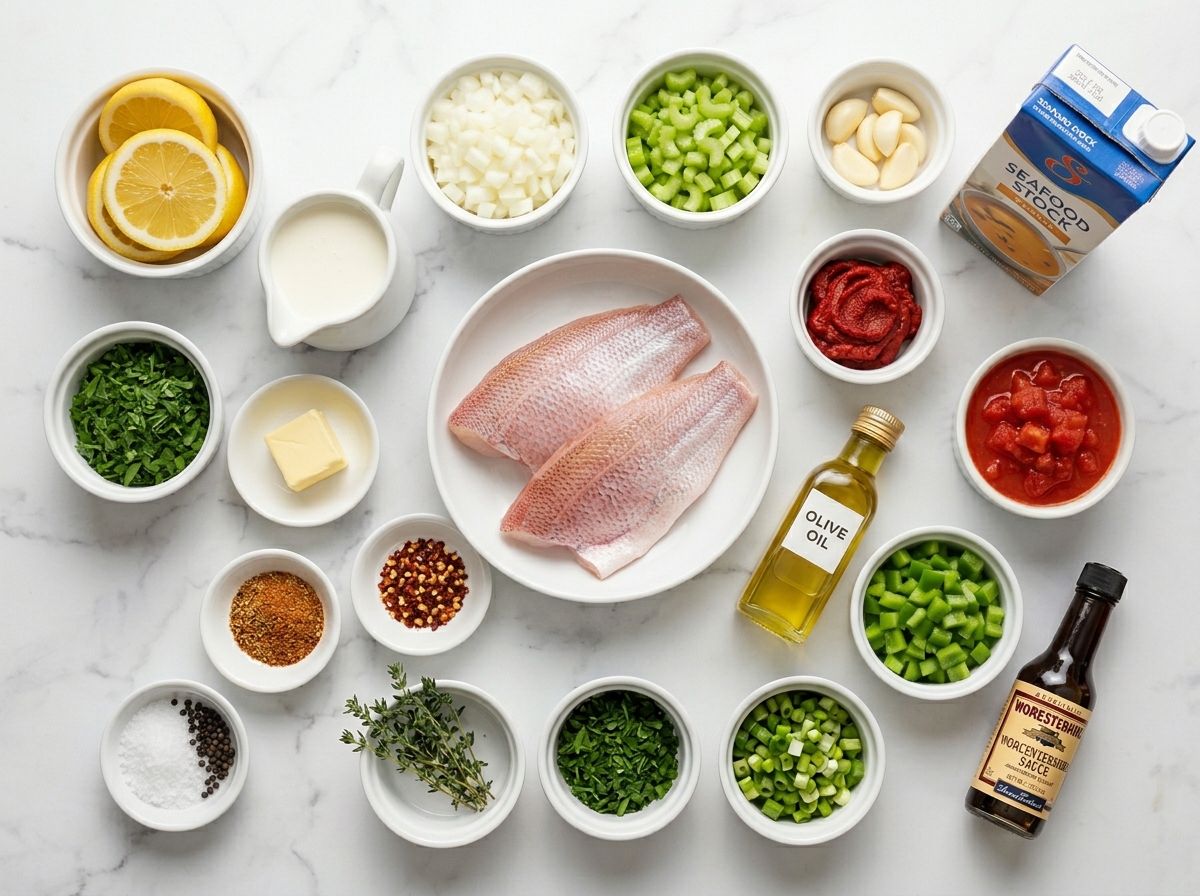
- Red snapper fillets. Mild, firm fish that flakes cleanly without falling apart in the sauce.
- Olive oil. Helps the fish sear quickly before it finishes gently.
- Smoked paprika. Adds color and a soft smoky edge to the seasoning.
- Onion, celery, and bell pepper. The savory base that gives the sauce its Creole character.
- Garlic. Adds sharp, warm flavor after the vegetables soften.
- Diced tomatoes and tomato paste. Build body, color, and a little acidity.
- Heavy cream. Rounds the tomato and spice into a silky sauce.
- Creole seasoning, thyme, and cayenne. Bring salt, herbs, pepper, and gentle heat.
- Lemon and parsley. Brighten the finished skillet so the cream does not taste heavy.
Sear, Simmer, Finish Gently
- Season the fish. Pat the snapper dry, then season both sides with salt, pepper, smoked paprika, garlic powder, and onion powder.
- Sear the fillets. Heat olive oil in a large skillet over medium-high heat and sear the fish for about 2 minutes per side. Move it to a plate before it cooks through.
- Cook the vegetables. Add butter, onion, celery, and bell pepper to the pan. Cook until softened and sweet, scraping up the browned bits.
- Build the sauce. Stir in garlic, tomato paste, diced tomatoes, stock, Creole seasoning, thyme, Worcestershire sauce, and cayenne. Simmer until slightly thickened.
- Add the cream. Lower the heat and stir in the cream until the sauce looks smooth and lightly glossy.
- Finish the snapper. Return the fish to the pan, spoon sauce over the top, and simmer gently until opaque and flaky. Finish with lemon juice and parsley.
Keep The Fish Tender
Red snapper is lean, so it rewards a short cook. The first sear is only for color and flavor. If you cook it all the way at that stage, it can turn dry by the time the sauce is ready. Pull it from the pan while the center still looks a touch translucent.
When the sauce is finished, return the fillets and keep the heat low. A lazy simmer is enough. The FDA seafood guide recommends cooking fish to 145°F, and you can check that on the thickest piece with an instant-read thermometer. If you prefer to judge by texture, the fish should flake with gentle pressure but still look moist. For another fish dinner with a creamy finish, try baked salmon with creamy spinach sauce.
Creamy Sauce With Real Depth
The sauce starts with the classic onion, celery, and bell pepper base, then gets extra depth from tomato paste and the browned bits left by the fish. Let the vegetables soften before adding garlic. Raw onion flavor is hard to hide once the cream is in the pan.
Creole seasoning blends vary a lot in salt. Taste before adding more salt at the end, especially if your stock and Worcestershire sauce are already salty. Red snapper is a well-loved Gulf fish, and FishWatch's red snapper profile is useful if you like checking sourcing and species details. If you want a brothier Louisiana seafood dish for another night, classic Creole seafood gumbo is a natural next recipe.
Swaps That Make Sense
No snapper at the counter? Grouper, halibut, cod, mahi mahi, or thick tilapia fillets all work. The timing changes with thickness, so watch the fish instead of the clock. Skin-on fillets are fine, but sear the skin side first and avoid drowning it in sauce until the final simmer.
For a lighter sauce, swap half the cream for seafood stock and reduce it a few extra minutes before the fish returns. For more richness, add a handful of peeled shrimp during the final simmer. That moves the dish closer to a seafood house plate, especially if you like recipes such as Creole steak shrimp quesadillas. Keep the cayenne optional if you are cooking for mixed heat levels.
Serving And Leftover Notes
This sauce wants something underneath it. Steamed rice is the easiest choice, but creamy grits, mashed potatoes, cauliflower rice, or crusty gluten-free bread all make sense. Add a green vegetable with a little bite, like okra, broccolini, or a lemony salad.
Leftovers keep for up to two days in the fridge. Reheat them in a covered skillet over low heat with a spoonful of water or stock. The microwave works in short bursts, but it can overcook the fish fast. If you only have extra sauce, spoon it over seared shrimp or a simple white fish later in the week. For a crisp contrast, serve this beside crispy fish with dipping sauce at a seafood dinner.
FAQs
- Can I use frozen red snapper?
Yes. Thaw it overnight in the fridge, then pat it very dry before seasoning. Extra moisture keeps the fish from browning and can thin the sauce.
- What fish can I substitute for red snapper?
Use another firm white fish such as grouper, halibut, cod, or mahi mahi. Choose fillets that are close to the same thickness so they finish at the same time.
- How spicy is creamy Creole sauce?
This version is warm but not harsh. For a milder sauce, skip the cayenne and use a low-salt Creole seasoning. For more heat, add cayenne a pinch at a time near the end.
- Can I make the sauce ahead?
You can make the sauce up to two days ahead and chill it airtight. Rewarm it gently, then sear the fish fresh and finish it in the sauce right before serving.
- How do I know red snapper is cooked?
The fish should flake with gentle pressure and look opaque at the thickest part. For the most accurate check, cook seafood to 145°F.
- What should I serve with this recipe?
White rice, cheese grits, roasted okra, green beans, or a simple salad all work well. The sauce is rich, so a fresh lemon wedge or crisp vegetable side helps balance the plate.
