 Pin it
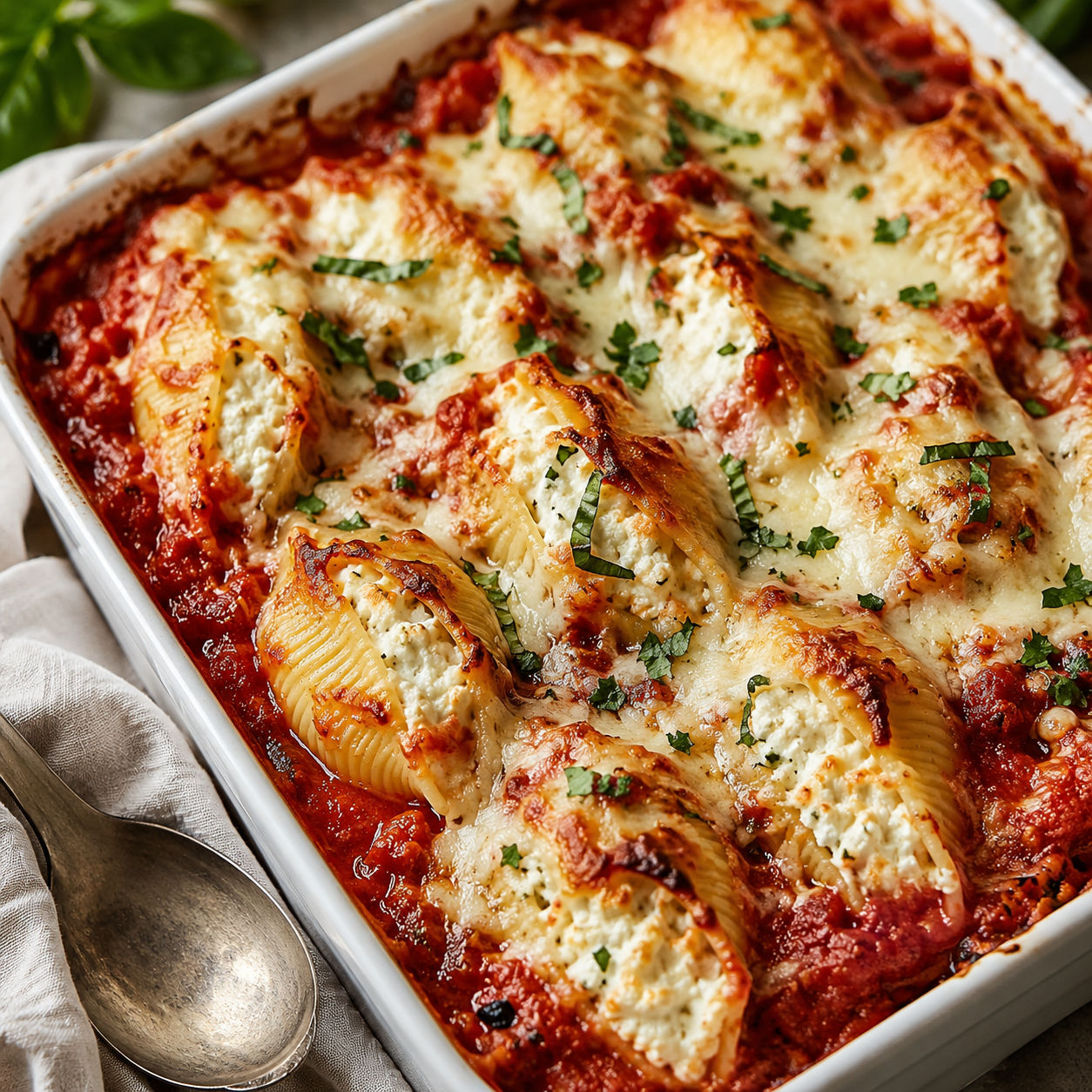
Classic Stuffed Shells are the kind of baked pasta that makes a regular weeknight feel calmer. The filling is creamy and mild, the edges of the shells stay tender, and the sauce bubbles up around everything in the pan.
I like this version because it does not try too hard. Good marinara, whole-milk ricotta, a little Parmesan, and enough mozzarella on top give you the familiar red-sauce comfort without making the dish heavy or dry.
The cheesy shell lineup
Use jumbo shells that are sturdy and unbroken. Whole-milk ricotta gives the filling a softer, richer texture than part-skim, and a marinara you enjoy eating on its own matters here.
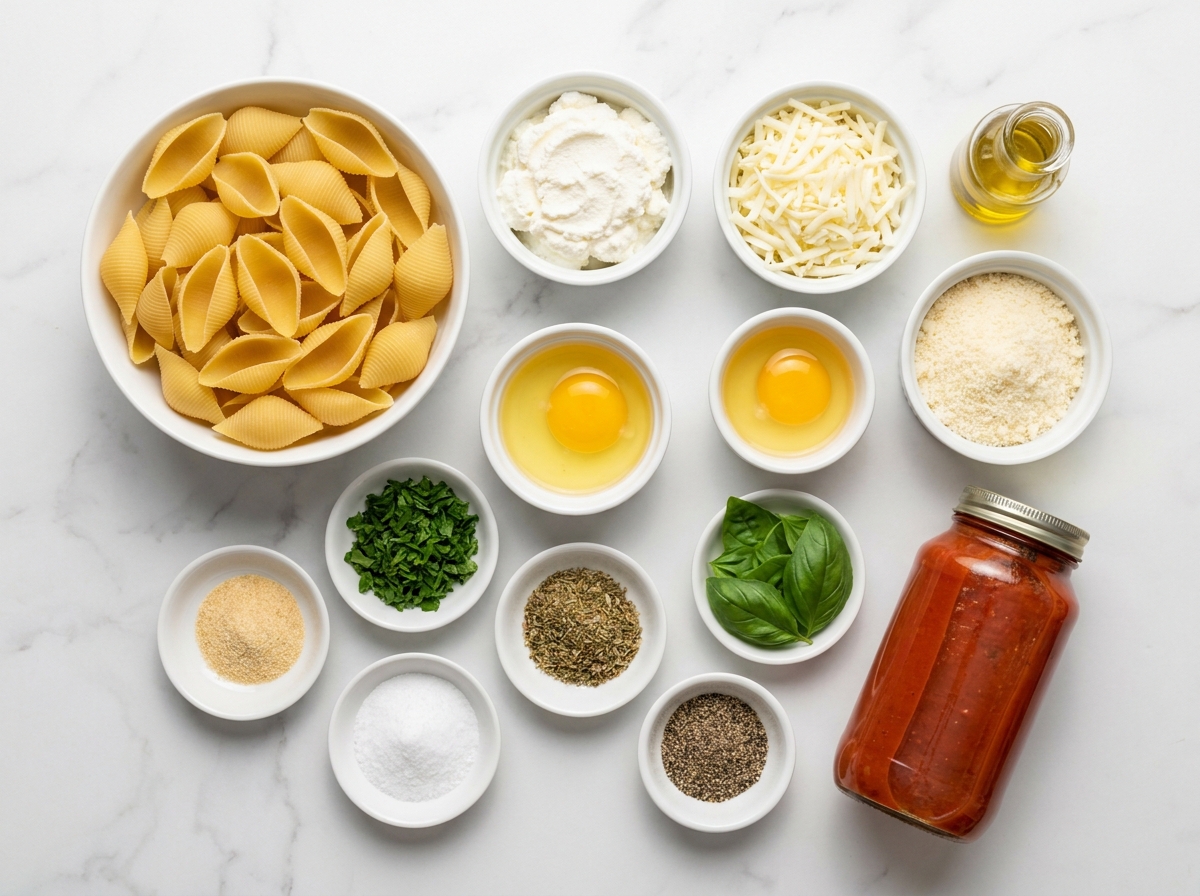
- Jumbo pasta shells. They hold the cheese filling and bake into tender pockets without disappearing into the sauce.
- Whole-milk ricotta. This makes the center creamy instead of grainy or dry.
- Mozzarella. Some goes into the filling, and more melts over the top for that browned, stretchy finish.
- Parmesan. A salty, nutty cheese that keeps the filling from tasting flat.
- Egg. It firms up the ricotta just enough so each shell holds together.
- Parsley and basil. Fresh herbs brighten the dairy and keep the bake from tasting too rich.
- Marinara sauce. It protects the pasta in the oven and turns into the saucy base for serving.
- Garlic and seasoning. A little garlic powder, salt, pepper, and Italian seasoning round out the filling.
Build Classic Stuffed Shells
- Boil the shells. Cook the jumbo shells in well-salted water until al dente. Rinse briefly with cool water and lay them out so they do not stick together.
- Mix the filling. Stir ricotta, egg, mozzarella, Parmesan, herbs, garlic powder, salt, pepper, and Italian seasoning until creamy and evenly combined.
- Sauce the dish. Spread marinara across the bottom of a 9x13-inch baking dish. This keeps the pasta from drying out underneath.
- Fill the shells. Spoon the ricotta mixture into each shell without overpacking. Arrange them open-side up in the sauce.
- Top and bake. Spoon more marinara over the shells, scatter with mozzarella, cover, and bake until hot. Uncover for the last few minutes so the cheese melts and lightly browns.
Keep the filling creamy
The biggest mistake with Classic Stuffed Shells is treating the ricotta filling like it needs a lot of stirring. Mix until everything looks even, then stop. Overworking ricotta can make it loose, especially once the egg and shredded cheese are added.
Salt the filling before it goes into the shells. The pasta and ricotta are both mild, so a bland filling will stay bland after baking. If you want a richer version, follow the same base idea as creamy ricotta beef stuffed shells pasta and add cooked ground beef to the sauce rather than the cheese mixture.
Do not overcook the shells
Cook the shells just until flexible. They will soften more in the oven as they sit under sauce. If they are fully soft in the pot, they can split while you fill them and turn mushy around the edges after baking.
I always cook three or four extra shells because a few usually crack. Save the torn pieces too. They can tuck into a corner of the pan with sauce and cheese for the cook's bite.
Sauce makes the bake work
A dry pan of stuffed shells is usually a sauce problem, not a cheese problem. Put sauce under the pasta first, then spoon enough over the top to cover the edges without burying the shells completely. The pasta needs moisture, but you still want to see the ridges and browned cheese.
For a spinach version, the filling style in cheesy spinach stuffed shells is a good direction. Squeeze cooked spinach very dry before mixing it with ricotta, or the filling will leak water into the pan.
Make-ahead and freezer notes
You can assemble the pan in the morning and bake it at dinner. Keep it covered in the refrigerator, then let it sit on the counter while the oven heats. If the baking dish is cold, add a few extra minutes before uncovering.
For freezing, assemble the shells in a freezer-safe pan and wrap well. The USDA recommends refrigerating leftovers within 2 hours, which is a smart rule for baked pasta too. Their leftovers and food safety guide is worth following when you cool and store a big casserole.
What to serve beside it
Stuffed shells are rich, so I like a sharp salad, roasted green beans, or garlicky bread on the side. For a bigger pasta night, add one pot cheesy beef shells for meat eaters or keep the table meatless with classic eggplant parmesan.
Let the pan rest for 5-10 minutes before serving. The sauce settles, the cheese stops sliding, and each shell lifts out more cleanly.
Summary
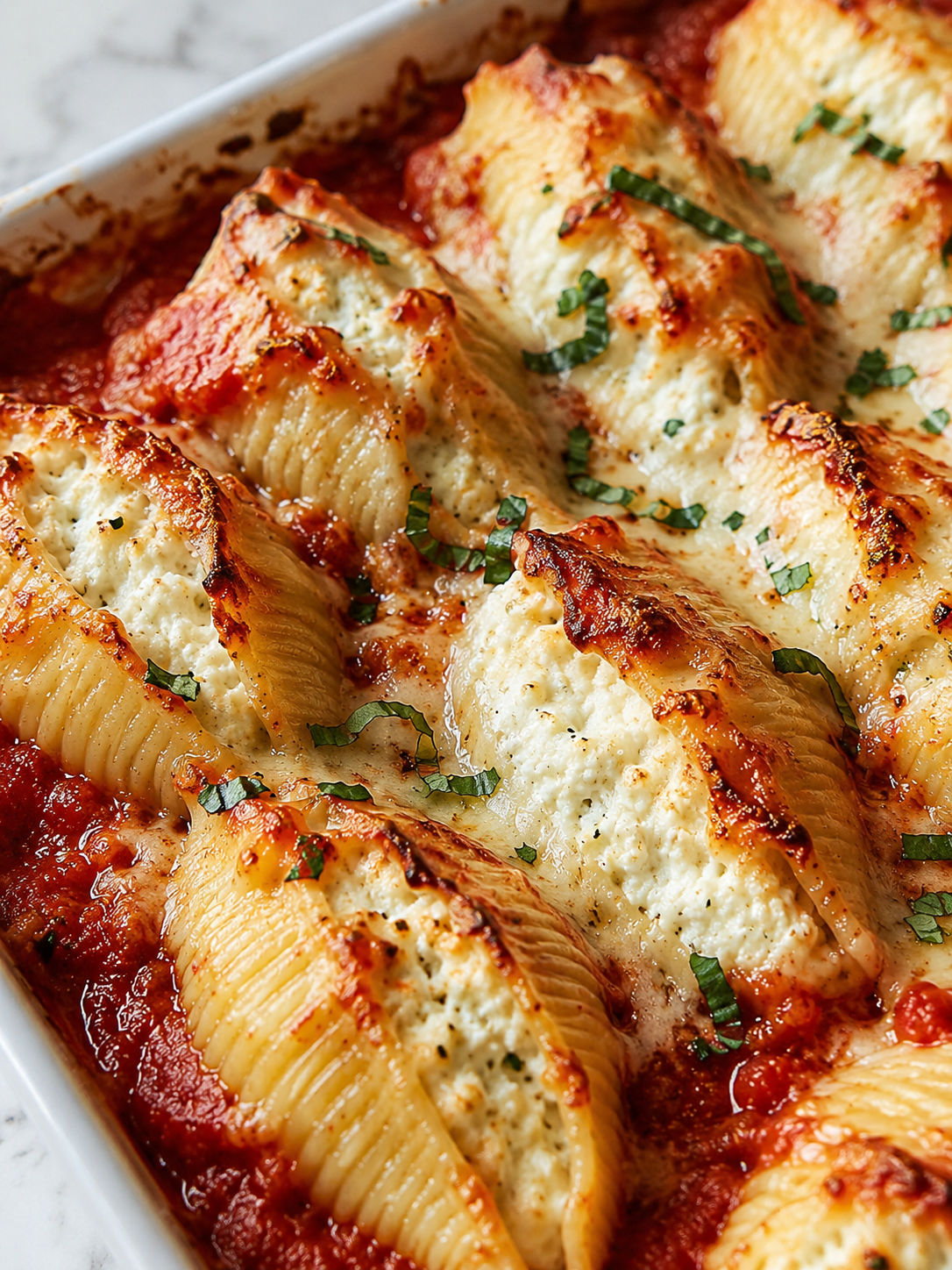
Serve these stuffed shells hot from the oven with a simple salad, garlic bread, or roasted vegetables. Leftovers reheat well with a spoonful of extra sauce.

FAQs
- Can I make Classic Stuffed Shells ahead of time?
Yes. Assemble the pan up to 24 hours ahead, cover it tightly, and refrigerate. Add about 10 extra minutes to the covered baking time if it goes into the oven cold.
- Do I need to use an egg in the ricotta filling?
The egg helps the filling set so it slices and scoops cleanly. If you skip it, the shells will still taste good, but the filling will be softer and may spread more in the sauce.
- Can I freeze stuffed shells?
Yes. Freeze the assembled, unbaked shells in a tightly wrapped pan for up to 2 months. Bake from frozen covered at 375°F until hot in the center, then uncover and brown the cheese.
- What can I use instead of ricotta?
Small-curd cottage cheese works if you drain it well and pulse it briefly for a smoother texture. The flavor is a little tangier, but it bakes nicely with mozzarella and Parmesan.
- Why did my pasta shells tear?
Jumbo shells tear when they are overcooked or stirred roughly. Cook them just to al dente, rinse briefly so they are cool enough to handle, and boil a few extras as backup.
- What should I serve with stuffed shells?
A crisp green salad, garlic bread, or roasted broccoli keeps the meal balanced. If you want another cozy pasta dish for the table, try classic baked mac and cheese.
