 Pin it
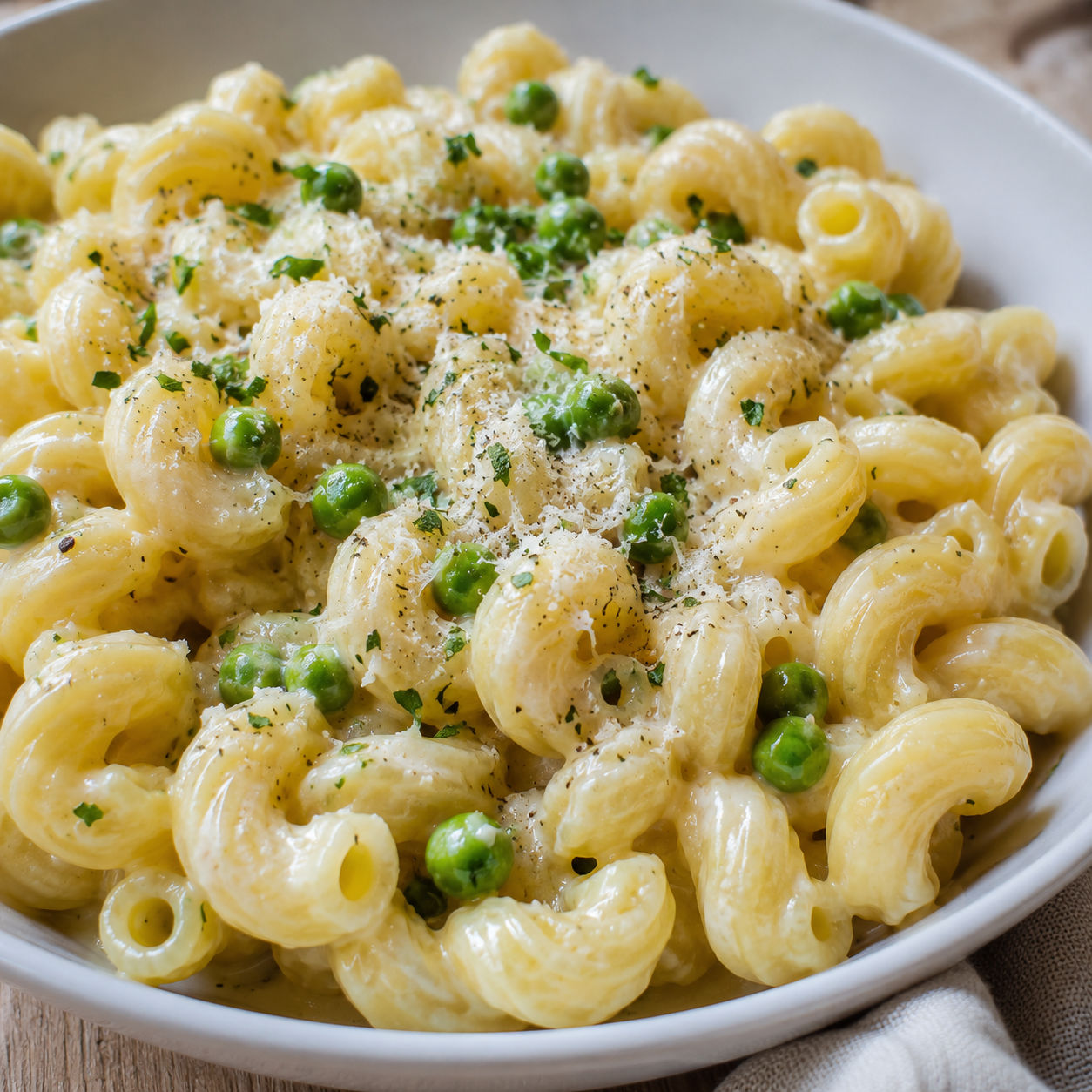
Easy Creamy Cavatappi is the kind of pasta I make when I want dinner to feel cozy without turning the kitchen into a project. The corkscrew shape catches the sauce in every ridge, so each bite tastes creamy even though the ingredient list stays short.
The sauce starts with garlic, butter, cream, and finely grated parmesan. A splash of pasta water keeps it smooth, while peas and lemon stop it from feeling too heavy.
What Makes It Creamy
The best ingredients here are simple ones that melt smoothly and taste clean. Grate the parmesan yourself if you can, since the bagged kind often has starches that can make the sauce grainy.
- Cavatappi. The corkscrew shape catches cream sauce in the ridges and hollow center.
- Unsalted butter. Gives the garlic a gentle start and adds body to the sauce.
- Garlic. Adds warmth without needing a long simmer.
- Heavy cream. Makes the sauce silky and reliable for a quick weeknight pasta.
- Parmesan. Brings salty, nutty depth and helps thicken the sauce.
- Pasta water. Loosens the sauce and helps it coat the noodles instead of pooling in the pan.
- Peas. Add sweetness and color with almost no prep.
- Lemon juice. Brightens the finish so the pasta tastes rich, not flat.
Make Easy Creamy Cavatappi
- Boil the pasta. Cook the cavatappi in well-salted water until just al dente. Scoop out one cup of pasta water before draining.
- Start the garlic butter. Melt butter in a wide skillet over medium heat. Add the garlic and cook for about 30 seconds, just until it smells sweet.
- Build the sauce. Pour in the cream and bring it to a gentle simmer. Add the peas and cook until they are hot and bright green.
- Melt in the cheese. Lower the heat and stir in the parmesan a handful at a time. Add pasta water in small splashes until the sauce looks smooth.
- Toss and finish. Add the cavatappi, black pepper, and lemon juice. Toss until every curl is coated, then serve with more parmesan.
Why The Shape Matters
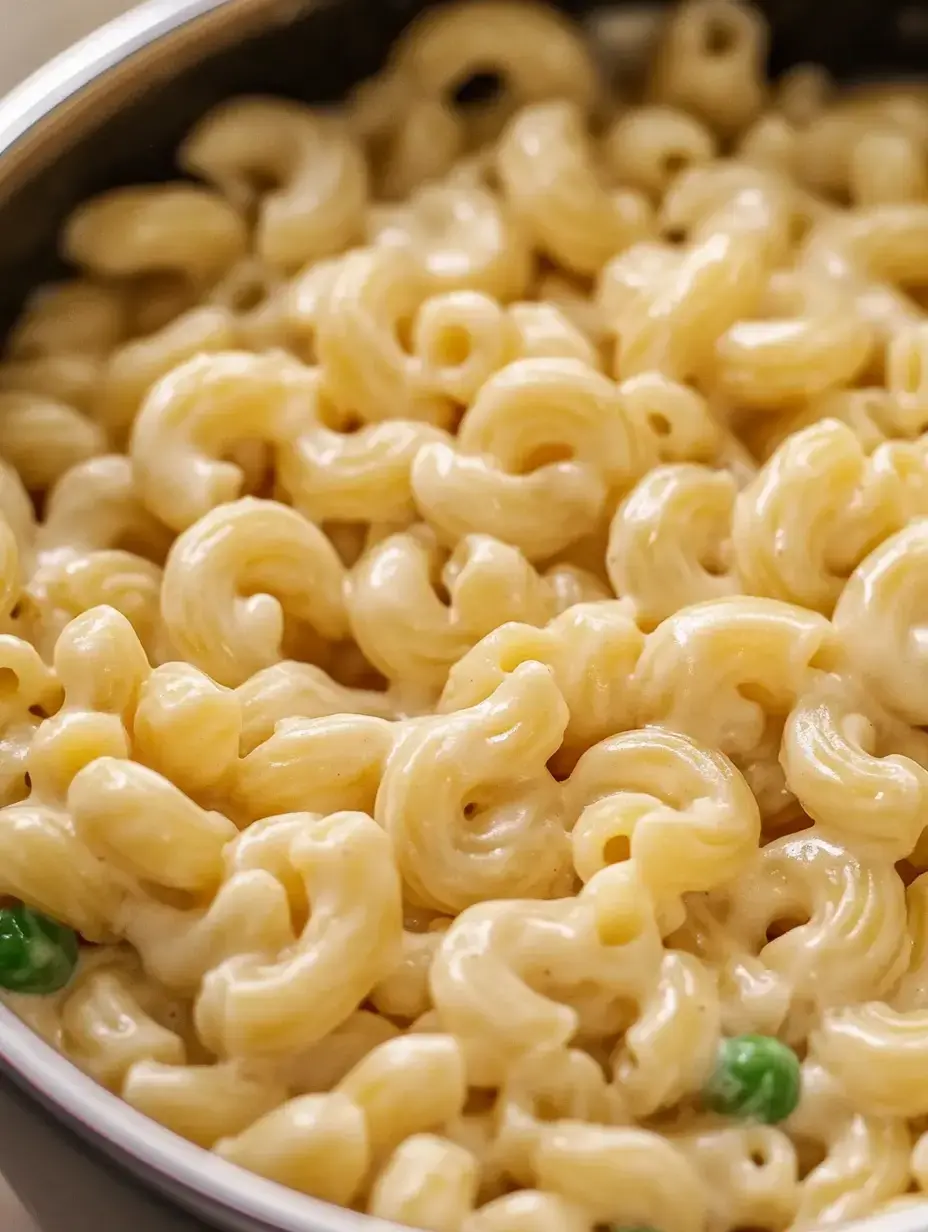
Cavatappi is not just macaroni with a twist. The hollow center and ridged spiral hold more sauce than smooth pasta, so a small amount of cream goes further. That matters here because the sauce is rich, but it should not feel like a bowl of heavy cream. If you already like Creamy Cavatappi, this version leans into the same comfort with a faster garlic parmesan sauce.
Cook the pasta until it still has a firm bite. The last minute happens in the skillet, where the noodles drink in a little sauce and pasta water. That final toss is what makes the dish taste finished.
Keep The Sauce Smooth
The sauce can turn grainy if the pan is too hot when the cheese goes in. Lower the heat first, then add the parmesan slowly. Finely grated cheese melts faster and needs less stirring, which keeps the cream from reducing too far.
If the sauce tightens, do not add more cream right away. Add a splash of hot pasta water and toss for 10 seconds. The same idea works in Creamy Parmesan Garlic Pasta, where starch and cheese need a little help coming together.
Easy Add-Ins
Peas are my default because they cook straight from frozen and add a little sweetness. Baby spinach works too. Stir it in after the pasta, since it wilts fast. For a heartier dinner, fold in sliced grilled chicken, cooked Italian sausage, or sauteed mushrooms.
If you want a tomato note, add two tablespoons of chopped sun-dried tomatoes with the peas. For a brighter pasta night, try Easy Creamy Tomato Rigatoni next. For seafood, Easy Creamy Salmon Pasta uses the same creamy comfort in a different direction.
Serve It While Glossy
Creamy cavatappi is best right out of the skillet. The sauce thickens as it sits, so plate it as soon as the noodles look shiny and coated. A green salad, roasted broccoli, or garlic bread makes it feel like a full dinner without much extra work.
For the pasta itself, aim for al dente. Barilla has a helpful overview of pasta shapes and cooking cues at Barilla cooking methods, and the same timing principle applies here.
Leftovers Without Dry Pasta
Store leftovers in an airtight container in the fridge for up to three days. Reheat them in a skillet over low heat with a splash of milk or water. Stir slowly until the sauce loosens and turns creamy again.
The USDA gives practical cold-storage guidance in its leftovers and food safety guide. I do not freeze this pasta, since cream sauces often thaw with a separated texture.
Summary
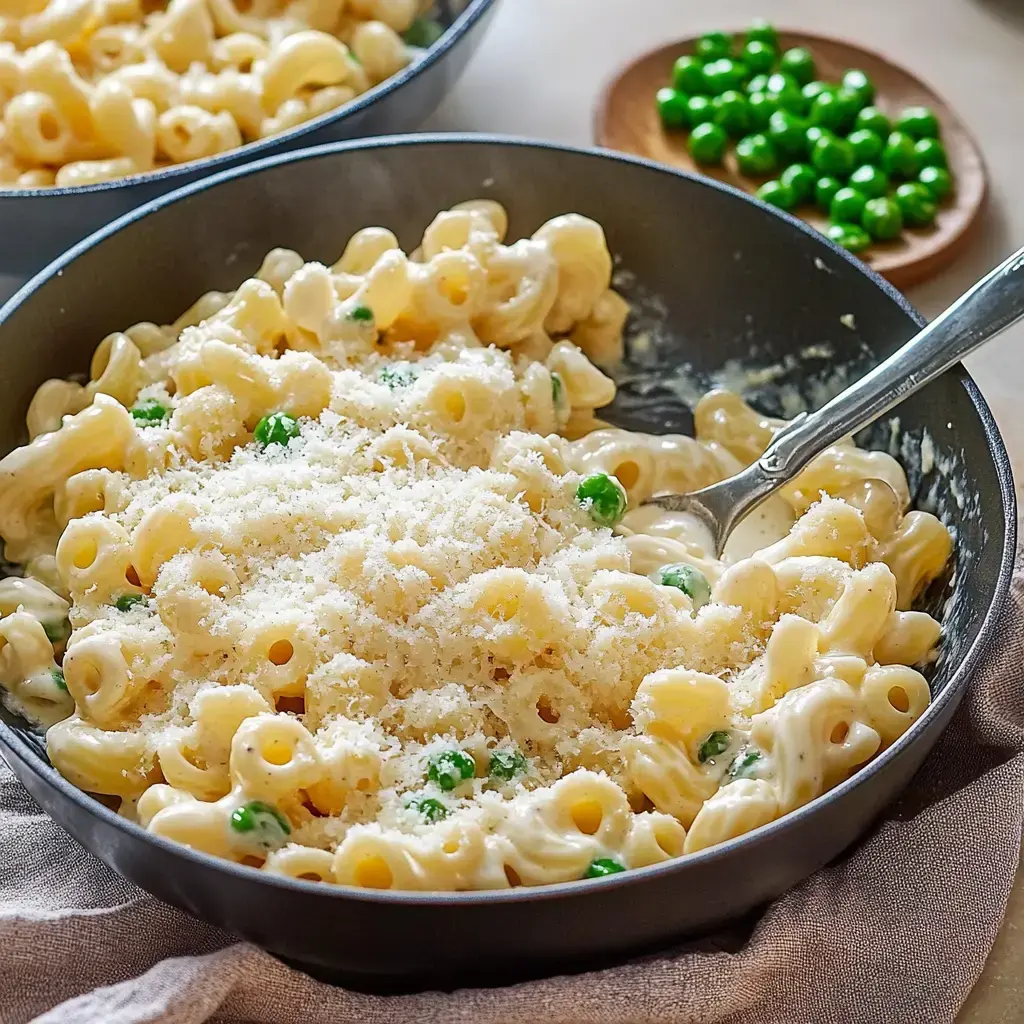
This quick creamy cavatappi is best served hot from the skillet with extra parmesan and black pepper.
FAQs
- What is cavatappi pasta?
Cavatappi is a short, hollow pasta with a corkscrew shape. The twists and ridges grab creamy sauces well, which is why it works so nicely in this recipe.
- Can I use another pasta shape?
Yes. Fusilli, rotini, penne, or rigatoni all work. Choose a short shape with ridges or hollows so the sauce has somewhere to cling.
- How do I keep the cheese sauce from clumping?
Use finely grated parmesan and lower the heat before adding it. Toss the pasta with small splashes of hot pasta water until the cheese melts into the cream instead of tightening into clumps.
- Can I make creamy cavatappi ahead?
You can cook it ahead, but it tastes best fresh. If making it for later, keep a little pasta water or milk nearby and loosen the sauce gently in a skillet before serving.
- Can I add chicken, shrimp, or bacon?
Yes. Cooked chicken, seared shrimp, or crisp bacon can be folded in at the end. Keep the base recipe the same and add the protein just long enough to warm through.
- Is this recipe vegetarian?
It is vegetarian if your parmesan is made without animal rennet. For a fully vegetarian version, check the cheese label or use a vegetarian hard cheese.
