 Pin it
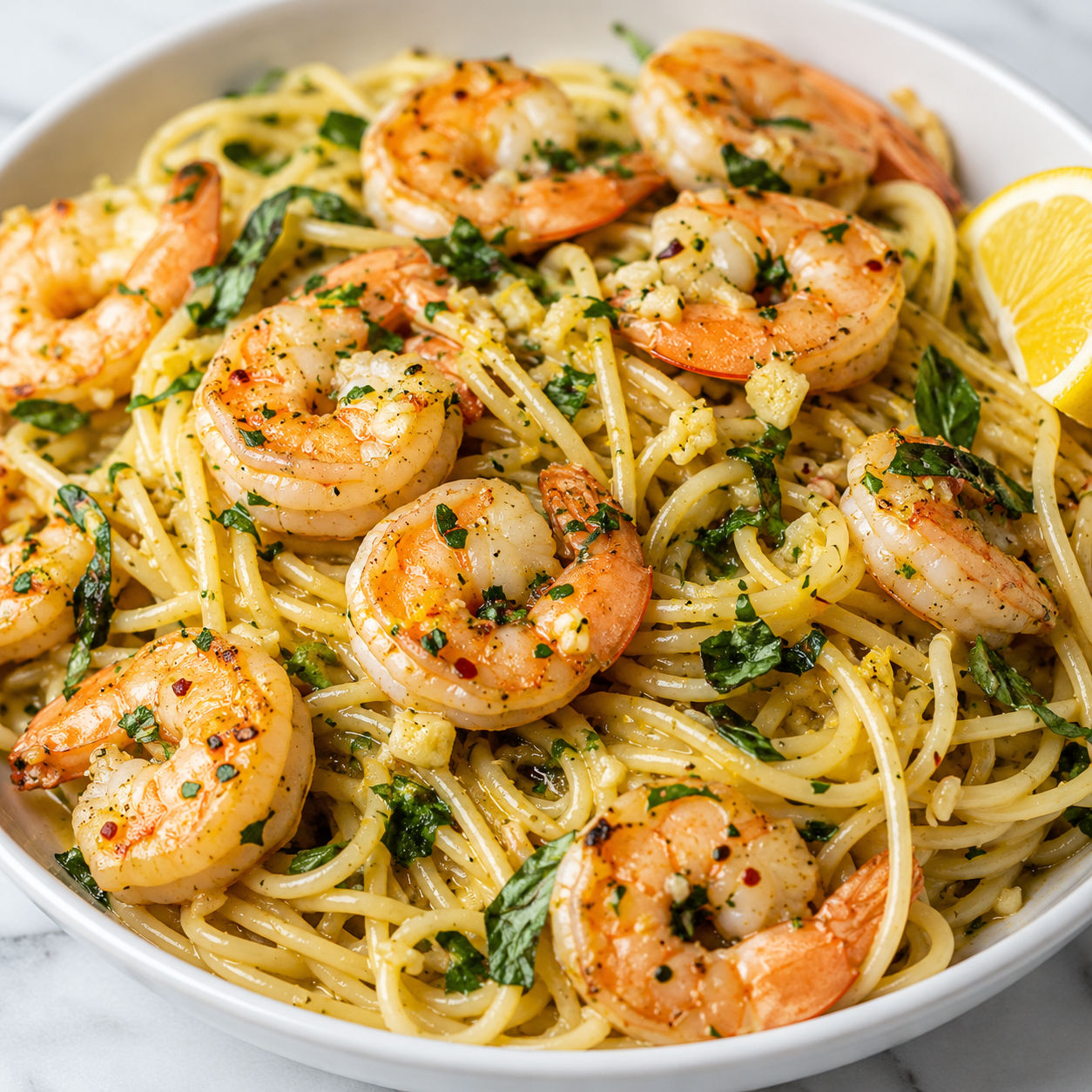
Garlic Shrimp Pasta with Butter and Herbs is the kind of dinner that smells good before it even hits the plate. The garlic softens in butter, the shrimp turn sweet and pink in minutes, and the fresh herbs keep the whole bowl from feeling heavy.
I like spaghetti or linguine here because long pasta catches the sauce without burying the shrimp. Save a splash of pasta water before draining. That small move is what makes the butter sauce glossy instead of oily.
Garlic Shrimp Pasta with Butter and Herbs
This dish needs a short ingredient list, so each piece should pull its weight. Choose large shrimp, fresh garlic, real butter, and herbs that still look bright rather than wilted.
Long pasta works best because it wraps around the shrimp and holds the sauce. Lemon and reserved pasta water keep the butter from feeling flat.
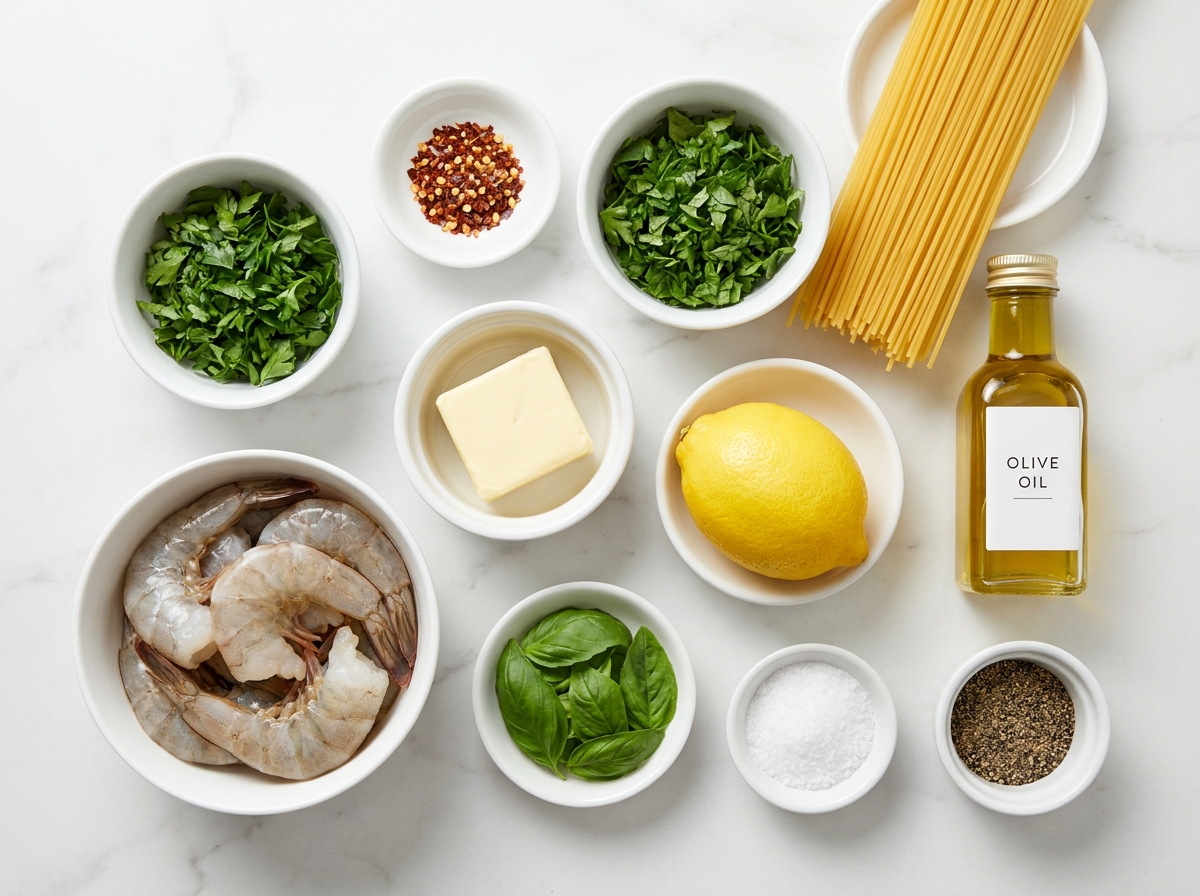
- Large shrimp. They cook fast and stay juicy when seared in a single layer.
- Spaghetti or linguine. Long strands catch the garlic butter sauce and make the bowl feel balanced.
- Unsalted butter. It gives the sauce body while letting you control the salt.
- Olive oil. A little oil helps the butter handle skillet heat.
- Fresh garlic. It brings the main flavor, but it should soften rather than brown.
- Lemon juice and zest. They cut through the butter and brighten the shrimp.
- Fresh parsley and basil. The herbs add color, freshness, and a clean finish.
- Reserved pasta water. The starch helps the butter cling to the noodles.
- Red pepper flakes. A small pinch adds heat without taking over.
Fast Skillet Pasta Method
- Boil the pasta. Cook the spaghetti in well-salted water until just al dente, then reserve 3/4 cup of the starchy water before draining.
- Dry and season the shrimp. Pat the shrimp dry with paper towels, then season with salt, pepper, and a pinch of red pepper flakes.
- Sear the shrimp. Cook them in olive oil and a little butter over medium-high heat until pink and opaque, about 1-2 minutes per side, then move them to a plate.
- Soften the garlic. Lower the heat and melt more butter in the same skillet. Add the garlic and cook for 30-45 seconds until fragrant.
- Make the sauce glossy. Add lemon zest, lemon juice, and a splash of pasta water. Toss in the drained pasta until the sauce starts coating the strands.
- Finish with herbs. Return the shrimp to the skillet, add parsley and basil, and toss until warm. Add more pasta water if the sauce looks tight.
Keep Shrimp Tender
Shrimp give you very little warning before they overcook, so set yourself up before the pan gets hot. Have the pasta drained, the garlic minced, and the herbs chopped. Once the shrimp curl into a loose C shape and turn opaque, get them out of the skillet. If they curl tightly, they have gone too far.
Drying them matters more than most people think. Wet shrimp release water and cool the pan, which means you get steaming instead of quick browning. The FDA seafood guide recommends cooking shrimp until the flesh is pearly and opaque, and you can read more in the FDA seafood-safety guide.
Butter Sauce That Clings
The sauce is simple, but the order matters. Garlic goes into melted butter over lower heat so it turns fragrant without scorching. Then lemon and pasta water loosen everything into a light sauce that coats the noodles. Add the water slowly and toss hard with tongs. You are not trying to make soup. You want a sheen on the pasta and a little sauce pooling at the bottom of the skillet.
If you love this style of quick seafood dinner, the site's Garlic Shrimp Pasta Butter keeps the same spirit. For a richer bowl with a creamier finish, try the Creamy Garlic Butter Shrimp Bowl.
Fresh Herbs And Lemon
Fresh herbs are not just garnish here. Parsley makes the butter taste cleaner, basil gives a soft sweetness, and chives are good if you want a gentle onion note. Add them at the end so they stay green and fragrant. Dried Italian seasoning can help in a pinch, but use it earlier with the garlic so it has time to bloom in the butter.
Lemon works in two ways. Zest brings aroma without extra liquid, while juice wakes up the shrimp and butter. If you like herby pasta with vegetables too, the Fresh Ravioli with Tomatoes, Asparagus, Garlic, and Herbs is a good next recipe to make.
Make-Ahead And Leftovers
This pasta tastes best right after tossing, but you can prep the small jobs ahead. Peel and devein the shrimp, mince the garlic, zest the lemon, and chop the herbs earlier in the day. Keep everything covered in the refrigerator until you cook. Do not sear the shrimp ahead if you can avoid it. Reheating cooked shrimp twice is where the texture suffers.
For leftovers, add a tablespoon or two of water to a skillet and warm the pasta over low heat. Stir gently until the butter loosens again. The microwave works in short bursts, but the skillet gives you more control.
Serving Ideas That Fit
Serve this garlic shrimp pasta with something crisp and simple. A green salad, roasted asparagus, or warm bread all make sense because the pasta already has plenty of butter. If you want more heat, add extra red pepper flakes at the table instead of loading the skillet. That keeps the herbs and lemon easy to taste.
For a spicier shrimp pasta night, the Creamy Cajun Shrimp Pasta leans richer and bolder. If you want to keep the meal in the garlic-butter family without pasta, Garlic Butter Rice Side is an easy side for grilled shrimp or fish.
Summary
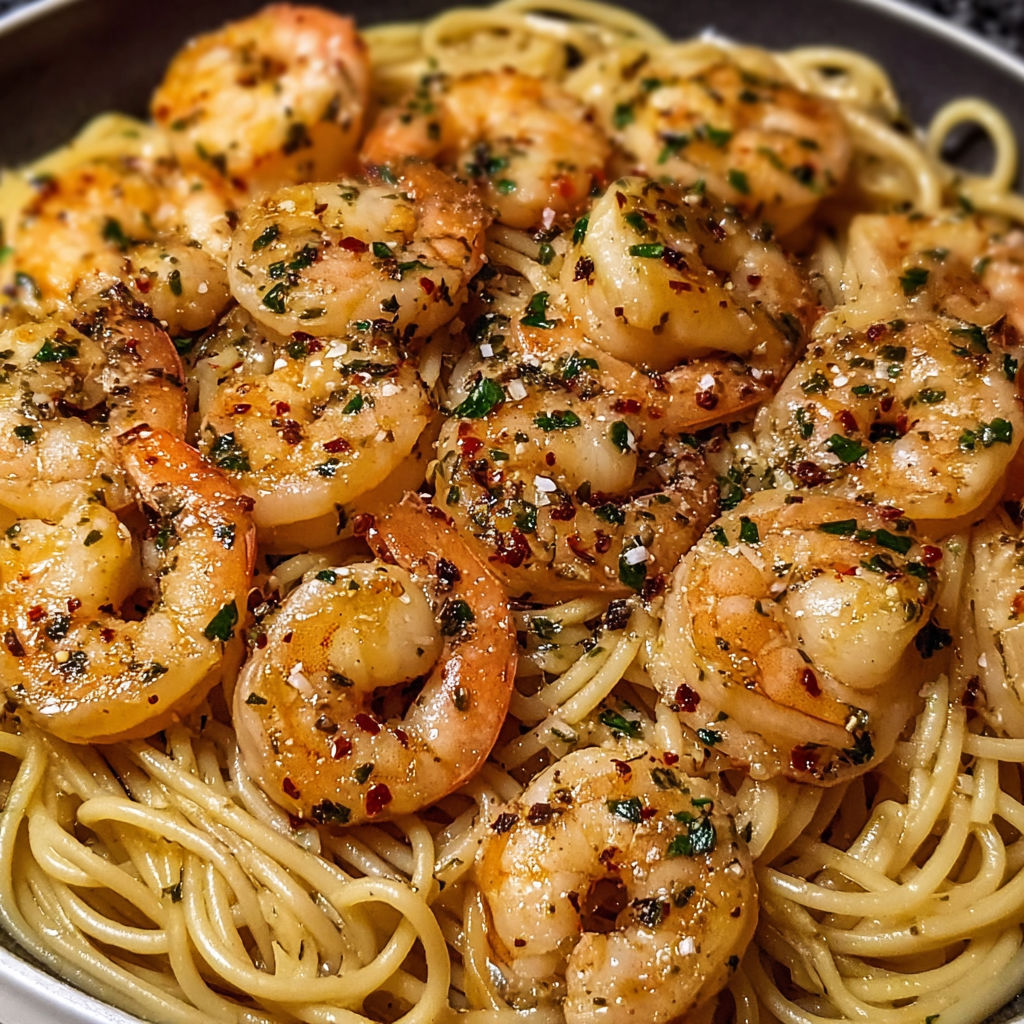
This shrimp pasta is best served right away while the sauce is silky and the herbs are fresh.

FAQs
- Can I use frozen shrimp for garlic shrimp pasta?
Yes. Thaw frozen shrimp in the refrigerator overnight or under cold running water if you are short on time. Pat them very dry before they hit the skillet so they sear instead of steam.
- What herbs taste best with shrimp pasta?
Parsley is the easiest choice because it tastes clean and fresh. Basil adds sweetness, chives add a mild onion flavor, and a little thyme works well if you use it lightly.
- Can I make this without wine?
Yes. This recipe uses pasta water and lemon instead of relying on wine. If you like wine in shrimp pasta, add 2 tablespoons of dry white wine after the garlic and let it bubble for a minute before adding the pasta.
- How do I keep shrimp from turning rubbery?
Cook shrimp only until they are pink and opaque, usually 1-2 minutes per side. Pull them from the pan while you finish the sauce. They warm through again when tossed with the pasta.
- Can I make this gluten-free?
Yes. Use your favorite gluten-free spaghetti or linguine and cook it just until al dente. Reserve some of the cooking water before draining because gluten-free pasta can need extra help loosening the sauce.
- How long do leftovers keep?
Leftovers keep in an airtight container in the refrigerator for up to 3 days. Reheat gently in a skillet with a splash of water. High heat can overcook the shrimp.
