 Pin it
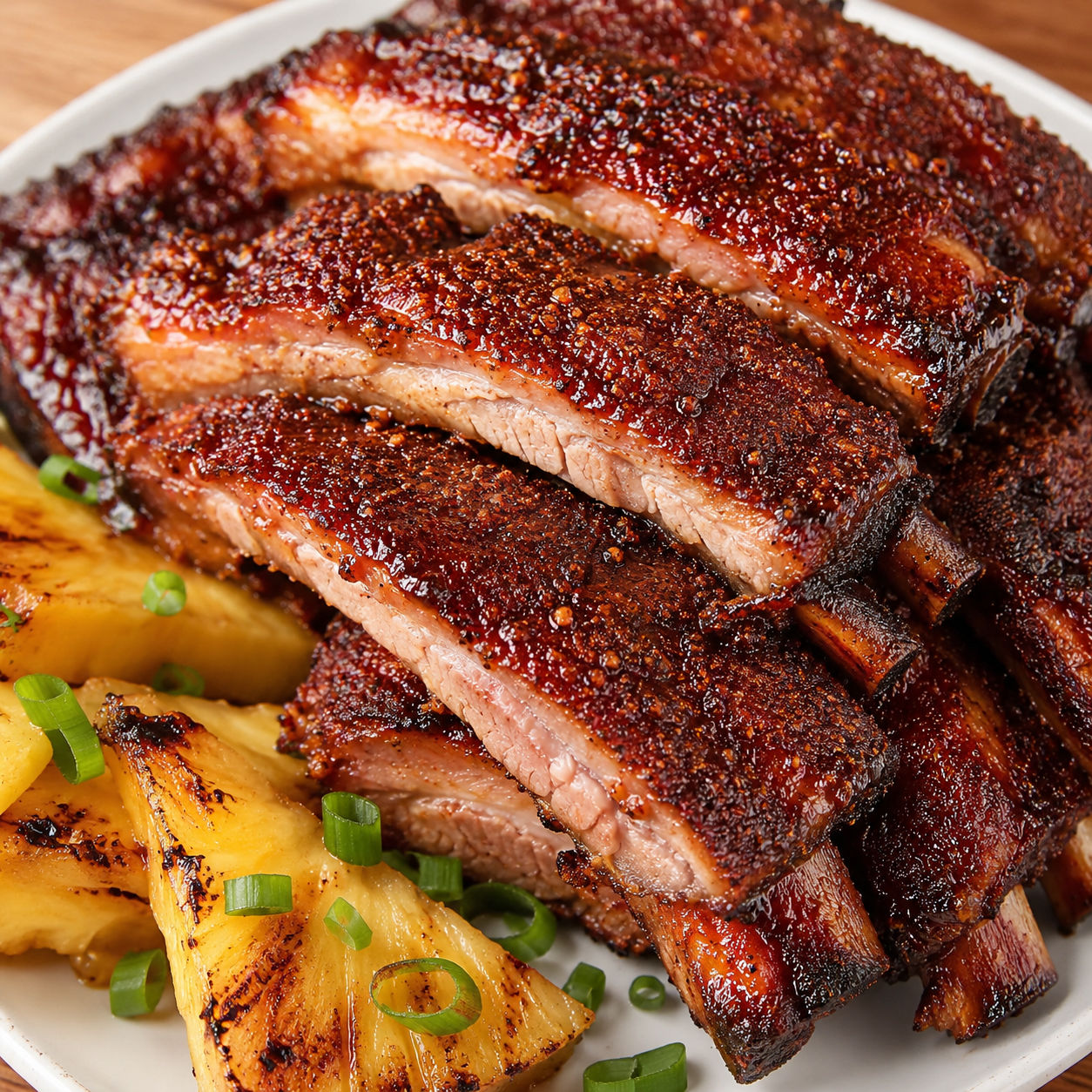
Hawaiian Rib Rub is the blend I reach for when ribs need more than plain smoke and salt. It has brown sugar for a glossy bark, ginger and cinnamon for warmth, and enough cayenne to keep the sweetness in check.
The flavor leans island-inspired without turning the ribs into candy. It works on baby backs, spare ribs, country-style ribs, chicken thighs, pork chops, and even pineapple skewers headed for the grill.
Island-Spiced Pantry Lineup
This rub is built from dry pantry spices, so freshness matters. If your smoked paprika smells flat or your ground ginger has lost its bite, replace it before mixing.
Use soft brown sugar with no hard lumps. It should blend into the spices and cling to the ribs instead of falling off in pebbles.
- Brown sugar. Helps the rib surface caramelize and gives the rub its sweet barbecue backbone.
- Kosher salt. Seasons the meat and pulls the flavors into the surface as the ribs rest.
- Black pepper. Adds a steady savory bite that balances the sugar.
- Smoked paprika. Brings color and a gentle smoke note, helpful even when you bake the ribs.
- Garlic powder. Gives the rub a round, savory base without adding moisture.
- Onion powder. Deepens the barbecue flavor and smooths out the sharper spices.
- Ground ginger. Adds the warm, bright note that makes the blend feel Hawaiian-inspired.
- Cayenne pepper. Keeps the rub lively. Use less for mild ribs.
- Cumin. Adds earthiness so the rub does not taste only sweet.
- Cinnamon and allspice. Add a quiet baking-spice warmth that works beautifully with pork and pineapple.
Mix Hawaiian Rib Rub Right
- Break up the sugar. Press any brown sugar lumps with the back of a spoon so the rub mixes evenly.
- Combine the spices. Stir the brown sugar, salt, pepper, smoked paprika, garlic powder, onion powder, ginger, cayenne, cumin, cinnamon, and allspice in a bowl until the color looks even.
- Dry the ribs. Pat the meat well with paper towels. A dry surface holds the seasoning better and builds a cleaner crust.
- Season generously. Sprinkle the rub over both sides of the ribs and massage it into the surface, using about 2-3 tablespoons per rack.
- Let it rest. Rest the seasoned ribs for at least 30 minutes, or refrigerate them for several hours before cooking.
- Cook low and steady. Grill, smoke, or bake until the ribs are tender. For food safety guidance, check the USDA safe temperature chart.
Why The Sugar Matters
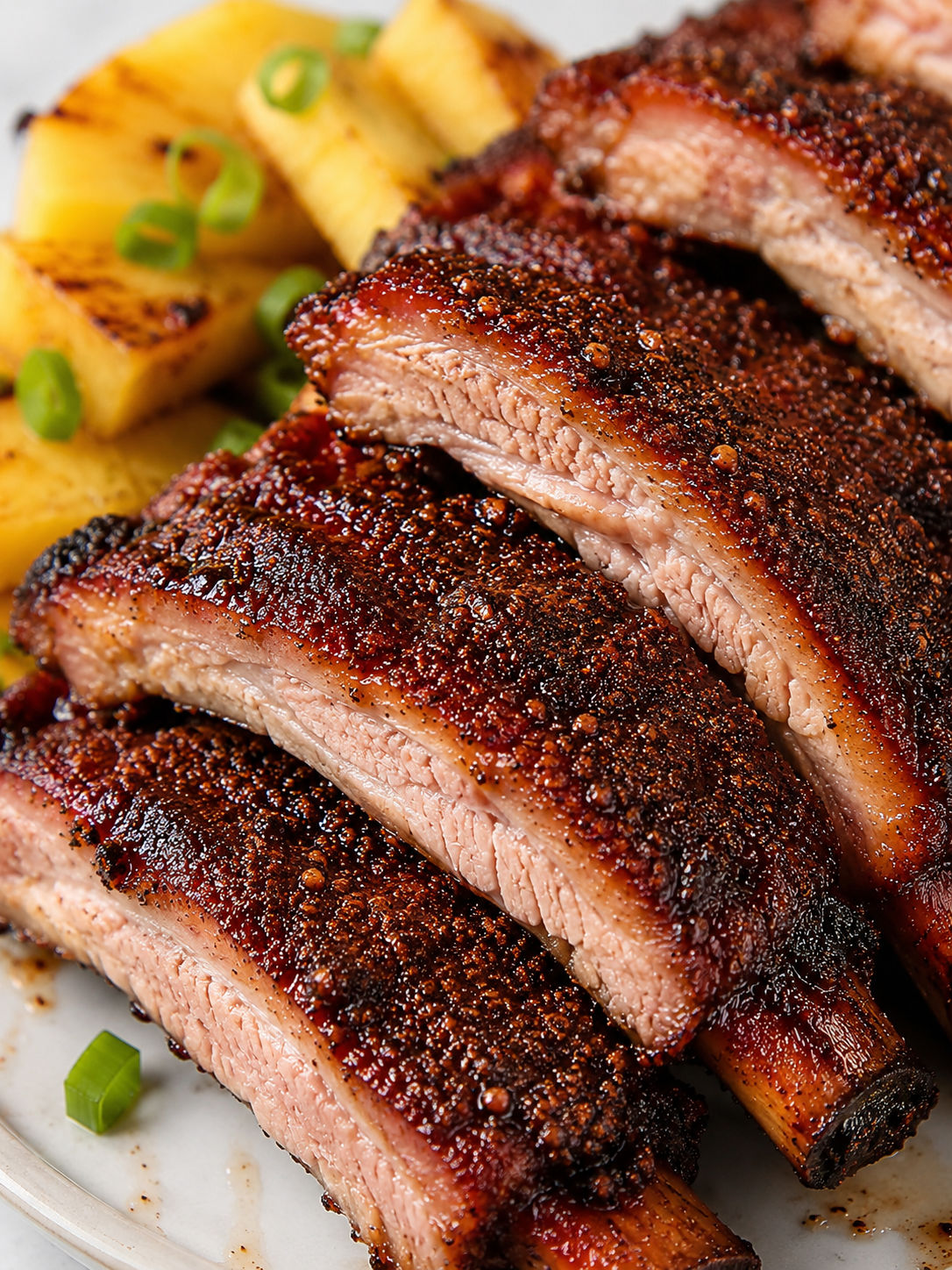
Brown sugar does more than make ribs sweet. It grabs smoke, darkens into a sticky bark, and helps the paprika bloom into a deep red crust. The tradeoff is that sugar needs gentler heat. If the grill is ripping hot, the rub can go from glossy to bitter fast.
For ribs, keep the heat low for most of the cook. Smoke or bake around 225-275°F until the meat is tender, then add sauce near the end if you want shine. This blend fits well with island-style barbecue flavors like the ones in Hawaiian Huli Huli Chicken, where sweet, savory, and ginger all work together.
Best Meat For This Rub
Pork ribs are the natural match, especially baby back ribs or St. Louis-style spare ribs. The fat in the meat softens the spices and keeps the sweet crust from tasting dry. Country-style ribs work too, though they cook more like pork shoulder than a rack of ribs.
The rub is also strong on chicken thighs, pork chops, and beef short ribs. If you are cooking beef, add a little extra black pepper and cut the cinnamon to a pinch. For a full rib meal later in the week, the same sweet-smoky profile would sit nicely beside a smoked beef rib burrito.
Rest Time And Texture
A quick 30-minute rest is enough for weeknight cooking. The salt starts working on the meat, the sugar gets tacky, and the rub stops falling off when you move the rack. If you have time, season ribs in the morning and cook them later in the day.
Do not wet the ribs heavily before seasoning. A thin brush of pineapple juice sounds tempting, but too much liquid turns the rub pasty and can soften the meat surface. Save pineapple juice or sauce for the wrap, glaze, or side dish. The ginger-pineapple idea is classic in many local-style rib recipes, including versions from Hawaiian Electric recipes.
Swaps For Your Pantry
If you want the rub milder, use 1/4 teaspoon cayenne and add a little more paprika. For a deeper molasses flavor, use dark brown sugar. Coconut sugar works, but it is a bit less sticky and less sweet, so the bark may look drier.
No smoked paprika? Use sweet paprika and cook over charcoal or add a small pinch of chipotle powder. You can also mix 1 tablespoon of this rub into softened butter and brush it onto Hawaiian Chicken Pineapple Kebabs during the last few minutes of grilling.
Storage That Keeps Flavor
Store the rub in a clean airtight jar away from heat and sunlight. It tastes best in the first month, but it will keep for about 3 months if your spices were fresh when you mixed it. Always spoon out what you need before touching raw meat.
If you want to make a bigger batch, double everything and label the jar with the date. The blend is useful beyond ribs. Try a pinch in barbecue sauce, sprinkle it on roasted sweet potatoes, or use it as a quick seasoning for Hawaiian BBQ Chicken Pizza.
Summary
Use this rub anywhere you want a sweet, smoky, lightly spicy barbecue crust with a little ginger warmth.
FAQs
- Can I use Hawaiian Rib Rub on chicken?
Yes. It is especially good on chicken thighs, drumsticks, and wings because the brown sugar browns well on the skin. Use about 1 tablespoon per pound and cook over indirect heat so the sugar does not scorch.
- Can I make this rub without brown sugar?
You can use coconut sugar or light muscovado sugar for a similar texture. For a less sweet rub, cut the brown sugar in half and add 1 extra teaspoon smoked paprika.
- How long should ribs sit with the rub?
Give ribs at least 30 minutes after seasoning. For deeper flavor, season them 4-12 hours ahead and refrigerate uncovered or loosely covered. Overnight works well, but use a lighter hand with salt if your ribs are thin.
- Why did my rub burn on the grill?
Brown sugar burns over high direct heat. Start ribs over indirect heat or smoke them low, then finish with a short hot glaze if you want char. If cooking chicken, move pieces away from flare-ups.
- Is this Hawaiian Rib Rub gluten-free?
The ingredients are naturally gluten-free when each spice is certified gluten-free. Check labels on spice blends and smoked paprika if you cook for someone with celiac disease, because cross-contact can happen during processing.
- What should I serve with ribs seasoned this way?
Serve them with macaroni salad, grilled pineapple, rice, slaw, or corn. The sweet-smoky crust also pairs nicely with tangy pickles and a sharp vinegar-based barbecue sauce.
