 Pin it
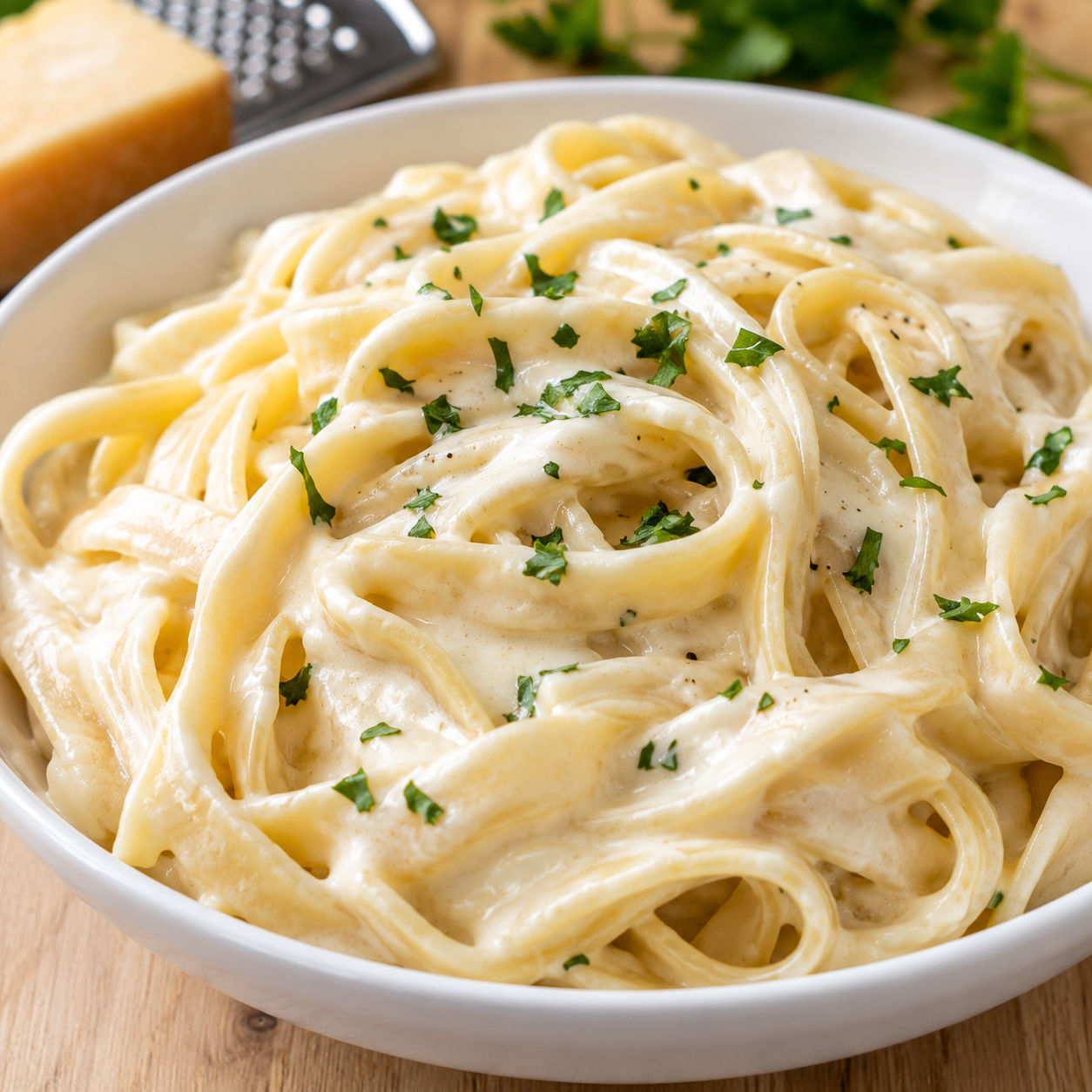
Copycat Olive Garden Alfredo Sauce is one of those recipes where small details matter. Freshly grated cheese melts cleanly, the garlic needs only a short sizzle, and the cream should bubble gently instead of boiling hard.
This version is rich, glossy, and built for fettuccine, but I also spoon it over chicken, roasted broccoli, and warm breadsticks. It tastes restaurant-style without relying on a jar or a packet.
Copycat Olive Garden Alfredo Sauce Staples
Good Alfredo starts with dairy that can handle heat. Use heavy cream, real butter, and cheese from a block, because the pre-shredded kind can melt gritty.
White pepper keeps the sauce pale and smooth looking. Black pepper works too, but you will see the flecks.
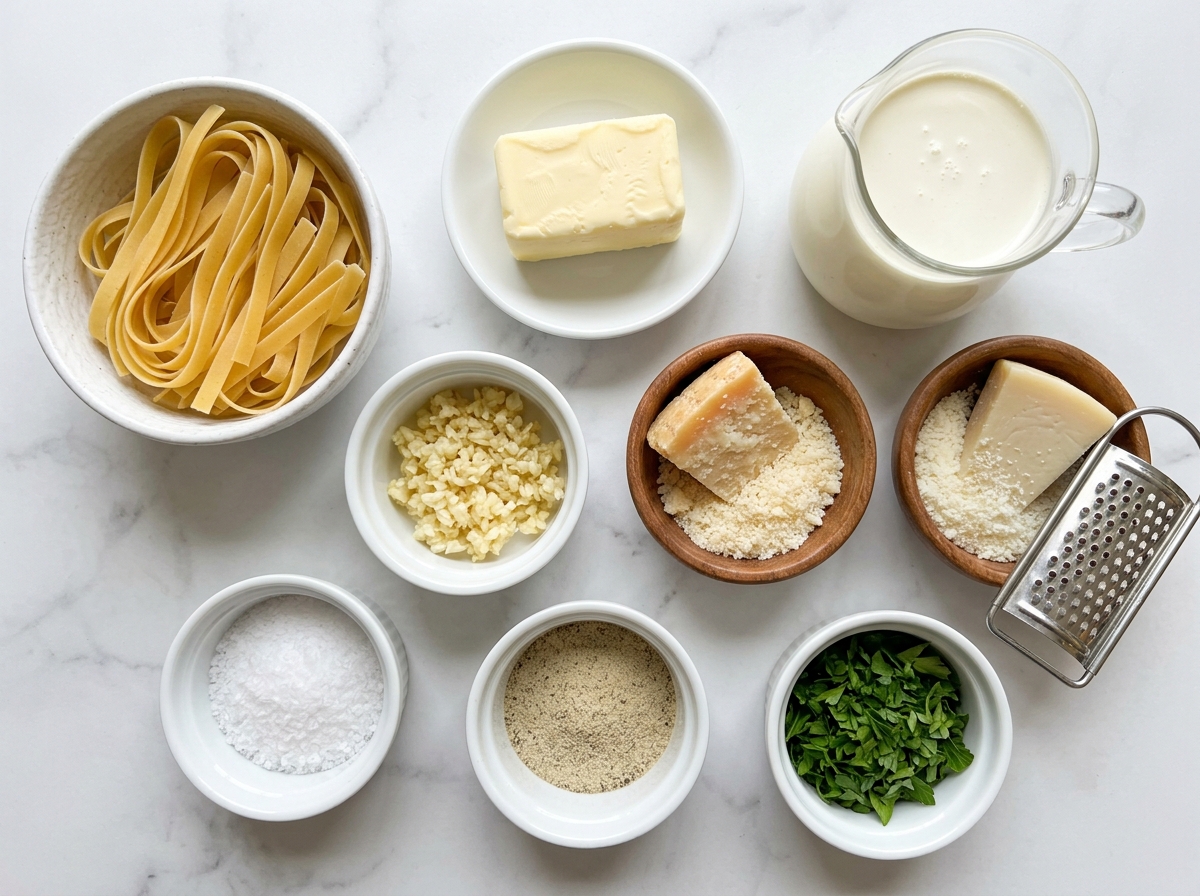
- Fettuccine. Wide ribbons hold the thick cream sauce and give the dish its classic restaurant feel.
- Unsalted butter. Gives the sauce body and lets you control the salt once the cheese goes in.
- Fresh garlic. Adds warmth without needing garlic powder. Cook it gently so it smells sweet, not sharp.
- Heavy cream. Creates the rich base and reduces into a sauce that coats pasta well.
- Parmesan cheese. Melts into the cream and brings nutty, savory depth.
- Romano cheese. Adds a sharper bite that helps the sauce taste more like a restaurant copycat.
- Kosher salt. Balances the cream and pasta water, but add it carefully because the cheese is salty.
- White pepper. Gives gentle heat without dark specks in the sauce.
- Parsley. Freshens the finished bowl and gives the pale sauce a little color.
From Cream To Glossy Sauce
- Cook the pasta. Boil fettuccine in well-salted water until al dente. Save one cup of pasta water before draining.
- Warm the garlic. Melt the butter in a wide skillet over medium heat. Add the garlic and cook for 30-45 seconds until fragrant.
- Simmer the cream. Pour in the heavy cream and bring it to a gentle bubble. Cook for 3-4 minutes, whisking often, until slightly thicker.
- Add the cheese. Lower the heat, then pull the pan off the burner. Whisk in Parmesan and Romano by handfuls until smooth.
- Toss the pasta. Add drained fettuccine and toss until coated. Splash in pasta water as needed until the sauce looks loose and glossy.
- Finish and serve. Taste for salt and white pepper. Sprinkle with parsley and serve right away while the sauce is creamy.
Why Fresh Cheese Matters
The fastest way to ruin Alfredo is to use cheese that refuses to melt. Bagged shreds and shelf-stable grated cheese often contain starches that keep pieces separate. Those starches can leave tiny bits in the sauce, especially when the cream is hot.
Grate the cheese on the small holes of a box grater or use a rasp-style grater. It should look fluffy and fine. Add it off the heat, one handful at a time, and whisk until each addition disappears before adding more. That slower pace is what gives Copycat Olive Garden Alfredo Sauce its glossy pull instead of a chalky finish.
How Close Is The Copycat
Olive Garden-style Alfredo is richer than classic Roman fettuccine Alfredo, which relies on butter, cheese, and pasta water. The American restaurant version leans into cream and garlic. I used that as the target after checking long-running copycat versions like CopyKat's Olive Garden Alfredo sauce, then kept this recipe simple enough for a weeknight.
The Romano is the small twist I like. It sharpens the sauce so the cream does not taste flat. If you already love Ultimate Alfredo Pasta, this sauce gives you the same cozy base to use across more meals.
Ways To Use The Sauce
Fettuccine is the obvious move, but the sauce is useful beyond one bowl of pasta. Spoon it over grilled chicken, roasted asparagus, baked potatoes, or cheese tortellini. It also makes a quick base for casseroles when you want creaminess without opening a canned soup.
For a full dinner, add sliced chicken and steamed broccoli, or borrow the idea from Homemade Chicken Alfredo Pasta. If you want a lighter bowl, toss a smaller amount of sauce with pasta and fold in peas or spinach at the end.
Make-Ahead And Leftovers
Alfredo is best right after it is made, but leftovers can still be good if you store the pasta and sauce separately. The USDA recommends using refrigerated leftovers within a few days, and their leftovers food-safety guide is a useful reference for timing.
Reheat the sauce in a small pan over low heat. Add a splash of cream or milk and whisk slowly. Do not microwave it on high, because the cheese can seize and the butter can pool around the edges.
What To Serve Alongside
This sauce is rich, so I like something green or brothy on the table. Olive Garden Minestrone Soup works well because the vegetables and tomato broth cut through the cream. Garlic bread is welcome too, especially if you make extra sauce for dipping.
If you want a sauce night without pasta, pair this with chicken cutlets and a simple salad. For another creamy garlic option, keep Garlic White Sauce in mind for pizza, vegetables, or breadsticks.
FAQs
- Can I make Copycat Olive Garden Alfredo Sauce without Romano cheese?
Yes. Use all Parmesan if that is what you have. Romano adds a sharper, saltier edge that feels closer to a restaurant sauce, so taste before adding extra salt.
- Why did my Alfredo sauce turn grainy?
The cheese was likely added over heat that was too high, or it was pre-grated cheese with anti-caking starch. Take the pan off the heat and whisk in freshly grated cheese by handfuls.
- Can I use milk instead of heavy cream?
Milk makes a thinner sauce and is more likely to separate. If you need to lighten it, use half cream and half whole milk, then simmer a little longer before adding the cheese.
- How long does homemade Alfredo sauce keep?
Store the sauce in an airtight container in the refrigerator for up to three days. Reheat it slowly on the stove with a splash of cream or milk, whisking until smooth.
- Is this Alfredo sauce gluten-free?
The sauce itself has no flour. Serve it with gluten-free pasta or vegetables if you need a gluten-free meal. Regular fettuccine contains wheat.
- What can I serve with Olive Garden Alfredo sauce?
It is classic with fettuccine, grilled chicken, shrimp, broccoli, or breadsticks. A green salad or minestrone keeps the meal from feeling too heavy.
