 Pin it
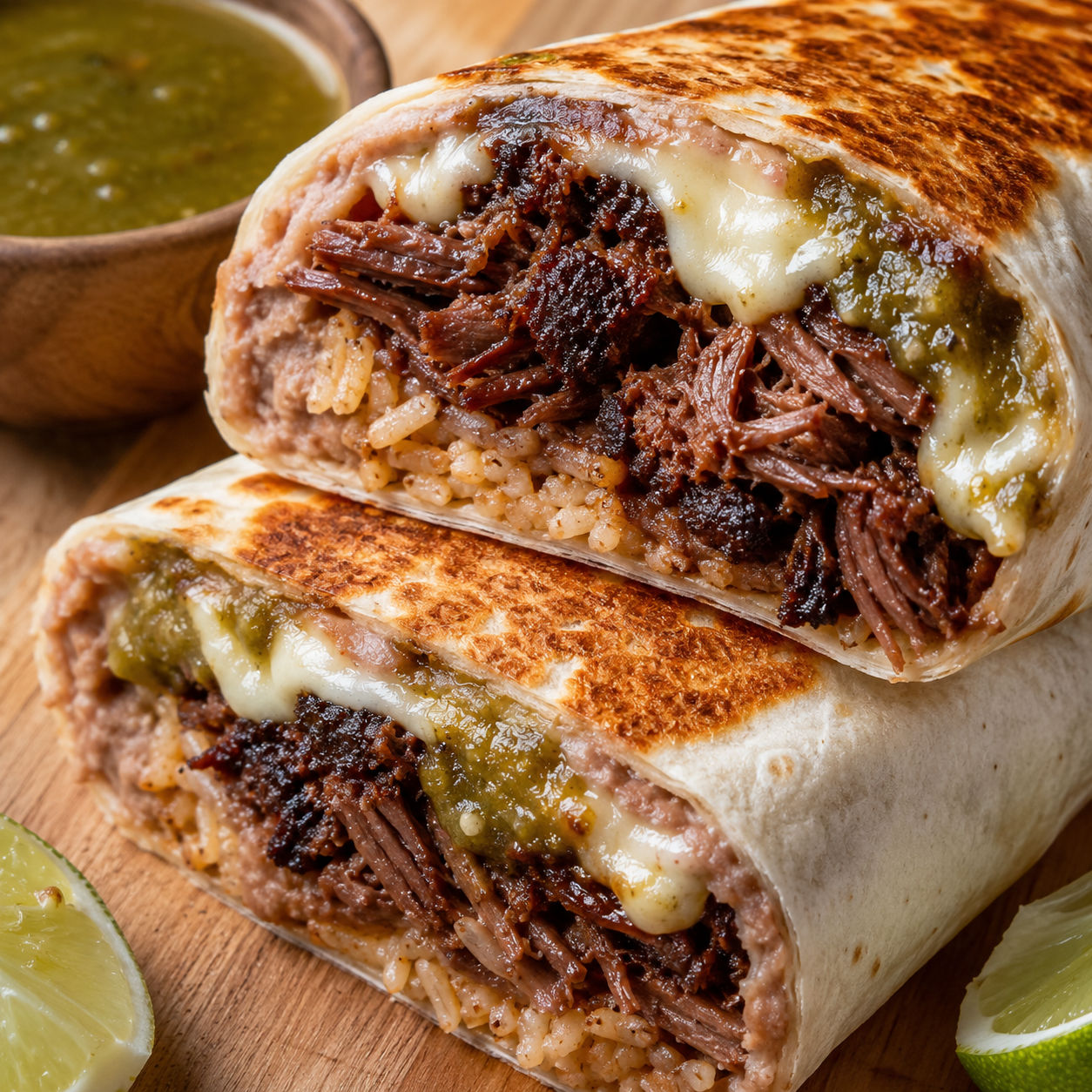
Slow-Smoked Beef Ribs with Salsa Verde and Cheese in a Burrito is the kind of meal that makes sense after a long smoke. The ribs come off the pit rich, peppery, and soft enough to pull apart with your fingers.
The salsa verde keeps the burrito from feeling heavy. It cuts through the beef fat with roasted tomatillos, lime, and cilantro, while the cheese melts into the rice and beans so every bite holds together.
The Smoky Burrito Lineup
Use meaty beef plate ribs or a thick short rib slab with good marbling. The rest of the filling should be warm before assembly so the cheese melts before the tortilla gets too dark.
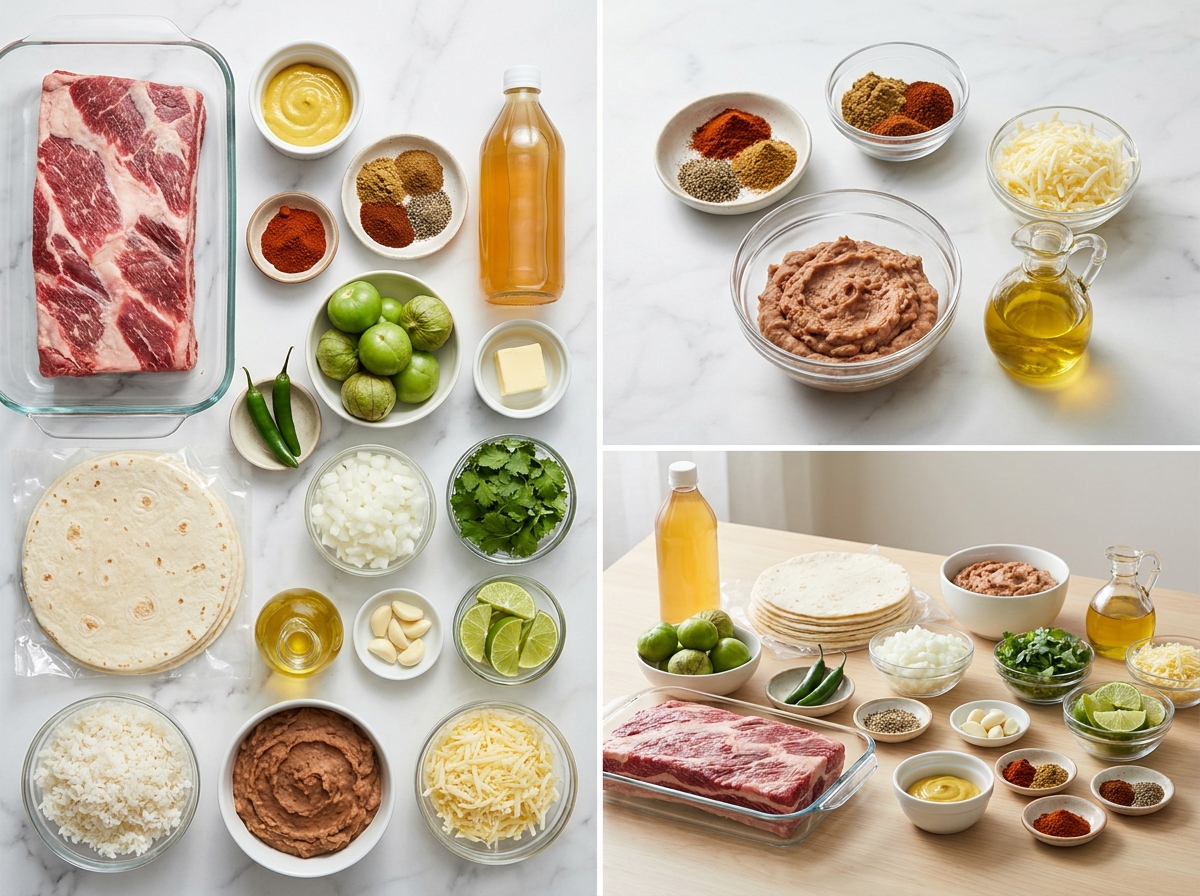
- Beef ribs. They bring deep smoke, bark, and enough fat to keep the burrito juicy.
- Mustard binder. Helps the seasoning grip the meat without leaving a sharp flavor.
- Chile-spice rub. Builds a peppery crust that still tastes good once shredded.
- Apple cider vinegar. Adds light moisture during the smoke and keeps the bark from drying too fast.
- Tomatillos. The base of the salsa verde, tart and bright after roasting.
- Serrano chile. Gives clean heat. Use jalapeño for a gentler salsa.
- Cilantro and lime. Freshen the salsa and balance the rich beef.
- Flour tortillas. Large burrito-size tortillas roll around the heavy filling without cracking.
- Refried beans and rice. Make the filling hearty and help catch the juices.
- Monterey Jack cheese. Melts smoothly into the beef, beans, and salsa.
Smoke, Shred, Wrap, Toast
- Season the ribs. Trim any loose fat, coat the ribs lightly with mustard, then press the spice rub into every side. Let them sit while the smoker comes to temperature.
- Smoke low and steady. Set the smoker to 250°F. Cook the ribs bone-side down with steady smoke, spritzing lightly after the bark starts to set.
- Wrap until tender. When the bark is dark and the ribs are around 170°F, wrap with a little butter or beef tallow. Keep cooking until a probe slides in with almost no resistance.
- Roast the salsa vegetables. Char tomatillos, onion, garlic, and serrano until softened and spotted. Blend with cilantro, lime, and salt.
- Shred the beef. Rest the wrapped ribs, pull out the bones, and shred the meat with a little of the rendered juices.
- Build the burritos. Layer beans, rice, beef, salsa verde, and cheese down the center of each warm tortilla. Roll tightly.
- Toast to finish. Place each burrito seam-side down on a hot griddle until golden, then turn and toast the second side.
Slow-Smoked Beef Ribs Burrito Timing
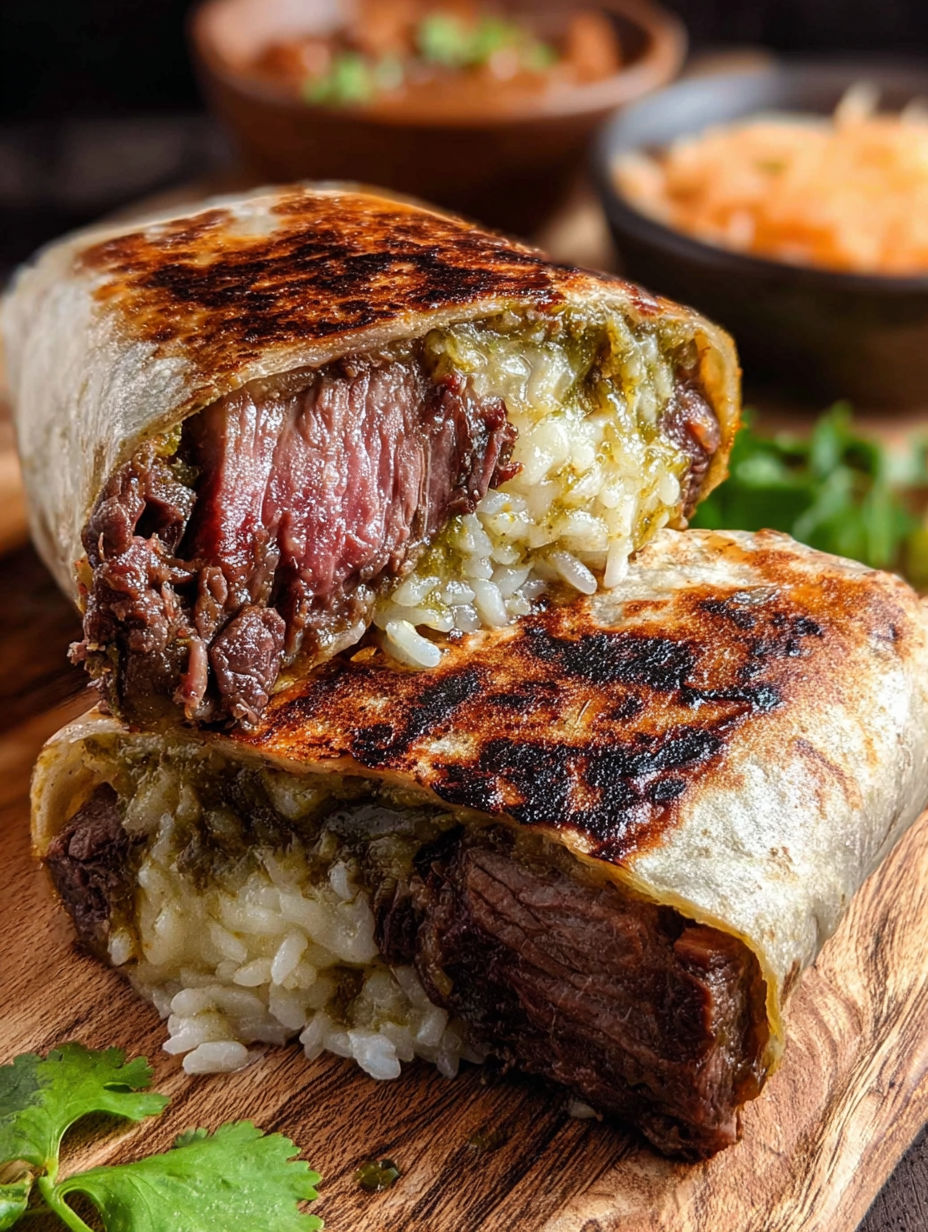
The biggest mistake is rushing the ribs because the thermometer looks close. For burritos, you want shreddable meat, not just cooked beef. A thick beef rib can take 6 to 7 hours at 250°F, and the rest matters. Keep the ribs wrapped for at least 45 minutes after smoking. That pause lets the juices settle back into the meat, which means the filling tastes rich instead of dry.
Use temperature as a guide, then trust the probe. The USDA safe temperature chart lists 145°F for beef safety, but barbecue tenderness happens much later because the collagen needs time to soften. For smoking safety basics, the USDA smoking guide is a useful reference.
Salsa Verde Keeps It Bright
Smoked beef ribs are big and rich, so the salsa needs real acid. Roast the tomatillos until they slump and blister, then blend them with lime and cilantro while they are still warm. That gives the salsa a softer edge than raw tomatillos but keeps the green bite. If you like salsa verde dinners, the same sharp flavor works in chicken enchiladas with salsa verde and grilled salsa verde chicken.
Start with one serrano. Add a second only if you know your crowd wants heat. Cheese and beans will calm the spice a little, but not enough to rescue a salsa that is too hot.
How To Build A Better Wrap
Warm tortillas are not optional. A cold tortilla splits at the sides, especially with a heavy smoked filling. Heat each one on the griddle for 20 to 30 seconds per side, then fill it while flexible. Spread the beans first, then rice, then beef. The beans act like glue and the rice catches the salsa.
Keep the salsa in the middle, not at the edges. Too much wet salsa near the fold makes the burrito leak before the cheese melts. For a crisp finish like an easy grilled cheese burrito, toast seam-side down first and press gently with a spatula.
Smart Swaps And Shortcuts
No plate ribs? Smoked chuck roast or leftover brisket can stand in. The flavor will be different, but the burrito still works as long as the beef is juicy and shreddable. If you want a chicken version with a similar smoky green chile mood, try the smoked chicken green chile burrito.
For the cheese, Oaxaca gives the best pull, Monterey Jack is easiest to find, and pepper Jack adds heat without changing the method. Canned refried beans are fine here. Warm them with a splash of water or broth so they spread easily instead of tearing the tortilla.
Storage And Reheating
Store the shredded beef, salsa, rice, and beans separately when you can. The beef keeps for 4 days in the fridge and reheats best in a covered skillet with a spoonful of broth or saved cooking juices. The USDA safe temperature chart recommends reheating leftovers to 165°F, which is easy to check in the center of the beef.
Assembled burritos keep for 2 days, wrapped tight in foil. Reheat them in a 350°F oven until hot, then unwrap and crisp them on a dry skillet. The microwave works in a pinch, but the tortilla turns soft.
Summary
This burrito is built for a weekend smoke, but the assembly is quick once the ribs are done. Keep the beef juicy, warm the fillings, and toast the wrapped burritos seam-side down.
FAQs
- What temperature should beef ribs reach for shredding?
For sliced beef ribs, doneness can be lower, but shredded burrito meat needs more time. Aim for probe-tender meat around 203°F to 208°F, then rest the ribs so the juices settle before pulling.
- Can I use leftover smoked beef ribs?
Yes. Leftover ribs are ideal here. Warm the shredded beef gently with a spoonful of broth or saved juices so it stays moist before you build the burritos.
- What cheese melts best in this burrito?
Monterey Jack, Oaxaca, or pepper Jack all melt well and fit the salsa verde flavor. Cheddar works too, but it has a stronger flavor and can feel heavier with the beef.
- Can I make the salsa verde ahead?
You can make it up to 3 days ahead and keep it covered in the fridge. The lime will brighten as it sits, so taste before serving and add a pinch of salt if it tastes flat.
- How do I keep the burrito from falling apart?
Do not overfill the tortilla. Keep the fillings warm, fold the sides in firmly, roll tight, and toast seam-side down first so the wrap seals before you flip it.
- Can this be gluten-free?
Yes, but you need large gluten-free tortillas that are flexible enough to roll. Warm them first and use a little less filling because many gluten-free wraps tear more easily than flour tortillas.
