 Pin it
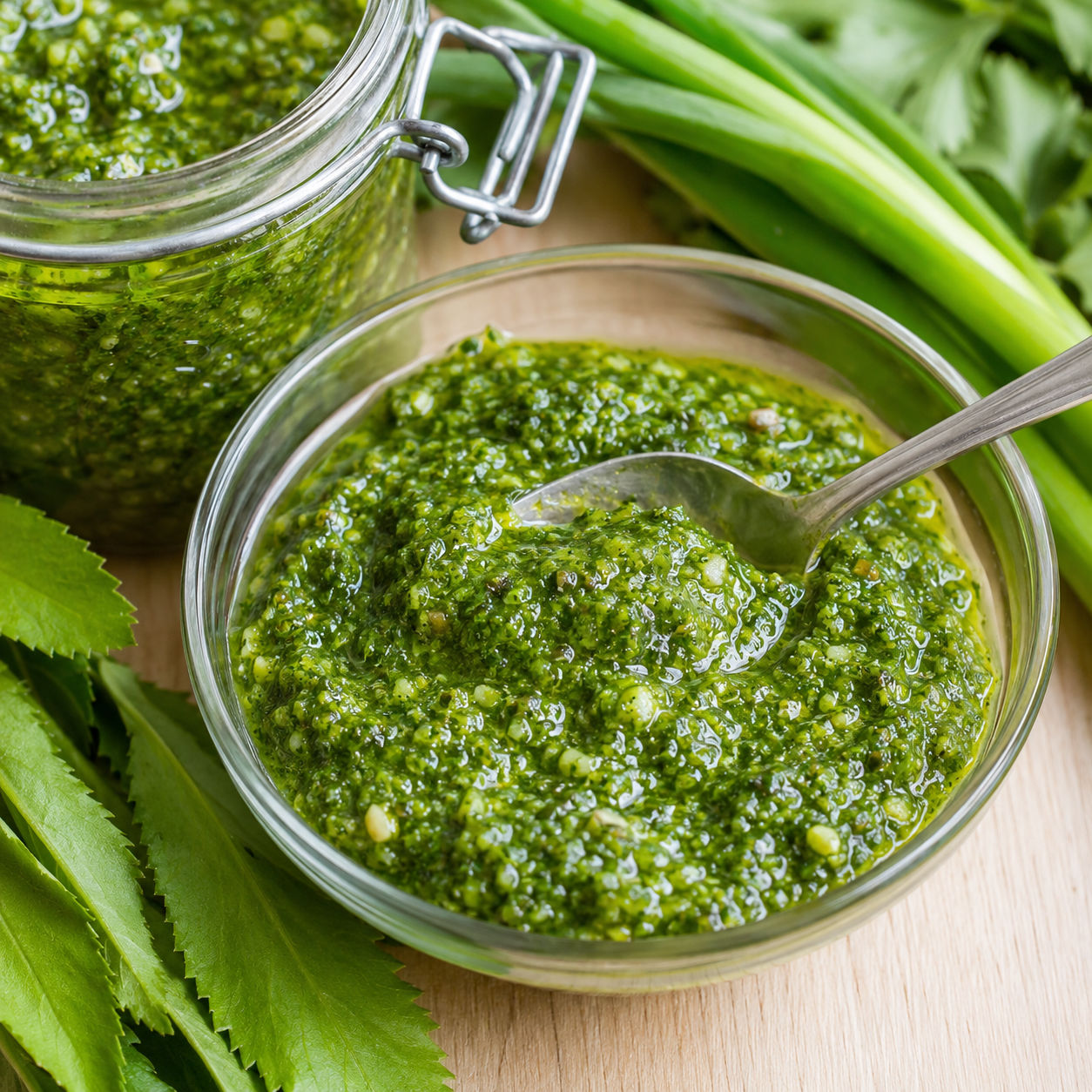
Authentic Caribbean Green Seasoning is the jar I want in the fridge before I start cooking chicken, fish, rice, beans, or a stew. It smells sharp and fresh the second the blender starts, with garlic, thyme, scallions, and culantro doing most of the heavy lifting.
This version leans Trinidad-style with chadon beni, also called culantro or shado beni, plus pimento peppers for fragrance instead of heavy heat. If you cannot find them, the recipe still works with cilantro and a green bell pepper.
The texture should be thick enough to cling to meat but loose enough to spoon. Keep it simple and you can adjust salt, acid, and heat when you cook.
Authentic Caribbean Green Seasoning Staples
Use the freshest herbs you can find, because this is a raw blend and tired herbs taste flat fast. Culantro gives the deepest flavor, but cilantro makes a good backup when the market is limited.
- Culantro. Gives the seasoning its bold, earthy Caribbean flavor. It is stronger than cilantro and worth using when you can find it.
- Cilantro. Adds fresh green brightness and helps balance the stronger herbs.
- Scallions. Bring a clean onion flavor that blends smoothly into marinades.
- Fresh thyme. Adds the woody, savory note that makes the seasoning taste cooked-in later.
- Garlic. Gives the paste body and a strong savory base.
- Onion and celery. Add moisture, sweetness, and aromatic depth.
- Pimento peppers. Give fruity pepper fragrance without much heat.
- Scotch bonnet. Adds heat if you want it. Use a small piece for a mild batch.
- Lime juice or vinegar. Helps the blender move and adds a little brightness.
Blend It Thick And Bright
- Wash and dry the herbs. Rinse the herbs well, especially culantro and thyme, then shake off as much water as you can so the seasoning stays concentrated.
- Rough chop everything. Cut the scallions, onion, celery, peppers, and herbs into short pieces so they blend evenly without overheating.
- Start with aromatics. Add onion, garlic, celery, peppers, lime juice or vinegar, and a tablespoon of water to the blender or food processor first.
- Add the herbs in batches. Pulse in the culantro, cilantro, parsley, scallions, and thyme until the mixture forms a thick green paste.
- Adjust the texture. Scrape down the sides and add only enough water to help the blades move. The seasoning should look spoonable, not watery.
- Jar and chill. Transfer to a clean jar, cover tightly, and refrigerate before using so the flavors settle.
Why Culantro Matters
Culantro is the herb that makes many Trinidad-style green seasoning blends taste unmistakable. It is not the same as cilantro. The leaves are long and sturdy, and the flavor is deeper, sharper, and more savory. Epicurious notes that Trinidadian green seasoning is often distinguished by shado beni, another name for culantro, and that cilantro can step in when needed. You can read their short reference recipe at Epicurious.
If your store carries culantro, buy it. West Indian, Latin, and Asian markets are the best places to look. If you only have cilantro, do not quit the recipe. Use a full bunch, keep the thyme generous, and let the scallions carry more of the base. This seasoning should serve your kitchen, not trap you in a scavenger hunt.
How To Use The Jar
Think of this as a starter flavor, not a finishing sauce. Rub it into chicken before grilling, stir it into browning meat, spoon it into beans, or add it to the pot before rice absorbs its liquid. It also works beautifully in saucy dinners like Caribbean Chicken with Flavored Rice and fish dishes such as Caribbean Brown Stew Salmon.
For marinades, start with 2 tablespoons per pound of protein. Add salt separately so you can control the dish. Fish and shrimp need only a short rest. Chicken, pork, and beef can sit longer. If you are making a curry or stew, cook the green seasoning in the oil for a minute before adding liquid. That quick sizzle softens the raw garlic bite and wakes up the thyme.
Heat, Acid, And Salt
Pimento peppers give green seasoning that warm pepper perfume without turning the whole jar spicy. Scotch bonnet is different. It is fruity, yes, but it is also hot enough to take over if you toss in a whole pepper without thinking. I like a thumb-size piece for a family-friendly batch, or none at all if the seasoning will be used in several dishes through the week.
Acid is personal. Lime juice tastes fresh but can push the seasoning toward a brighter marinade. Vinegar helps preservation and keeps the color lively. Water keeps the flavor neutral. If you plan to use this in authentic jerk sauce recipe or One Pot Caribbean Jerk Chicken & Rice, go easy on extra acid now and season the final dish later.
Storage That Keeps It Fresh
Use a clean jar and a clean spoon every time. That matters more than people think. Fresh herb pastes can spoil when crumbs, meat juices, or dirty utensils get into the jar. Refrigerate it right away and use it within about a week for the best color and flavor. For general cold storage habits, the official FoodKeeper guide is a useful reference.
For longer storage, freeze it. Ice cube trays are the easiest method because one cube is usually enough for a small pot of beans or rice. You can also freeze it flat in a zip-top bag and break off pieces as needed. The color will dull a bit, but the flavor stays useful for months.
Summary
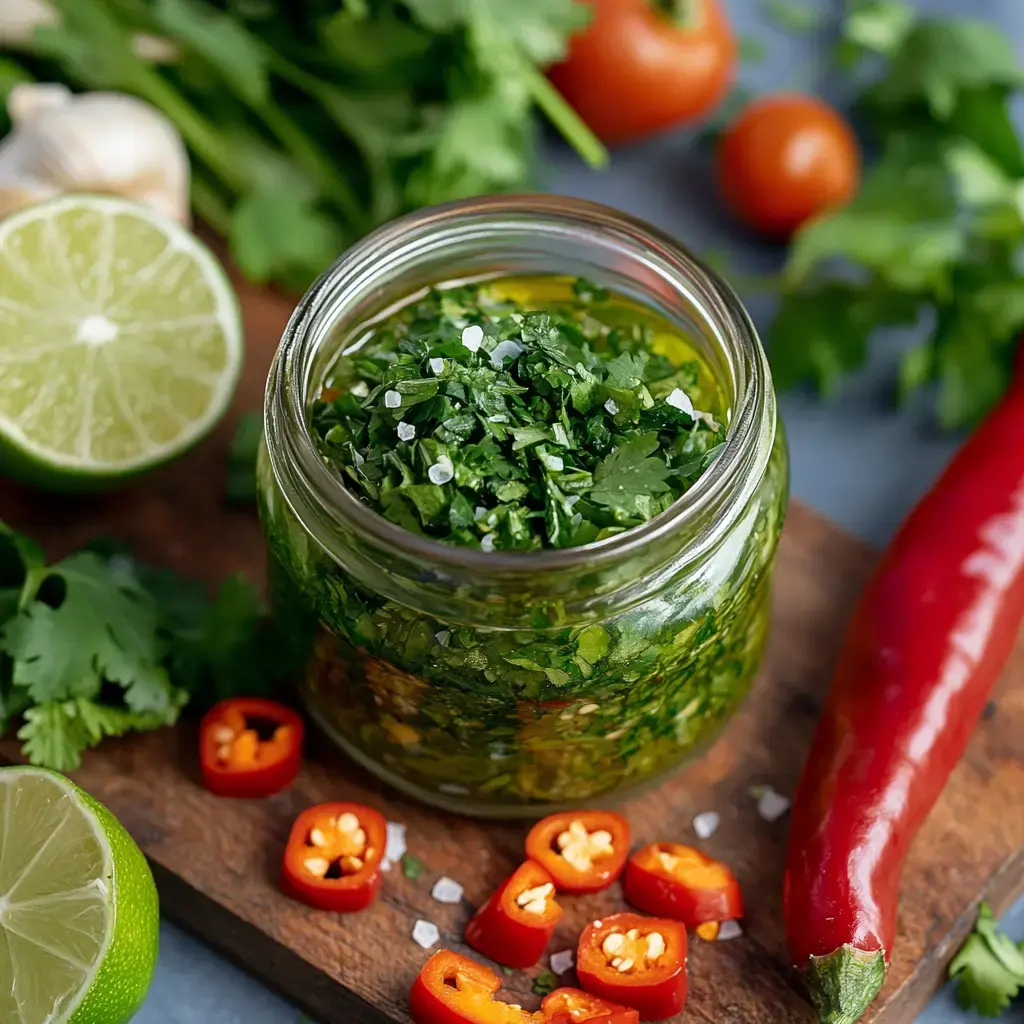
Keep a jar of this thick green herb paste ready for fast Caribbean flavor. Use it as a marinade, stew starter, rice seasoning, or freezer staple.
FAQs
- What is Caribbean green seasoning made of?
Most versions start with fresh green herbs, scallions, garlic, onion, thyme, and peppers. Trinidad-style blends often include culantro, also called chadon beni or shado beni, which gives the seasoning its deep herbal smell.
- Can I make green seasoning without culantro?
Yes. Use cilantro if culantro is not available, then add a little extra thyme and scallion to keep the flavor bold. It will taste slightly brighter and less earthy, but it will still season food well.
- How much green seasoning should I use as a marinade?
Use about 2 tablespoons per pound of chicken, beef, pork, fish, or tofu. For seafood, 15-30 minutes is enough. For chicken or tougher meats, 2 hours or overnight gives deeper flavor.
- How long does homemade green seasoning last?
Store it in a clean glass jar in the refrigerator for about 1 week. If you add vinegar and always use a clean spoon, it may last a little longer, but freeze extra portions if you will not use it quickly.
- Can I freeze Caribbean green seasoning?
Yes. Spoon it into ice cube trays, freeze until solid, then move the cubes to a freezer bag. Drop a cube into soups, stews, rice, beans, or curry straight from the freezer.
- Is green seasoning spicy?
It can be mild or hot. Pimento peppers and green bell pepper add fragrance without much heat. Scotch bonnet adds real fire, so start with a small piece if you are cooking for mixed spice levels.
