 Pin it
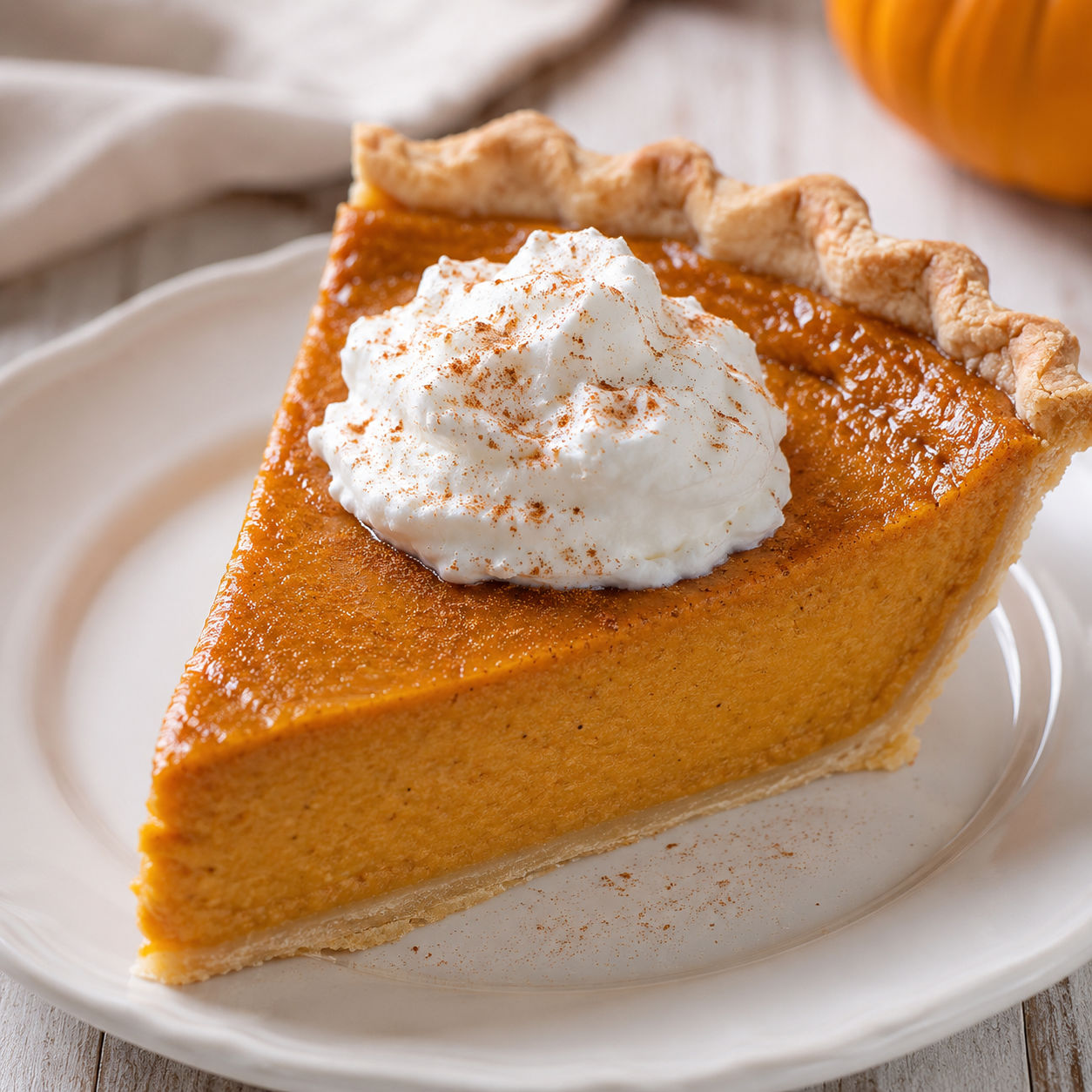
This is the pie I bring to every fall gathering, and it always disappears before the coffee is poured. The filling is silky and gently spiced, the crust stays flaky, and the whole thing comes together with a can of pumpkin and a few eggs you probably already have.
What makes this version worth keeping is the balance. It is not too sweet, not too heavy on the spice, and the filling bakes up smooth without cracking if you watch the timing. It is the pumpkin pie you want on your Thanksgiving table, but simple enough for a random Tuesday in October.
What fills the crust
A can of pure pumpkin puree and a handful of pantry spices do most of the work here. Buy the plain puree, not the pre-seasoned pie filling, so you control the sweetness and spice level yourself.
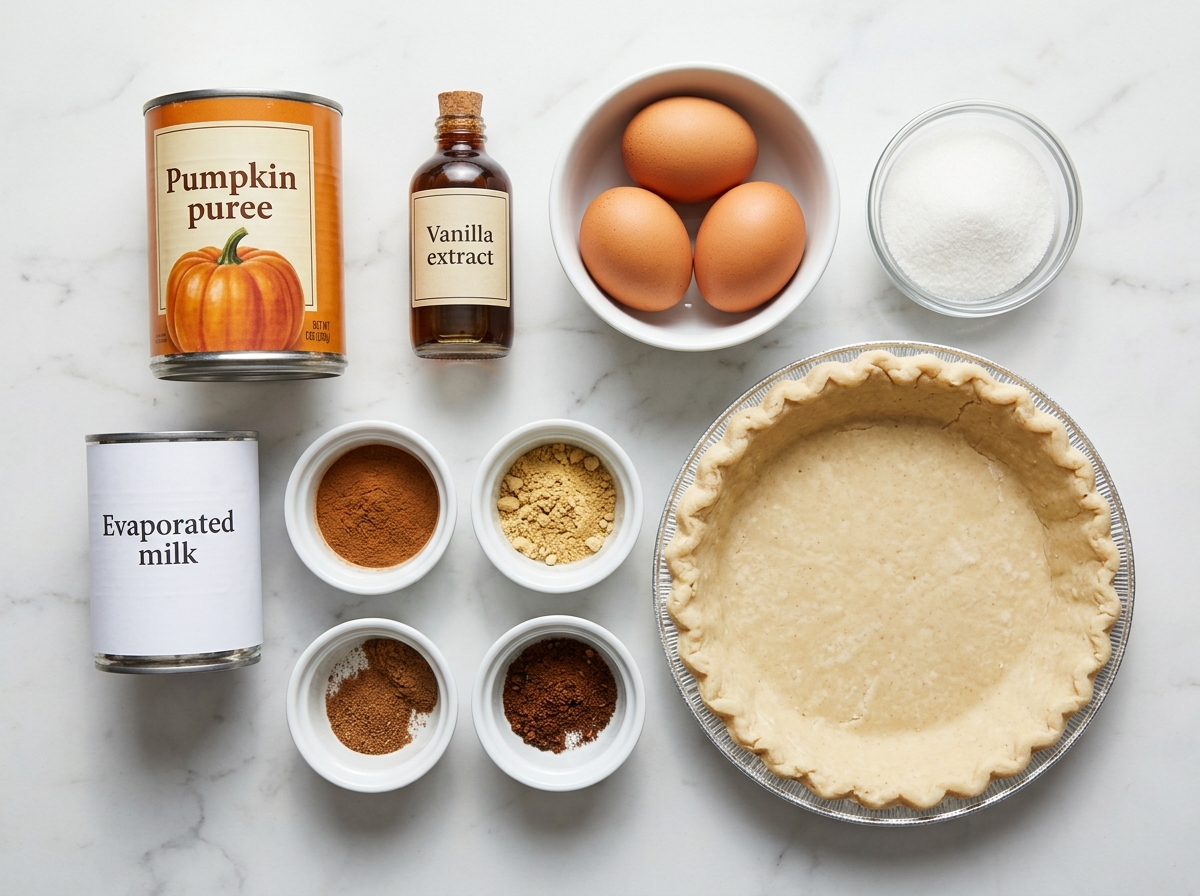
- Pumpkin puree. One standard can of plain puree gives the pie its color and body without any added sugar or spice.
- Evaporated milk. It creates a richer, denser custard than regular milk and helps the filling set cleanly.
- Eggs. Three large eggs bind the custard and give it structure without making it rubbery.
- Granulated sugar. Just enough to sweeten the earthy pumpkin without hiding it.
- Cinnamon, ginger, nutmeg, and cloves. The classic quartet. Together they add warmth and depth without tasting like potpourri.
- Unbaked pie crust. Homemade is wonderful, but a good store-bought crust saves time and still bakes up flaky.
How it bakes
- Preheat and prep. Set your oven to 425°F and slide a baking sheet onto the center rack. The hot surface underneath helps the bottom crust cook through instead of turning soggy.
- Mix the filling. Whisk the pumpkin puree, eggs, sugar, salt, and spices in a large bowl until smooth. Pour in the evaporated milk and vanilla and stir until the mixture looks like thick orange cream.
- Fill the shell. Pour the filling into the unbaked crust, stopping just below the crimped edge so it has room to expand without spilling over.
- Bake hot, then low. Bake at 425°F for 15 minutes, then reduce the heat to 350°F without opening the door. Continue baking for 35 to 45 minutes until the edges are set and the center wobbles like Jell-O.
- Cool completely. Let the pie rest on a wire rack for at least two hours. The residual heat finishes cooking the center and prevents the top from cracking.
Why the oven temperature matters
Starting the pie at a high temperature sets the edges quickly and helps the crust begin to brown before the wet filling has time to soak in. Dropping the heat after 15 minutes cooks the custard gently so it stays creamy and does not crack. If you bake it at one steady temperature the whole time, you risk either a burnt crust or an underdone center.
I place the pie directly on the preheated baking sheet for the whole bake. The extra heat from below is the easiest insurance against a soggy bottom without the fuss of blind baking. If you want another no-fuss dessert that uses the same sheet-pan trick, our pumpkin crisp baked dessert works the same way.
Swaps that still work
No evaporated milk? Heavy cream or half-and-half both work, though the slice will be slightly richer. You can also replace half the granulated sugar with brown sugar for a deeper caramel note. For a gluten-free version, swap in your favorite gluten-free pie crust. The filling itself is naturally gluten-free.
If you are out of individual spices, use two teaspoons of store-bought pumpkin pie spice blend instead. And if you want a tangier finish, a little sour cream whisked into the filling adds complexity without changing the texture much. For a different take on pumpkin, try our old-fashioned pumpkin bars with cream cheese frosting.
Make ahead and store
Pumpkin pie is actually better after a day in the refrigerator. The flavors meld, the spices bloom, and the slices cut cleaner when the custard is cold. Bake it up to two days ahead, cool it completely, then cover it tightly with plastic wrap and refrigerate.
Leftovers keep for up to four days in the fridge. I reheat slices in a 300°F oven for about 10 minutes to revive the crust, though many people prefer it cold straight from the refrigerator with a morning coffee. If you need a pumpkin fix earlier in the day, our pumpkin baked oatmeal is a great breakfast option.
Serving it simply
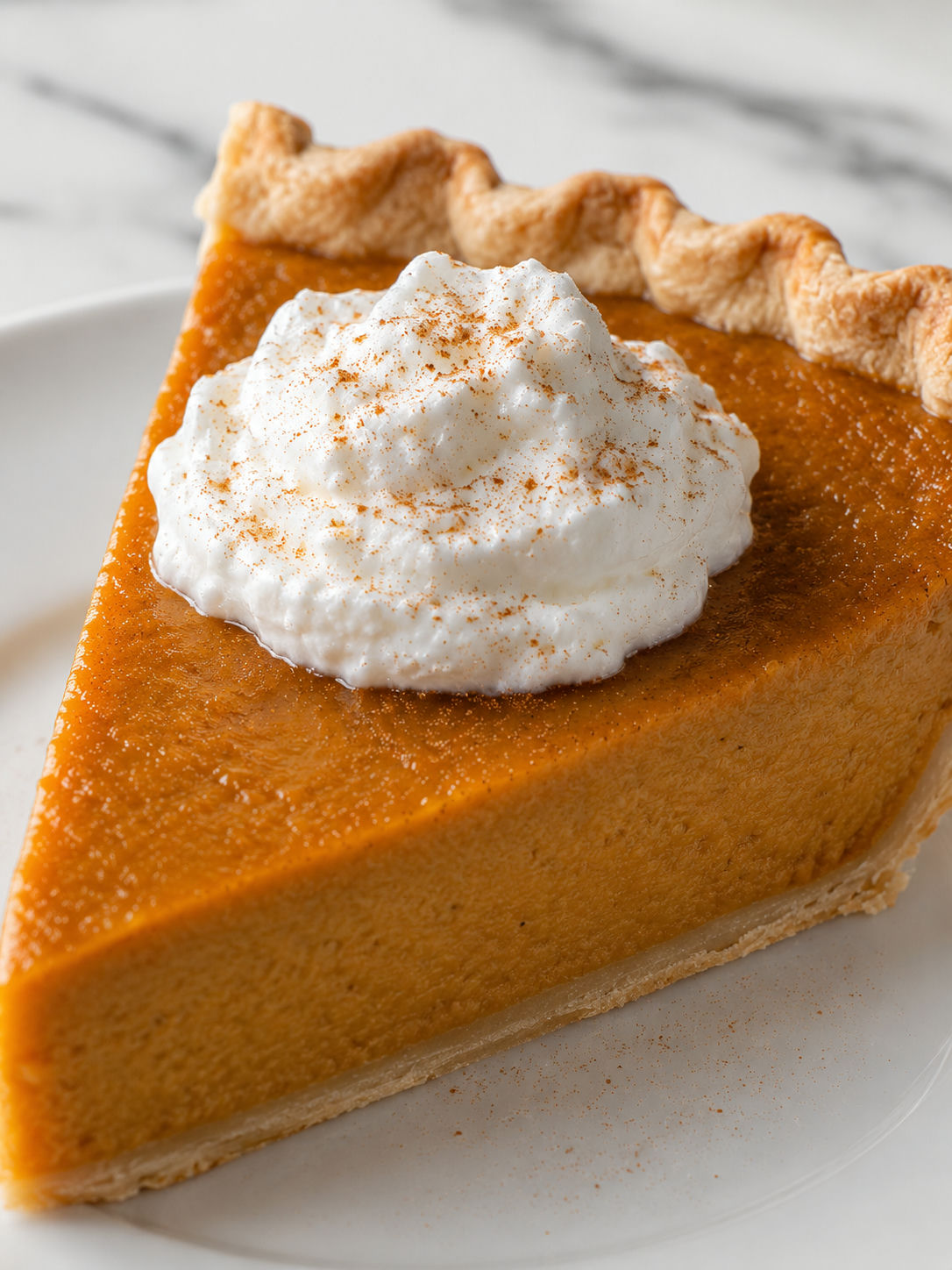
A slice of cold pumpkin pie with a cloud of lightly sweetened whipped cream is hard to beat. You can also add a sprinkle of cinnamon on top or a drizzle of salted caramel if you want to dress it up. For a festive spread, pair the pie with a batch of easy funny pumpkin floats to keep the theme going.

FAQs
- Can I use fresh pumpkin instead of canned?
Yes. Roast sugar pumpkins, scoop the flesh, and puree it until smooth. Drain it in cheesecloth if it seems watery, since excess moisture will thin the custard and extend baking time.
- How do I keep the crust from getting soggy?
Bake the pie on a preheated baking sheet to blast the bottom with heat from the start. You can also brush the unbaked crust with a thin layer of egg white before filling to create a seal.
- Can I make this dairy-free?
Use a dairy-free pie crust and swap the evaporated milk for full-fat coconut milk. The pie will have a very slight coconut flavor, but the texture stays creamy and the custard sets well.
- Why did my pumpkin pie crack on top?
It baked too long or cooled too fast. Remove the pie when the center still jiggles like Jell-O and let it cool gradually on a wire rack at room temperature.
- How long does pumpkin pie last in the fridge?
Cover it tightly and refrigerate for up to four days. Because it is a custard pie, it should not sit out at room temperature for more than two hours.
- Can I freeze pumpkin pie?
Yes. Cool it completely, wrap it tightly in plastic wrap and foil, and freeze for up to one month. Thaw overnight in the refrigerator rather than on the counter to prevent condensation from making the crust soggy.
