 Pin it
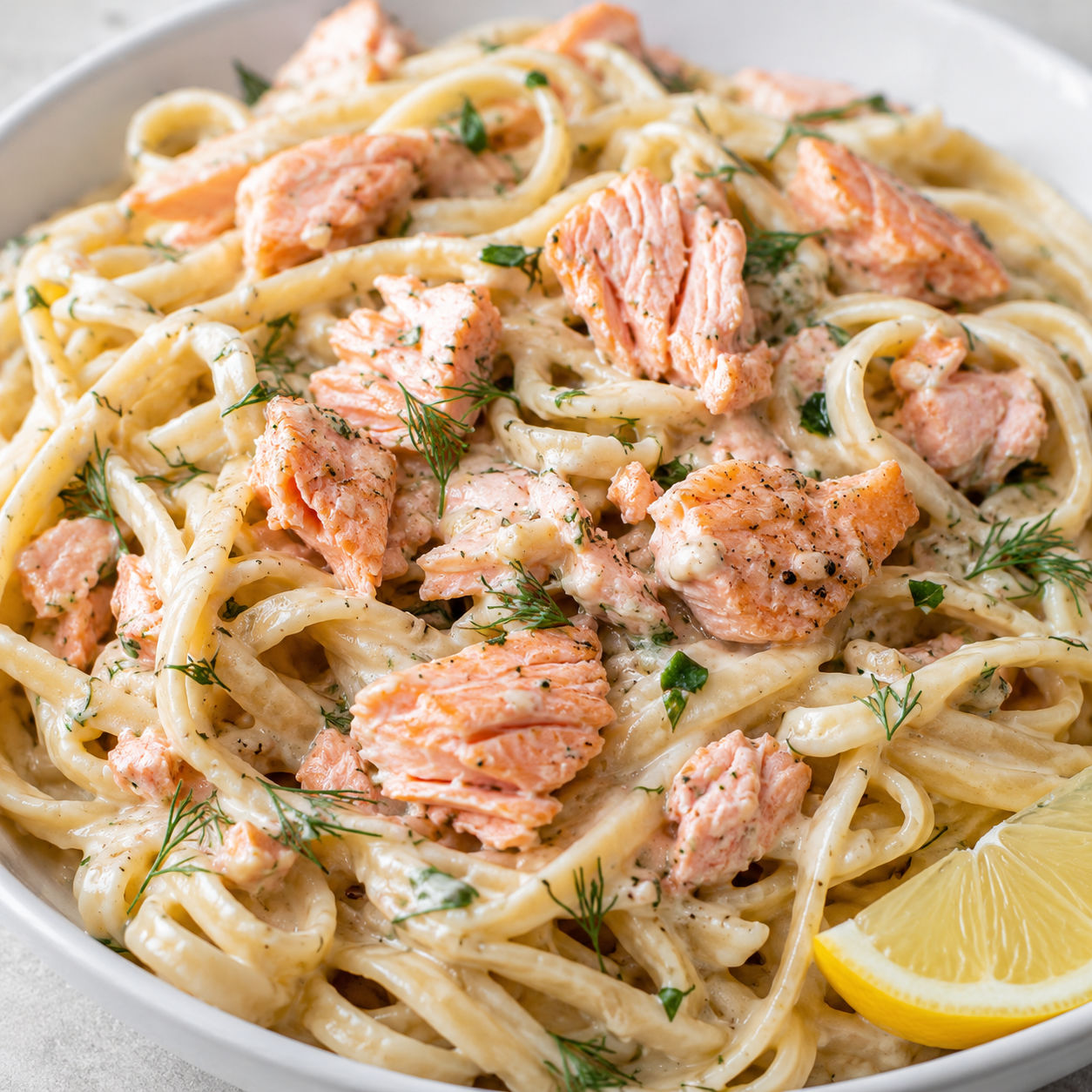
Easy Creamy Salmon Pasta is the kind of dinner that looks like you tried harder than you did. The salmon cooks fast, the sauce is simple, and the whole pan smells like garlic, lemon, and warm cream.
I like this with fettuccine because the ribbons catch the sauce without hiding the salmon. Keep the heat gentle once the cream goes in and save some pasta water. Those two details make the sauce glossy instead of heavy.
What Makes It Creamy
The sauce is built from garlic, cream, parmesan, lemon, and a little starchy pasta water. Use fresh salmon if you can, and grate the parmesan yourself so it melts smoothly.
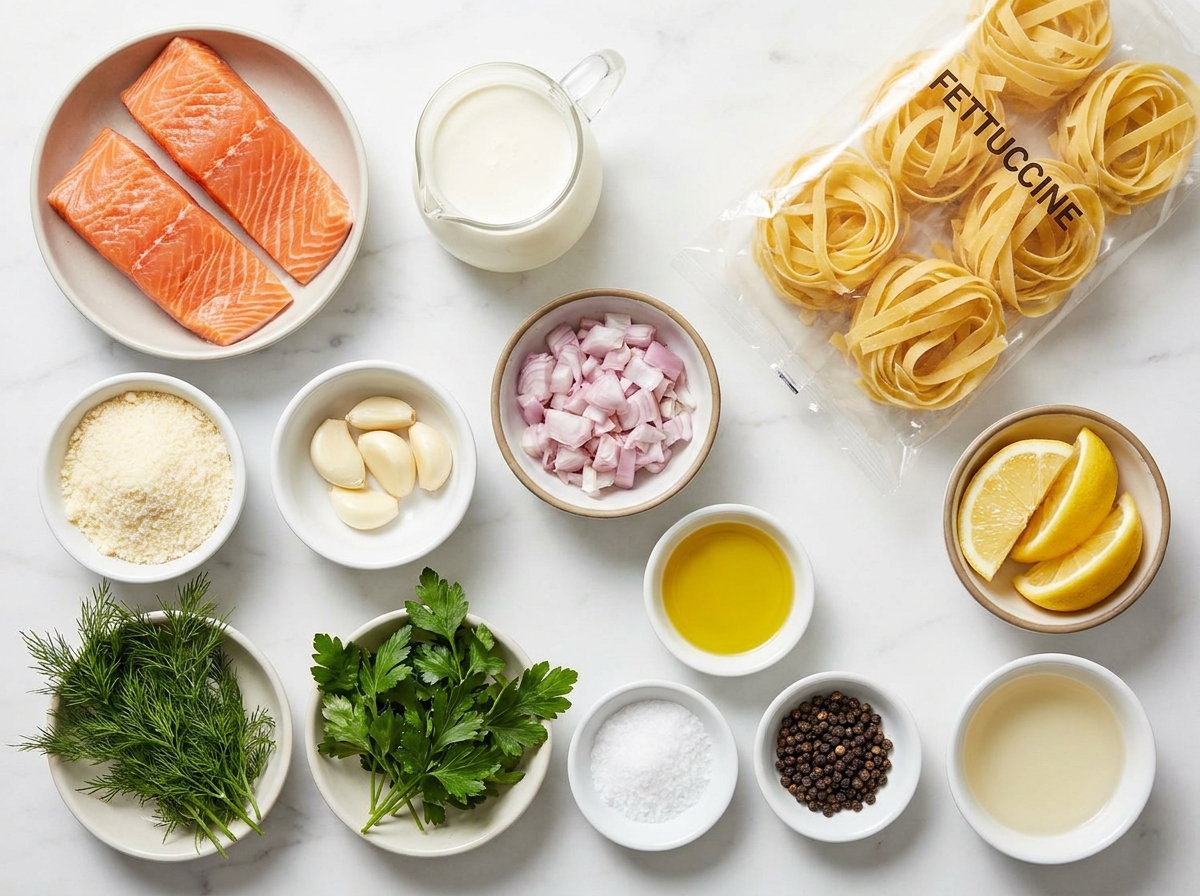
- Salmon fillets. They give the pasta rich flavor and tender flakes that make the dish feel generous.
- Fettuccine. The wide noodles catch the cream sauce and hold up well with chunks of fish.
- Heavy cream. It makes the sauce silky and stable when warmed gently.
- Parmesan. Freshly grated cheese adds salt, body, and a savory finish.
- Garlic and shallot. They form the quiet base of the sauce without overpowering the salmon.
- Lemon. Zest and juice cut through the richness and wake up the whole skillet.
- Dill and parsley. Fresh herbs keep the seafood flavor bright.
- Reserved pasta water. The starch helps the cream cling to the noodles instead of pooling in the pan.
Easy Creamy Salmon Pasta Method
- Boil the pasta. Cook fettuccine in well-salted water until just al dente. Reserve 1 cup of pasta water before draining.
- Sear the salmon. Pat the fillets dry, season them, and sear in olive oil until browned outside and flaky in the center. Transfer to a plate.
- Start the sauce. Lower the heat and cook shallot and garlic until soft and fragrant. Add wine or broth and let it reduce briefly.
- Add the cream. Stir in cream, lemon zest, and parmesan over low heat until smooth. Do not boil it hard.
- Toss the pasta. Add the drained pasta with a splash of reserved water and toss until the sauce coats the noodles.
- Fold in salmon. Break the salmon into large flakes and return it to the pan with herbs and lemon juice. Toss gently and serve right away.
Keep The Salmon Tender
Salmon goes from juicy to dry faster than most people expect. Pull it from the skillet when the thickest part flakes but still looks moist. The FDA seafood guide notes 145°F as the safe temperature for fish, and you can read more in the FDA seafood-safety guide. If you do not use a thermometer, press the center with a fork. It should separate into soft flakes. I keep the flakes large when they go back into the pasta because tiny pieces disappear into the sauce.
The Sauce Should Glide
A good creamy salmon pasta should coat the noodles, not sit like soup in the bottom of the bowl. Start with less pasta water than you think you need. Toss, wait a few seconds, then add more by the spoonful. The sauce thickens as the parmesan melts and the noodles release starch. If it gets too tight, loosen it with another splash. This same balance is what makes Salmon Fettuccine with Creamy Sauce feel rich without turning clumsy.
Smart Swaps For Weeknights
No fettuccine in the pantry? Use linguine, spaghetti, penne, or rigatoni. No wine? Use low-sodium chicken broth and add an extra squeeze of lemon at the end. For a brighter version, borrow the dill and lemon direction from Lemon Dill Salmon Pasta. For a richer, tomato-kissed skillet, Creamy Tuscan Salmon Pasta is a good next stop. You can also fold in a handful of baby spinach with the hot pasta. It wilts quickly and adds color without changing the method.
Serving And Leftovers
Serve this pasta as soon as it is tossed. Cream sauces are at their best while hot and glossy. A crisp salad or steamed green beans keeps the plate from feeling too heavy. Leftovers are still good, but they need gentle heat. Warm them in a skillet over low heat with a splash of milk, cream, or water. Stir slowly until the sauce relaxes. The microwave works in short bursts, but it can dry the salmon if you let it run too long.
FAQs
- Can I use frozen salmon for creamy salmon pasta?
Yes. Thaw it overnight in the fridge, then pat it very dry before seasoning. Extra moisture makes the salmon steam and can water down the sauce.
- What pasta shape works best?
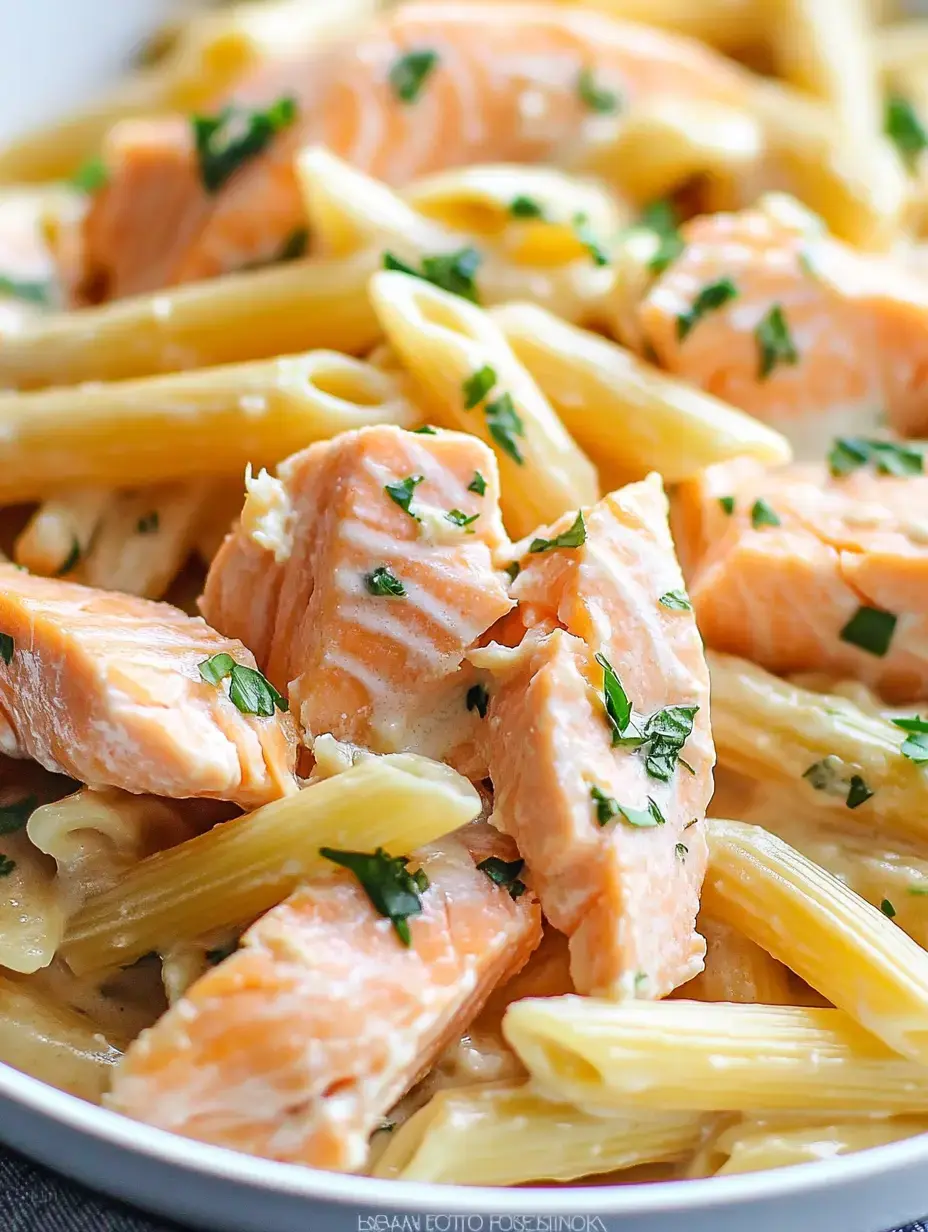
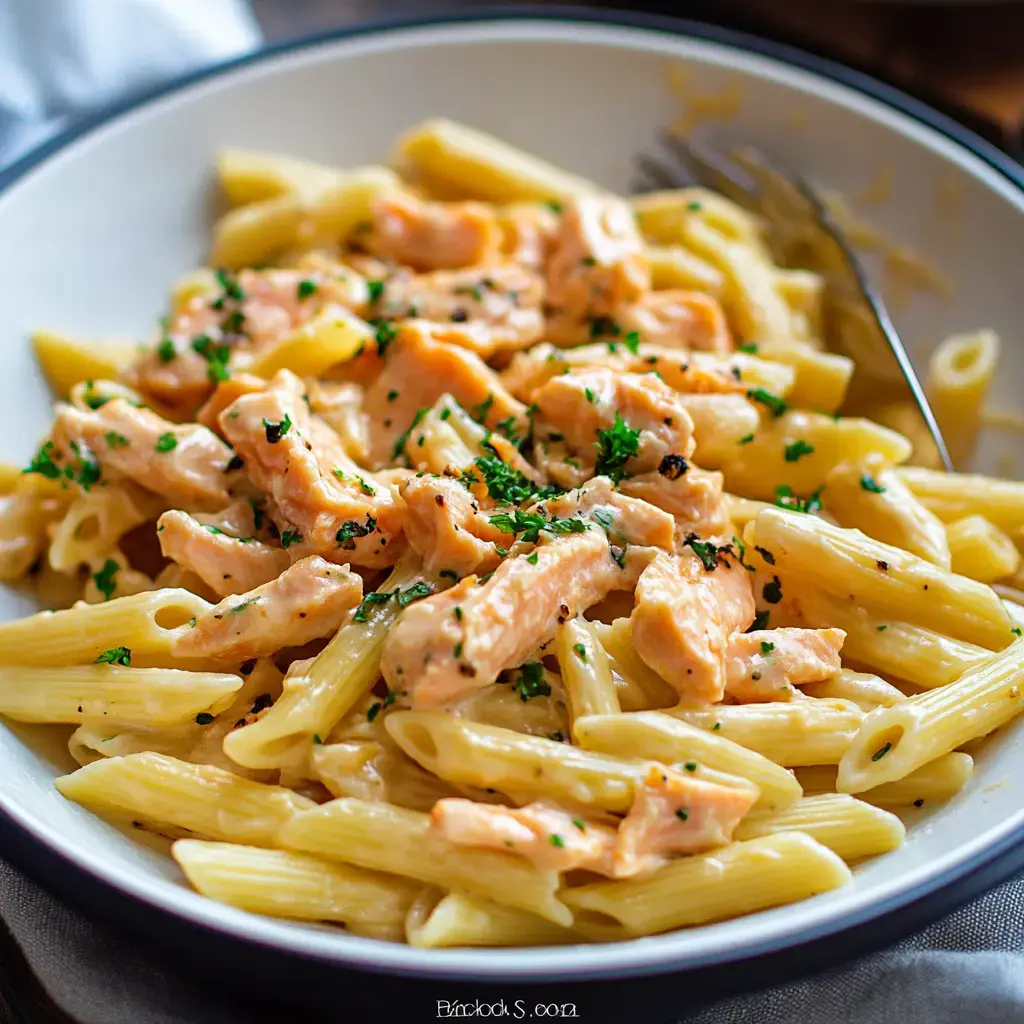
Fettuccine, linguine, and tagliatelle work best because they hold creamy sauce well. Short pasta like penne also works if you want the salmon flakes tucked into every bite.
- Can I make this without heavy cream?
You can use half-and-half, but keep the heat low and add a little extra parmesan to help the sauce thicken. Creme fraiche also works and gives the pasta a pleasant tang.
- How do I keep the salmon from drying out?
Sear it just until the center flakes with a fork, then move it to a plate while you make the sauce. The salmon goes back in at the end, only long enough to warm through.
- How long do leftovers keep?
Store leftovers in an airtight container in the fridge for up to 2 days. Reheat gently in a skillet with a splash of water or milk so the cream sauce loosens without splitting.
- Can I add vegetables?
Yes. Baby spinach, peas, asparagus tips, or cherry tomatoes all fit the sauce. Add spinach at the end, but cook firmer vegetables before the cream goes into the skillet.
