 Pin it
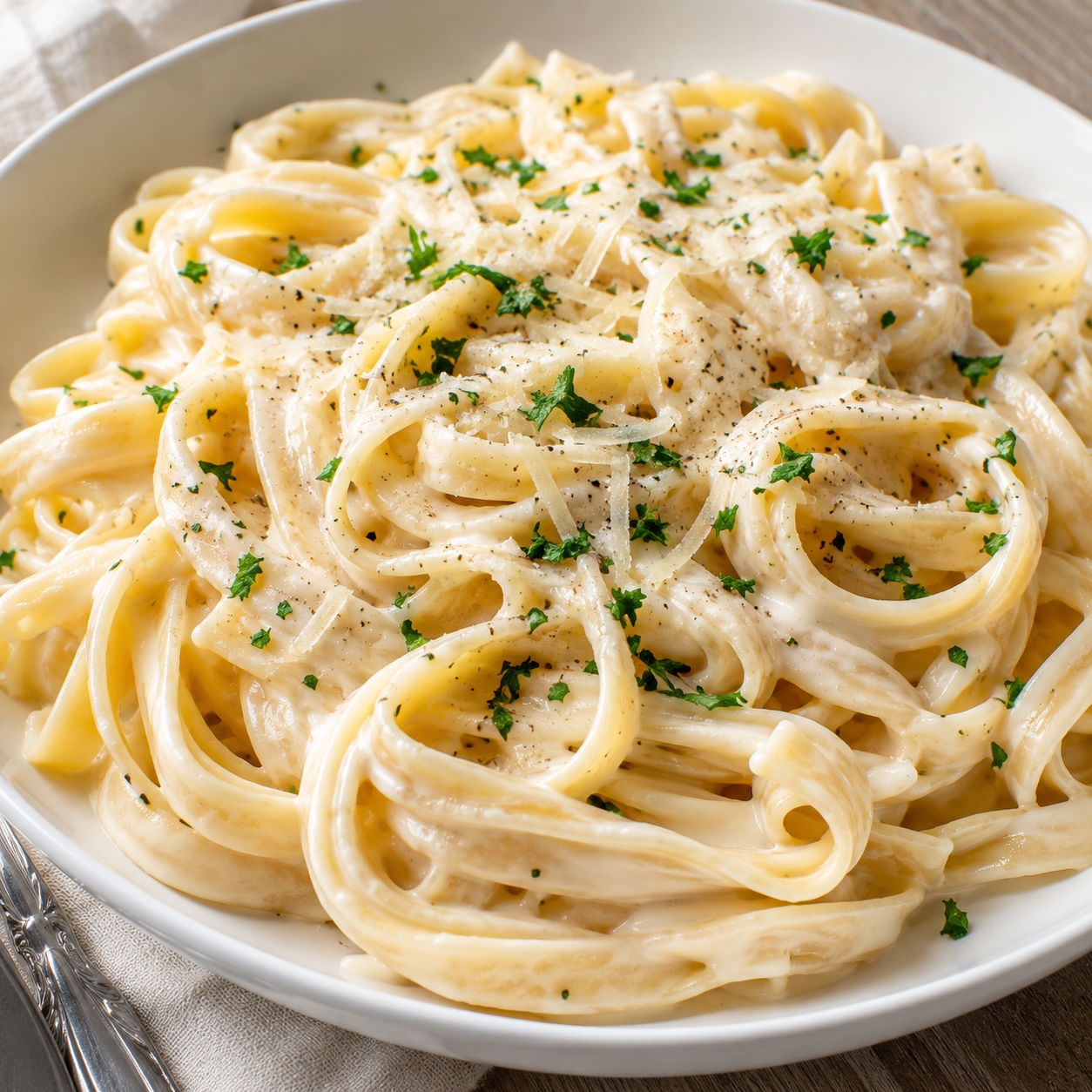
Ultimate Olive Garden Alfredo Pasta is the kind of bowl that should land on the table hot, silky, and heavy with garlic Parmesan sauce. This version keeps the restaurant-style richness but uses grocery-store ingredients and a simple stovetop method.
The sauce gets its body from butter, cream, milk, fresh cheese, and a tiny spoonful of flour. That little bit of flour helps the sauce stay creamy instead of oily, which matters when you are tossing it with a full pound of fettuccine.
What Makes It So Creamy
The ingredient list is short, so each piece matters. Use a Parmesan wedge and grate it yourself. Pre-shredded cheese can leave the sauce dull and slightly sandy.
Heavy cream brings richness, while milk keeps the sauce from feeling too thick. A small amount of flour stands in for the stabilizing base used in many restaurant-style sauces.
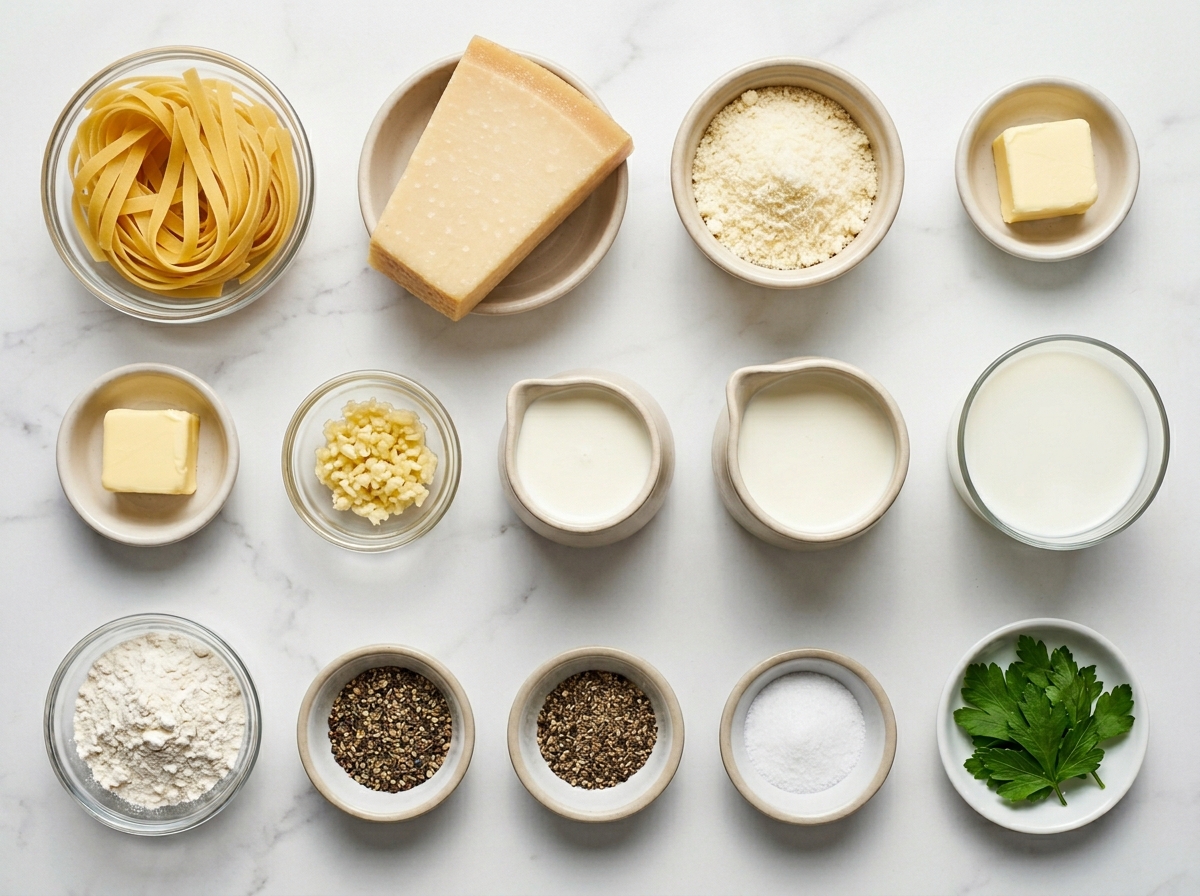
- Fettuccine. Wide noodles give the sauce enough surface to cling without disappearing into the bowl.
- Butter. Starts the sauce with a rich dairy base and carries the garlic flavor.
- Fresh garlic. Adds the warm, savory bite that makes the sauce taste cooked instead of flat.
- All-purpose flour. Lightly thickens the dairy and helps keep the sauce smooth.
- Heavy cream. Gives the Alfredo its plush texture and gentle sweetness.
- Whole milk. Loosens the cream so the sauce coats instead of clumps.
- Fresh Parmesan. Melts into the sauce and gives the salty, nutty finish.
- Black pepper and parsley. Balance the richness and make the pasta taste fresh at the end.
Ultimate Olive Garden Alfredo Pasta Method
- Boil the fettuccine. Cook it in well-salted water until al dente. Reserve a cup of pasta water before draining.
- Start the garlic butter. Melt the butter over medium heat, then cook the garlic just until fragrant. Do not let it brown.
- Make the roux. Whisk in the flour and cook for about 1 minute. It should look smooth and pale.
- Add the dairy slowly. Whisk in the cream and milk in a steady stream. Let it steam and thicken gently.
- Melt the cheese. Remove the pan from direct heat and whisk in Parmesan by handfuls until smooth.
- Toss and serve. Add the fettuccine and toss until glossy. Loosen with reserved pasta water if needed, then finish with pepper and parsley.
Why The Sauce Stays Smooth
Alfredo breaks when the fat gets too hot or the cheese is forced to melt too fast. Keep the dairy at a gentle steam, not a hard boil. Once the cream thickens, move the pan off the burner and let the heat in the sauce do the melting.
That is also why fresh cheese matters. A wedge of Parmesan melts into the cream with less resistance. Bagged shreds often include starches that keep the pieces separate in the package, but those same coatings can fight the sauce.
If you want even more sauce practice, the Copycat Olive Garden Alfredo Sauce recipe is a useful companion for learning the base before tossing it with pasta.
Cheese Makes The Difference
Grate the Parmesan on the small holes of a box grater or use a microplane. Fine shreds melt faster and disappear into the cream with less whisking. If your cheese is very salty, taste before adding extra salt.
For a sharper sauce, replace up to one third of the Parmesan with Pecorino Romano. It brings more bite, so start small. For a milder family-style bowl, use all Parmesan and add a pinch of garlic powder with the flour.
Easy Add-Ins For Dinner
This pasta is rich enough on its own, but it takes add-ins well. Sliced chicken turns it into a full plate like Homemade Chicken Alfredo Pasta. Seared shrimp makes it feel a little more special, especially if you like the creamy style in Shrimp Alfredo Pasta Creamy.
Vegetables work too. Stir in steamed broccoli, peas, sauteed mushrooms, or wilted spinach after the pasta is coated. Keep them lightly cooked so they do not water down the sauce.
Serving It Restaurant-Style
Warm shallow bowls before serving if you can. Alfredo cools quickly, and a cold plate makes the sauce set faster. Twirl the fettuccine into loose nests with tongs, spoon extra sauce over the top, then add black pepper and parsley.
A crisp salad or a soup helps balance the richness. For a full copycat-style dinner, pair the pasta with Olive Garden Minestrone Soup and a simple green salad.
Storing Without A Gluey Sauce
Alfredo pasta is best right after tossing, but leftovers can still be good. Store them in a sealed container in the fridge for up to 3 days. The sauce will firm up because butter and cheese set when cold.
Reheat it in a skillet over low heat with a splash of milk or reserved pasta water. Stir often and stop as soon as the pasta is hot. For general cold-storage timing, the FoodSafety.gov cold storage chart is a helpful reference.
Summary
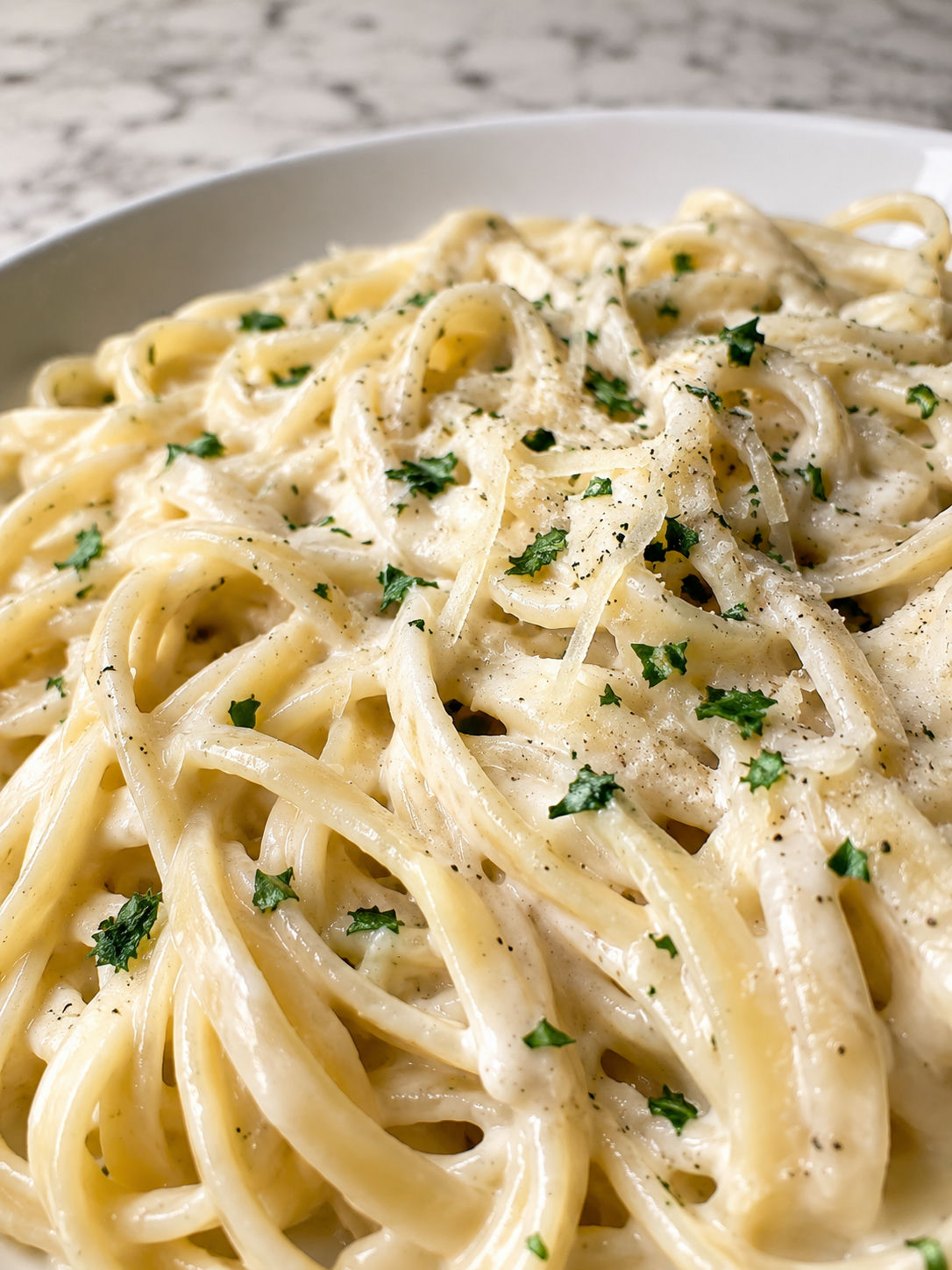
This copycat Alfredo is rich enough for a weekend dinner but simple enough for a busy night. Serve it plain, or add chicken, shrimp, broccoli, or mushrooms.
FAQs
- Can I make Ultimate Olive Garden Alfredo Pasta without flour?
Yes, but the sauce will be a little looser and more likely to separate as it cools. If you skip the flour, keep the heat low and use freshly grated cheese so it melts cleanly.
- What pasta shape works best for Alfredo sauce?
Fettuccine is the classic choice because the wide ribbons hold the creamy sauce well. Linguine, tagliatelle, or even penne also work if that is what you have.
- Can I add chicken or shrimp?
Yes. Add sliced grilled chicken, pan-seared chicken breast, or quick-cooked shrimp after the pasta is coated. Keep the protein warm and fold it in at the end so the sauce stays smooth.
- Why did my Alfredo sauce turn grainy?
Grainy Alfredo usually comes from high heat or pre-grated cheese. Pull the pan off the heat before adding Parmesan and whisk in small handfuls until each one melts.
- How do I store leftover Alfredo pasta?
Refrigerate leftovers in an airtight container for up to 3 days. Reheat slowly in a skillet with a splash of milk, cream, or pasta water to loosen the sauce.
- Can I make this gluten-free?
Yes. Use gluten-free fettuccine and replace the flour with a small amount of cornstarch slurry. The texture will be slightly different, but the sauce will still be creamy.
