 Pin it
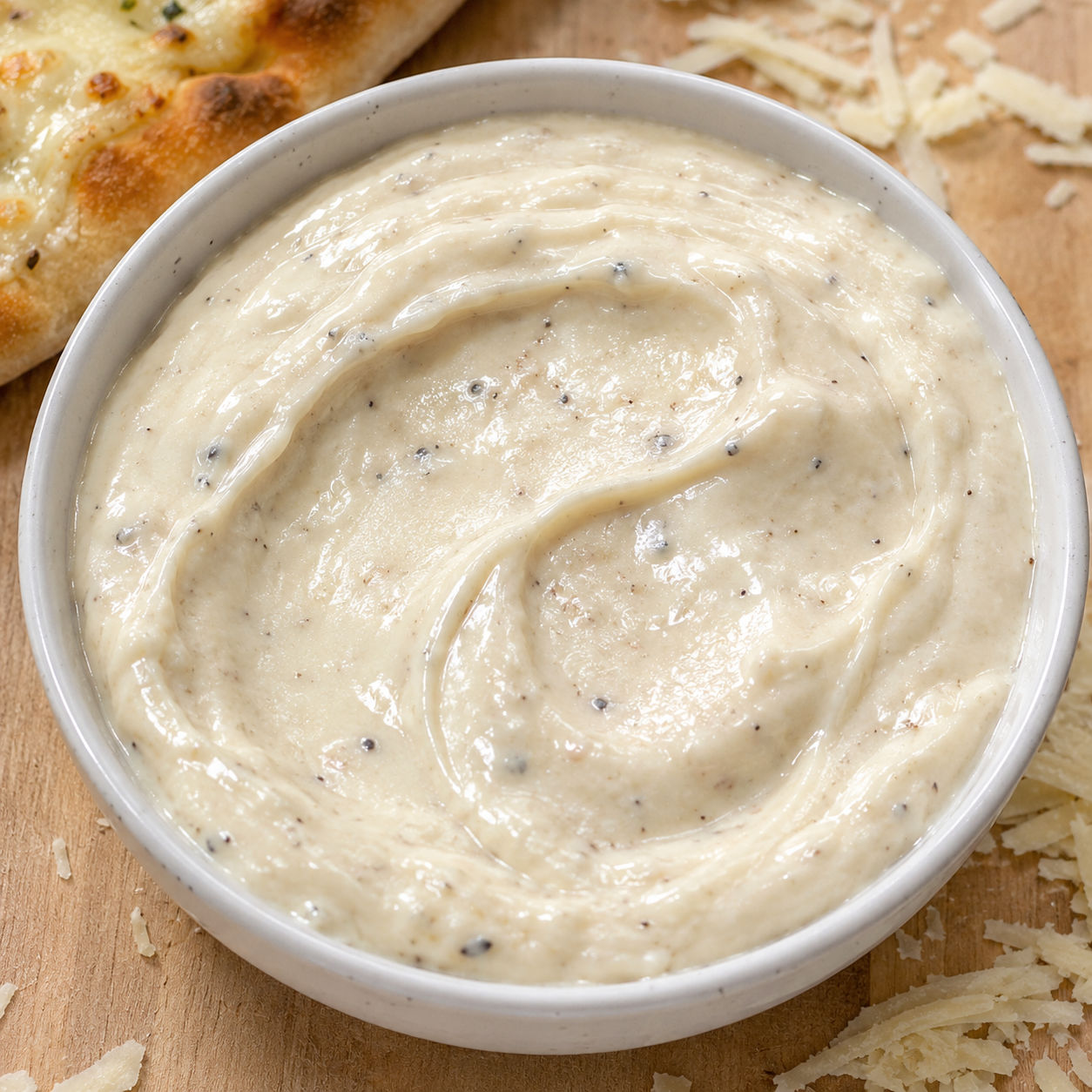
DIY White Garlic Pizza Sauce is what I make when I want pizza that feels rich without turning into a heavy Alfredo pie. It starts with garlic sizzling in butter, then a small spoonful of flour and milk turns it into a smooth sauce that spreads instead of soaking into the crust.
The flavor is mellow, savory, and very garlic-forward. Parmesan gives it salt and body, while oregano keeps it in pizza territory. Use it under mozzarella, roasted vegetables, chicken, mushrooms, spinach, or anything you would normally put on a white pizza.
The Garlic Sauce Lineup
You only need a few staples, so each one matters. Use fresh garlic, real Parmesan, and whole milk if you can. The sauce is simple enough that dull garlic or powdery cheese will show up fast.
- Unsalted butter. Carries the garlic flavor and gives the sauce a rich base without needing cream.
- Fresh garlic. The main flavor. Cook it briefly so it smells sweet and savory, not sharp or burnt.
- All-purpose flour. Thickens the sauce and helps it stay on the pizza crust.
- Whole milk. Turns the roux into a smooth white sauce with enough body for spreading.
- Parmesan cheese. Adds salt, nuttiness, and a little extra thickness.
- Dried oregano. Gives the sauce that familiar pizza-shop aroma.
- Black pepper and nutmeg. Pepper adds warmth. Nutmeg is optional, but a tiny pinch rounds out the dairy.
DIY White Garlic Pizza Sauce Method
- Soften the garlic. Melt the butter over medium-low heat, add the minced garlic, and stir for 30-45 seconds until fragrant.
- Cook the roux. Sprinkle in the flour and whisk for about 1 minute. It should look like a pale paste, not a browned one.
- Whisk in the milk. Add the milk slowly while whisking. Keep whisking until the sauce turns smooth and thick enough to coat a spoon.
- Finish off heat. Remove the pan from the burner, stir in Parmesan, oregano, salt, pepper, and nutmeg, then whisk until glossy.
- Cool before spreading. Let the sauce sit for 5 minutes. It thickens slightly and spreads better over pizza dough.
Keep The Roux Pale
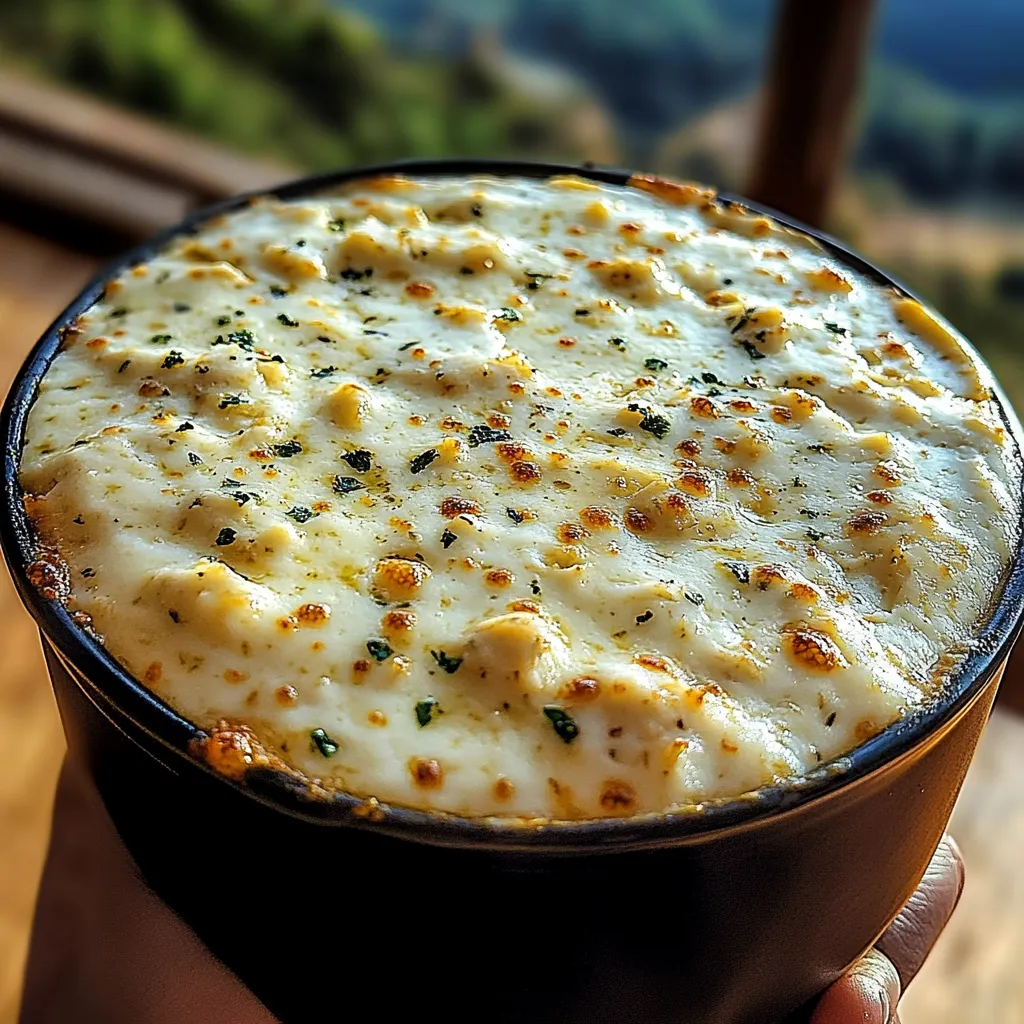
The roux is the part that makes this sauce behave like pizza sauce instead of soup. Cook the butter and flour just long enough to remove the raw flour taste. A pale roux keeps the sauce white and delicate. If it turns tan, the flavor leans toasty and the garlic can taste harsh.
Add the milk slowly. A splash at first loosens the paste, then the rest can go in more easily. Whisk the whole time and scrape the corners of the pan. If you want a second sauce style for pizza night, compare this with Garlic White Pizza Sauce or Homemade Garlic Sauce for Pizza.
How Thick It Should Be
The sauce should coat a spoon and leave a soft trail when you drag a spatula through the pan. That thickness matters because pizza dough already brings moisture. A loose sauce can slide under the cheese and make the center of the pizza soft.
If the sauce gets too thick while cooling, whisk in milk 1 tablespoon at a time. If it looks too thin, simmer it for another minute before adding the cheese. The cheese will tighten it more as it cools, so stop just before it looks fully spreadable.
Best Pizza Toppings
This sauce loves toppings that would taste good with garlic bread. Try mozzarella, spinach, mushrooms, roasted chicken, artichokes, bacon, caramelized onions, or thin slices of tomato. Keep wet vegetables light or roast them first so the crust stays crisp.
For fast dinners, spread it on naan, pita, or French bread and bake until the edges blister. It is especially good on Quick Baked Pizza Wraps or a shortcut pizza like Quick and Easy Garlic Bread Pizza.
Storage And Reheating
Cool the sauce before storing it. Keep it in an airtight container in the fridge for up to 3 days. The texture firms up when cold, so reheat it gently in a small saucepan with a splash of milk. Whisk until smooth before spreading it on dough.
For general refrigerator timing, the FoodSafety.gov cold storage chart is a useful reference. I do not freeze this sauce unless I have to. Dairy sauces can separate after thawing, and pizza sauce should be smooth.
Simple Swaps That Work
For a richer sauce, replace 2 tablespoons of the milk with half-and-half. For a lighter one, use 2 percent milk and reduce the cheese slightly. Gluten-free all-purpose flour works in the same amount as long as it is a blend meant for thickening.
You can also change the herb direction. Basil makes it sweeter. Thyme makes it more savory. A pinch of crushed red pepper adds heat without changing the texture. Stir delicate herbs in at the end so they stay fresh.
Summary
This white garlic pizza sauce is best used warm or room temperature, spread thinly over pizza dough before adding toppings. It also works as a dip for breadsticks or a creamy base for quick pizza wraps.
FAQs
- Is white garlic pizza sauce the same as Alfredo sauce?
They are close, but this sauce is built for pizza. It uses a roux so it stays thicker, spreads cleanly, and holds up under toppings without becoming runny in the oven.
- Can I make this without Parmesan?
Yes, but the sauce will taste milder and slightly less salty. Use a little extra salt and a spoonful of cream cheese, ricotta, or finely shredded mozzarella if you still want body.
- What milk works best for white garlic pizza sauce?
Whole milk gives the smoothest texture. Two percent milk also works. Skim milk makes a thinner sauce, so let it simmer a minute longer before adding the cheese.
- How much sauce do I need for one pizza?
Use about 1/2 cup for a 12-inch pizza. Spread it in a thin layer and stop about 1/2 inch from the edge so the crust can brown instead of steaming.
- Can I store this sauce ahead of time?
Yes. Cool it, cover it, and refrigerate for up to 3 days. Warm it gently with a splash of milk and whisk until it loosens again.
- Why did my sauce turn grainy?
The heat was probably too high after the Parmesan went in. Take the pan off the heat before stirring in the cheese, then whisk until smooth. Finely grated cheese melts more evenly than large shreds.
