 Pin it
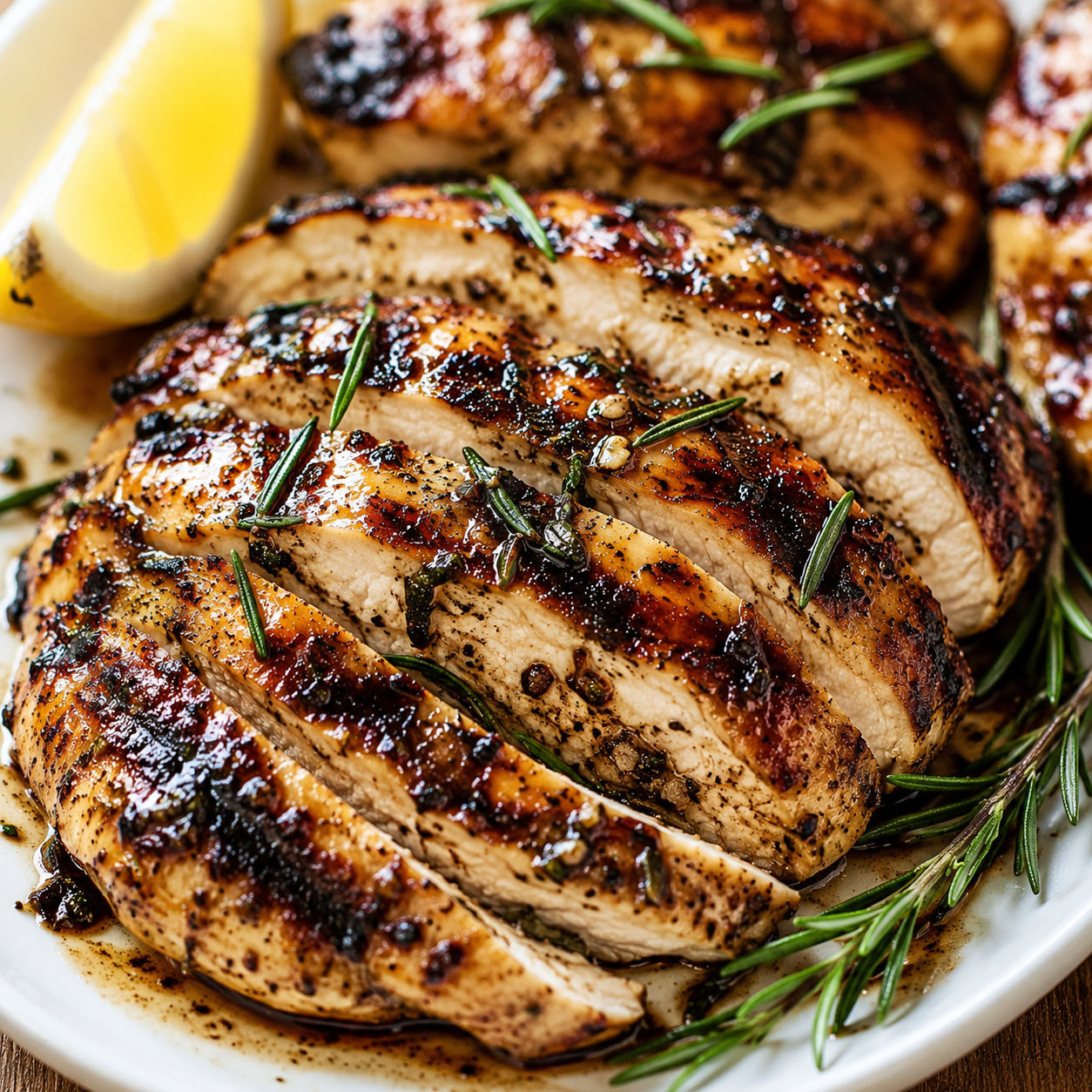
This is the marinade I reach for when I want chicken that actually tastes like something without a long ingredient list or an overnight wait. Everything in it lives in my pantry, and the whole thing comes together in the time it takes to heat the grill.
The balance is what makes it work. Balsamic vinegar brings tang and a little sweetness, garlic builds the backbone, and honey helps the edges caramelize. You can use it on breasts, thighs, or even pork chops, and it never feels like a compromise.
A short list of bold flavors
This marinade rewards quality pantry staples more than fancy techniques. Use a good extra virgin olive oil and real balsamic vinegar if you can. The rest is just garlic, mustard, and dried herbs you probably already own.
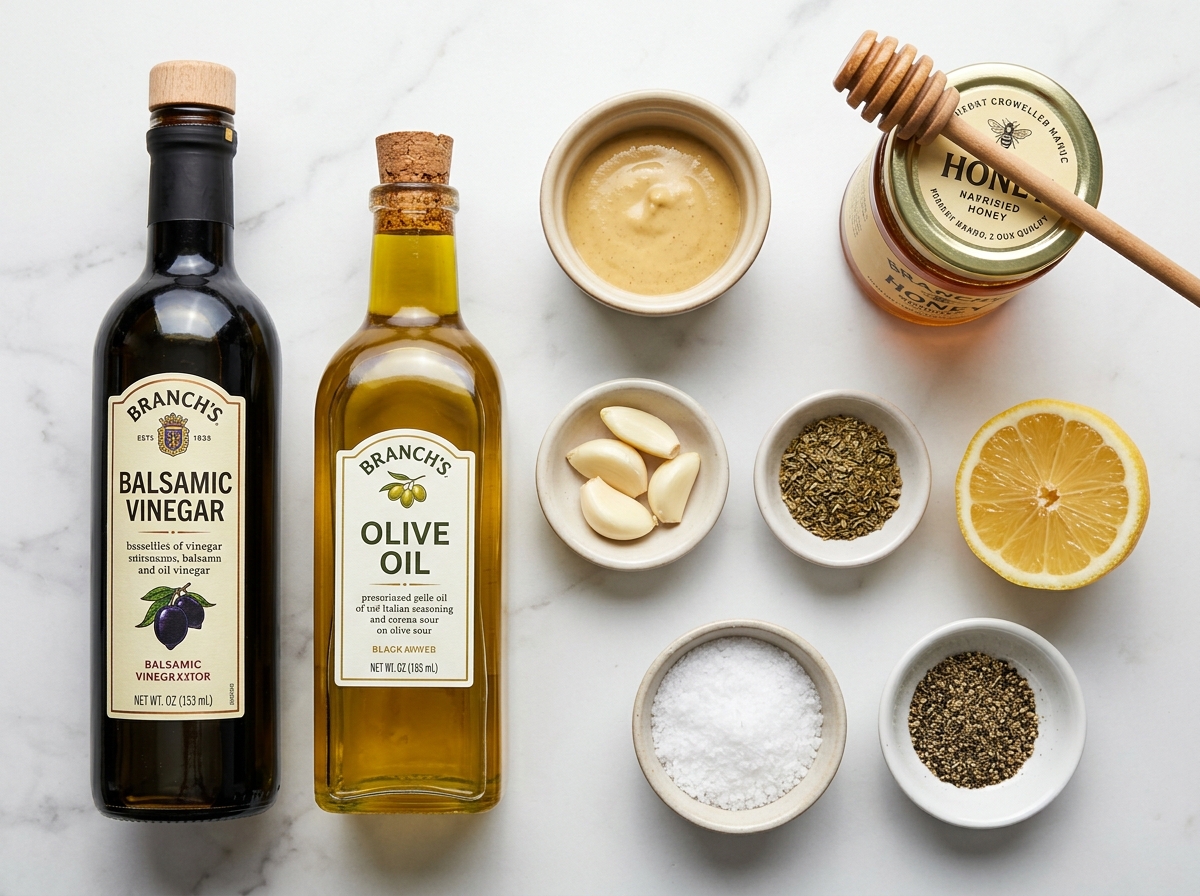
- Extra virgin olive oil. The silky base that carries fat-soluble flavor deep into the meat.
- Balsamic vinegar. Adds bright tang and subtle sweetness while the acid gently tenderizes the chicken.
- Fresh garlic. Mincing real cloves gives a sharper, truer flavor than garlic powder ever could.
- Dijon mustard. Helps emulsify the marinade and adds a quiet heat that wakes everything up.
- Honey. Balances the vinegar and encourages caramelization on the grill or in the oven.
- Dried Italian seasoning. A blend of oregano, basil, and thyme that reads instantly Italian without cluttering the spice drawer.
- Salt and black pepper. Essential for seasoning the chicken inside and out.
How to mix and marinate
- Whisk the marinade. In a large bowl, combine the olive oil, balsamic vinegar, lemon juice, Dijon mustard, honey, minced garlic, Italian seasoning, salt, and pepper. Whisk until the mixture looks glossy and the mustard holds everything together instead of separating.
- Prep the chicken. Pat 2 pounds of boneless, skinless chicken breasts or thighs dry with paper towels. Moisture is the enemy here; dry meat drinks up the marinade instead of letting it pool on the surface.
- Coat and chill. Place the chicken in a gallon zip-top bag or shallow dish and pour the marinade over it. Turn every piece so it is fully coated, press out excess air, seal, and refrigerate for at least 30 minutes or up to 12 hours.
- Cook your way. Grill over medium-high heat for 5 to 6 minutes per side, or bake on a foil-lined sheet at 425°F for 20 to 25 minutes, until the thickest part reads 165°F on an instant-read thermometer.
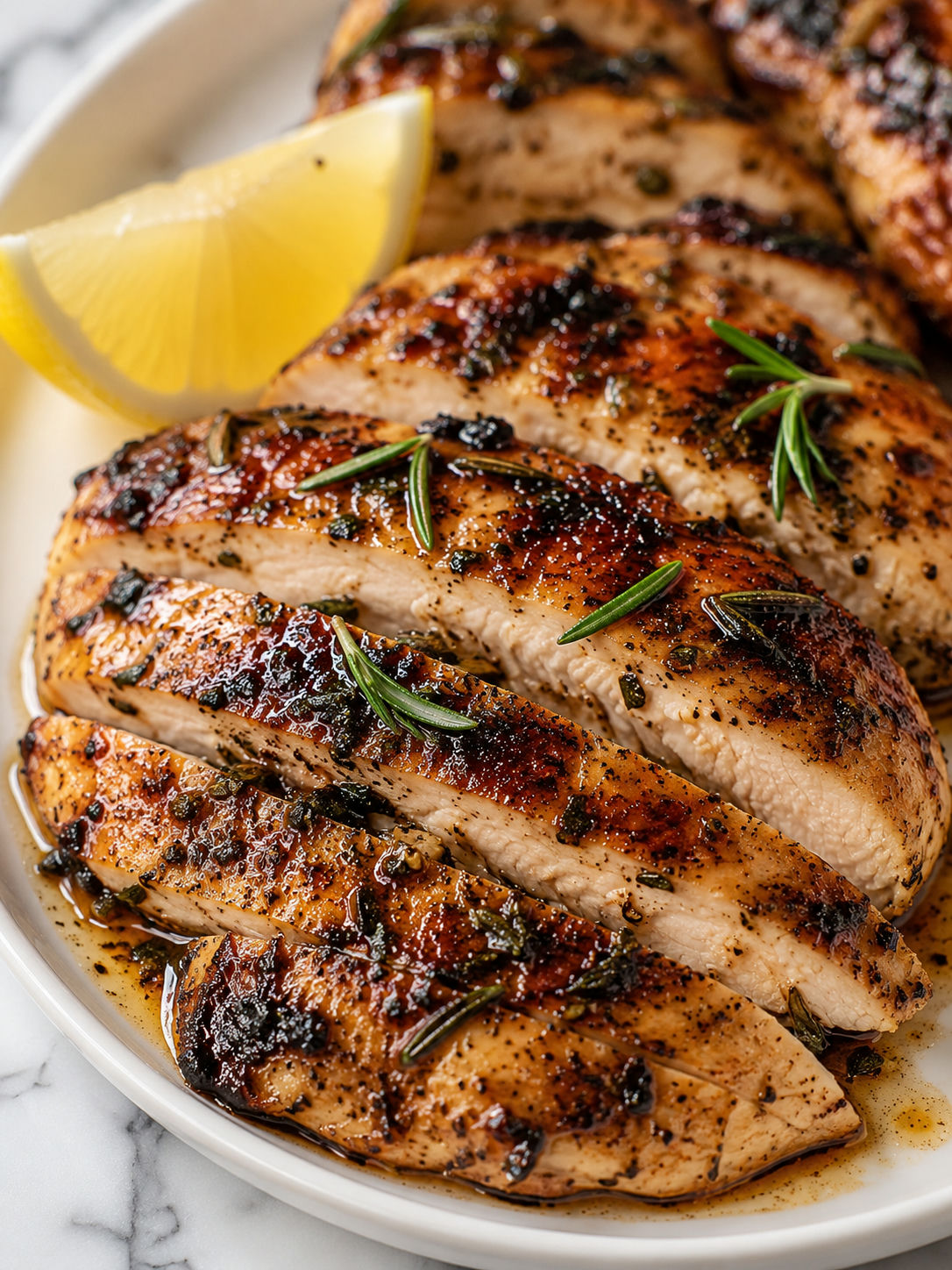
- Rest and slice. Transfer the chicken to a cutting board and let it rest for 5 minutes. Slice against the grain into half-inch pieces so every bite stays tender.
Why dry chicken matters
Surface moisture is the single biggest reason marinade slides off instead of soaking in. A quick pat with paper towels removes the thin layer of water that raw chicken carries out of the package. Once the surface is dry, the oil in the marinade can coat the meat evenly and the salt can start doing its work. This same principle applies to almost any marinated protein, including the chicken in our Italian Basil Chicken Cutlets. Dry meat browns better too, which means more flavor on the plate.
Timing the soak just right
Thirty minutes is enough to add real flavor if you are in a hurry, but 2 to 4 hours is the sweet spot. The acid in the balsamic vinegar needs time to penetrate, yet too long and the muscle fibers start to break down and turn mealy. I never push it past 12 hours. If life gets in the way and you need to prep farther ahead, freeze the chicken directly in the marinade. It will marinate safely while it thaws in the refrigerator later.
Grill, bake, or sear
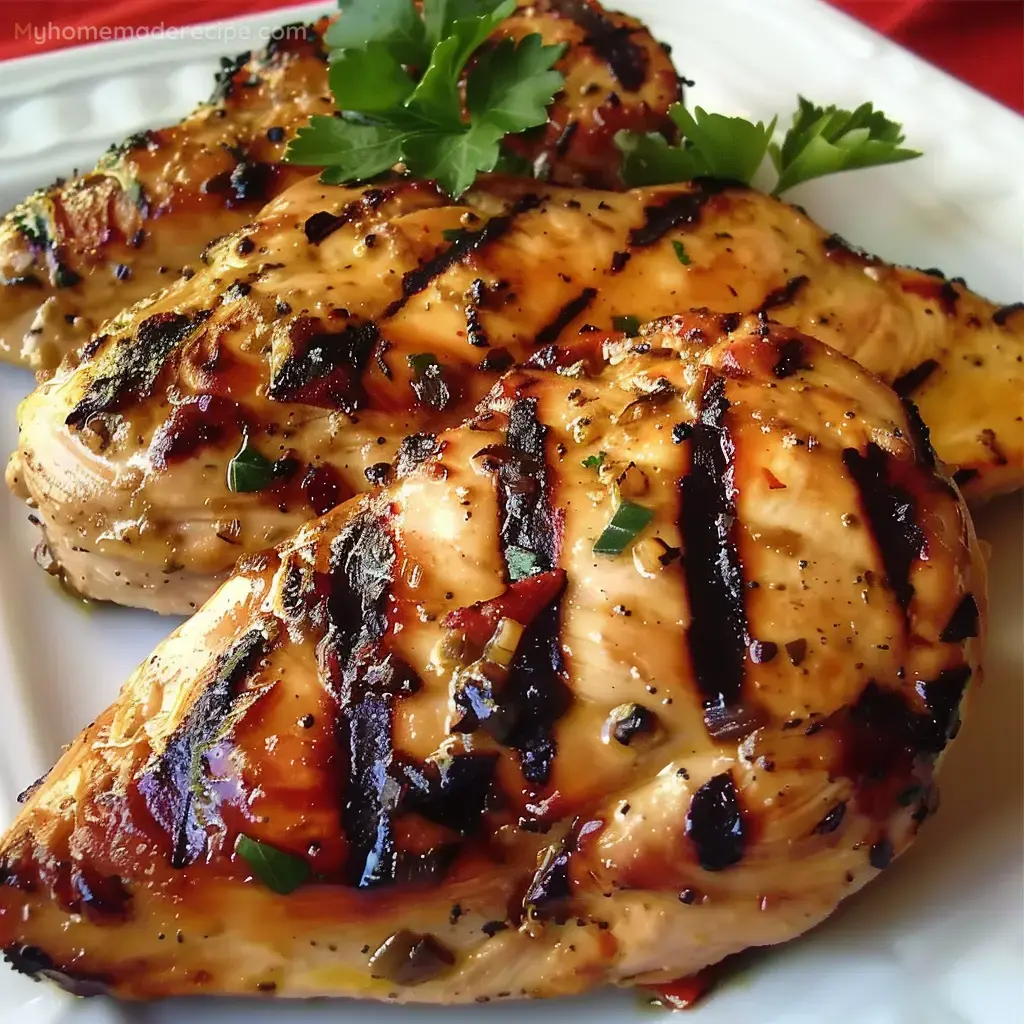
Each cooking method gives a slightly different result. Grilling over medium-high heat delivers the best caramelization and those appealing char marks. Baking at 425°F is hands-off and easiest for a crowd. A hot cast-iron skillet on the stovetop gives you crisp edges and a pan sauce if you deglaze with a splash of stock. No matter which route you choose, pull the chicken at 165°F and let it rest. If you want a different flavor direction next week, our Zesty Mexican Chicken Marinade uses a similar technique with lime and chili.
Smart swaps and add-ins
If you have fresh herbs on hand, use them. Triple the dried amount and chop oregano, basil, or rosemary finely. Swap honey for brown sugar or maple syrup. Add a pinch of red pepper flakes for heat, or a teaspoon of lemon zest for extra brightness. This marinade also works beautifully on pork chops or portobello mushrooms. For more Italian chicken inspiration, try our Italian Chicken Flavor or the Italian Basil Chicken with tomatoes.
Storing and freezing tips
Leftover cooked chicken keeps in an airtight container in the refrigerator for up to 4 days. Reheat gently in a skillet with a splash of water to keep it moist rather than blasting it in the microwave. Raw chicken frozen in the marinade lasts up to 3 months. Thaw it overnight in the refrigerator and cook it the next day. For safe cooking temperatures, refer to the USDA chicken safety guidelines.
FAQs
- How long should I marinate chicken?
For the best flavor, marinate the chicken for at least 30 minutes and up to 12 hours. After that, the acid in the balsamic vinegar can start to break down the meat and turn the texture mushy.
- Can I use chicken thighs instead of breasts?
Yes. Boneless, skinless thighs are more forgiving and stay juicy even if you cook them a minute or two longer. Adjust the time until the internal temperature hits 165°F.
- Is it safe to reuse the leftover marinade?
Not unless you boil it first for at least one minute to kill any bacteria from the raw chicken. A safer move is to set aside 2 tablespoons of fresh marinade before adding the chicken, then drizzle it over the cooked meat.
- Can I freeze chicken in this marinade?
Absolutely. Place the raw chicken and marinade in a freezer-safe zip-top bag, press out the air, and freeze for up to 3 months. Thaw overnight in the refrigerator before cooking.
- What can I use if I do not have balsamic vinegar?
Red wine vinegar works in a pinch. Add an extra teaspoon of honey or brown sugar to replace the sweetness that balsamic provides.
- How do I know when the chicken is fully cooked?
Use an instant-read thermometer inserted into the thickest part. The USDA recommends cooking poultry to an internal temperature of 165°F for food safety.
- Can I make this marinade without honey?
Yes. Swap in brown sugar, maple syrup, or even a pinch of coconut sugar. The sweetener balances the acid and helps the exterior caramelize.
