 Pin it
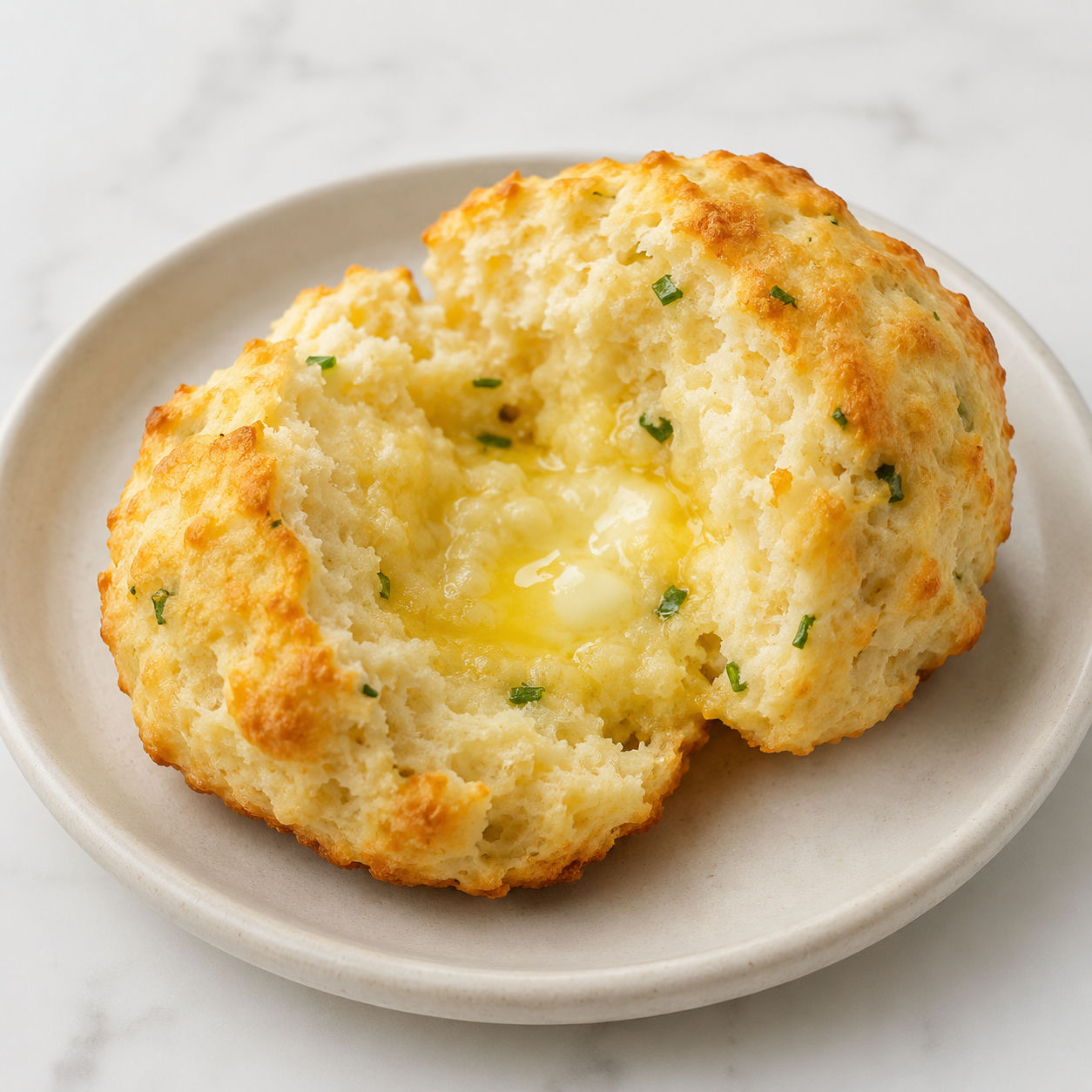
This 5-Minute Cottage Cheese Biscuit is for the morning when you want something warm and bread-like without pulling out a mixing bowl and baking sheet. It cooks in a ramekin or wide mug, then pops out tender enough to split.
It is not a tall, flaky Southern biscuit. Think of it as a soft, high-protein breakfast biscuit with a lightly cheesy crumb and golden edges if you toast it afterward. I like it with salted butter, pepper, and chives, but it also works with honey.
What Makes It Work
The ingredient list is short, so texture matters. Use small-curd cottage cheese if you have it, and choose a wide ramekin rather than a narrow mug so the biscuit cooks evenly instead of turning dense in the middle.
- Cottage cheese. Adds moisture, protein, and a mild tang that makes the biscuit taste richer than it is.
- Egg. Holds the biscuit together and helps it rise in the microwave.
- Almond flour. Gives a tender crumb and keeps the biscuit gluten-free and lower in carbs.
- Baking powder. Adds lift so the biscuit is not heavy.
- Melted butter. Brings biscuit flavor and keeps the edges soft.
- Salt and garlic powder. Make the savory version taste finished, not flat.
- Chives. Add a fresh bite that works well with the cottage cheese.
Five-Minute Biscuit Method
- Grease the ramekin. Butter or spray a 6-ounce ramekin or wide microwave-safe mug so the biscuit releases cleanly.
- Mix the wet base. Mash or blend the cottage cheese with the egg until mostly smooth. A few tiny curds are fine.
- Add the dry ingredients. Stir in almond flour, baking powder, salt, garlic powder, and chives just until the batter looks thick and even.
- Microwave until set. Cook on high for 75-95 seconds, depending on your microwave. The top should look dry and spring back lightly.
- Rest and finish. Let it sit for 1 minute, then turn it out. Split and toast in a skillet if you want crisp edges.
The Texture You Want
A good 5-Minute Cottage Cheese Biscuit should be tender and moist, with enough structure to split. If it looks wet on top after 75 seconds, add 10 seconds at a time. Stop as soon as the center sets. Microwave breads go from soft to rubbery fast.
The one-minute rest matters. It lets steam settle back into the crumb and makes the biscuit easier to remove. For a more classic biscuit feel, cut it in half and toast the cut sides in a small skillet with a little butter.
Savory Or Sweet
The base is flexible. For savory, keep the garlic powder and chives. Add black pepper, grated cheddar, or everything seasoning. If you like cottage cheese baking, try the same savory direction in Easy Low Carb Cottage Cheese Flatbread or a batch of Protein Bagels with Cottage Cheese.
For sweet, skip the garlic and chives. Add a pinch of cinnamon and a few drops of vanilla, then serve it with berries or honey. The dairy in cottage cheese counts toward the dairy group, and MyPlate has a useful overview of dairy choices.
Common Fixes
If the biscuit collapses, check your baking powder. It may be old, or the batter may have sat too long before cooking. Mix, then microwave right away.
If it tastes eggy, blend the cottage cheese more smoothly and add the optional chives or cheese. A little sharp cheddar changes the flavor quickly. If you want something more indulgent and oven-baked, Red Lobster Cheese Biscuit Loaf is the bigger, cheesier cousin.
Make-Ahead Notes
This biscuit is fastest when made fresh, but you can stir the dry ingredients together the night before. In the morning, add the cottage cheese, egg, and butter, then cook.
Leftovers keep in the fridge for up to 3 days. The USDA gives clear leftover guidance at its leftovers and food safety page. For the best texture, reheat in a toaster oven or skillet instead of microwaving again.
What To Serve Alongside
Split the biscuit and fill it with scrambled eggs for a fast breakfast sandwich. It is also good beside tomato soup, chili, or a big salad. For a full cottage cheese breakfast spread, pair it with Cottage Cheese and Fig Toast and fresh fruit.
Summary
This quick cottage cheese biscuit is best eaten warm, split, and buttered. Keep the cook time short, use a wide ramekin, and toast it after microwaving if you want a more biscuit-like edge.
FAQs
- Can I make this cottage cheese biscuit without a blender?
Yes. Mash the cottage cheese well with a fork, then whisk it with the egg before adding the dry ingredients. The crumb will have a few small curds, but it still cooks up tender.
- Can I use regular flour instead of almond flour?
You can, but the texture changes. Use 3 tablespoons all-purpose flour instead of almond flour, and expect a slightly chewier biscuit. Almond flour keeps this version soft, moist, and gluten-free.
- Why did my biscuit turn rubbery?
It was likely overcooked or mixed too aggressively. Microwave just until the center is set, then let it stand for 1 minute. The residual heat finishes the crumb without drying it out.
- Can I make more than one biscuit at a time?
Yes, mix each biscuit separately or scale the batter and divide it into greased ramekins. Microwave one at a time for the most even result, since multiple ramekins can cook unevenly.
- How do I store leftovers?
This biscuit is best right away, but you can refrigerate it for up to 3 days. Cool it first, wrap it, and reheat gently in a toaster oven or skillet for better edges.
- What can I serve with it?
For breakfast, split it and add butter, eggs, smoked salmon, or jam. For lunch, use it as a quick side with soup, chili, or a cottage cheese bowl.
