 Pin it
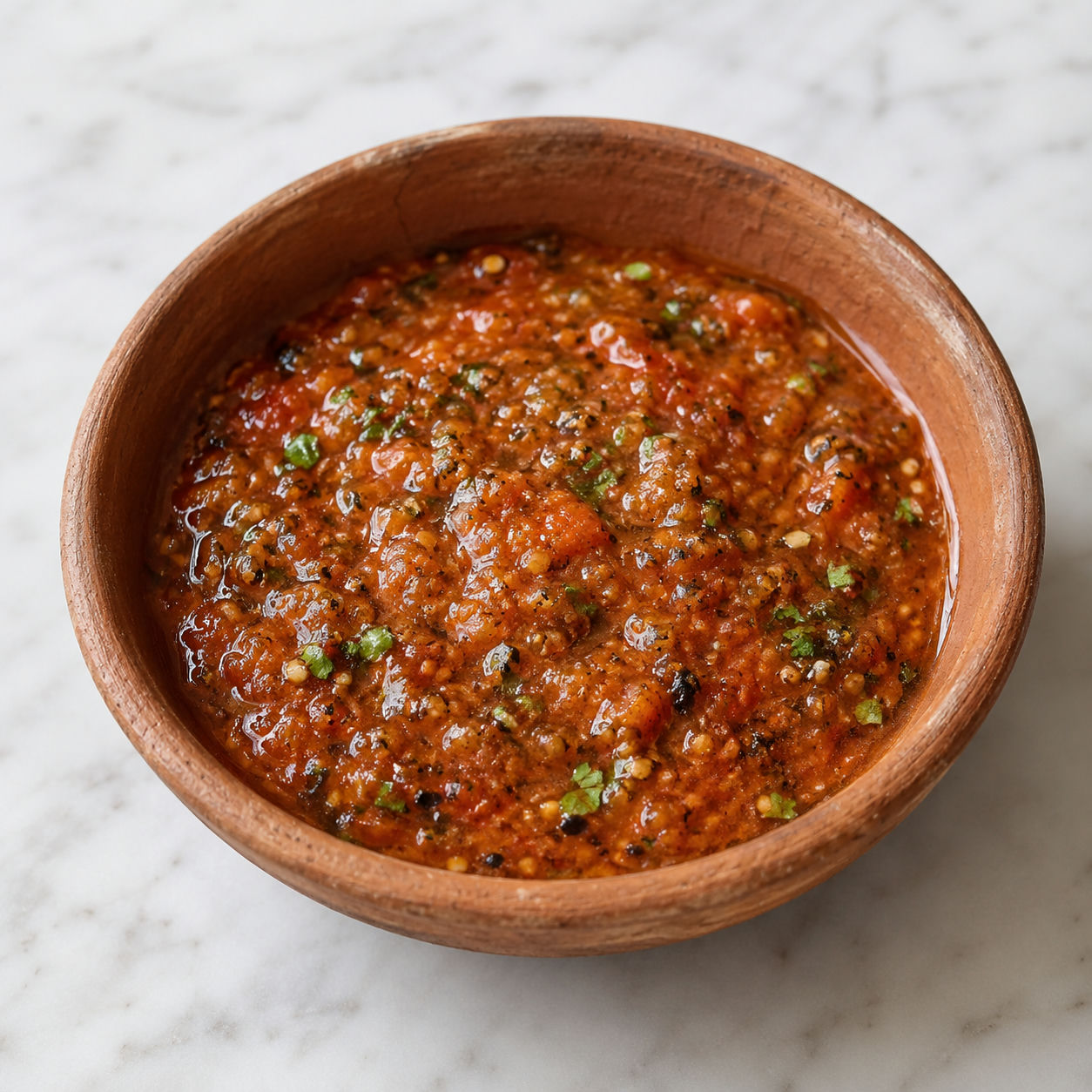
Salsa quemada is one of those preparations that rewards a little patience in front of a hot comal. The name means "burned salsa," which sounds more dramatic than it is. What you are really doing is coaxing deep smoky sweetness out of tomatoes and tomatillos through direct dry heat. The char is the whole point. It is what separates this from a fresh pico de gallo and what gives it a complexity that keeps people coming back.
Tomatillos bring a citrusy tartness that balances the natural sweetness of the tomatoes once they soften and collapse. A couple of serrano chiles add slow heat that builds gradually. The whole thing takes about 20 minutes from start to finish, and the result tastes like it took much longer.
This version keeps the ingredient list tight and the method honest. You control the heat level by how many chiles you add and whether you keep their seeds. The only equipment you need is a dry pan and a blender.
Everything That Goes Into the Bowl
The ingredient list is short because it does not need to be long. Fresh roma tomatoes and tomatillos do most of the work. Look for tomatillos with tight, papery husks and firm flesh that does not give much when pressed.
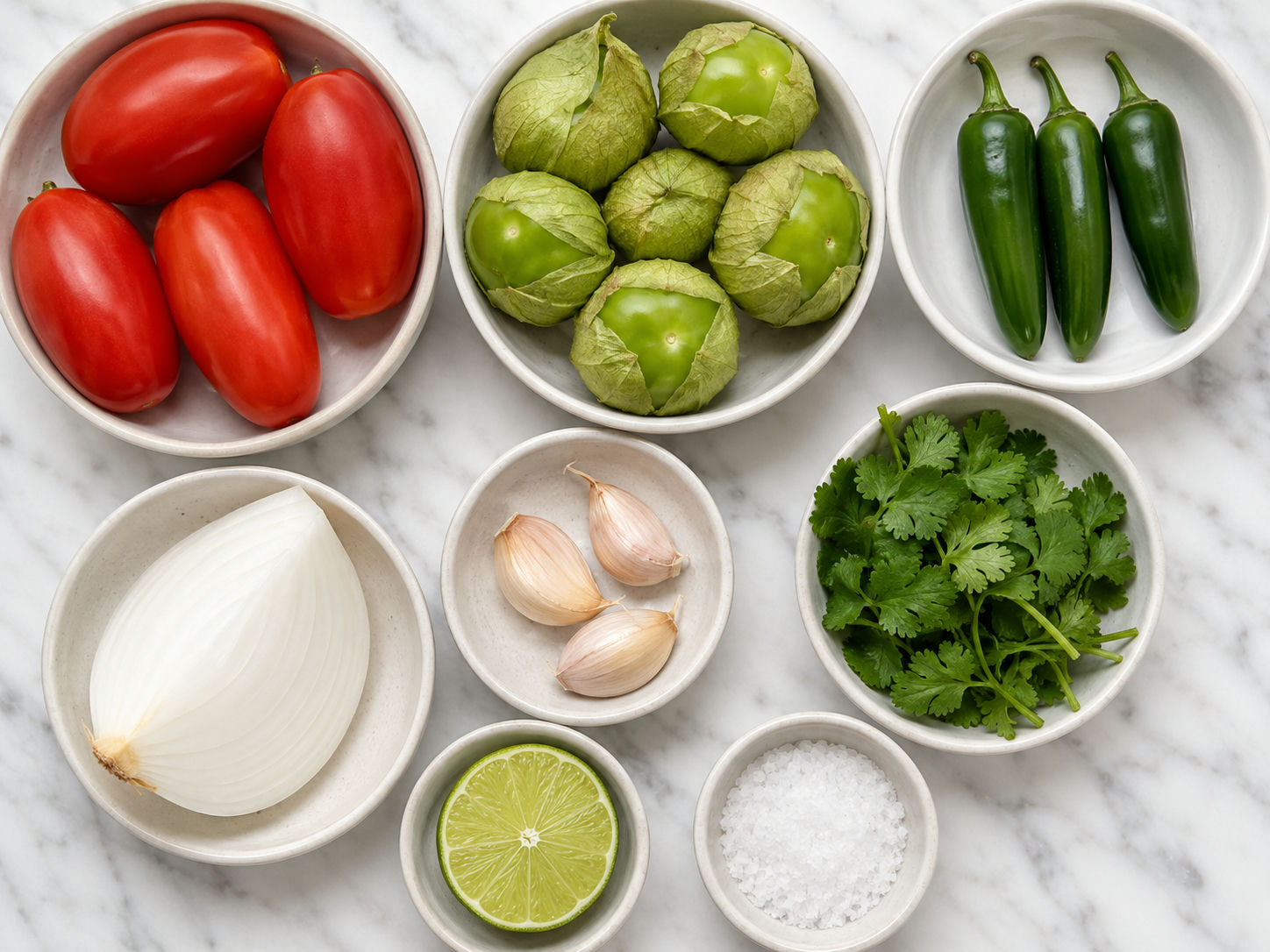
- Roma tomatoes. Dense, low-moisture flesh that chars beautifully on a dry comal without turning watery once roasted.
- Tomatillos. These give the salsa its tartness and a subtle citrusy brightness that tomatoes alone cannot provide.
- Serrano chiles. Small and hot. Two give you a medium salsa. Three to four make it fiery. Jalapeños work if you want less heat.
- White onion. A thick slice roasts alongside everything else and adds a sweet, slightly smoky backbone to the finished blend.
- Garlic. Left unpeeled on the comal, the cloves steam inside their skins and turn soft and mellow without going bitter.
- Fresh cilantro. Added after blending for a clean, herby finish that lifts the smokiness rather than competing with it.
- Salt. Taste and add at the end. Roasting concentrates the tomatoes, so you may need less than you expect.
- Lime juice. Optional, but a small squeeze at the end brightens the whole thing and makes the flavors snap into focus.
Char First, Blend Second
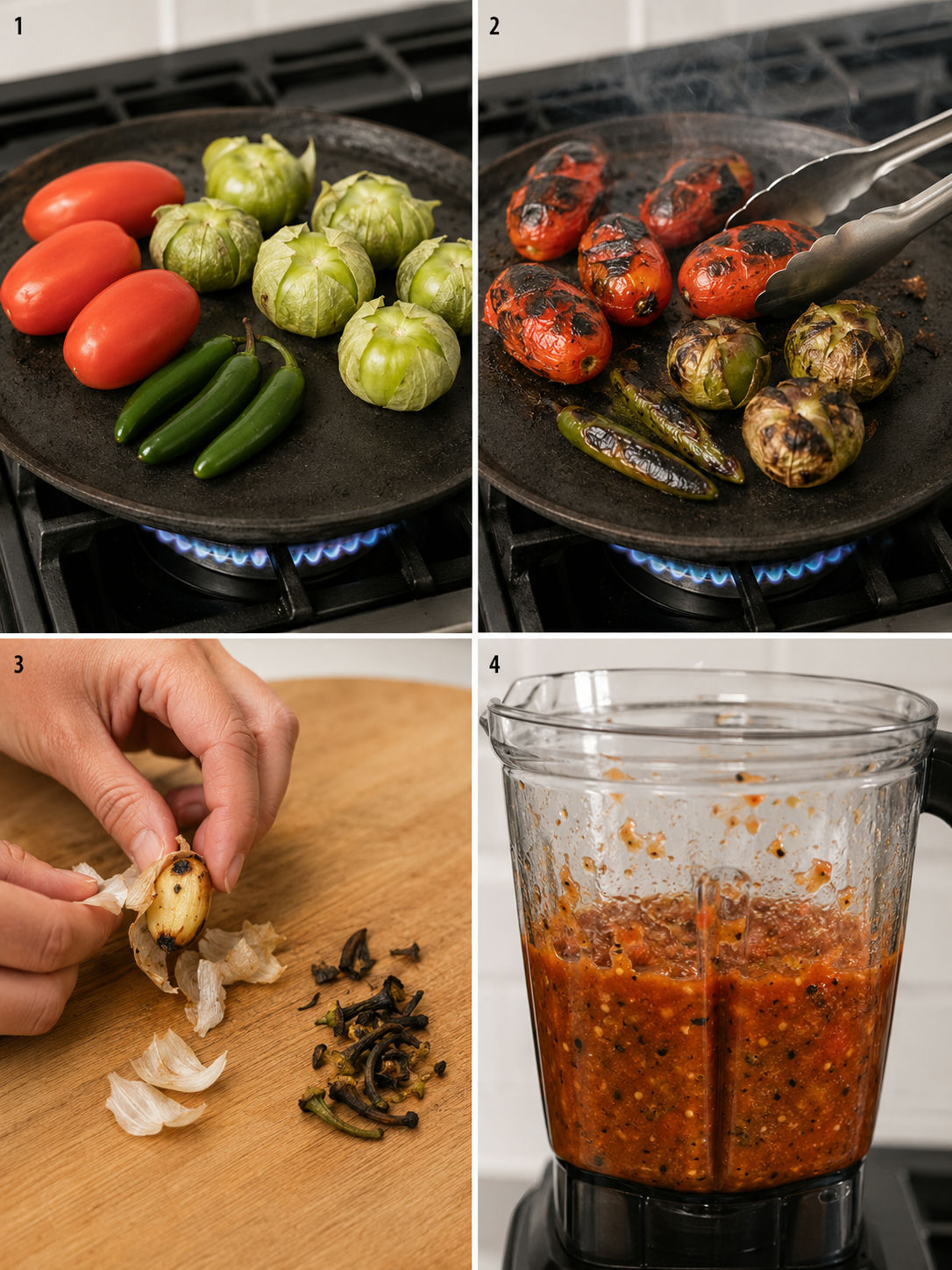
- Heat the comal dry. Set a comal or heavy cast iron skillet over medium-high heat with no oil. Give it 2 to 3 minutes to get properly hot before anything touches it.
- Roast the vegetables. Place the tomatoes, tomatillos, chiles, onion slice, and unpeeled garlic cloves directly on the hot surface. Roast for 8 to 12 minutes, turning every 2 to 3 minutes, until all sides are deeply charred and blistered. The tomatoes should collapse slightly. The tomatillos should turn a dull olive color and feel soft when pressed.
- Peel and prep. Let everything cool for 2 minutes. Slip the garlic out of its skin. Remove the stems from the chiles. Keep the seeds for more heat or discard them for a milder salsa.
- Blend to texture. Transfer all roasted ingredients to a blender with the cilantro and half a teaspoon of salt. Pulse 3 to 4 times for a chunky, rustic result, or blend longer for something smoother.
- Finish and taste. Add lime juice if you want brightness and blend briefly. Taste for salt. If the salsa is too thick, loosen it with a tablespoon of water at a time until it reaches the consistency you want.
Why the Comal Changes Everything
When you put tomatoes directly on a dry, screaming-hot surface, the sugars in the flesh caramelize and concentrate instead of steaming off. The skin chars and adds a faint, pleasant bitterness that reads as smoky depth in the finished salsa. A tomato that simmers in a covered pan becomes soft and sweet but a little flat. A tomato that chars on a comal becomes something else entirely.
Tomatillos follow the same logic. Their natural acid mellows as they caramelize, and the sharpness transforms from bright and grassy to rounded and complex. Roasting is what makes this salsa taste slow-cooked even though it is genuinely fast.
For extra smoke, do this over an open gas burner or on a charcoal grill. The wood-fire quality takes it from good to exceptional. For a thorough look at the science behind this kind of dry roasting, Serious Eats covers the food chemistry behind high-heat vegetable preparation in detail.
Dialing In the Heat Level
Serranos and jalapeños both work here, but they behave differently. Serranos are thinner, smaller, and typically run two to five times hotter than a jalapeño. If you are making this for a crowd with mixed spice tolerance, start with one jalapeño, blend, and taste before adding more.
Seeds and membranes hold most of the capsaicin. Removing them reduces heat noticeably without changing the overall flavor much. A mild version that works for kids just needs one jalapeño with seeds out. For maximum heat, use four serranos with everything in. Decide before you blend rather than after, since it is much easier to add heat than take it away.
If the finished salsa turns out hotter than you wanted, a squeeze of lime and a pinch of sugar can pull it back from the edge. Stirring in a little water also softens the intensity without killing the smokiness.
Finding the Right Texture
The texture question comes down to how you plan to use the salsa. A chunky, pulsed version works beautifully as a chip dip or spooned over tacos, where you want visible pieces of tomato and chile. A smoother blend is better as a sauce base for enchiladas or mixed into rice.
If you have a molcajete, this is exactly the kind of recipe it is built for. Grinding the roasted ingredients by hand gives you a texture you genuinely cannot replicate in a blender: broken down but irregular, with pockets of concentrated smoky flavor. A blender on short pulses gets you reasonably close.
If you enjoy this roasted tomatillo flavor but want something creamier, the roasted tomatillo avocado salsa is in the same family and worth making alongside this one for a taco night spread.
How to Store It and What to Do With It
Transfer the salsa to a jar or airtight container and refrigerate. It keeps for up to 5 days, and the flavor typically improves after a night in the fridge as the smoky notes settle and meld together.
Beyond chips and tacos, spoon it over grilled chicken straight from the grill, stir it into bean soup, or use it as the base for braised chicken thighs. Brown the thighs first, then simmer them in a cup of salsa with a splash of water for about 20 minutes until tender.
If you enjoy salsa but want a completely different mood, the fresh pineapple salsa is bright, tropical, and no-cook. The two contrast nicely on any taco spread, one smoky and deep, the other sharp and sweet.
FAQs
- What does salsa quemada mean?
"Quemada" is Spanish for "burned" or "charred." The name refers to the method: ingredients are roasted directly on a dry comal or skillet until they blister and darken. That char is the source of the salsa's signature smoky depth, not a cooking mistake to be avoided.
- Can I use jalapeños instead of serranos?
Yes. Jalapeños are milder and work well if you prefer less heat. Serranos are smaller, hotter, and bring a slightly brighter, grassier flavor. For a medium salsa, use two serranos. For mild, switch to two jalapeños and remove the seeds before blending.
- Can I make salsa quemada under the broiler instead of on a comal?
Absolutely. Spread the ingredients on a foil-lined baking sheet and broil about 4 inches from the heat for 8 to 10 minutes, turning once halfway, until charred and blistered. The broiler gives a slightly different result but works well, especially for larger batches where a comal gets crowded.
- How long does salsa quemada keep in the fridge?
It keeps well in an airtight container for up to 5 days. The flavor typically improves after a night in the fridge as the smokiness mellows and the ingredients fully come together. It also freezes well in small portions for up to 3 months. Thaw overnight in the fridge and stir before serving.
- What is the best texture for salsa quemada?
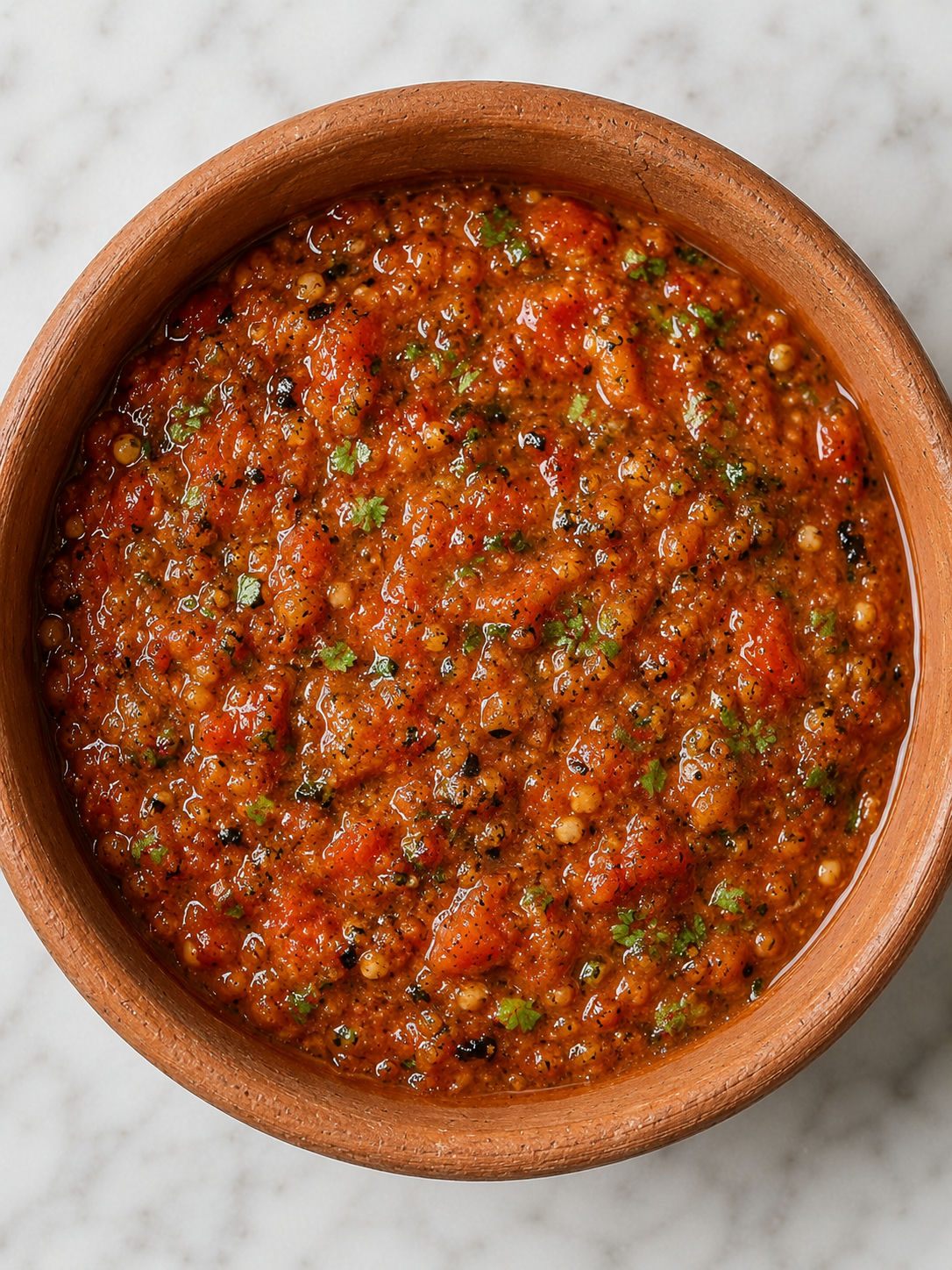
That is a personal call. A few short pulses in the blender gives you a chunky, rustic texture where you can still see bits of tomato and chile. Blending longer produces a smoother, pourable salsa. Traditional versions made in a molcajete land somewhere in between: broken down but still textured and irregular.
- What do you serve salsa quemada with?
It goes with almost anything: tacos, grilled meats, scrambled eggs, chips, or spooned over quesadillas. It works especially well alongside grilled chicken or pork because the smoky salsa mirrors the char from the grill. It also works as a sauce base for enchiladas or a simple dip served with refried beans.
- Do I need to peel the tomatoes after roasting?
No. Roma tomato skins soften during roasting and blend right in. If a stubborn piece of skin bothers you, just pull it off after roasting. With tomatillos, you remove the papery husk before cooking, and the skin underneath blends smoothly without any extra peeling step needed.
