 Pin it
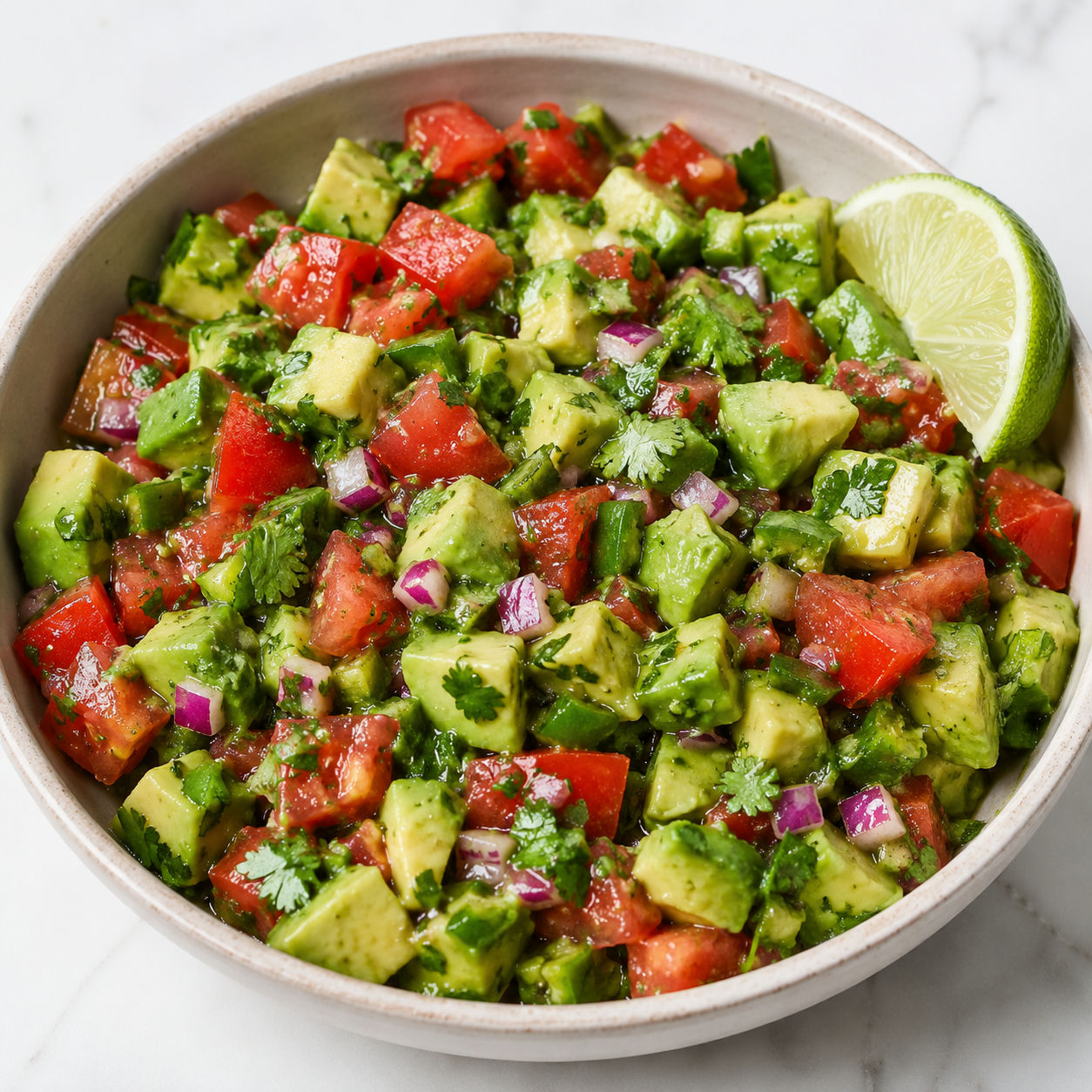
This salsa sits somewhere between guacamole and a fresh pico de gallo. The avocado gives it body and richness, the lime juice keeps everything bright, and the cilantro makes it taste like summer. It takes about ten minutes to put together and requires zero cooking.
What makes it work is dicing the avocado into real pieces instead of mashing it into a paste. You want chunks you can actually see and taste, coated in that sharp lime-and-cilantro dressing. Serve it with chips, spoon it over tacos, or pile it onto fiesta lime chicken fresh off the pan.
Six Ingredients, Serious Flavor
The ingredient list here is short on purpose. Each one does a real job. Look for avocados that give just slightly when you press the skin and avoid anything mushy or with dark spots under the peel.
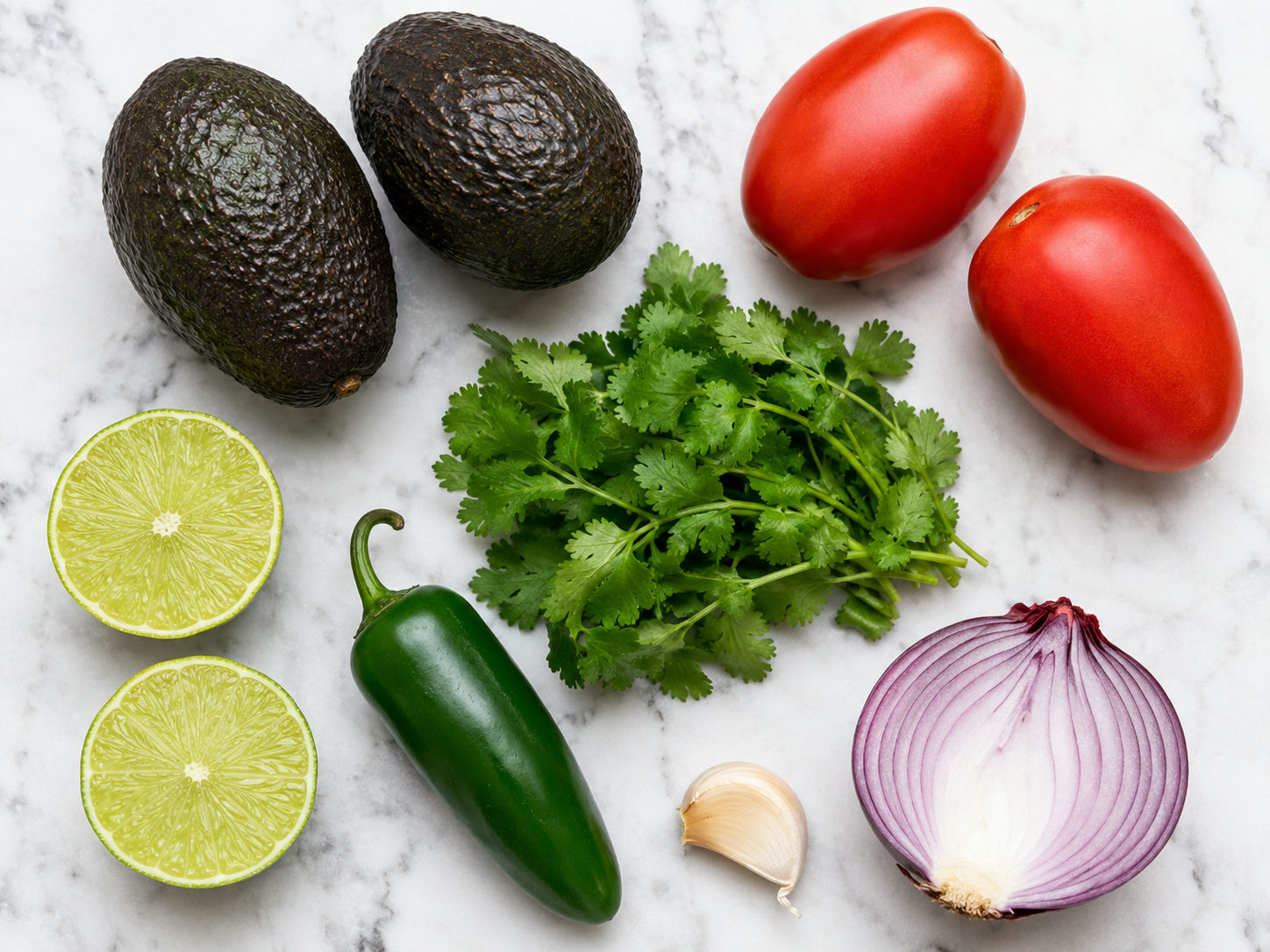
- Ripe avocados. The base of the salsa. Diced instead of mashed so they hold their shape and give the salsa real body in every bite.
- Roma tomatoes. Seeded and diced, they add color and freshness without watering the bowl down.
- Fresh lime juice. Brightens the whole mix and slows browning the moment it hits the avocado. Use fresh limes, not bottled juice.
- Cilantro. Roughly chopped leaves give the salsa its signature bright flavor. The stems can taste slightly bitter raw, so skip them here.
- Jalapeño. Remove the seeds for mild heat or leave them in for a sharper kick. One is usually enough.
- Red onion. A two-minute rinse under cold water tames the raw sharpness without losing the crunch.
- Garlic. Just one clove, minced fine, adds depth without taking over the lime and cilantro.
Mix, Fold, and You Are Done
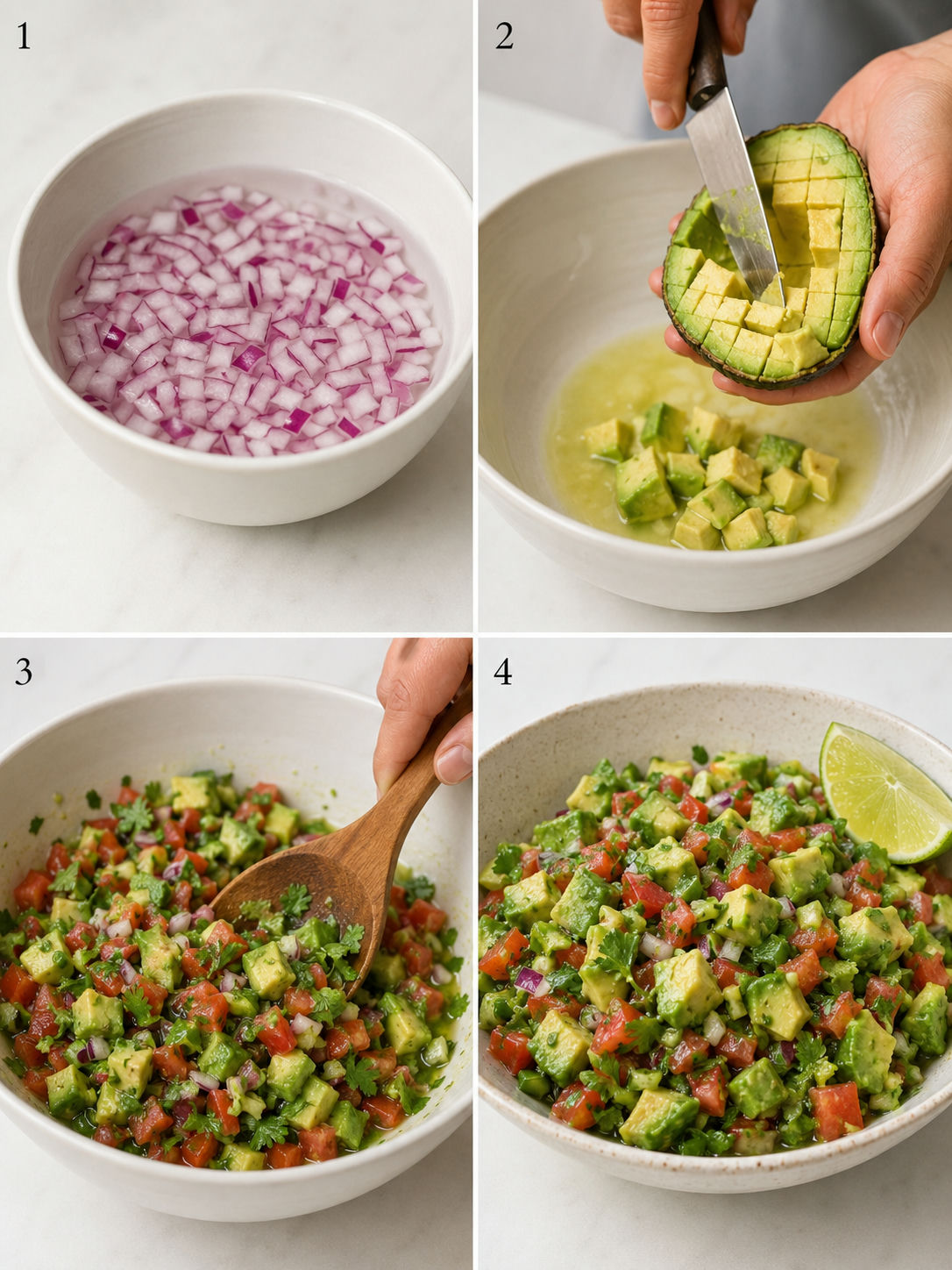
- Rinse the onion. Place the finely diced red onion in a small bowl of cold water for two minutes, then drain and pat dry. This single step removes the harsh raw bite so the onion plays nicely with the avocado.
- Dice the avocados. Halve each avocado, remove the pit, score the flesh into a grid with a knife, and scoop the cubes into a large bowl. Add the lime juice immediately and toss gently to coat each piece before you do anything else.
- Add the rest. Stir in the tomato, drained onion, jalapeño, cilantro, garlic, salt, and cumin if using. Fold with a large spoon rather than stirring hard so the avocado stays in pieces.
- Taste and adjust. Add more lime juice if the salsa needs brightness or more salt if it tastes flat. Taste before adding anything extra.
- Rest for five minutes. Let the salsa sit before serving. The lime juice softens the onion and jalapeño slightly and the flavors settle into each other.
Why the Avocado Texture Matters
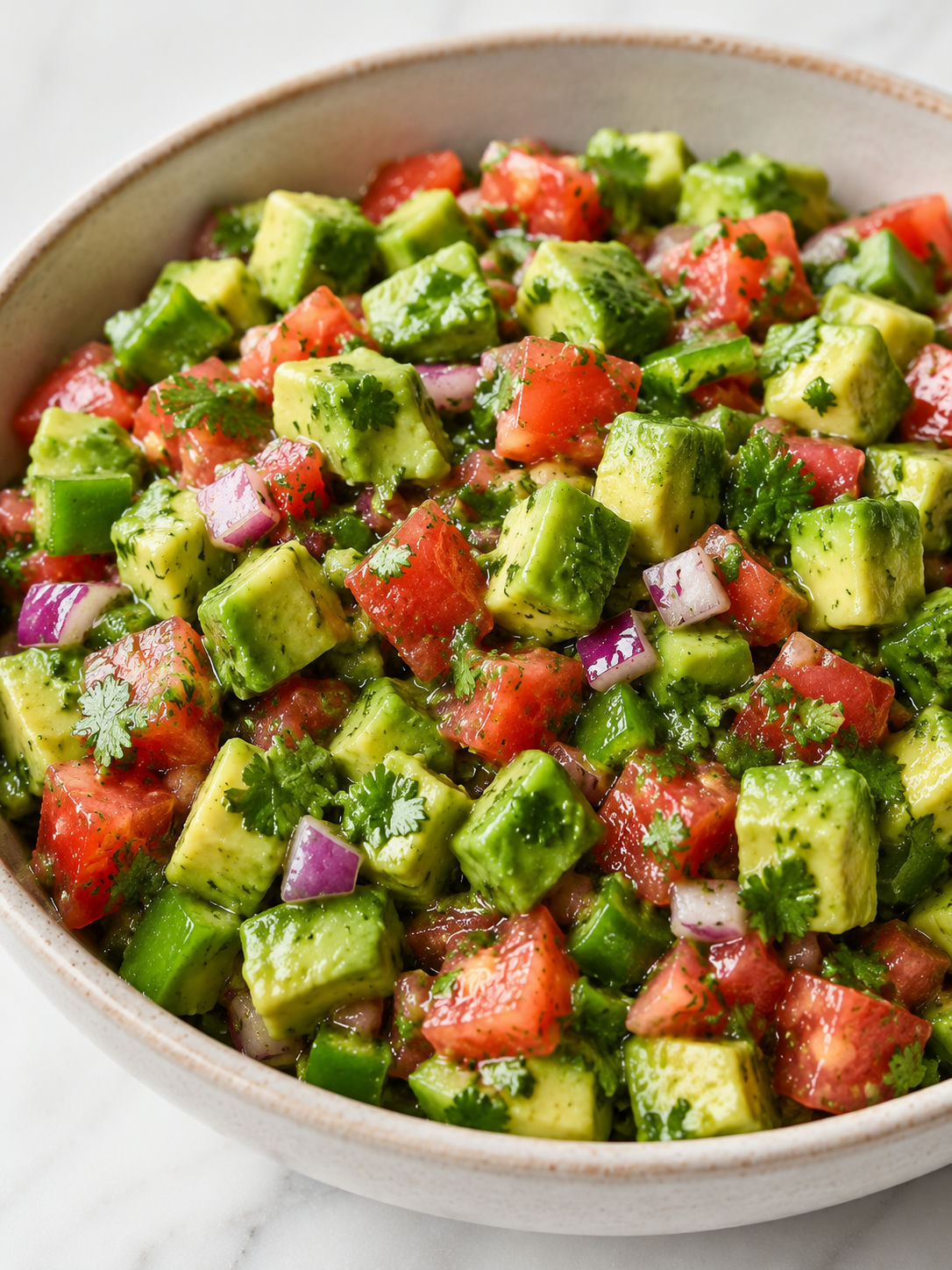
Mashing turns this into guacamole. Dicing keeps it a salsa. The goal is pieces large enough to notice in every bite, about half an inch, with enough intact structure that the lime juice coats them rather than being absorbed entirely.
Avocado ripeness makes or breaks this. An underripe avocado tastes waxy and will not absorb the lime. An overripe one turns brown and mushy before you finish mixing. You want a fruit that gives gently under your thumb but springs back slightly. If yours feel a little firm, leave them on the counter for a day. The California Avocado Commission has a clear ripeness guide worth bookmarking. For a bolder, roasted take on this same flavor combination, the roasted tomatillo avocado salsa on this site is worth a look.
Heat Level and Smart Swaps
One seeded jalapeño gives this salsa a mild background warmth most people enjoy. If you want more fire, leave the seeds in or swap to a serrano, which runs hotter and a little grassier in flavor. For a genuinely spicy version, use half a serrano alongside the jalapeño and taste as you go.
No jalapeño on hand? A pinch of crushed red pepper flakes stirred into the lime juice first works in a bind, though the flavor differs. Mango or diced pineapple folded in at the end adds sweetness that balances the heat nicely, the same idea behind the fresh pineapple salsa on this site that pairs so well with spicy proteins.
What to Eat This Salsa With
Chips are the obvious starting point and this salsa handles that job well. But it also works as a topping anywhere you want something fresh and lightly creamy. Spoon it over grilled or baked chicken thighs, add a scoop to fish tacos or shrimp tacos, or stir it into a burrito bowl instead of plain guacamole.
For a party spread, setting this salsa next to a bowl of the classic guacamole gives guests two distinct textures. The guacamole is smooth and rich. This one is brighter and chunkier. Together they cover a lot of ground at any table.
Storing Leftover Salsa
Avocado browns fast once exposed to air. If you have leftovers, transfer them to a container with a tight lid and press a sheet of plastic wrap directly onto the surface of the salsa before sealing. This cuts off oxygen contact and keeps the color for up to 24 hours in the fridge.
Beyond that, the texture softens and the tomatoes give off liquid that makes the salsa watery. A squeeze of fresh lime juice can bring back some of the brightness. Leftover salsa that has gone a bit soft is still good stirred into scrambled eggs or spread on toast.
FAQs
- How do I stop cilantro lime avocado salsa from turning brown?
Lime juice slows browning but does not stop it completely. Once the salsa is made, press a sheet of plastic wrap directly onto the surface so no air touches the avocado. It will stay green for two to four hours in the fridge. If the top layer browns slightly, give it a stir before serving.
- Can I make this avocado salsa ahead of time?
You can prep the onion, jalapeño, cilantro, and tomato a few hours in advance, but dice the avocado right before serving. Avocado oxidizes fast once cut. If you must assemble the full salsa early, use the plastic wrap method above and plan to serve within two hours.
- What can I substitute for cilantro?
Flat-leaf parsley works in a pinch and gives a grassy, mild flavor rather than the bright, citrusy punch of cilantro. Some people also use fresh mint for a lighter, cooler result. The salsa will taste different but still fresh and good.
- How do I make this salsa spicier or milder?
For more heat, leave the jalapeño seeds in or swap to a serrano, which runs hotter and a little grassier in flavor. For a milder version, remove all seeds and membranes or skip the jalapeño entirely and add a pinch of mild chile powder. You can also add hot sauce to individual servings so everyone adjusts their own bowl.
- What is the difference between this and guacamole?
Guacamole is mashed and creamy with a smooth texture. This avocado salsa keeps the avocado in chunks and adds Roma tomato for color and extra freshness. The consistency is looser and more salsa-like, so it pours over tacos and bowls without sitting in a thick pile.
- Can I blend this for a smoother texture?
Yes. Add all the ingredients to a blender or food processor and pulse a few times until you reach the texture you want. A fully blended version is closer to an avocado crema and makes a great drizzle for tacos or burritos, similar to the cilantro lime crema on this site.
- What do I serve with cilantro lime avocado salsa?
Tortilla chips are the obvious move, but this salsa also works on grilled fish tacos, chicken bowls, burgers, scrambled eggs, and black bean quesadillas. It goes anywhere you want a fresh, creamy topping that is not too heavy.
