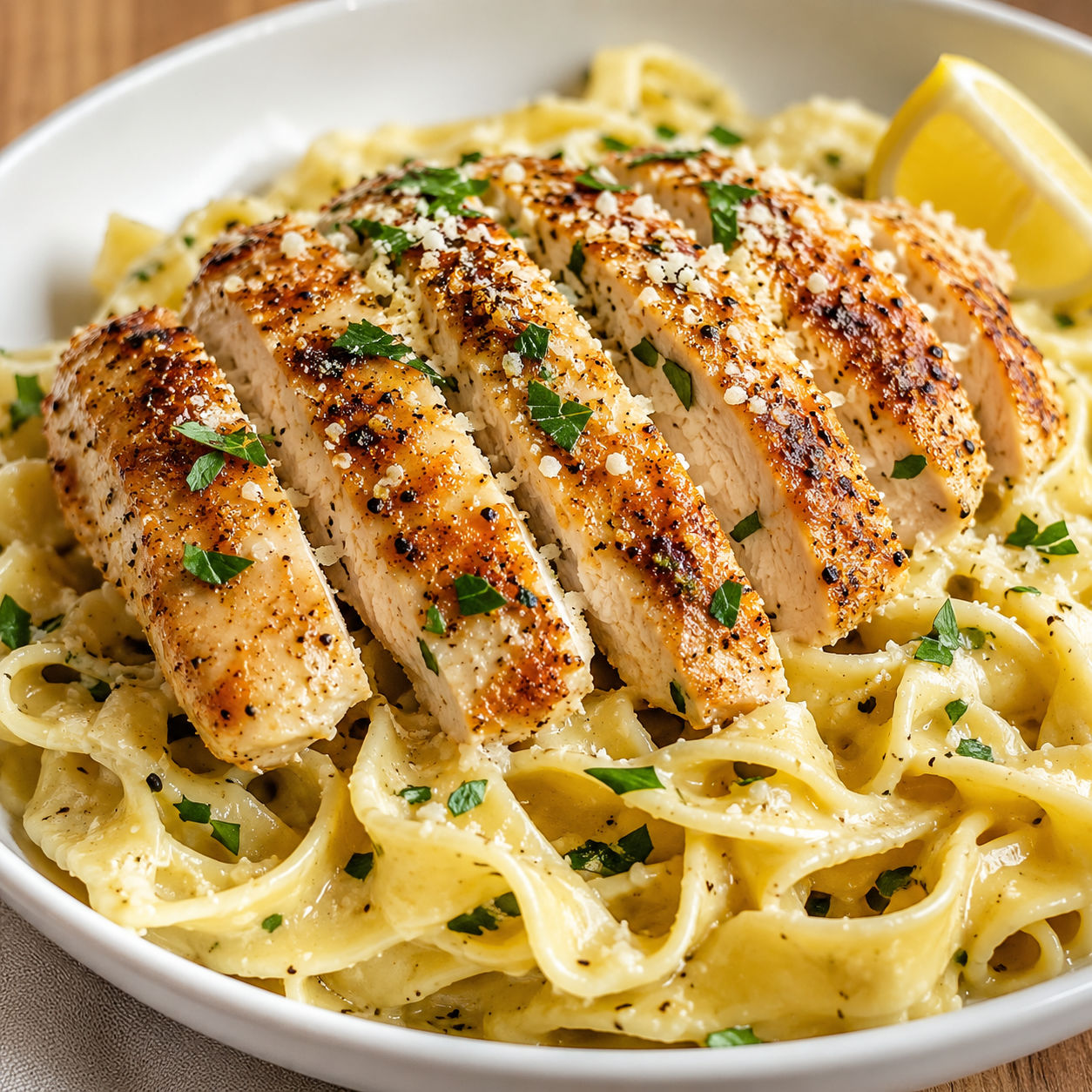
 Pin it
Easy Chicken with Buttered Noodles is the kind of dinner that quiets the room for a few minutes. The chicken is golden outside and juicy inside, while the noodles stay soft, buttery, and lightly garlicky.
I like this on nights when I want comfort without a casserole dish or a long simmer. The same skillet seasons the sauce, and a small splash of pasta water keeps the butter from feeling heavy.
The cozy chicken noodle lineup
Use simple ingredients here, but choose them with care. Wide egg noodles, real butter, fresh garlic, and a block of parmesan make the dish taste fuller without adding much work.
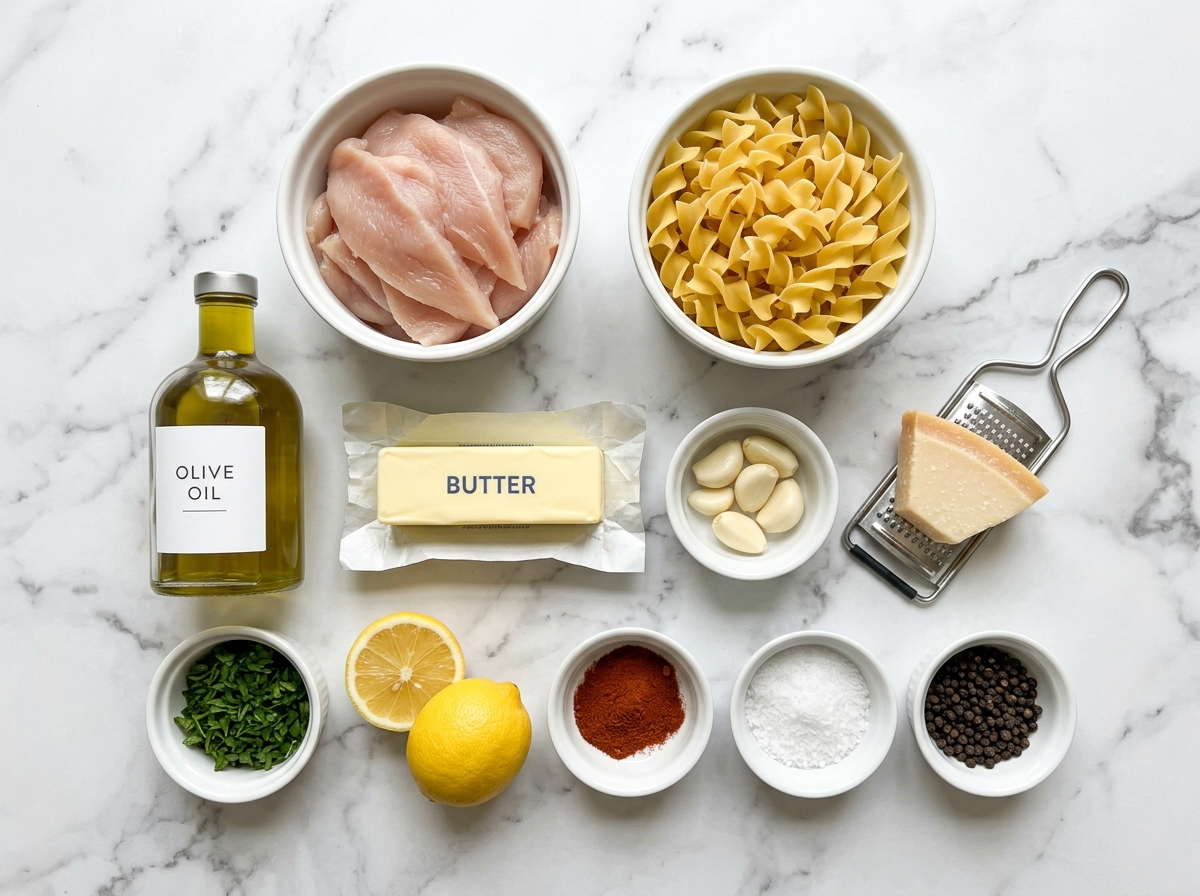
- Chicken breasts. They cook fast and slice neatly over the noodles when rested before cutting.
- Wide egg noodles. Their soft, ruffled shape catches the garlic butter and keeps each bite tender.
- Unsalted butter. It gives the noodles their rich coating while letting you control the salt.
- Olive oil. A little oil helps the chicken brown without burning the butter.
- Garlic. Brief cooking in the skillet gives the sauce a warm savory base.
- Parmesan. Freshly grated cheese melts into the noodles and adds a salty finish.
- Parsley. It brings color and a clean herbal note to the buttery noodles.
- Lemon juice. A small squeeze brightens the pan and keeps the sauce from tasting flat.
Easy Chicken with Buttered Noodles Method
- Season the chicken. Pat the chicken dry and season both sides with salt, pepper, garlic powder, and paprika. Dry chicken browns better and tastes less watery.
- Boil the noodles. Cook the egg noodles in salted water until just tender. Save some cooking water before draining because it helps the butter cling.
- Sear until golden. Cook the chicken in olive oil and a little butter over medium-high heat until browned and 165°F in the thickest part. Rest it on a board.
- Wake up the garlic. Lower the heat and melt the remaining butter in the same skillet. Stir in the garlic for about 30 seconds, just until fragrant.
- Toss the noodles. Add the drained noodles with a splash of pasta water. Toss until glossy, then fold in parmesan, parsley, and lemon juice.
- Slice and serve. Cut the chicken across the grain and lay it over the noodles. Spoon any buttery pan sauce from the skillet over the top.
Why the skillet matters
The best flavor in this recipe starts before the noodles ever hit the pan. When the chicken browns, it leaves tiny seasoned bits on the skillet. Those bits melt into the butter and turn a plain noodle sauce into something that tastes cooked, not just stirred together. Keep the heat high enough for a steady sizzle, but not so high that the spices scorch.
If your chicken breasts are thick, slice them into thinner cutlets or pound them to an even thickness. They will cook faster and stay juicier. The USDA lists 165°F as the safe minimum temperature for poultry, which you can check on the USDA safe temperature chart. For another cozy chicken-and-noodle dinner, try Chicken Buttered Noodles.
The butter sauce should shine
Buttered noodles can turn greasy if the butter sits on the surface. The fix is reserved pasta water. Add a few tablespoons while the skillet is on low heat and toss with tongs until the noodles look glossy. The starch helps the butter and cheese coat the noodles instead of pooling underneath.
Garlic needs a gentle hand. Add it after the chicken comes out and the heat has dropped. If it goes dark brown, it will taste sharp and bitter. Parmesan should go in off the heat or over very low heat so it melts instead of clumping. This is the same cozy, creamy logic behind Creamy Garlic Herb Chicken Pasta, only lighter and faster.
Swaps for busy nights
Chicken thighs work beautifully here. They need a touch more time, but they are forgiving and rich. Rotisserie chicken also works when dinner is already late. Warm the shredded meat in the garlic butter before adding the noodles so it does not taste like an afterthought.
You can swap the egg noodles for linguine, bow ties, or shells. If you want a lighter plate, add steamed broccoli or peas right before serving. For a noodle dinner with a different flavor profile, Easy Chicken Lo Mein leans savory and saucy, while Chicken Stir Fry Rice Noodles is brighter and quicker in the pan.
Storage without dry noodles
Leftovers keep well for up to 3 days in an airtight container in the refrigerator. The noodles will firm up as the butter chills, so reheat them in a skillet with a splash of water, broth, or milk. Stir gently over low heat until the sauce loosens again. The microwave works in a pinch, but use short bursts and stir often.
Freezing is not my first choice. Egg noodles soften after thawing, and the butter sauce can separate. If you need to prep ahead, cook the chicken and chop the parsley earlier in the day. Boil and toss the noodles right before serving. For storage timing, the USDA leftovers guide is a useful reference.
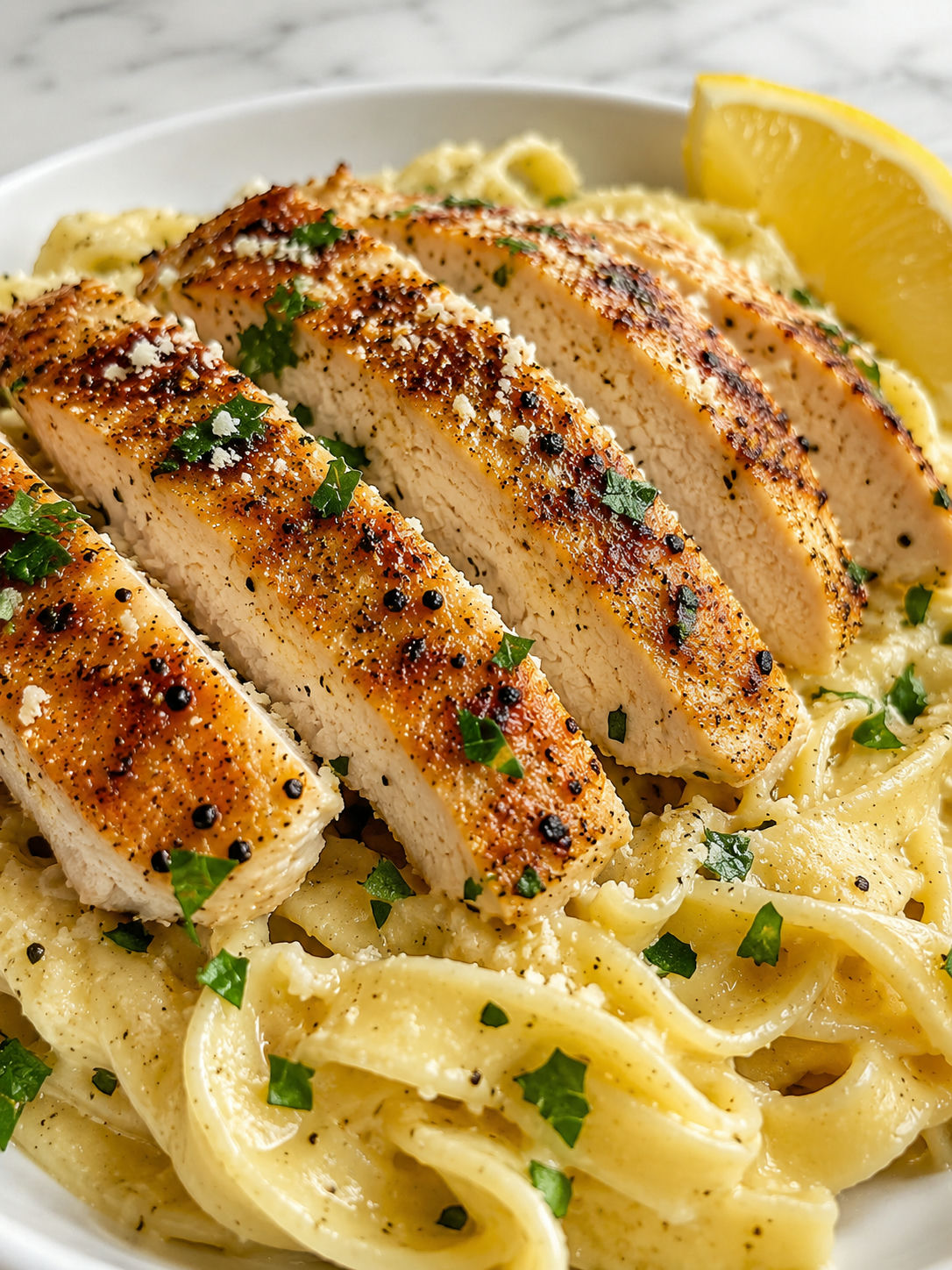
Summary
This cozy skillet dinner is best served hot, with extra parsley and parmesan at the table.

FAQs
- What noodles work best for Easy Chicken with Buttered Noodles?
Wide egg noodles are the best fit because they cook quickly and hold the butter sauce in their folds. Fettuccine or pappardelle can work too, but egg noodles give the dish its classic soft texture.
- Can I use chicken thighs instead of breasts?
Yes. Boneless skinless chicken thighs stay juicy and bring a little more richness. Cook them until browned and fully done, usually a few minutes longer than thin chicken breast cutlets.
- How do I keep the chicken from drying out?
Pat it dry, use medium-high heat, and do not move it too much while it sears. Pull it from the pan when it reaches 165°F, then let it rest before slicing so the juices settle.
- Can I make this ahead?
It tastes best fresh, but you can cook the chicken and boil the noodles ahead. Reheat everything gently in a skillet with a splash of water or broth and a small knob of butter.
- What vegetables can I add?
Peas, steamed broccoli, spinach, or sauteed mushrooms all fit nicely. Add tender greens at the end, and cook firmer vegetables separately so the noodles do not get overworked.
- Can I make it gluten-free?
Yes, use your favorite gluten-free noodles and check that the parmesan and seasonings are gluten-free. The texture will vary by brand, so cook the noodles just until tender and toss gently.
