 Pin it
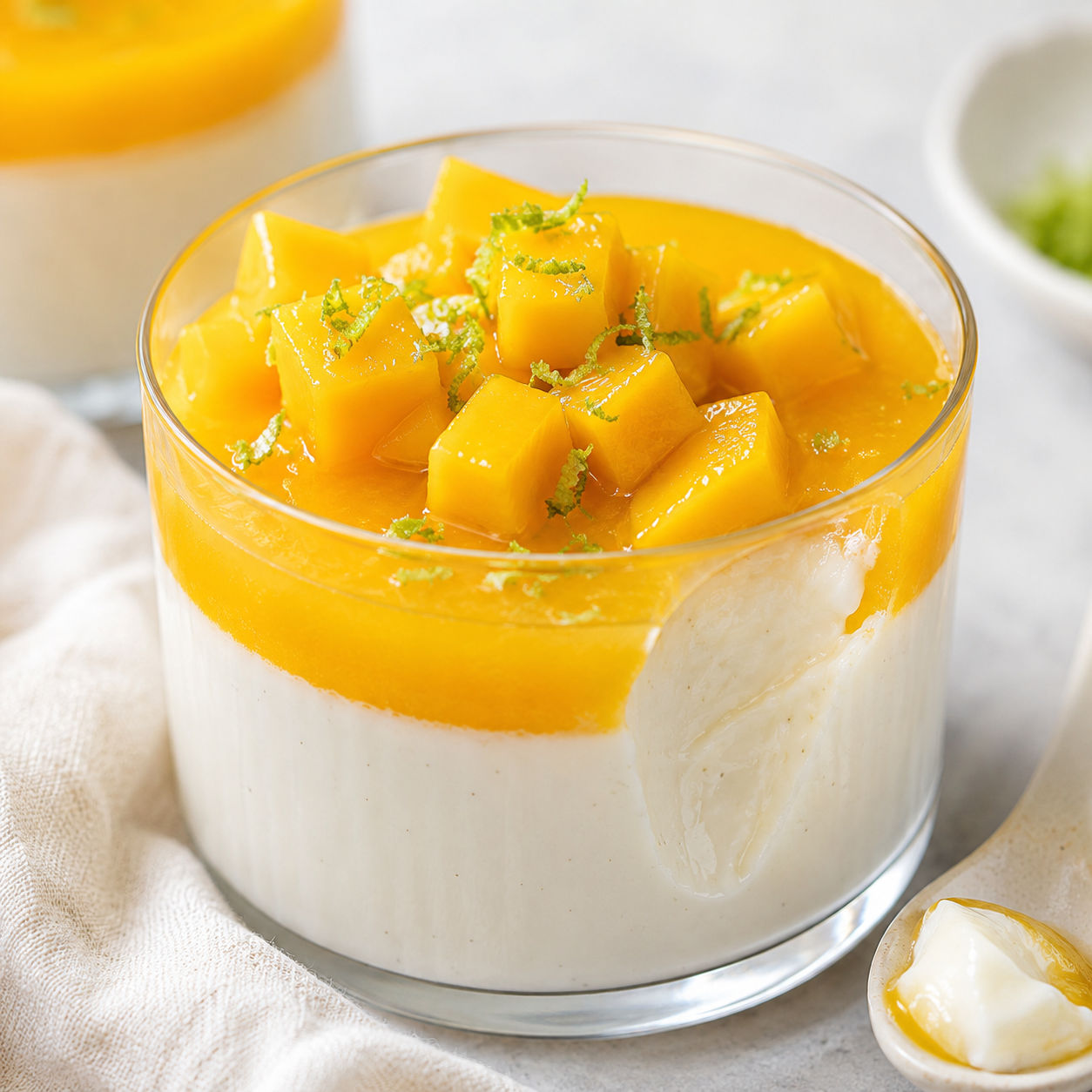
Easy Mango Panna Cotta is the kind of dessert that looks like you fussed, even when the actual cooking takes about 15 minutes. The base is cool and creamy with a soft wobble. The mango layer gives it color, tang, and that ripe fruit smell you notice as soon as the spoon breaks through.
I like this for warm days and family dinners because most of the work happens in the fridge. You can pour it into glasses and skip unmolding, which makes serving much easier.
The key is restraint. Heat the cream until it steams, not until it boils hard. Let the first layer set before the mango goes on top, and you get clean layers with a silky finish.
Cream, mango, and a clean set
Use ripe mangoes that smell sweet near the stem and give slightly when pressed. Heavy cream gives the panna cotta its soft body, while whole milk keeps it from feeling too rich.
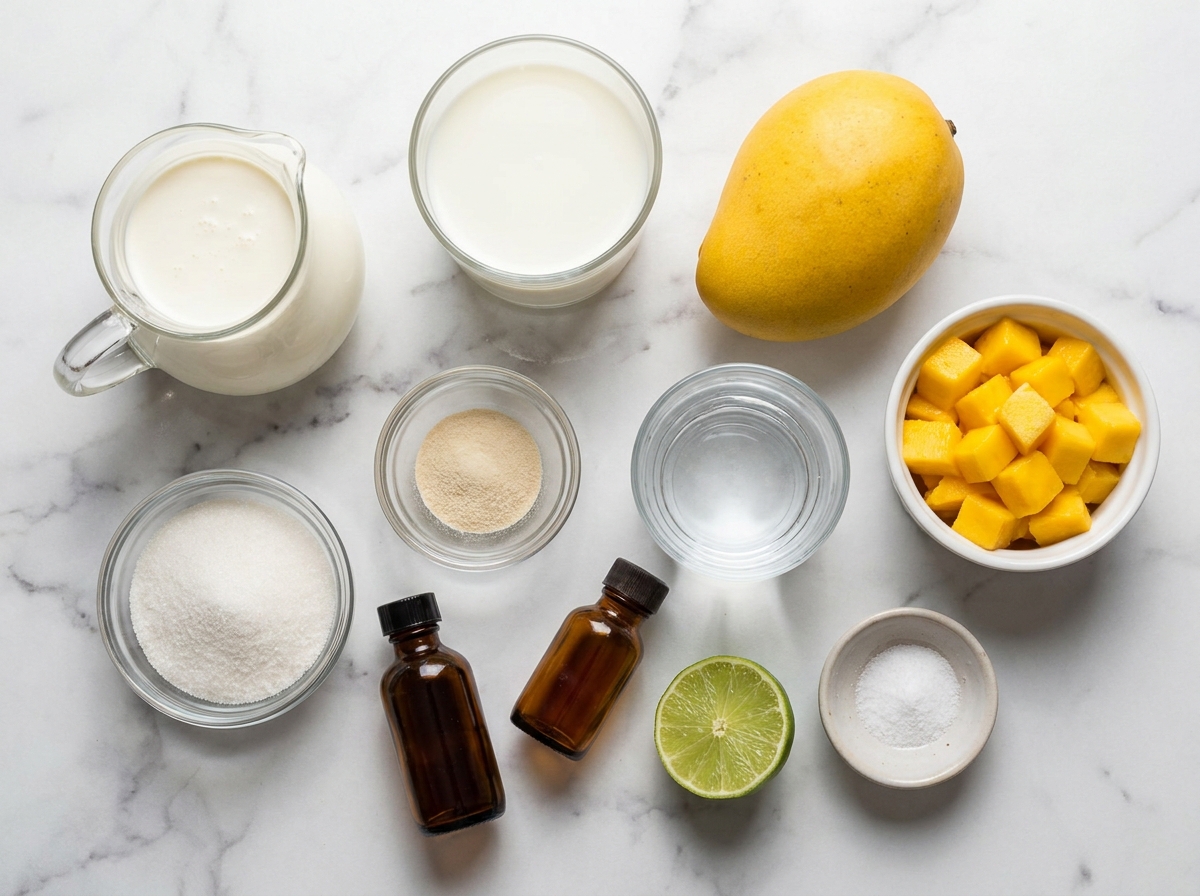
- Heavy cream. Builds the creamy base and gives panna cotta its smooth spoonable texture.
- Whole milk. Lightens the cream so the dessert feels silky instead of heavy.
- Unflavored gelatin. Sets the layers with a gentle wobble when it is bloomed and dissolved properly.
- Granulated sugar. Sweetens both layers without muddying the fresh mango flavor.
- Vanilla extract. Rounds out the dairy layer and makes the mango taste warmer.
- Ripe mangoes. Make the bright topping. Choose fruit that is fragrant and tender, not fibrous.
- Lime juice. Sharpens the mango layer and keeps the dessert from tasting flat.
- Cold water. Blooms the gelatin before it melts smoothly into the warm mixtures.
Easy Mango Panna Cotta method
- Bloom the gelatin. Sprinkle gelatin over cold water and let it stand for 5 minutes. It should look swollen and damp before you heat it.
- Warm the dairy. Heat cream, milk, sugar, and vanilla until steaming. Do not let it boil hard or the texture can taste cooked.
- Dissolve and pour. Whisk in the bloomed gelatin until no grains remain. Divide the cream mixture among glasses and chill until mostly firm.
- Cook the mango layer. Blend mango with sugar and lime, then warm it for a few minutes. This makes it smoother and helps the topping set cleanly.
- Add the mango gelatin. Stir bloomed gelatin into the warm mango puree until dissolved. Cool it until barely warm so it does not melt the cream layer.
- Layer and chill. Spoon the mango mixture over the set panna cotta. Refrigerate until both layers are firm, about 2 more hours.
- Finish cold. Top with diced mango or lime zest right before serving. Serve straight from the fridge for the cleanest texture.
Bloom gelatin, do not rush
Gelatin needs a few quiet minutes in cold water before it can dissolve evenly. If you dump dry gelatin straight into hot cream, it can clump into tiny rubbery bits that never disappear. Sprinkle it over the surface of the water instead of piling it in one spot.
Once bloomed, it melts quickly in the warm dairy. Keep the heat gentle. You want steam and small bubbles around the edge of the pan, not a rolling boil. If you enjoy this texture, try the site's Panna Cotta with Berry Sauce next. The same careful gelatin step makes the berry version smooth too.
Mango texture matters
A ripe mango should feel slightly soft and smell fruity at the stem end. Color is not always reliable. Some varieties stay greenish even when ripe. The National Mango Board ripening guide is helpful if you are choosing fruit a few days ahead.
If your mangoes are stringy, blend the puree longer and pass it through a fine sieve. It takes an extra minute and makes the topping glossy. Frozen mango also works. Thaw it first, drain excess liquid, then blend and taste before adding sugar.
Make-ahead timing
This dessert fits well around a busy meal because it needs chill time anyway. Make the cream layer in the morning, add the mango layer after lunch, and dessert is ready by dinner. You can also finish the whole thing the night before.
Cover the cups only after the tops are fully set. Plastic wrap pressed too early can leave marks on the mango. For a full mango dessert table, pair these cups with Easy Mango Graham Roll or a scoop of Mango Sorbet.
Unmolding without drama
Glasses are the easiest route, but molded panna cotta is nice for a dinner plate. Lightly oil the ramekins with a neutral oil, then wipe out almost all of it with a paper towel. The thin film helps release the custard without leaving a greasy taste.
To unmold, dip the outside of the ramekin in warm water for 3-5 seconds. Run a thin knife around the very top edge only. Invert onto a plate and give it a firm little shake. If nothing moves, warm the mold for another second or two. Too much heat melts the outside.
Serve it bright
Mango panna cotta is rich, so a small acidic finish helps. Lime zest, a spoonful of diced mango, or a few raspberries make each cup taste fresher. Toasted coconut is good too, especially if you want a tropical feel without changing the base recipe.
Keep strong sauces away from the top. Chocolate and caramel can cover the clean mango flavor. If you want a deeper mango dessert with pastry, the site's Mango Curd Tart is a better place for that richer style.
Summary
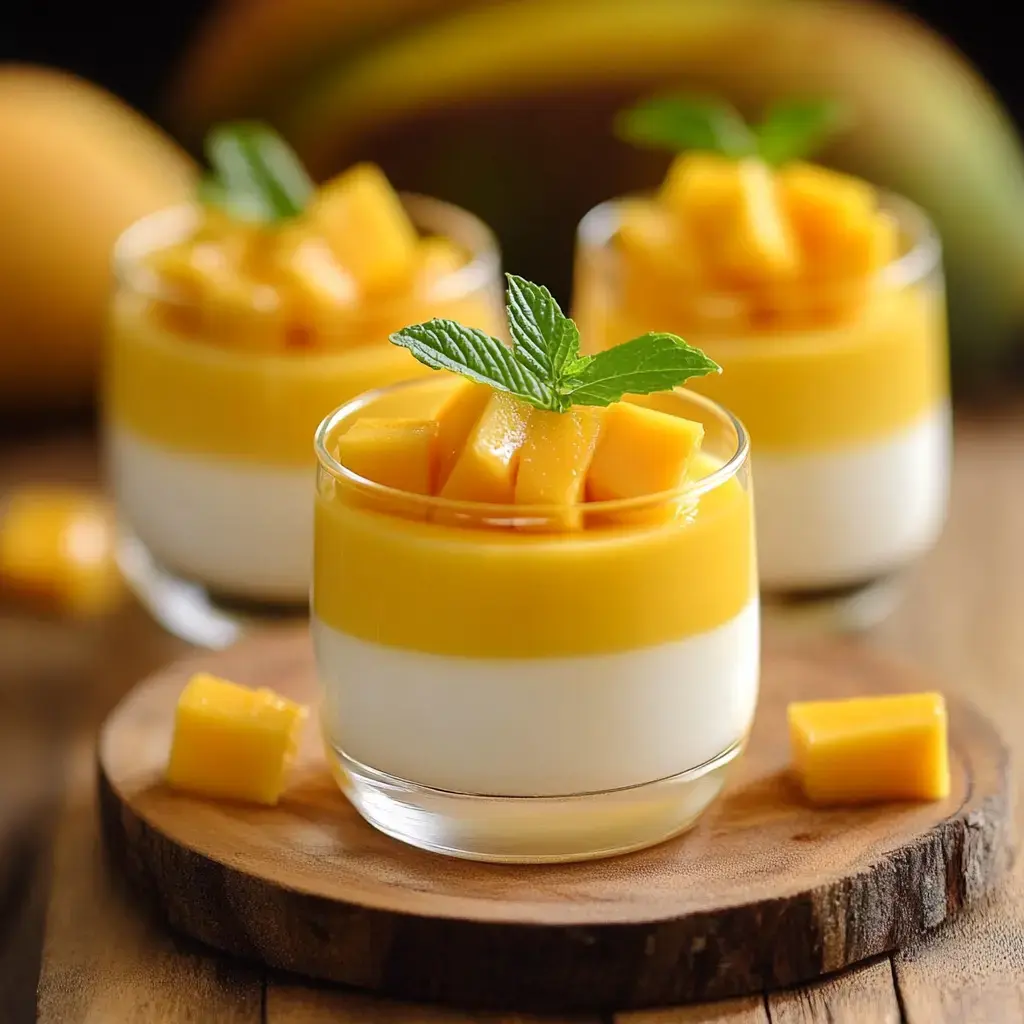
This Easy Mango Panna Cotta uses a gently warmed vanilla cream layer and a smooth mango topping for a fresh make-ahead dessert. Pour it into glasses for easy serving, chill until softly set, and finish with mango and lime.

FAQs
- Can I make Easy Mango Panna Cotta the day before?
Yes. It is actually better when made ahead because the layers need time to chill fully. Cover the cups once set and refrigerate for up to 2 days before serving.
- Can I use canned mango pulp?
Yes, canned mango pulp works well and gives a very smooth topping. Taste it first because some brands are already sweet. Reduce the added sugar if the pulp tastes syrupy.
- Can I use agar instead of gelatin?
You can, but the texture will be firmer and less creamy. Agar also needs to boil briefly to activate. Start with a small amount and expect a cleaner, more jelly-like set.
- Why did my panna cotta not set?
The gelatin may not have bloomed long enough, or it may not have dissolved fully in the warm cream. Very fresh raw mango can also weaken a set, so the mango puree is warmed briefly before chilling.
- Do I have to unmold panna cotta?
No. Serving it in small glasses is easier and still looks pretty. If you want to unmold it, use lightly oiled ramekins and dip the outside in warm water for just a few seconds.
- What should I serve with mango panna cotta?
Fresh diced mango, lime zest, toasted coconut, or a few raspberries all work well. Keep the garnish light so the creamy texture stays the main thing.
