 Pin it
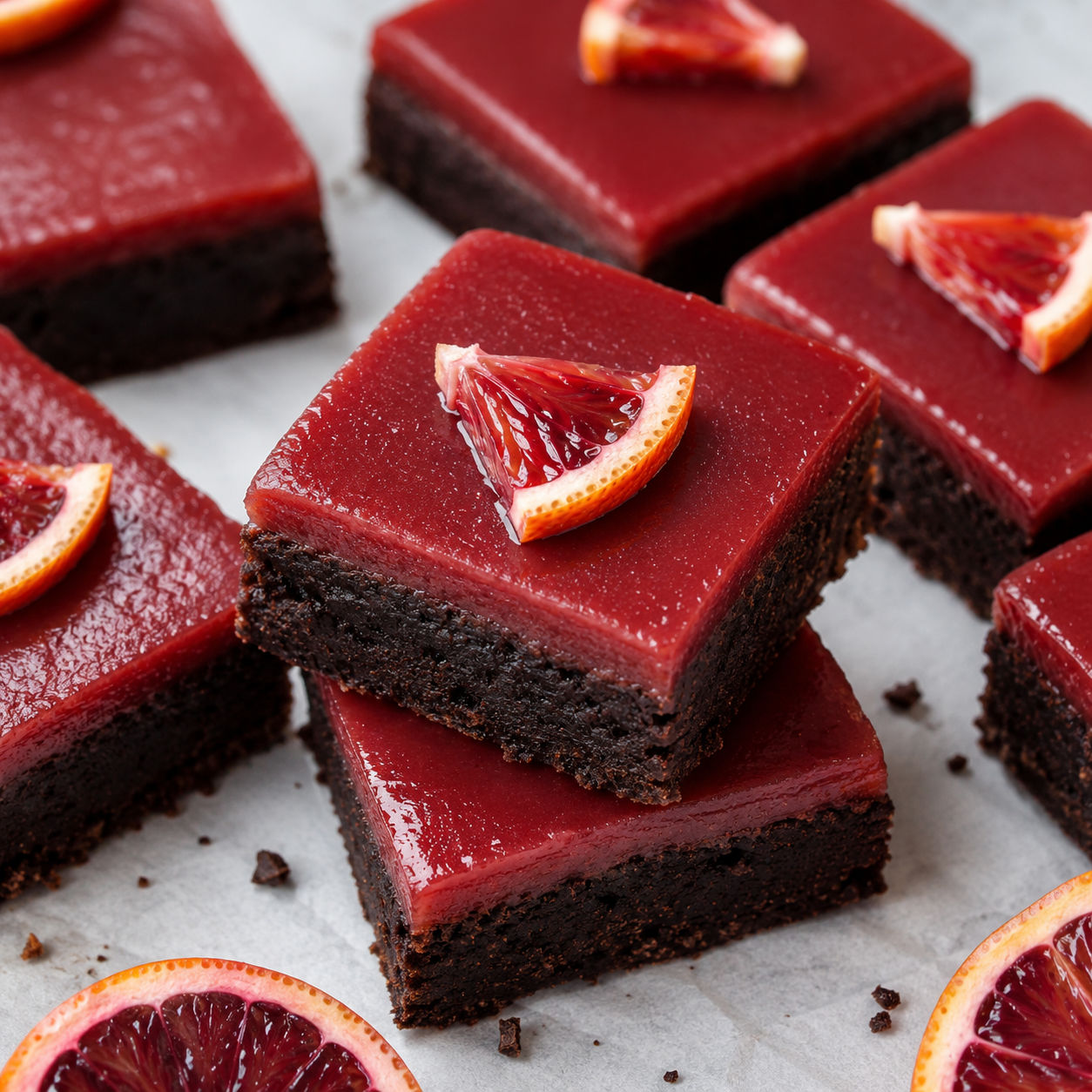
Blood Orange Curd Brownies are for the days when plain chocolate feels a little too quiet. The bottom is dense and fudgy, while the top is smooth, citrusy, and just tart enough to cut through the cocoa.
The real trick is reducing the blood orange juice before it goes into the curd. It makes the color deeper and the flavor sharper, so the orange does not disappear under the chocolate.
Ruby Citrus Brownie Basics
Use juicy blood oranges that feel heavy for their size. Dutch-process cocoa gives the brownie base a darker flavor that holds up well against the tart curd.
- Blood orange juice. The main flavor in the curd. Reducing it makes the citrus taste stronger and the color more concentrated.
- Blood orange zest. Adds fragrant orange oils without adding more liquid.
- Eggs and yolks. Set the curd into a sliceable layer once baked and chilled.
- Granulated sugar. Sweetens both layers and helps the brownie top stay glossy.
- Unsalted butter. Gives the brownie richness and keeps the curd smooth.
- Dutch-process cocoa. Makes the brownie base dark, mellow, and deeply chocolatey.
- All-purpose flour. Gives just enough structure without making the brownies cakey.
- Fine salt. Sharpens the chocolate and keeps the curd from tasting flat.
Bake The Layers Gently
- Reduce the juice. Simmer the blood orange juice until it measures about half a cup. Let it cool for a few minutes so it does not scramble the eggs.
- Cook the curd. Whisk the reduced juice with eggs, yolks, sugar, zest, lemon juice, and salt over gentle heat until slightly thickened. Stir in butter, then strain for a smooth finish.
- Mix the brownie batter. Whisk melted butter with sugar, oil, egg, yolk, and vanilla until shiny. Fold in cocoa, flour, and salt just until no dry streaks remain.
- Parbake the base. Spread the batter in a parchment-lined metal pan and bake until the surface looks set but the center is still soft.
- Add the curd. Pour the warm curd over the brownie layer and spread it lightly. Bake again until the curd barely jiggles in the middle.
- Cool and chill. Cool at room temperature, then refrigerate until firm. Slice cold with a warm knife for clean layers.
Why Reduced Juice Matters
Orange juice can taste thin once it meets dark chocolate. A short simmer fixes that. Start with one cup of blood orange juice and reduce it to half a cup before making the curd. The flavor turns rounder and the color gets more dramatic.
This is the same idea that makes citrus fillings work in desserts like Mango Curd Tart and Lemon Curd Brûlée Cookies. Less water means a clearer fruit flavor and a cleaner set.
Getting A Smooth Curd
Cook the curd slowly and keep the whisk moving. If the bowl or pan gets too hot, the eggs can form tiny bits before the curd thickens. A thermometer helps. The Washington Post blood orange curd method uses steady heat and a final strain for a silky texture.
For food safety, use pasteurized eggs if serving anyone at higher risk, and follow the FDA egg safety guidance. In this recipe the curd is cooked first, then baked again on top of the brownie.
The Brownie Base Should Fudge
The base needs to be sturdy enough to hold the curd but still soft in the middle. Melted butter, cocoa, and a small amount of flour keep it dense. Whisk the egg and sugar well before adding the dry ingredients. That small effort helps the brownie bake up glossy instead of greasy.
A light-colored metal 8-inch pan gives the most even result. Glass pans hold heat differently and can overbake the edges before the center is ready. If you love classic chocolate bars, try Lunchroom Ladies Brownies Chocolate on a day when you want a simpler cocoa square.
Color Changes Are Normal
Blood oranges are unpredictable. One batch may give you a deep wine-colored curd and the next may bake up coral or soft pink. Choose fruit with weight and a blush on the rind when you can, but the inside is still a surprise.
If color matters for a party tray, juice one orange before shopping for the rest. A tiny splash of beet juice can deepen the shade without changing the flavor much. I skip food coloring because the natural color feels more honest, even when it lands closer to sunset than ruby.
Serving And Storing Squares
These brownies cut best after at least 2 hours in the fridge. Warm the knife under hot water, wipe it dry, and clean it between cuts. The neat layers are worth the extra minute.
Serve them cold with coffee, or lean into the citrus and pair them with the Blood Orange Margarita Cocktail for a dessert table. Leftovers keep in the fridge for 3 days. The brownie softens a little by day three, but the orange flavor gets deeper.
Summary
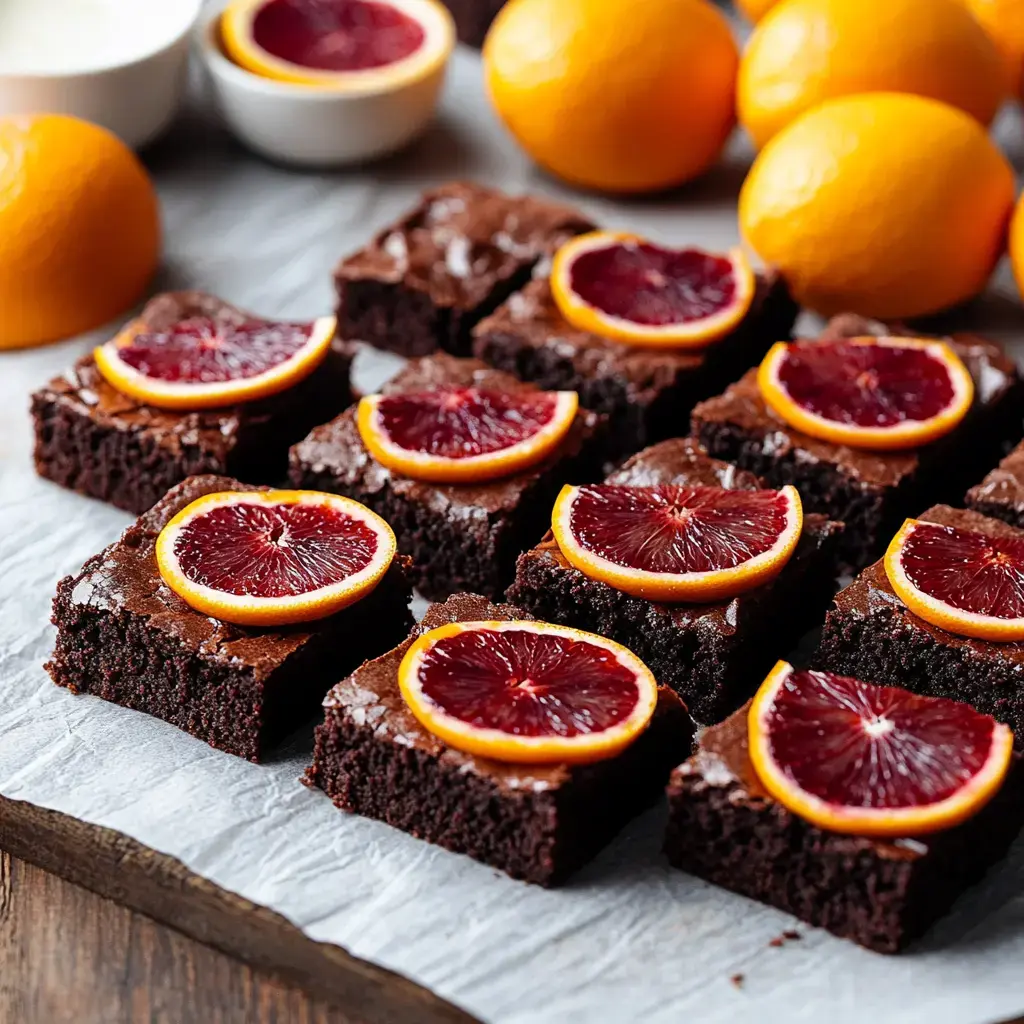
Serve these brownies cold from the fridge for the neatest layers and the cleanest citrus flavor.
FAQs
- Can I make Blood Orange Curd Brownies with regular oranges?
Yes, but the flavor will be softer and the color will be more orange than pink. Cara Cara oranges are a good backup because they have a gentle berry-like flavor and a prettier tint than navel oranges.
- Why did my curd turn pale instead of red?
Blood oranges vary a lot inside. Some look deep ruby and others are mostly orange. Reducing the juice helps, but the final color still depends on the fruit you start with.
- How do I know the curd layer is baked enough?
The top should look set around the edges and barely wobble in the center when you nudge the pan. It will finish firming as it cools and chills, so do not bake until it looks dry.
- Can I make these brownies ahead?
Yes. They are better after a few hours in the fridge. Bake them the day before, chill the full pan, then slice with a warm clean knife before serving.
- Do Blood Orange Curd Brownies need to be refrigerated?
Yes. The curd contains eggs, so store the brownies in an airtight container in the fridge. They keep well for about 3 days and taste best cold or just slightly cool.
- Can I freeze them?
You can freeze them, but the curd may lose a little of its smooth shine after thawing. Freeze cut squares in a single layer, then wrap well and thaw overnight in the fridge.
