 Pin it
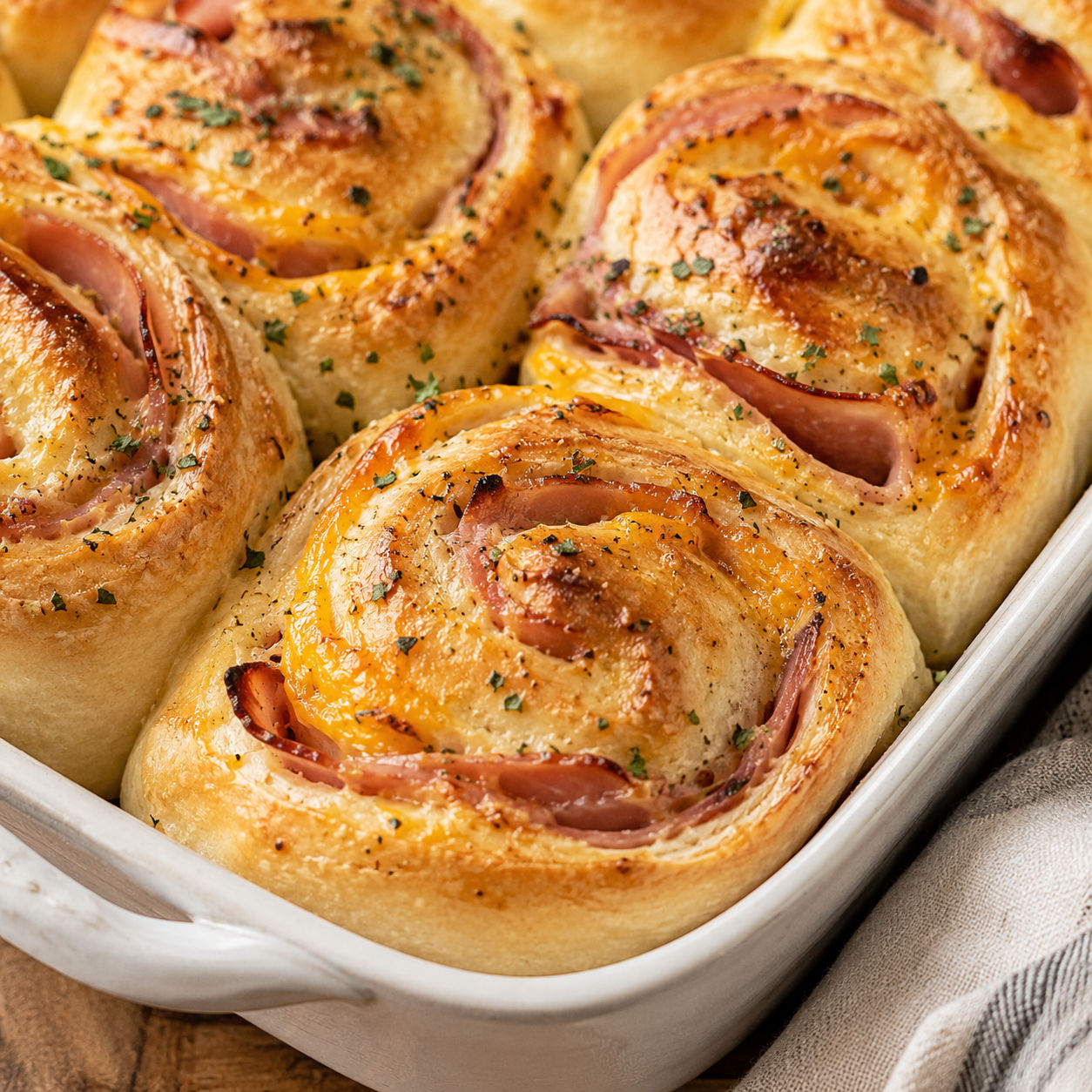
These rolls are what happens when a ham and cheese sandwich decides to get cozy. Soft, warm bread spirals around salty ham and melted cheese, and every bite pulls apart in the best way.
I bake them when I need something that works for brunch, packed lunches, or a simple dinner side. They look impressive on a platter but they come together with basic pantry staples and one straightforward dough.
What builds the dough
The dough is an enriched yeast dough, which means milk, butter, and egg give it a tender crumb and a hint of sweetness. Use whole milk if you have it. The extra fat keeps the rolls soft even after they cool.
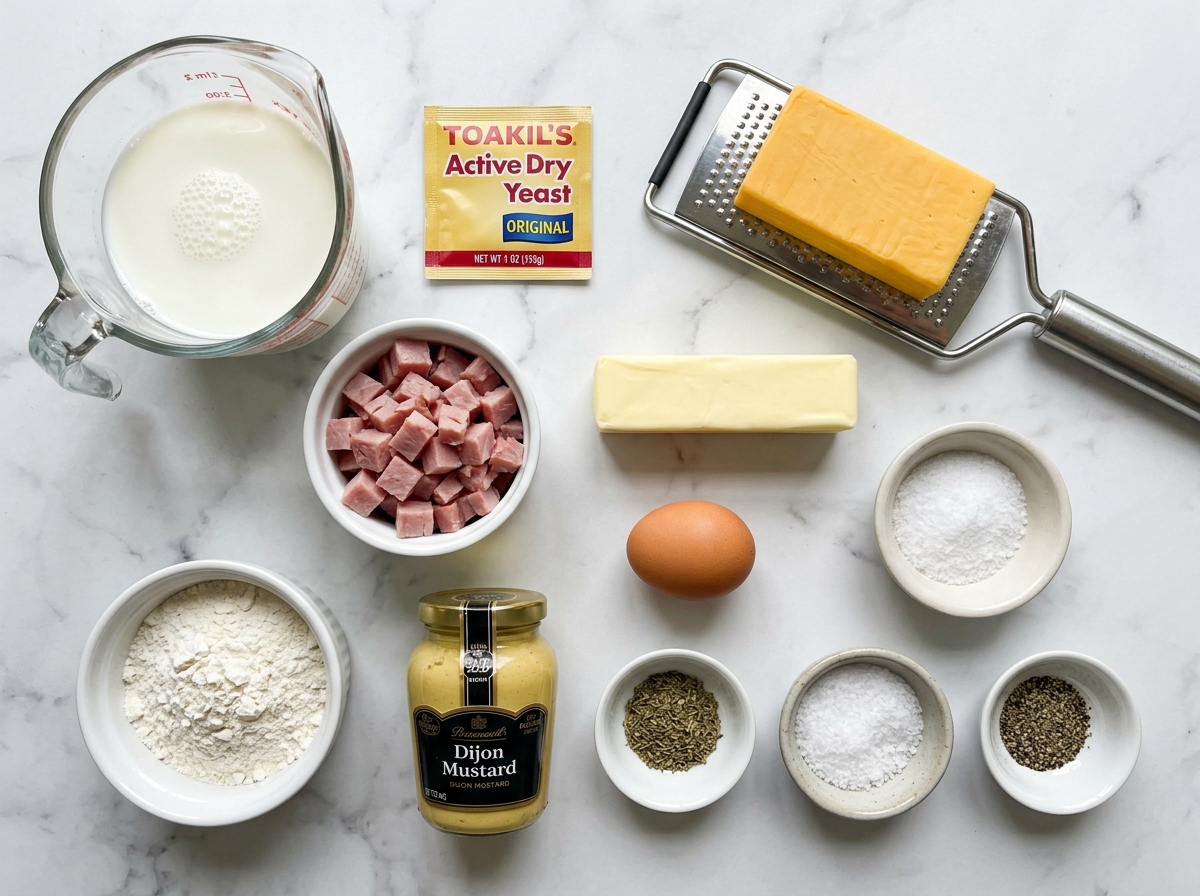
- Whole milk. Warmed just enough to wake the yeast without killing it. Whole milk gives the softest crumb.
- Active dry yeast. The leavening that creates the light, airy texture. Let it foam before adding flour so you know it is alive.
- Unsalted butter. Adds richness and keeps the interior tender. Melt it first so it blends evenly.
- Cooked ham. Dice it small so it stays put while you roll and slice. Leftover holiday ham works great here.
- Shredded cheese. Cheddar melts into gooey ribbons, while Gruyère adds a nutty depth. Shred from a block for the smoothest melt.
- Dijon mustard. A thin smear on the dough adds a quiet tang that cuts through the richness.
How to shape the rolls
- Wake the yeast. Stir warm milk, sugar, and yeast together in a large bowl. Let it sit for five to ten minutes until the surface looks foamy and smells like bread.
- Mix the dough. Add the egg, melted butter, flour, and salt. Knead by hand or with a dough hook for six to eight minutes until the dough is smooth and springs back when poked.
- First rise. Cover the bowl and let the dough rise in a warm spot for about an hour. It should double in size and feel pillowy.
- Prep the filling. Toss diced ham with shredded cheese, a pinch of pepper, and herbs. If you like a little kick, stir in a spoonful of Dijon.
- Roll and fill. Turn the dough out onto a lightly floured surface and roll it into a twelve-by-sixteen-inch rectangle. Spread the filling evenly, leaving a half-inch border on one long edge. Roll tightly from the opposite long side and pinch the seam to seal.
- Slice and proof. Cut the log into twelve even pieces. Arrange them cut-side up in a greased nine-by-thirteen-inch pan. Cover and let them rise for thirty to forty-five minutes until puffy.
- Bake. Brush the tops with egg wash. Bake at 375°F (190°C) for twenty-two to twenty-six minutes until the tops are deep golden and the cheese bubbles at the edges. Brush with melted butter right out of the oven.
Tighter rolls hold the filling
The most common problem with savory rolls is filling that spills out during slicing. The fix is a tight roll and a sharp knife. Roll the dough snugly, pressing gently as you go so no gaps form between the layers. A bench scraper or a serrated bread knife works better than a dull chef's knife because it saws cleanly without squashing the spiral.
If the dough keeps shrinking back while you roll, let it rest for five minutes. Gluten needs a break before it will stretch. Once rolled, pop the log into the fridge for fifteen minutes. Cold dough firms up and slices much cleaner than warm dough.
Cheese that melts cleanly
Pre-shredded bagged cheese is convenient but it is coated in starch that can make the filling grainy and separate in the oven. Shred your own from a solid block. Cheddar gives you that classic orange swirl and sharp flavor. Gruyère melts like a dream and adds a nutty, slightly funky note that pairs beautifully with ham. You can even mix the two for color and depth.
If you want a milder roll, use mozzarella or a young Gouda. Avoid very hard cheeses like aged Parmesan as the main filling. They do not melt enough to bind the layers together. If you love the ham and cheese combo in bread form, our Ham and Cheese Rolls are a faster no-yeast version.
Make ahead and freeze
These rolls are ideal for prepping ahead. Assemble the rolls through the slicing step, then cover the pan tightly and refrigerate overnight. In the morning, let them sit at room temperature for twenty minutes while the oven preheats, then bake as usual. The cold slow-rise actually deepens the flavor slightly.
To freeze unbaked rolls, arrange the sliced dough on a parchment-lined tray and freeze until solid. Transfer to a freezer bag and store for up to one month. When you are ready to bake, place them in the pan, cover, and let them thaw and rise for about an hour and a half. Baked rolls also freeze well. Wrap individually and reheat in a 325°F oven for ten minutes. For a totally different texture, Ham and Cheese Butter Swim Biscuits skip the yeast and bake up crisp on the edges.
What to serve alongside
A basket of warm ham and cheese rolls turns a simple soup into a real meal. Serve them with tomato soup, a light vegetable soup, or a crisp green salad dressed with lemon. They also fit right into a brunch spread next to fruit and eggs. For parties, slice them in half and offer mustard or herb butter on the side.
If you need a smaller handheld version for game day or lunch boxes, try our Easy Ham and Cheese Sticks. They use the same flavors in a finger-friendly shape.
Why the second rise matters
It is tempting to rush the second rise and shove the pan straight into the oven. Resist. That final proof is what gives the rolls their light, airy crumb and even browning. During this rise, the yeast produces carbon dioxide that expands the gluten network one last time before the heat sets it.
Check readiness by gently pressing a roll with your finger. If the indentation springs back slowly and only partially, they are ready. If it springs back immediately, give them another ten minutes. Under-proofed rolls will be tight and dense. Over-proofed rolls may collapse in the oven. For more on yeast behavior, King Arthur Baking has a solid yeast guide.

FAQs
- Can I use instant yeast instead of active dry?
Yes. Use the same amount and mix it directly into the flour. You can skip the foaming step but the dough still needs the full rising time.
- What kind of ham works best?
Any cooked ham you like. Deli ham sliced thick and diced small works well. Leftover spiral ham or honey ham are both great. Just avoid raw ham.
- Can I make these ahead and refrigerate overnight?
Absolutely. Assemble the rolls in the pan, cover tightly, and refrigerate for up to twelve hours. Let them sit at room temperature for twenty minutes before baking.
- Can I freeze the unbaked rolls?
Yes. Freeze the sliced rolls on a tray until solid, then bag them. Thaw and rise in the pan for about ninety minutes before baking.
- Why did my rolls come out dense?
Dense rolls usually mean under-proofing or expired yeast. Make sure the dough truly doubles in the first rise and the rolls look puffy before baking.
- Can I add vegetables to the filling?
Sure. Sautéed onions, wilted spinach, or roasted peppers add great flavor. Just cook and drain them well so they do not make the dough soggy.
- What cheese can I substitute for cheddar?
Gruyère, Gouda, mozzarella, or a mild Swiss all melt nicely. Shred from a block for the smoothest texture.
