 Pin it
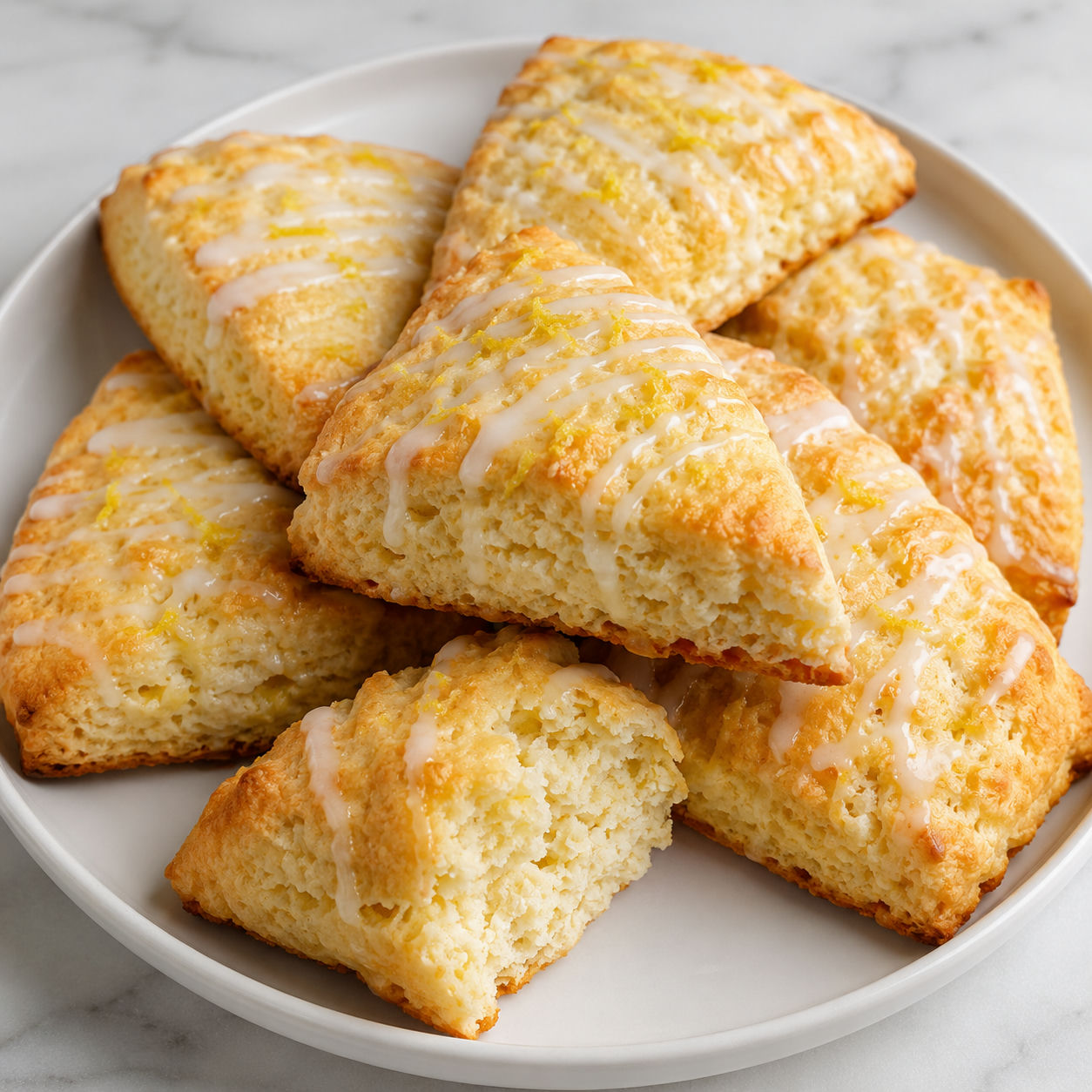
Gluten Free Lemon Cottage Cheese Scones are the kind of bake that feels fresh even before the glaze goes on. Lemon zest perfumes the dough, while cottage cheese keeps the inside soft instead of dry or sandy.
I like these for breakfast because they are sturdy enough to pick up, but still tender in the middle. The dough is forgiving if you measure carefully and give it a short chill before it hits the oven.
Gluten Free Lemon Cottage Cheese Scones Basics
The best version starts with a reliable cup-for-cup gluten-free flour blend that already contains xanthan gum. Full-fat cottage cheese gives the dough moisture and a little tang without making the scones taste cheesy.
- Gluten-free flour blend. Gives the scones structure, especially if the blend includes xanthan gum.
- Almond flour. Adds tenderness and a lightly nutty crumb that helps gluten-free dough taste less starchy.
- Cold unsalted butter. Creates flaky pockets and crisp edges as it melts in the oven.
- Cottage cheese. Keeps the center moist and adds gentle tang.
- Egg. Helps bind the dough and gives the scones a richer texture.
- Lemon zest and juice. Bring clean citrus flavor to the dough and glaze.
- Sugar. Sweetens the dough just enough for breakfast or brunch.
- Baking powder. Gives lift so the scones bake high instead of dense.
- Milk or cream. Loosens the dough only as much as needed.
- Powdered sugar. Makes a quick lemon glaze for the tops.
Bake Them Tender and Bright
- Heat the oven. Set the oven to 400°F and line a baking sheet with parchment so the scones brown without sticking.
- Mix the dry base. Whisk the gluten-free flour, almond flour, sugar, baking powder, salt, and lemon zest until the zest is evenly scattered.
- Cut in the butter. Work cold butter into the flour until the biggest pieces are pea-size. Those little pieces help make the edges crisp.
- Add the wet ingredients. Stir in cottage cheese, egg, lemon juice, and just enough milk to make a thick, shaggy dough.
- Shape and chill. Pat the dough into a 7-inch round, cut it into 8 wedges, and chill for 15 minutes so the butter firms back up.
- Bake and glaze. Bake until golden at the edges and set in the middle, then cool briefly and drizzle with lemon glaze.
Cold Butter Matters
Scones need cold fat. That rule matters even more with gluten-free dough because there is no gluten network to hold a tall shape. If the butter melts before baking, the dough spreads and the inside turns heavy. Cut the butter into small cubes and keep it in the fridge until the dry ingredients are ready. Use your fingertips, a pastry cutter, or quick pulses in a food processor. Stop while you can still see small butter bits.
After shaping, the short chill is not optional. Fifteen minutes is enough to firm the butter and hydrate the flour. If you enjoy high-protein bakes with a similar cottage cheese trick, the protein bagels with cottage cheese use the same idea in a chewier form.
Handle Cottage Cheese Wisely
Cottage cheese varies a lot by brand. Some tubs are thick and creamy. Others have loose whey sitting around the curds. That extra liquid can make scone dough sticky, so check before you mix. If the cottage cheese looks watery, spoon it into a fine-mesh sieve or blot it with paper towels. Do not blend it smooth for this recipe. The small curds soften in the oven and help the crumb stay tender.
Full-fat cottage cheese gives the best flavor and texture. Low-fat works, but the scones bake a little less rich. For another breakfast that leans on cottage cheese for creamy protein, try cottage cheese and fig toast.
Choose The Right Flour
Use a measure-for-measure gluten-free flour blend made for baking. A blend with rice flour, starches, and xanthan gum is easiest here. Single flours like coconut flour or oat flour will not behave the same. Almond flour is included for softness, but it does not replace the flour blend. If you need a nut-free version, use more gluten-free flour blend in place of the almond flour and add 1 extra tablespoon of milk only if the dough feels dry.
For broader gluten-free baking basics, the King Arthur Baking gluten-free guide is a useful reference. If you want a savory gluten-free meal later, bookmark the quick gluten-free summer spaghetti.
Build Real Lemon Flavor
The zest carries most of the lemon flavor. Rub it into the sugar with your fingertips before adding the flour if you have a minute. It releases the citrus oils and makes the dough smell bright all the way through. Lemon juice adds sharpness, but too much can make the dough wet and dense, so the bigger hit of juice belongs in the glaze.
Let the scones cool for at least 10 minutes before glazing. Warm scones make the glaze disappear into the crust. Slightly cooled scones keep that thin, shiny drizzle on top. For a sweeter lemon dessert, the lemon pistachio cake has the same bright citrus feel in a softer cake.
Store And Reheat Gently
These scones taste best the day they are baked, while the edges are still a little crisp. Store cooled leftovers in an airtight container at room temperature for one day, or refrigerate for up to three days. Reheat in a 300°F oven for 5-7 minutes. The oven brings back the crumb better than the microwave, which can make gluten-free baked goods rubbery.
For longer storage, freeze the baked scones without glaze. Add glaze after thawing for a fresher finish. General refrigerator and freezer timing can be checked against the FoodSafety.gov cold storage chart.
Summary
Serve these scones slightly warm with coffee, tea, or fresh berries. Leftovers reheat well in a low oven for a few minutes.
FAQs
- Can I use regular flour instead of gluten-free flour?
Yes, but the recipe will no longer be gluten free. Use the same measured amount of all-purpose flour and skip any extra xanthan gum if your flour is wheat-based.
- What kind of cottage cheese works best?
Use full-fat small-curd cottage cheese for the best texture. If it looks very wet, blot it with paper towels or drain it in a fine-mesh sieve for 5 minutes before mixing.
- Why did my gluten-free scones spread?
The butter may have softened too much, or the dough may have been too wet. Chill the shaped scones for 15 minutes and add the milk slowly so the dough stays thick and shaggy.
- Can I make the dough ahead?
Yes. Shape the scones, cover them, and refrigerate overnight. Bake straight from the fridge and add 1-2 minutes if they still feel cold in the center.
- Can I freeze these scones?
You can freeze them before or after baking. Freeze unbaked wedges on a tray, then store in a freezer bag and bake from frozen with a few extra minutes added.
- What can I serve with lemon cottage cheese scones?
They are lovely with berries, honey, lemon curd, or plain Greek yogurt. For a bigger brunch, serve them with eggs or a fruit salad.
