 Pin it
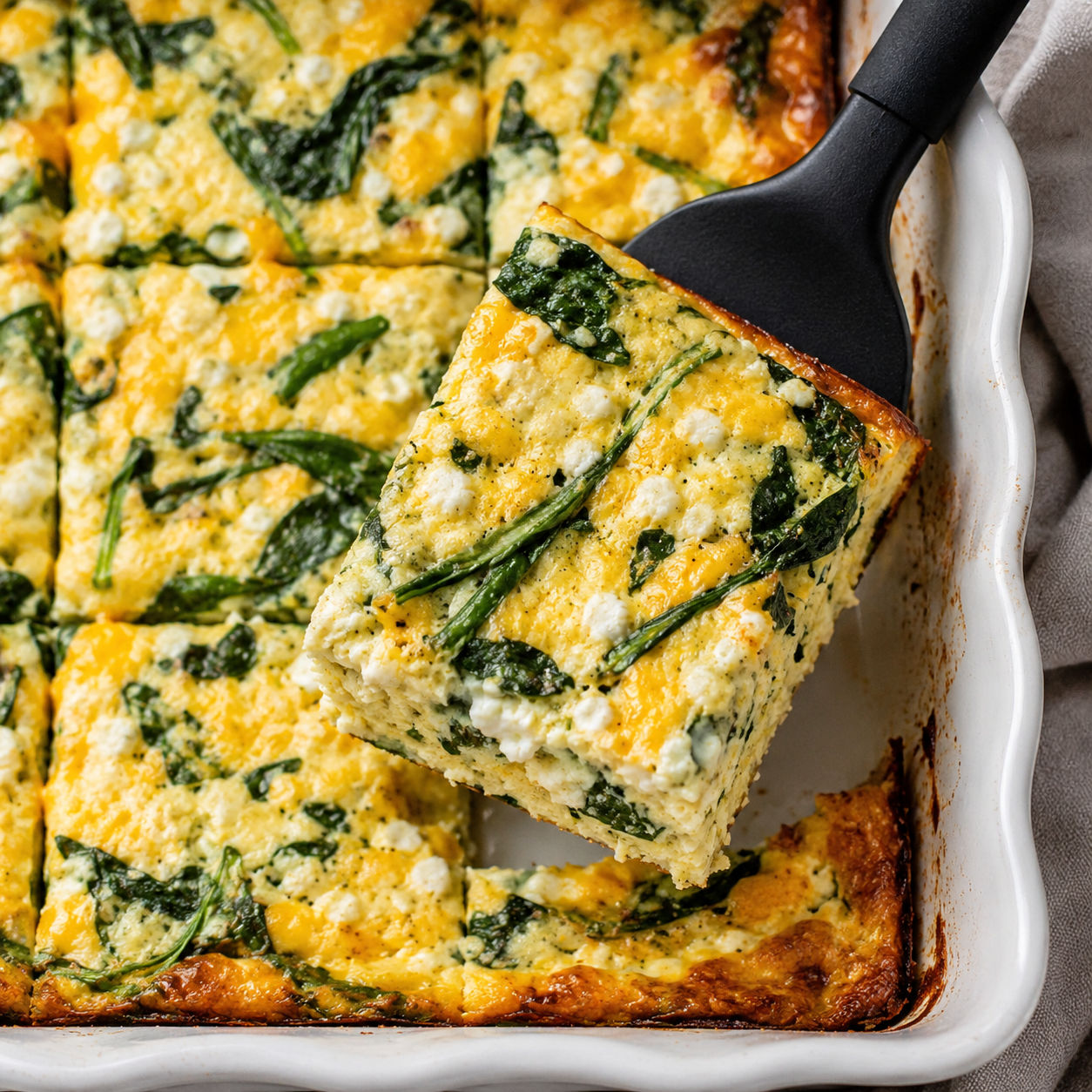
This Easy Cottage Cheese Egg Bake is the kind of breakfast I like to keep in the fridge when mornings are tight. The cottage cheese melts into the eggs, so you get a soft, creamy texture without standing at the stove.
It tastes like a crustless breakfast casserole, but lighter and more practical. A square reheats well, holds together in a lunch box, and works with toast, fruit, or a quick salad.
Creamy Breakfast Bake Lineup
Use cottage cheese you like eating on its own, since it brings most of the creaminess. Fresh eggs, chopped spinach, and a little sharp cheese keep the bake tender without making it heavy.
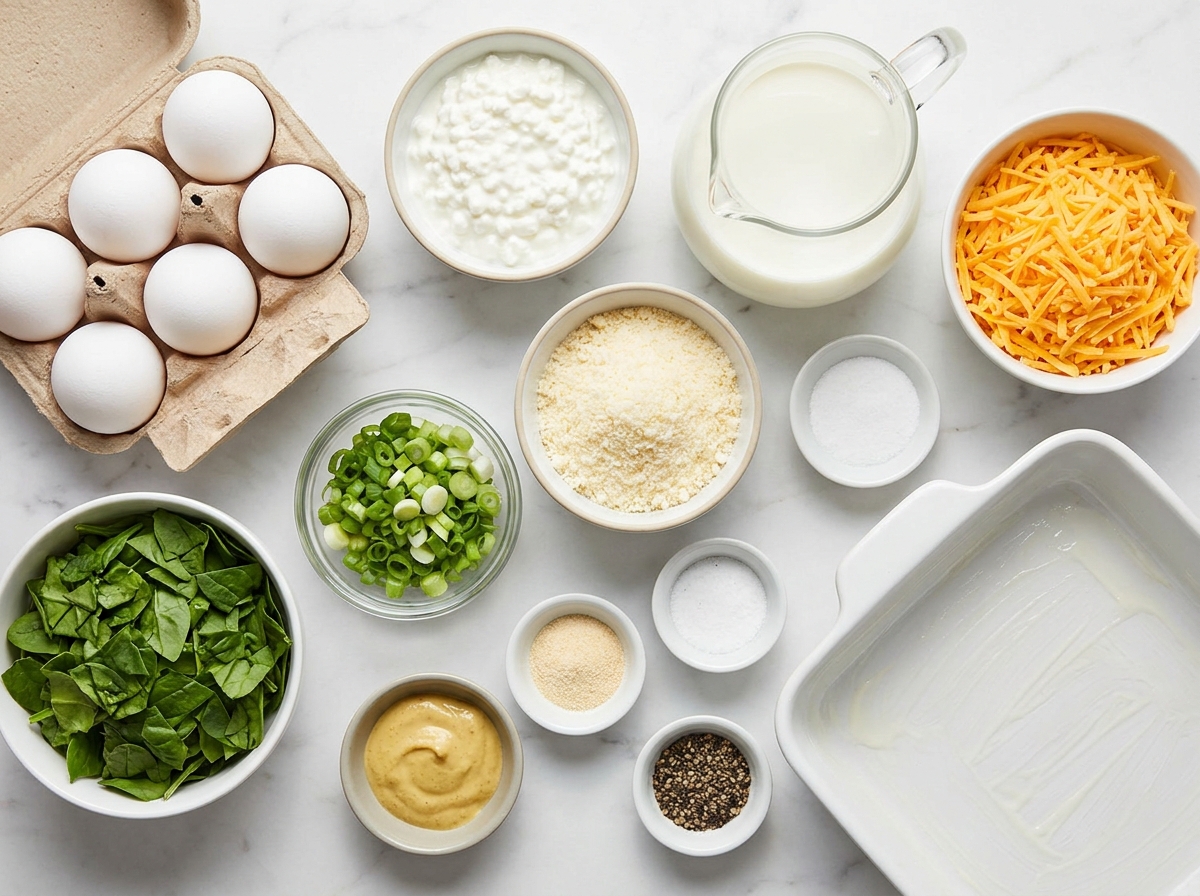
- Eggs. They set the casserole and give each slice a custardy center.
- Cottage cheese. Adds protein, moisture, and a creamy bite that melts into the bake.
- Milk. Loosens the egg mixture so it bakes up soft instead of dense.
- Cheddar cheese. Adds savory flavor and a golden top.
- Parmesan. Brings a salty, nutty edge without needing much.
- Baby spinach. Adds color and a mild vegetable note. Chop it so it spreads evenly.
- Green onions. Give the bake a fresh, gentle onion flavor.
- Dijon and garlic powder. Small amounts make the eggs taste seasoned, not flat.
Blend, Stir, Bake
- Heat the oven. Set it to 375°F and coat a 9x13-inch baking dish well so the edges release cleanly.
- Mix the base. Whisk the eggs, cottage cheese, milk, Dijon, salt, pepper, and garlic powder until the yolks are fully broken up.
- Add the fillings. Stir in cheddar, most of the Parmesan, chopped spinach, and green onions so every slice gets a little of each.
- Bake until set. Pour the mixture into the dish, top with the remaining Parmesan, and bake for 32-38 minutes until the center is set.
- Rest before slicing. Let the bake sit for 10-15 minutes. The steam settles and the squares cut much more neatly.
Why Easy Cottage Cheese Egg Bake Works
Cottage cheese does two useful things here. It adds protein, and it keeps the eggs from baking into a firm rubbery slab. The curds soften in the heat, leaving small creamy pockets throughout the casserole. If you prefer a smoother texture, blend the cottage cheese with the milk for 20 seconds before mixing it with the eggs.
The bake also needs a little fat and seasoning. Whole-milk cottage cheese gives a better set than very lean cottage cheese, and sharp cheddar carries more flavor than mild cheese. This is also why a small spoonful of Dijon helps. It does not make the casserole taste mustardy. It just wakes up the eggs.
Keep It From Turning Watery
Most watery egg bakes come from too much moisture in the fillings. Fresh spinach works well because it wilts right into the eggs, but chop it first so it does not clump. If you use frozen spinach, thaw it and squeeze it hard in a clean towel. Do the same with roasted peppers, mushrooms, or zucchini.
Letting the bake rest matters too. Straight from the oven, the dairy is still bubbling and loose. Ten minutes on the counter gives the proteins time to firm up. For more small-format breakfast prep, the same idea works in egg muffins with spinach and feta or ham and cheese egg cups.
Easy Swaps And Add-Ins
This recipe is forgiving as long as you do not overload it with wet vegetables. Swap cheddar for Monterey Jack, Swiss, feta, or pepper jack. Add cooked bacon, diced ham, crumbled sausage, or leftover roasted vegetables. Keep add-ins to about 1 1/2 cups total so the eggs still set.
For a lower-fat version, use 2 percent cottage cheese and reduce the cheddar by half. For a smoother, quiche-like bake, blend the cottage cheese first. For more heat, add chopped jalapeno or a pinch of red pepper flakes. If you are building a high-protein brunch table, these slices pair well with high protein cottage cheese bagels.
Storage And Reheating
Cool the egg bake before storing so steam does not collect in the container. Refrigerate slices in an airtight container for up to 4 days. Reheat one slice in the microwave for 45-75 seconds, or warm several slices covered in a 325°F oven until hot.
For the best texture, avoid overheating. Eggs toughen when they get too hot for too long. The safe internal temperature for egg dishes is 160°F, and the FoodSafety.gov temperature chart is a useful reference if you cook egg casseroles often.

FAQs
- Can I taste the cottage cheese in this egg bake?
Not much. It softens into the egg mixture as it bakes and gives the casserole a creamy texture. If you want it completely smooth, blend the cottage cheese with the milk before whisking it into the eggs.
- Can I use low-fat cottage cheese?
Yes, but whole-milk cottage cheese gives the best texture. Low-fat cottage cheese can release more liquid, so let the bake rest well and use a slotted spatula if needed.
- How do I know when the egg bake is done?
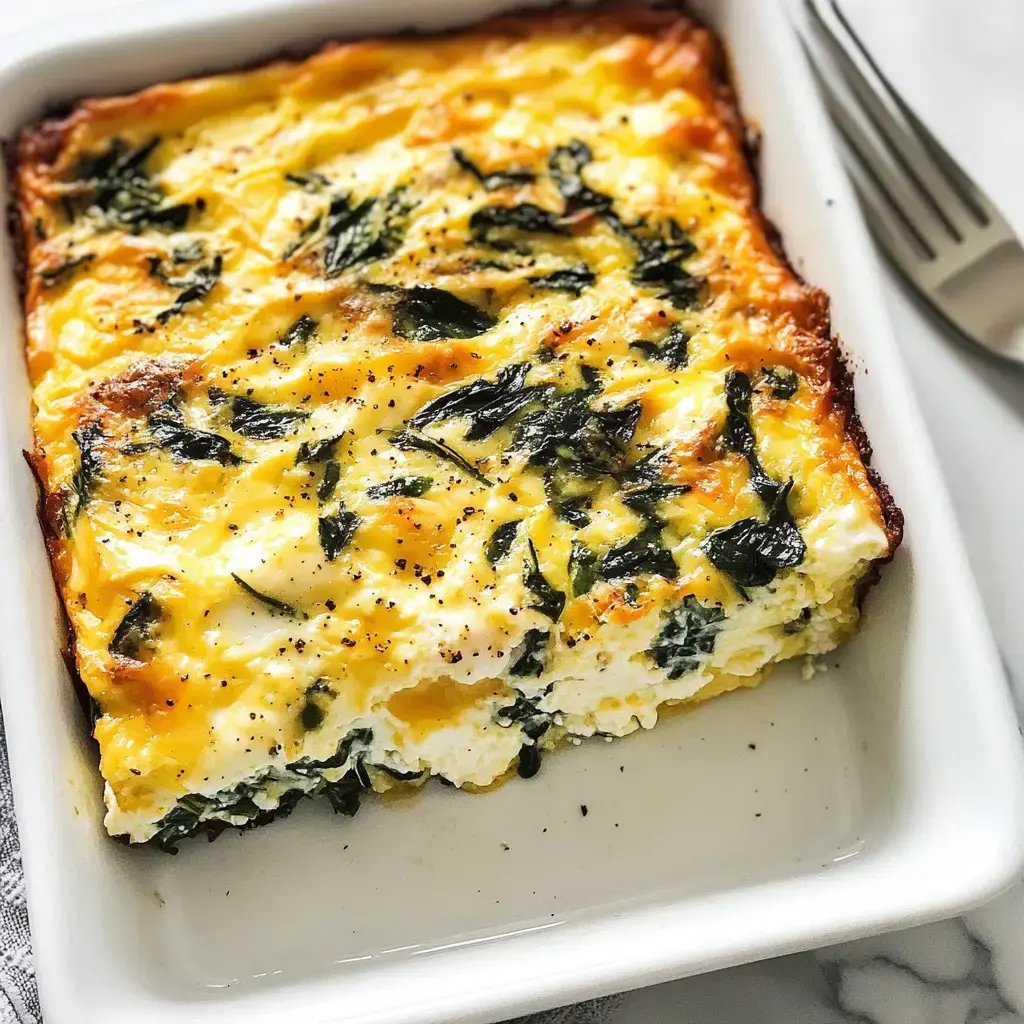
The edges should be lightly golden and the center should look set with only a slight jiggle. For food safety, egg dishes should reach 160°F in the center.
- Can I make it ahead?
Yes. Bake it, cool it, and refrigerate the slices for up to 4 days. You can also whisk the mixture the night before, then bake it in the morning after the dish sits on the counter while the oven heats.
- Can I freeze cottage cheese egg bake?
You can freeze it, though the texture is a little softer after thawing. Wrap cooled slices tightly and freeze for up to 2 months. Thaw overnight in the fridge before reheating.
- What can I serve with it?
Serve warm squares with toast, avocado, fruit, or roasted potatoes. For a bigger brunch, add a fresh cottage cheese side like cottage cheese and fig toast.
