 Pin it
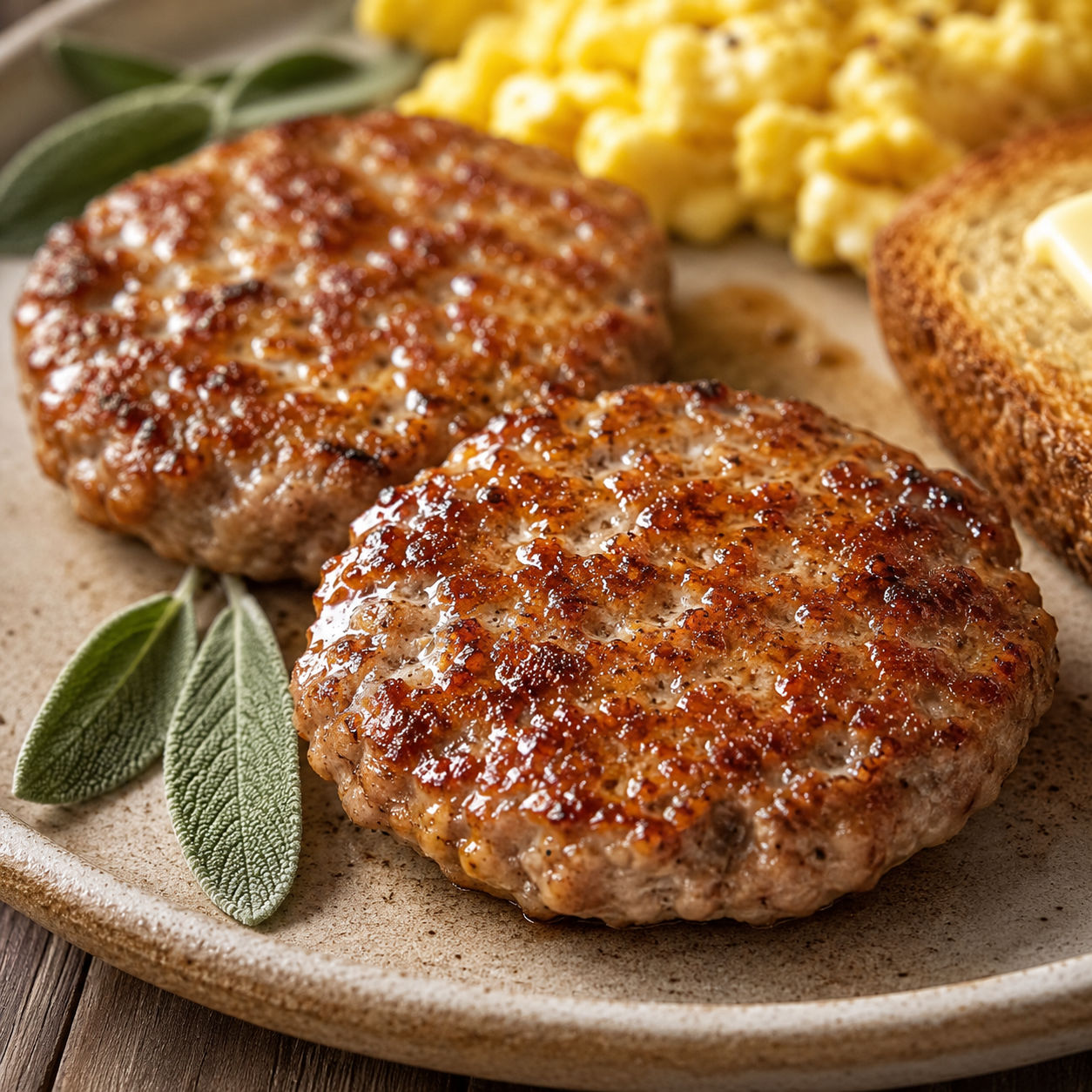
Easy Homemade Breakfast Sausage is the kind of recipe that makes store-bought patties feel a little flat. You get juicy pork, a warm hit of sage, a little maple sweetness, and the browned edges that only happen in a hot skillet.
I like this version because it does not need casings, special equipment, or a meat grinder. You mix, rest the meat for a few minutes, shape the patties, and cook them until the kitchen smells like a proper weekend breakfast.
The Savory Morning Mix
Start with ground pork that has a little fat in it. Very lean pork can cook up dry, so an 80 to 85 percent lean blend gives you better browning and a tender bite.
The seasoning is simple, but each piece matters. Sage gives the classic breakfast sausage flavor, maple rounds the edges, and a small pinch of cayenne keeps it from tasting sweet.
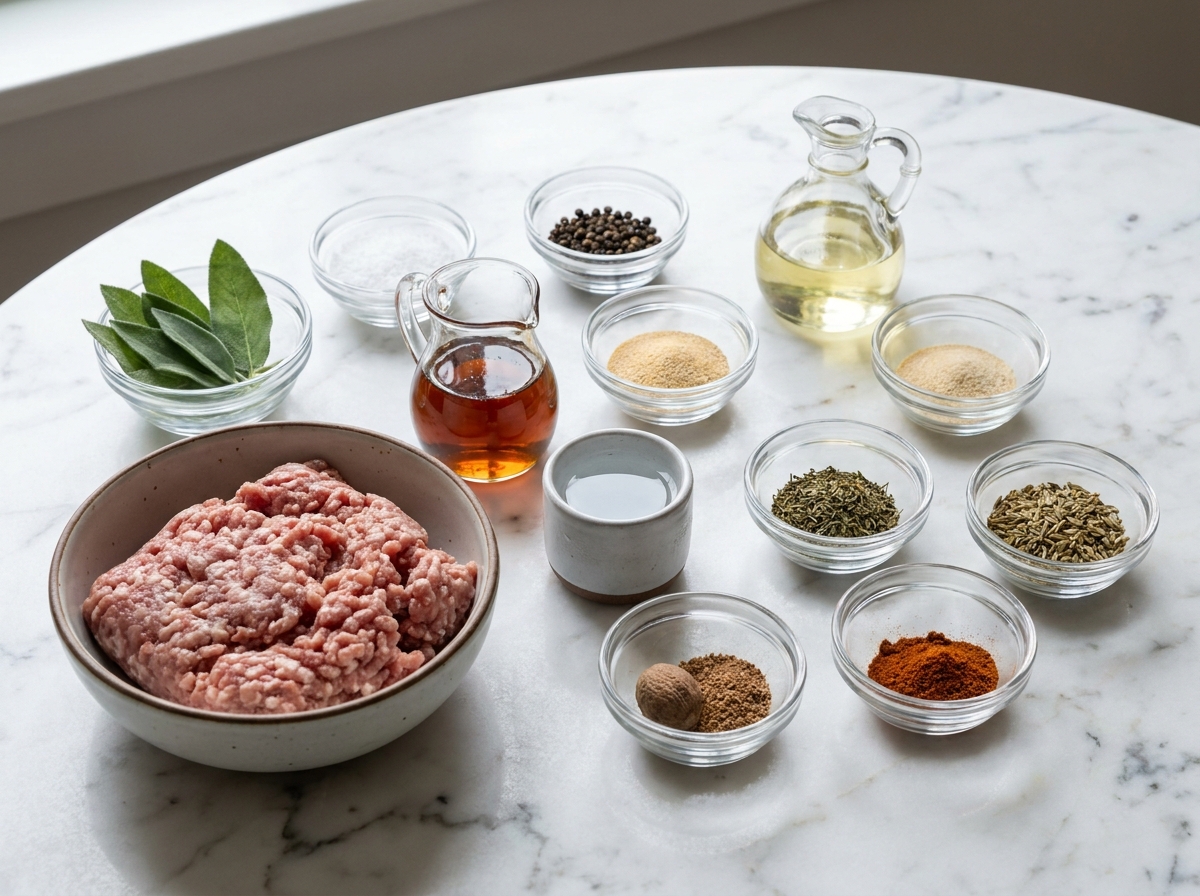
- Ground pork. Gives the patties their juicy texture and rich breakfast sausage flavor.
- Fresh sage. Adds the earthy, familiar taste people expect from breakfast sausage.
- Pure maple syrup. Brings gentle sweetness and helps the patties brown in the skillet.
- Kosher salt. Seasons the meat all the way through and keeps the flavor from tasting dull.
- Black pepper. Adds warm bite without taking over.
- Garlic and onion powder. Give the sausage a rounded savory base.
- Dried thyme. Adds a quiet herbal note behind the sage.
- Crushed fennel seed. Gives a faint sausage-shop aroma without making it taste like Italian sausage.
- Nutmeg and cayenne. Add warmth and a tiny bit of heat.
- Cold water. Helps the seasoning spread and keeps the mixture moist.
- Neutral oil. Helps the patties brown evenly in the pan.
Easy Homemade Breakfast Sausage Steps
- Season the pork. Add the pork, sage, maple syrup, salt, spices, and cold water to a bowl. Mix gently with your hands until the seasoning is just spread through the meat.
- Rest the mixture. Let it sit for 10 minutes while the skillet heats. This short rest lets the salt and herbs settle into the pork.
- Shape the patties. Divide the mixture into 8 portions and form 3-inch patties. Keep them a little wider than you want because they shrink as they cook.
- Brown the first side. Heat the oil in a skillet over medium heat. Cook the patties in a single layer for 3-4 minutes, until the bottoms are deeply browned.
- Finish cooking. Flip and cook 3-4 minutes more, until the centers reach 160°F. Move them to a plate and rest for 2 minutes before serving.
Keep The Patties Tender
The biggest mistake is treating the pork like bread dough. A heavy hand makes the proteins tighten, and the patties can turn bouncy instead of tender. Use your fingers and stop mixing as soon as you no longer see streaks of spice.
Shape the patties gently too. I press the center slightly thinner than the edges because the middle wants to puff as it cooks. That small dent helps each patty stay flat enough for a breakfast sandwich. If you want a bigger brunch spread, these patties fit right beside Tater Tot Sausage Breakfast Casserole or crumbled into Easy Make-Ahead Breakfast Casserole.
Getting The Flavor Right
Sage should lead, but it should not taste dusty. Fresh sage gives a softer flavor, while dried rubbed sage is stronger and more direct. If you use dried sage, measure with care. A heavy spoonful can make the sausage taste medicinal.
The maple syrup is there for balance, not candy sweetness. One tablespoon is enough for a subtle breakfast flavor and better browning. For a spicier batch, double the cayenne or add a pinch of red pepper flakes. For a milder family batch, skip the cayenne and keep the black pepper. If you already like the site favorite Homemade Sausage, this version leans a little sweeter and more brunch-friendly.
Cook To The Right Temperature
Medium heat is better than high heat here. Maple syrup can darken fast, and a screaming-hot pan can burn the outside before the center is done. You want steady sizzling, brown edges, and a center that is cooked through but still juicy.
Ground pork sausage should reach 160°F. I use an instant-read thermometer because it removes the guesswork, especially when the patties are thick. You can find current meat safety guidance through the USDA Food Safety and Inspection Service. If you do not have a thermometer, cut into one patty and check that the center is no longer pink and the juices run clear.
Freezer Breakfast Made Simple
These patties freeze well, which is the real reason I make them at home. Lay uncooked patties on parchment and freeze until firm. Once solid, stack them with small parchment squares between each patty and seal them in a freezer bag.
Thaw overnight in the fridge when you can. They cook more evenly that way. Cooked patties also keep for 3-4 days in the refrigerator and reheat best in a covered skillet with a tiny splash of water. The microwave works in a hurry, but use short bursts so the pork does not tighten up.
How To Serve Them
Serve the patties with eggs, toast, pancakes, or a soft biscuit. I also like them tucked into a sandwich with a fried egg and sharp cheddar. For a bigger breakfast, crumble a few cooked patties over Sausage Gravy Breakfast Pizza or fold them into Cheesy Sausage Egg Breakfast Rolls.
If you want loose sausage instead of patties, skip the shaping and cook the mixture in a skillet, breaking it up with a spoon. That version is great for gravy, egg scrambles, breakfast bowls, and meal prep containers.
Summary
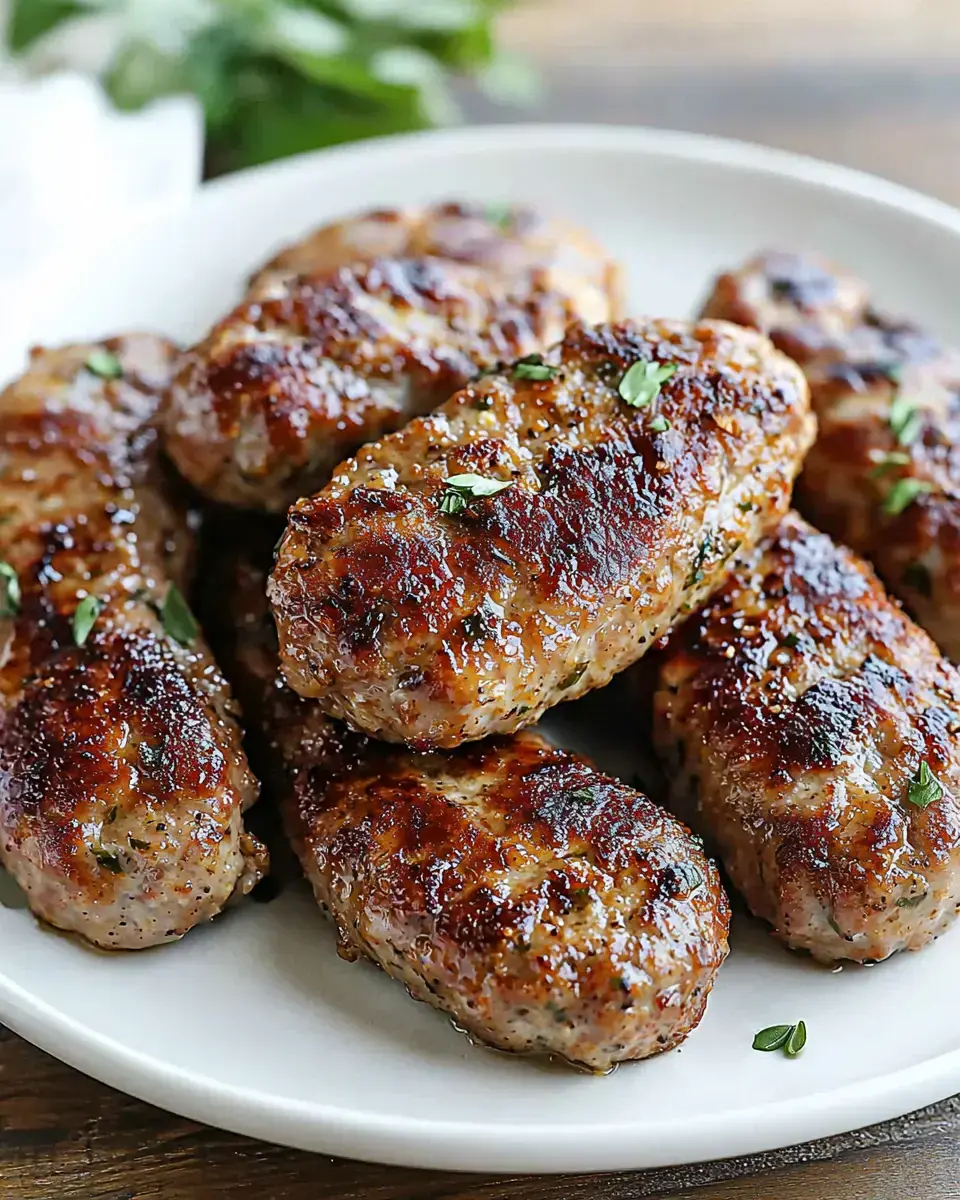
These skillet breakfast sausage patties are tender, lightly sweet, and easy to adjust for heat or herbs. Make them fresh or freeze the uncooked patties for later.

FAQs
- Can I make homemade breakfast sausage without pork?
Yes. Ground turkey or chicken works, but the patties will be leaner and a little less juicy. Add 1 tablespoon of olive oil to the meat mixture and avoid overcooking them.
- Can I use dried sage instead of fresh sage?
Yes. Use 1 teaspoon dried rubbed sage for 1 tablespoon fresh minced sage. Rubbed sage spreads through the meat more evenly than large dried leaf pieces.
- How do I know breakfast sausage is cooked?
The patties should be browned outside and no longer pink in the center. For the most reliable check, cook ground pork sausage to 160°F on an instant-read thermometer.
- Can I freeze breakfast sausage patties?
Yes. Freeze uncooked patties on a lined sheet until firm, then move them to a freezer bag. Cook from thawed for best browning, or add a few extra minutes if cooking from frozen.
- Why did my sausage patties turn tough?
The meat was probably mixed too hard or pressed in the pan. Mix only until the seasonings disappear into the pork, and let the patties brown without smashing them.
- What should I serve with breakfast sausage?
Eggs, biscuits, pancakes, hash browns, and toast all work well. You can also crumble the cooked sausage into casseroles, breakfast pizzas, or burritos.
