 Pin it
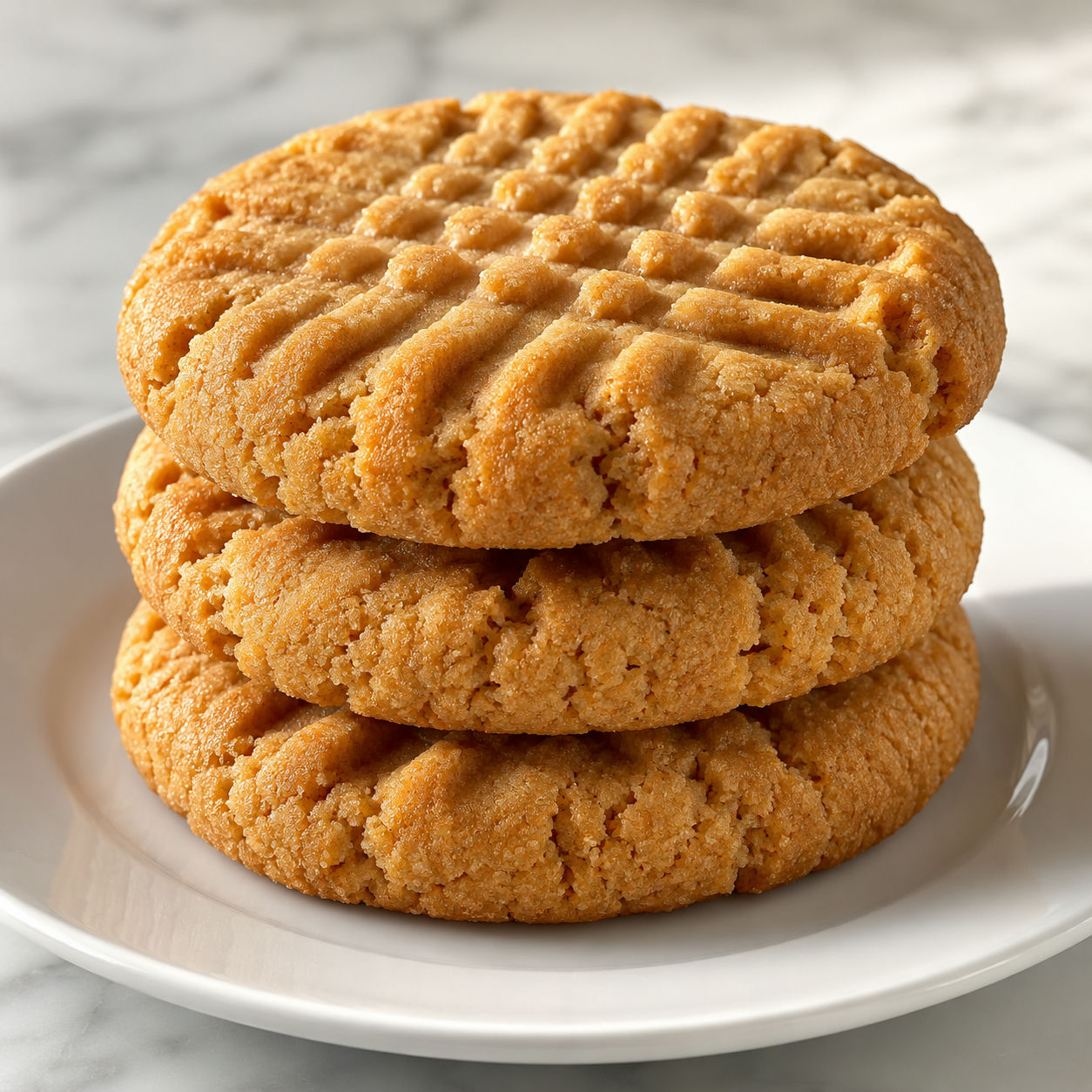
Three ingredients. That's all that stands between you and a batch of warm, chewy peanut butter cookies. No flour, no butter, no chilling the dough. Just peanut butter, sugar, and an egg, stirred together and baked in minutes.
These cookies have been around long enough to feel like common knowledge, but if you've never made them, the first time feels a little miraculous. They come out soft in the center with lightly crisp edges, and they hold together better than you'd expect from something so minimal. They're also naturally gluten-free, which makes them useful when you're baking for a crowd with mixed needs.
You can press a chocolate kiss into the center right out of the oven, stir in a handful of chips, or leave them plain. Plain is honestly great. They taste like peanut butter cookies because they are nothing but peanut butter cookies.
Three Things on the Counter
The shopping list fits on a sticky note. You want a reliable peanut butter and a fresh egg. That's where the flavor and texture come from.
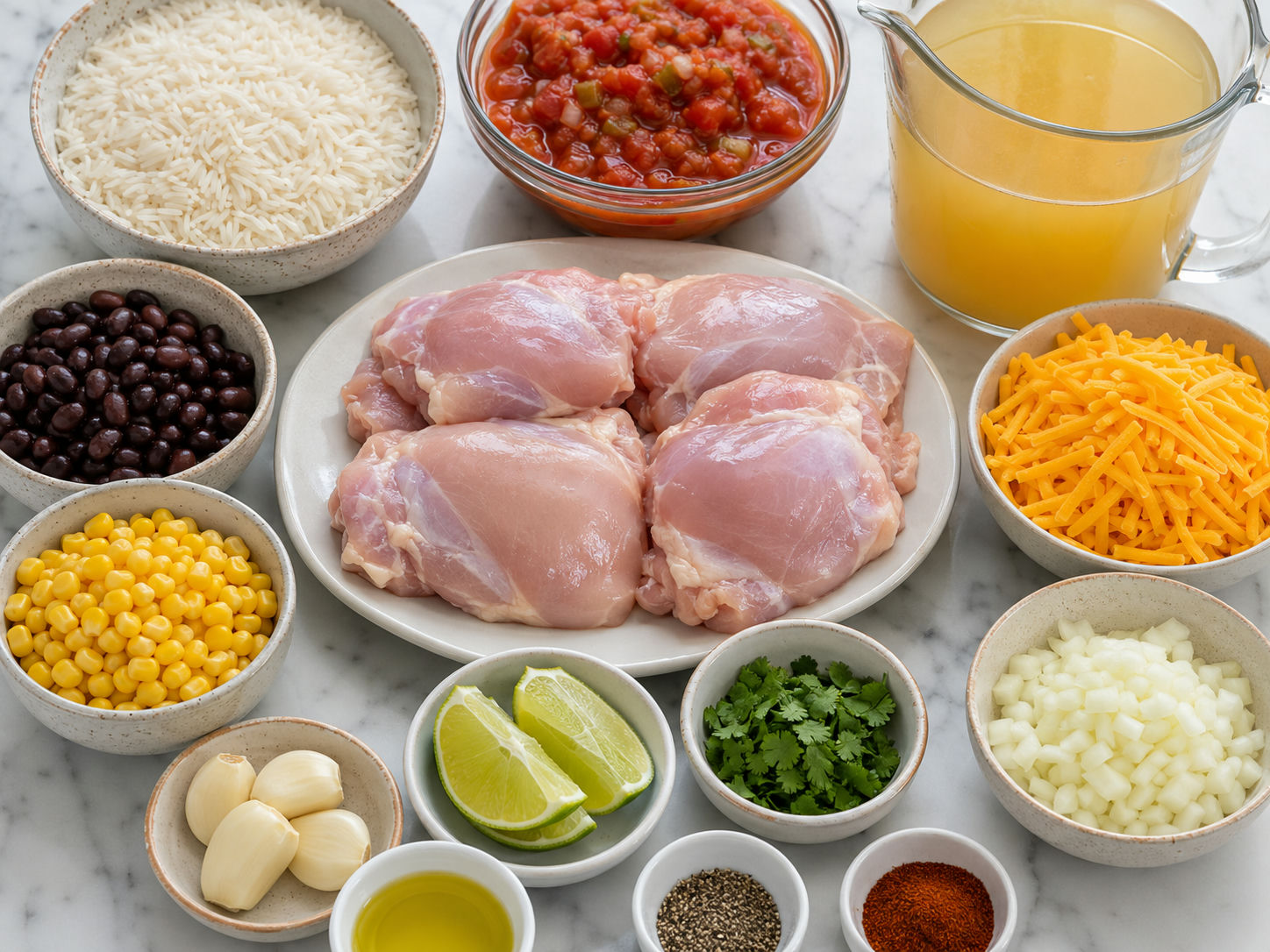
- Peanut butter. The base and the binder. Conventional creamy or chunky peanut butter gives the most consistent results. Natural peanut butter works but spreads more and needs careful handling.
- Granulated sugar. Sweetens the dough and helps the edges set with a slight crispness. Brown sugar swaps in well and adds a richer depth.
- Egg. The only structural ingredient. It binds the peanut butter and sugar into a dough that holds its shape through baking.
- Vanilla extract. Optional, but half a teaspoon rounds out the flavor without adding any complexity.
Bowl to Baking Sheet in Minutes
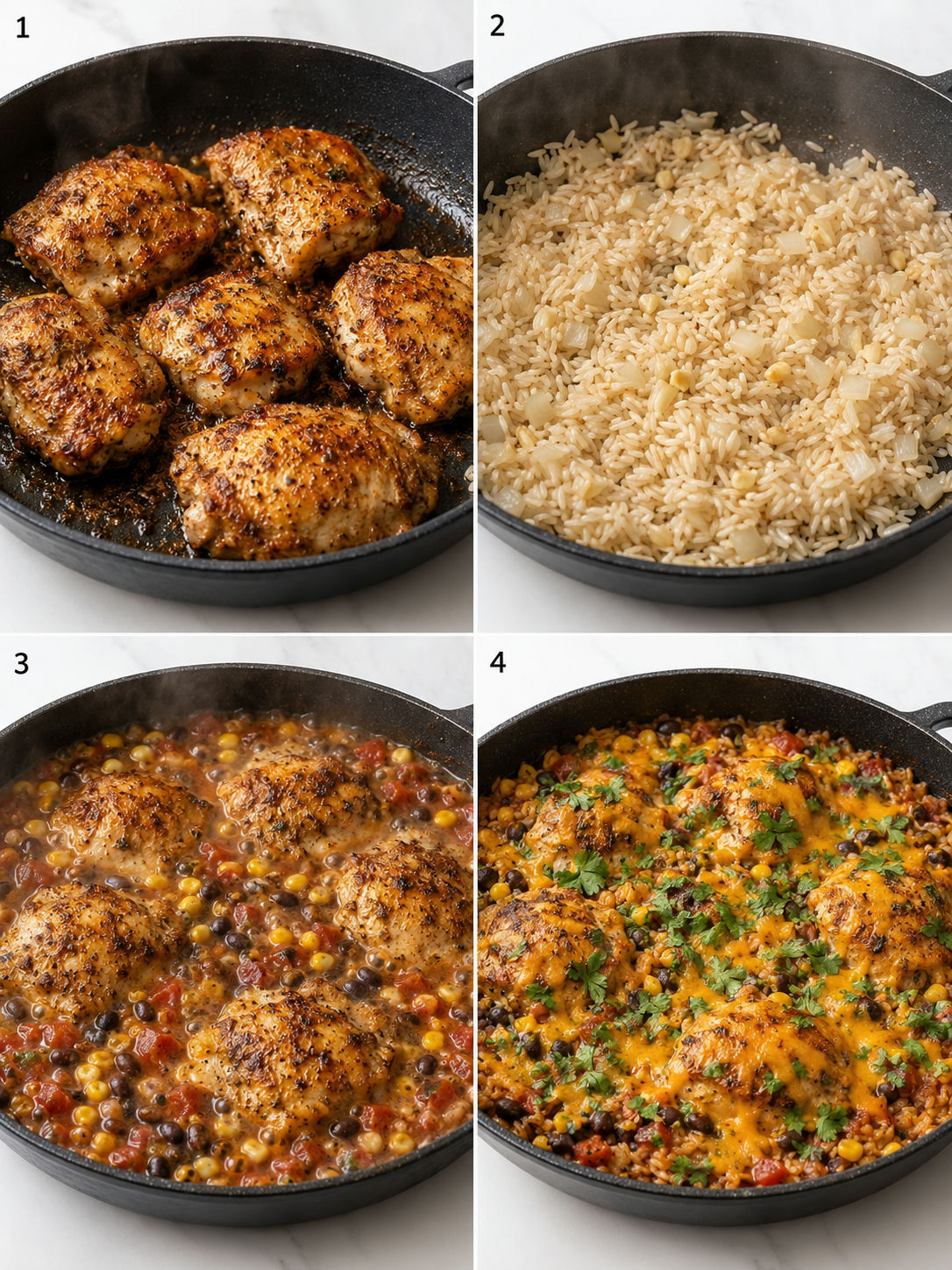
- Preheat the oven. Set it to 350°F (175°C) and line two baking sheets with parchment. No greasing needed.
- Mix the dough. Combine peanut butter, sugar, egg, and vanilla in a large bowl. Stir until smooth and no egg streaks remain. The dough will be stiff and slightly tacky.
- Roll the cookies. Scoop tablespoon-sized portions and roll each into a ball between your palms. Place them about 2 inches apart on the prepared sheets.
- Press with a fork. Flatten each ball with a fork, then rotate 90 degrees and press again to create the classic crosshatch pattern. This also prevents excessive puffing in the oven.
- Bake. Bake for 10 to 12 minutes until the edges are set and the surface is no longer glossy. The centers will still look soft. That's exactly right.
- Cool on the pan. Leave the cookies on the sheet for at least 5 minutes before moving them. They firm up completely as they cool and crumble if rushed.
Why Skipping the Flour Works
Regular cookie dough leans on flour for structure. These skip it entirely and rely on peanut butter's natural fat and protein content to do that job. Peanut butter is dense enough to hold the dough together, and the egg's proteins set during baking, locking everything in place.
The result is denser and chewier than a standard drop cookie. That's the point. If you like a crisper texture, bake a full 12 minutes. For softer, pull them at 10 minutes even when the centers still look underdone.
Swaps and Add-Ins Worth Trying
The base recipe is a blank canvas. Stir in a handful of chocolate chips for a more indulgent cookie, or press a chocolate kiss into the center right out of the oven for a peanut butter blossom. A pinch of flaky salt on top before baking adds a sweet-salty contrast that makes them feel a step above.
Almond butter swaps in one-for-one. Sunflower seed butter keeps them nut-free. If you enjoy simple desserts built from short ingredient lists, the three-ingredient chocolate popsicles and the strawberry cheesecake dump cake here follow the same no-fuss approach.
Storing and Making Ahead
These keep at room temperature in an airtight container for up to 5 days. They honestly taste a little better on day two once the texture fully settles.
For longer storage, stack baked cookies between parchment layers in a freezer bag and freeze for up to 3 months. Thaw at room temperature for about 20 minutes. You can also freeze the raw dough balls and bake straight from frozen, adding 3 to 4 extra minutes. For another make-ahead freezer-friendly treat, the no-bake Butterfinger caramel bars store beautifully too.
Fixing the Most Common Problems
Crumbling cookies almost always mean they were moved too soon. Five minutes on the pan is the minimum. The dough looks fragile fresh from the oven but firms up fast as it cools.
If the dough is too sticky to roll, refrigerate it for 15 minutes. This usually happens with natural peanut butter or on a warm day. Flat, spreading cookies point to dough that was too warm or peanut butter that was too oily. A quick chill of the rolled balls before baking fixes both. Per FDA food safety guidance, egg-containing baked goods should reach an internal temperature of 160°F (71°C).
FAQs
- Can I use natural peanut butter in these cookies?
You can, but results vary. Natural peanut butter with separated oil tends to make a stickier, softer dough that spreads more during baking. If that's what you have, stir it very well first and chill the rolled balls for 15 minutes before baking. Conventional peanut butter like Jif or Skippy gives more consistent results with this recipe.
- Can I substitute almond butter or sunflower seed butter?
Yes. Almond butter works almost identically and swaps in at a one-to-one ratio. Sunflower seed butter also works and keeps the cookies nut-free. The texture and sweetness stay close to the original with either swap. Sunflower seed butter can sometimes turn baked goods greenish as they cool, which is a harmless reaction, but it's minimal here since the recipe has no baking soda.
- How do I store these peanut butter cookies?
Store in an airtight container at room temperature for up to 5 days. They actually improve slightly on day two as the texture settles. To freeze, stack baked cookies between parchment layers in a zip-top bag and freeze for up to 3 months. Thaw at room temperature for about 20 minutes before eating.
- Why are my cookies falling apart?
The most common cause is moving them too soon. These cookies look underdone when you pull them from the oven but firm up completely as they cool on the pan. Leave them a full 5 minutes before transferring. If they still crumble, the peanut butter may be too oily. A quick chill of the rolled balls before baking usually fixes it.
- Can I reduce the sugar in this recipe?
You can cut it by up to a third without losing the cookie's structure. Going lower than that makes the cookies spread less and taste more savory than sweet. Brown sugar or coconut sugar works as a full or partial substitute and adds a deeper, caramel-like flavor with a bit less sharpness than white sugar.
- Are these cookies truly gluten-free?
Yes, the basic recipe contains no gluten-containing ingredients. However, cross-contamination can happen at the manufacturing level. If you're baking for someone with celiac disease, choose a peanut butter with a certified gluten-free label. The Celiac Disease Foundation at celiac.org has practical guidance on reading ingredient labels for hidden gluten sources.
- Can I make the dough ahead of time?
Yes. Roll the dough into balls, press with a fork, and arrange on a lined sheet. Cover and refrigerate for up to 2 days, then bake straight from the fridge, adding 1 to 2 extra minutes to the bake time. You can also freeze the unbaked balls and bake from frozen, adding 3 to 4 extra minutes.
