 Pin it
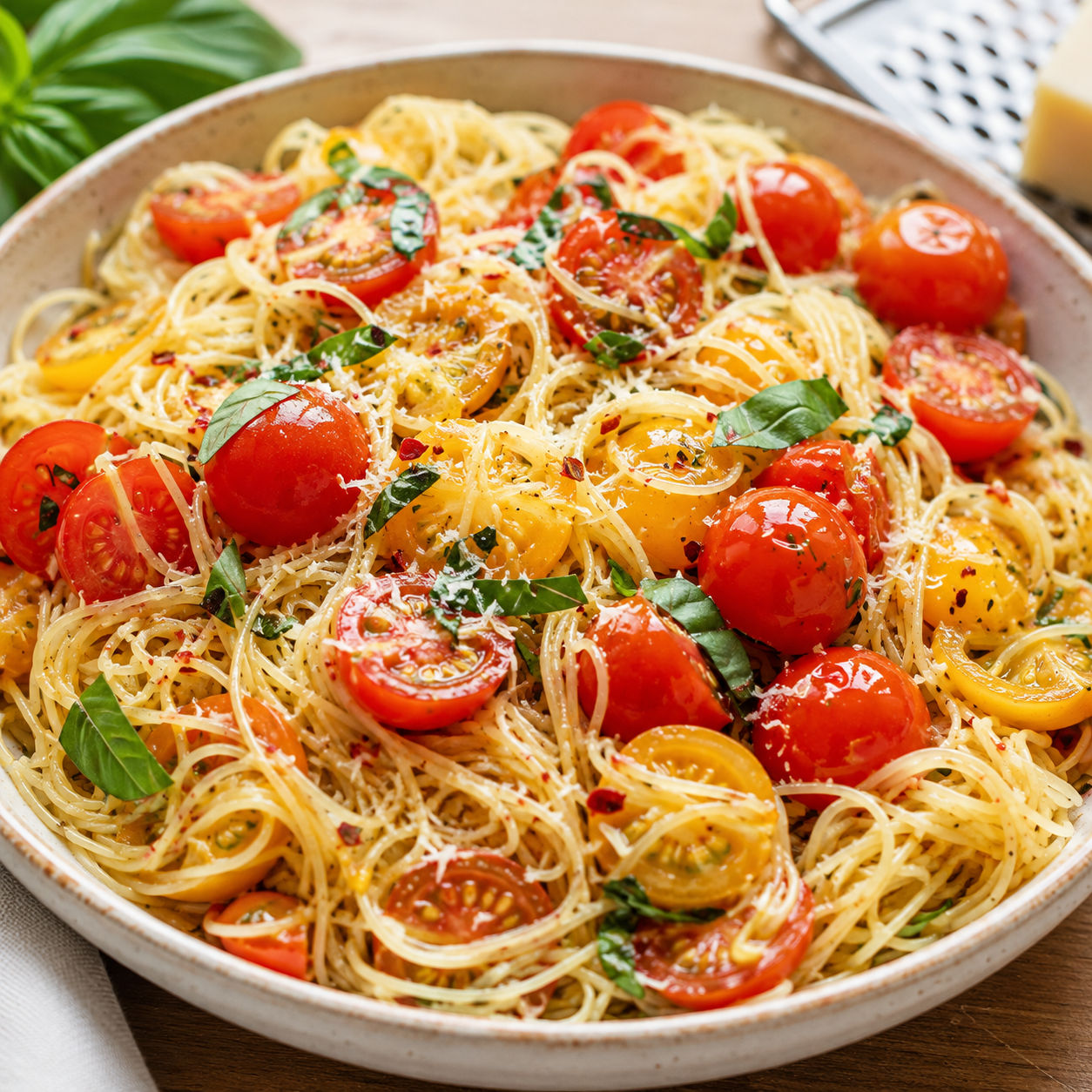
Savor The Season With Summer Garden Pasta is what I make when the tomatoes are sweet enough to do most of the work. The sauce is mostly no-cook, so the kitchen stays cool and the basil keeps its fresh snap.
The hot pasta softens the tomatoes just enough. A little Parmesan and starchy pasta water pull the olive oil and tomato juices into a glossy sauce that clings to every strand.
Fresh Garden Bowl
Choose tomatoes that smell sweet at the stem and basil that looks perky, not limp. Since this pasta is simple, the freshness of the produce matters more than a long ingredient list.
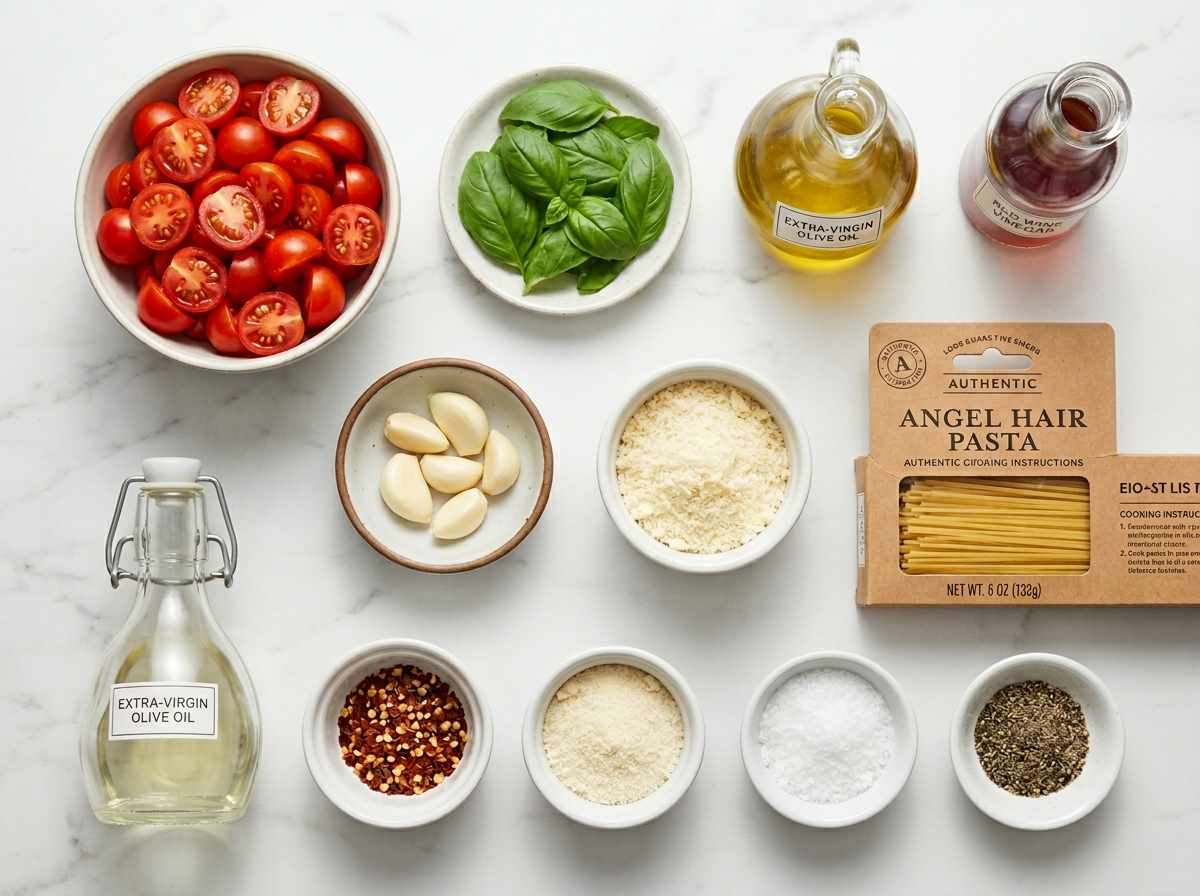
- Cherry tomatoes. They make the juicy base of the sauce and soften from the heat of the pasta.
- Fresh basil. Adds the green, peppery finish that makes the dish taste like summer.
- Garlic. Grated or finely minced garlic seasons the tomato juices without needing a long cook time.
- Extra-virgin olive oil. Gives body to the sauce and carries the garlic and basil through the pasta.
- Red wine vinegar. Sharpens the tomatoes and keeps the dish from tasting flat.
- Red pepper flakes. Add gentle heat. Use less if you want a softer flavor.
- Angel hair pasta. Thin strands cook fast and tangle nicely with the tomato sauce.
- Parmesan cheese. Melts into the hot pasta water and gives the sauce a savory finish.
Toss The Summer Garden Pasta
- Start the tomatoes. Halve the tomatoes and stir them with olive oil, vinegar, garlic, salt, pepper, and red pepper flakes so they release their juices.
- Boil the pasta. Cook the pasta in well-salted water until just al dente. Save some pasta water before draining.
- Make it glossy. Add the hot pasta to the tomato bowl with Parmesan and a splash of pasta water. Toss until the cheese melts into the juices.
- Finish with basil. Add the basil at the end so it stays fragrant and green. Taste before serving and adjust salt or vinegar if needed.
Why Marinating Matters
The tomato mixture needs a short rest before the pasta hits the bowl. Salt pulls juice from the tomatoes, and the vinegar wakes up their sweetness. Garlic also mellows a little as it sits in olive oil. Ten minutes is useful. Twenty is better.
This method is close in spirit to warm pasta tossed with a raw tomato sauce, but the Parmesan makes it richer. For another garden-forward dinner, try Tomato Zucchini Pasta Basil when zucchini is taking over the counter.
The Pasta Water Move
Do not drain the pot and walk away. Starchy pasta water is the quiet helper here. It loosens the tomato juices, melts the Parmesan, and helps the olive oil turn silky instead of slick. Start with 1/4 cup and toss hard with tongs.
If the pasta looks dry, add more water by the tablespoon. If it looks soupy, let it sit for one minute and toss again. The pasta keeps drinking in the sauce. The Summer Garden Pasta from The Kitchn is a helpful reference for this no-cook tomato approach.
Smart Summer Swaps
Use capellini, spaghetti, linguine, or fusilli. Swap Parmesan for pecorino if you like a saltier bite. To make it vegan, skip the cheese and add toasted breadcrumbs or a spoonful of nutritional yeast.
Small diced zucchini, sweet corn, or roasted peppers can join the tomato bowl. Keep the additions light so the pasta still tastes fresh. If you want a heartier summer plate, Tortellini with Summer Veggies uses the same sunny ingredients with more richness.
Serving It Right
This pasta is best when the noodles are hot and the tomatoes are still bright. Serve it right after tossing with extra basil and a little more Parmesan. A drizzle of olive oil at the table makes it feel finished without much effort.
For a bigger summer spread, pair it with Caprese Pasta Salad Basil Tomato or a crisp side salad. If you need a gluten-free option for guests, Gluten-Free Summer Spaghetti fits the same seasonal mood.
Leftovers Without Mushy Basil
Leftovers keep well for 3 days, but the basil will lose its color. Warm the pasta gently in a skillet with a splash of water. Do not crank the heat, or the cheese can clump and the tomatoes can turn dull.
If you plan to cook once and eat twice, hold back some basil and Parmesan. Add them after reheating for a fresher second bowl.
Summary
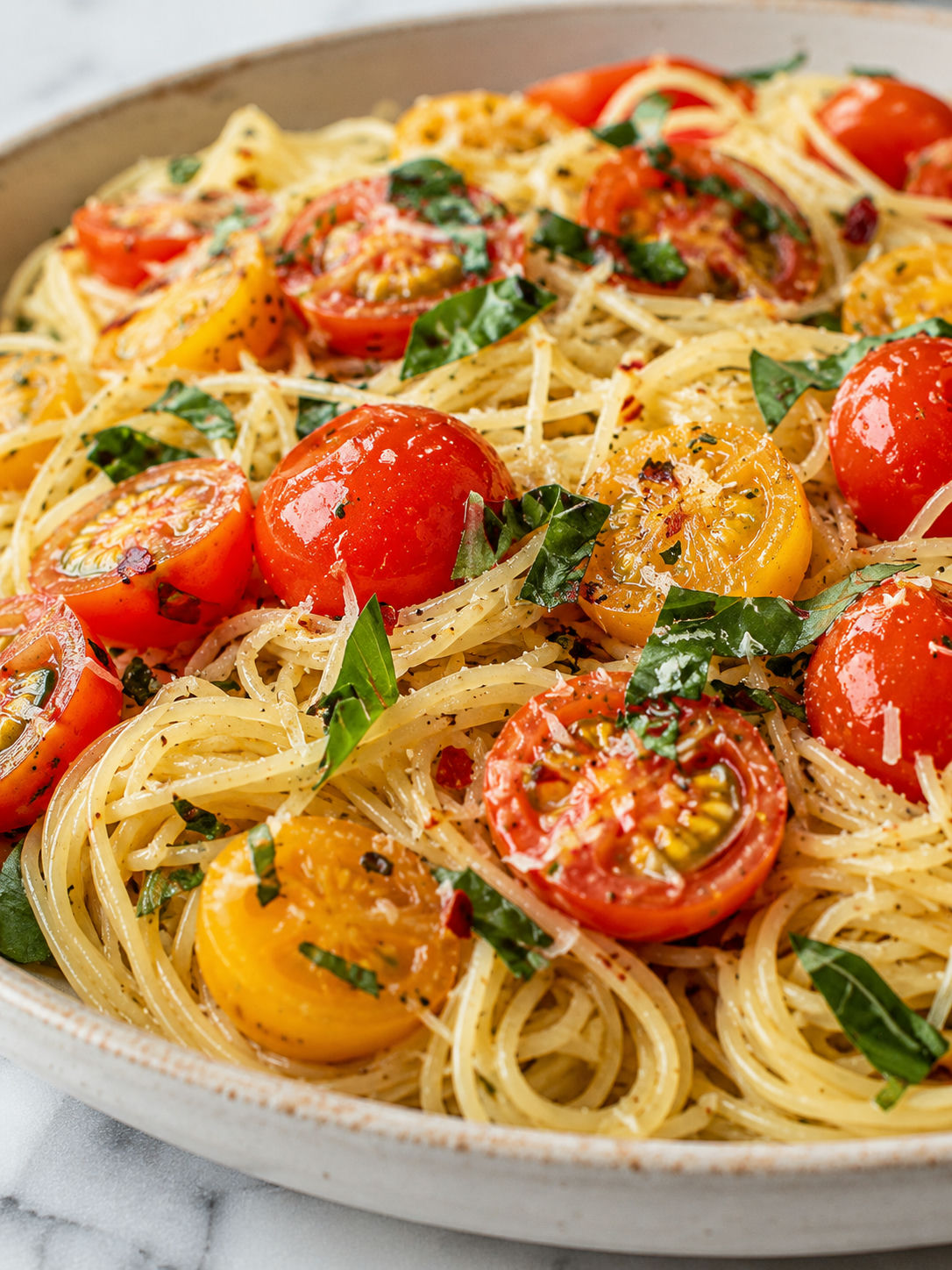
This summer pasta is best served right after tossing, while the cheese is melted and the basil still smells fresh.
FAQs
- Can I use regular tomatoes instead of cherry tomatoes?
Yes. Use ripe garden tomatoes and cut them into bite-size pieces. If they are very juicy, keep the juices in the bowl because they help form the sauce.
- What pasta shape works best for summer garden pasta?
Angel hair, spaghetti, and linguine all work well because long strands catch the tomato juices and Parmesan. Short pasta like fusilli is fine too, but save extra pasta water so the sauce can reach the ridges.
- Can I make this gluten-free?
Yes. Use your favorite gluten-free spaghetti or a corn and rice blend pasta. Toss gently because some gluten-free pastas break more easily once hot.
- How long can leftovers stay in the fridge?
Store leftovers in an airtight container for up to 3 days. The basil will darken, so add a fresh handful after reheating if you have it.
- Can I make the tomato mixture ahead?
You can marinate the tomatoes up to 2 hours ahead at room temperature. Do not add the basil too early, since it bruises and loses its fresh color.
- How do I keep the sauce from tasting watery?
Salt the tomatoes and let them sit long enough to release flavorful juices. Toss the hot pasta with Parmesan and only a small splash of pasta water at first, then add more as needed.
- What can I serve with summer garden pasta?
Serve it with grilled chicken, crusty bread, or a crisp green salad. It also pairs nicely with roasted asparagus or a tomato-heavy side dish.
