 Pin it
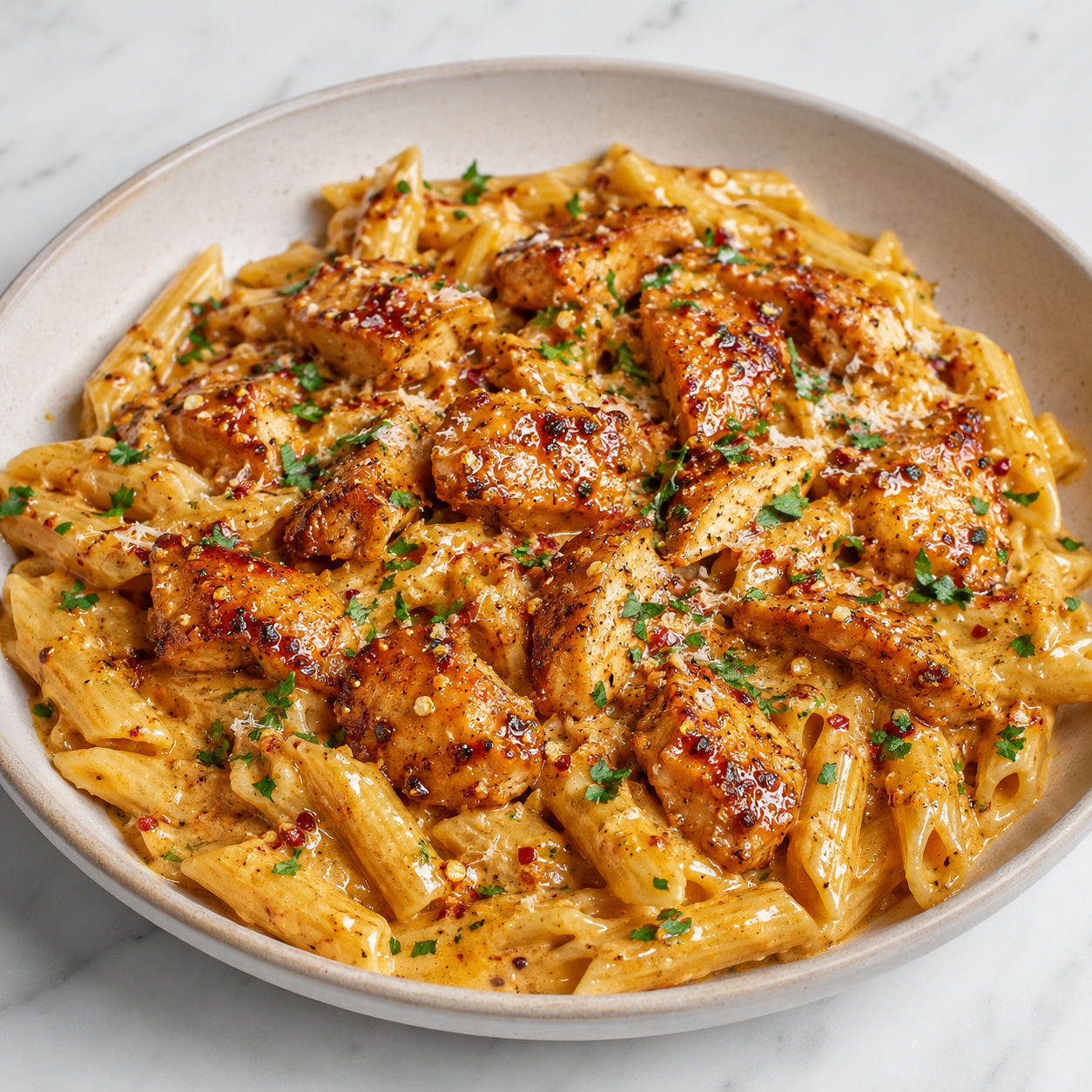
Spicy Cajun Honey Butter Chicken & Pasta is the kind of dinner that smells good before it even hits the table. The chicken gets a smoky Cajun crust, then the pan turns that seasoning into a sweet, buttery sauce that clings to every bite.
I like this recipe on busy nights because it feels big and satisfying without needing a long simmer. The key is adding the honey butter at the right moment so it stays glossy instead of sticky.
The Sweet Heat Lineup
Use a Cajun seasoning you already like because it sets the whole mood of the dish. If your blend is very salty, season the chicken lightly at first and adjust at the end.
- Chicken breast. Slices quickly into tender pieces that sear fast and soak up the honey butter.
- Cajun seasoning. Brings smoky heat, garlic, paprika, and herbs in one spoonful.
- Honey. Rounds the spice and gives the chicken a glossy finish.
- Butter. Carries the seasoning and makes the sauce taste full without a long simmer.
- Heavy cream. Softens the heat and turns the pan sauce into something pasta can hold.
- Parmesan. Adds salt, body, and a savory edge to the creamy sauce.
- Pasta water. Helps the cream, cheese, and butter loosen into a smooth coating.
- Lemon juice. Wakes up the sweet sauce so it does not taste flat.
Sear Then Toss
- Boil the pasta. Cook the pasta in well-salted water until just shy of al dente, then save 1 cup of pasta water before draining.
- Season the chicken. Pat the chicken dry and coat it with Cajun seasoning, smoked paprika, salt, and pepper so the surface browns instead of steaming.
- Sear the pieces. Cook the chicken in a hot skillet with olive oil until browned and cooked through, about 5-7 minutes total, then move it to a plate.
- Make the honey butter. Lower the heat and melt butter with garlic, honey, hot sauce, and lemon juice until glossy and fragrant.
- Build the cream sauce. Add cream and parmesan, then stir in splashes of pasta water until the sauce looks smooth and loose.
- Finish the pasta. Return the chicken and pasta to the skillet, toss until coated, and finish with parsley and extra Cajun seasoning if needed.
Spicy Cajun Honey Butter Chicken Pasta
The best bite has heat first, then honey, then a buttery finish. That balance comes from keeping the honey butter bright instead of sugary. Lemon juice matters here. It cuts through the cream and keeps the sauce from feeling heavy.
Add the honey after the chicken is out of the pan and the heat is lowered. If it hits a smoking-hot skillet, it can darken too fast. You want bubbling and shine, not a hard glaze. If the sauce tightens, a spoonful of pasta water brings it back. For another sweet and peppery chicken dinner, try Creamy Honey Pepper Chicken Pasta.
Keeping Chicken Juicy
Thin, even chicken pieces cook best here. Large chunks can brown on the outside while the center stays pale, and tiny pieces can dry out before the sauce is ready. Aim for pieces about 1 inch wide, then let the skillet heat fully before adding them.
Do not crowd the pan. If the chicken overlaps, it releases moisture and steams. Brown it in two batches if your skillet is small. Chicken should reach 165°F for safe eating, which matches the guidance from FoodSafety.gov. Once it gets there, pull it out while you finish the sauce.
Pasta That Holds Sauce
Short pasta shapes make this meal easier to eat because they trap sauce in their ridges and hollows. Penne, rigatoni, rotini, or bowties all work. Cook the pasta a minute shy of the package time because it finishes in the skillet.
Reserved pasta water is the small detail that makes the sauce restaurant-smooth. Add it slowly after the parmesan melts. The sauce should coat the pasta without sitting in a puddle. If Cajun pasta is your kind of comfort food, Cajun Shrimp Chicken Pasta with Andouille Sausage has the same smoky direction with extra seafood flavor.
Easy Swaps For Heat
For less heat, skip the hot sauce and use mild Cajun seasoning. For more heat, add cayenne with the dry seasoning or stir in crushed red pepper with the garlic. A spoonful of cream cheese can make the sauce thicker and tangier if you want a heavier plate.
You can also swap the chicken for shrimp, sliced smoked sausage, or steak bites. Keep the cooking time matched to the protein. Shrimp needs only a few minutes. Steak should be seared hot and rested before tossing. For a beef version with the same butter and Cajun pull, see Garlic Butter Steak with Cajun Pasta.
Leftovers Stay Creamy
This pasta is best right away, but leftovers can still be good if you reheat gently. Store it in the fridge in a sealed container for up to 3 days. The sauce will thicken as the pasta absorbs moisture.
Warm leftovers in a skillet over low heat with a splash of milk or water. Stir slowly until the sauce relaxes. Avoid high heat because the honey can scorch and the cream can separate. A little extra parmesan and parsley at the end make it taste fresh again.
FAQs
- Can I use chicken thighs instead of chicken breasts?
Yes. Boneless skinless thighs work very well because they stay juicy under high heat. Cut them into bite-size pieces and cook until they reach 165°F in the thickest part.
- How spicy is this pasta?
It lands at a medium heat with the Cajun seasoning and hot sauce listed. For a gentler version, use half the hot sauce and choose a mild Cajun blend. For more heat, add cayenne or extra crushed red pepper at the end.
- What pasta shape works best?
Penne, rigatoni, and bowties all work because they catch the cream sauce and small bits of seasoning. Long pasta is fine too, but short shapes make the chicken and sauce easier to scoop together.
- Can I make this gluten-free?
Yes, use a sturdy gluten-free pasta and check that your Cajun seasoning is gluten-free. Reserve pasta water before draining because gluten-free pasta can need a little extra liquid when tossed with sauce.
- Why did my honey butter sauce get too thick?
The heat was probably too high after the honey went in. Honey reduces quickly and can turn sticky. Loosen the pan with reserved pasta water and keep the sauce at a gentle simmer.
- How do I store and reheat leftovers?
Store leftovers in an airtight container for up to 3 days. Reheat in a skillet over low heat with a splash of milk, cream, or water. Stir often so the sauce turns creamy again.
