 Pin it
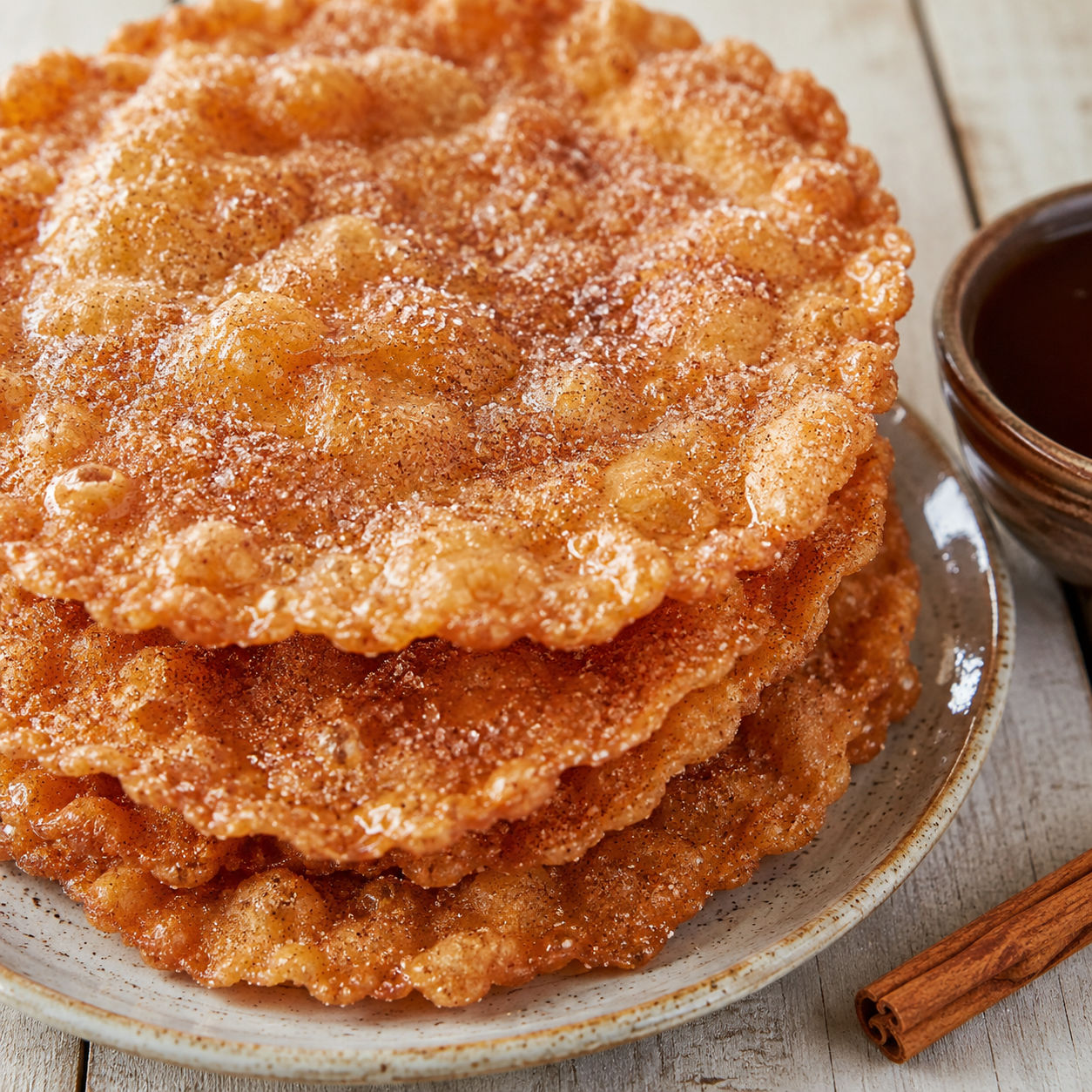
Every December my kitchen smells like anise and cinnamon, and the counter fills with stacks of golden, crackly discs. That is buñuelo season. These paper-thin Mexican fritters fry up in seconds, shatter when you bite them, and carry the warm perfume of cinnamon sugar or dark piloncillo syrup.
Buñuelos are not complicated, but they do ask for patience. The dough is simple. The trick is rolling it thin enough that it bubbles and crisps instead of turning chewy. Once you get the rhythm, you will want to make them for every posada, holiday gathering, or cold afternoon that calls for something sweet and crunchy.
What goes into the dough
The ingredient list is short, which means each one matters. Use good butter, real vanilla, and fresh cinnamon. If you want the classic anise note, steep anise seeds in warm water for fifteen minutes and strain it into the dough. Otherwise, plain warm water works fine.
- All-purpose flour. The base of the dough. A little extra on the side keeps the rolling pin from sticking.
- Baking powder. Just a touch. It helps the buñuelos puff slightly and create those fragile blisters in the hot oil.
- Unsalted butter. Rubbed into the flour until crumbly. It gives the fritters their delicate richness.
- Sugar and cinnamon. A little sugar in the dough and a generous dusting on top after frying. Use Ceylon or Mexican cinnamon if you can find it.
- Vanilla. A teaspoon is enough to round out the warm spices without taking over.
- Vegetable oil. For frying. Choose a neutral oil with a high smoke point like canola or safflower.
Roll, pre-cook, and fry
- Mix the dough. Whisk flour, baking powder, cinnamon, and salt. Rub in the butter until the mixture looks like fine crumbs. Stir in sugar, vanilla, and warm water until a soft dough forms.
- Knead and rest. Turn the dough out and knead for five to six minutes until smooth. Cover and let it rest for at least fifteen minutes so the gluten relaxes.
- Roll very thin. Divide into twelve balls. Roll each one on a floured surface into a rough circle about six to seven inches across. It should be almost see-through. Thicker dough turns chewy, not crispy.
- Pre-cook on a comal. Lay each disk on a hot dry skillet or comal for ten seconds per side. This step is optional but makes the disks easier to slide into the oil without folding.
- Fry at 350°F. Heat one inch of oil in a deep skillet. Fry one buñuelo at a time, pressing the center gently with a spatula so it stays flat. It will bubble and turn golden in about one minute per side.
- Dust while warm. Drain on paper towels for a moment, then toss in cinnamon sugar while the surface is still hot so the coating sticks.
Why thin wins
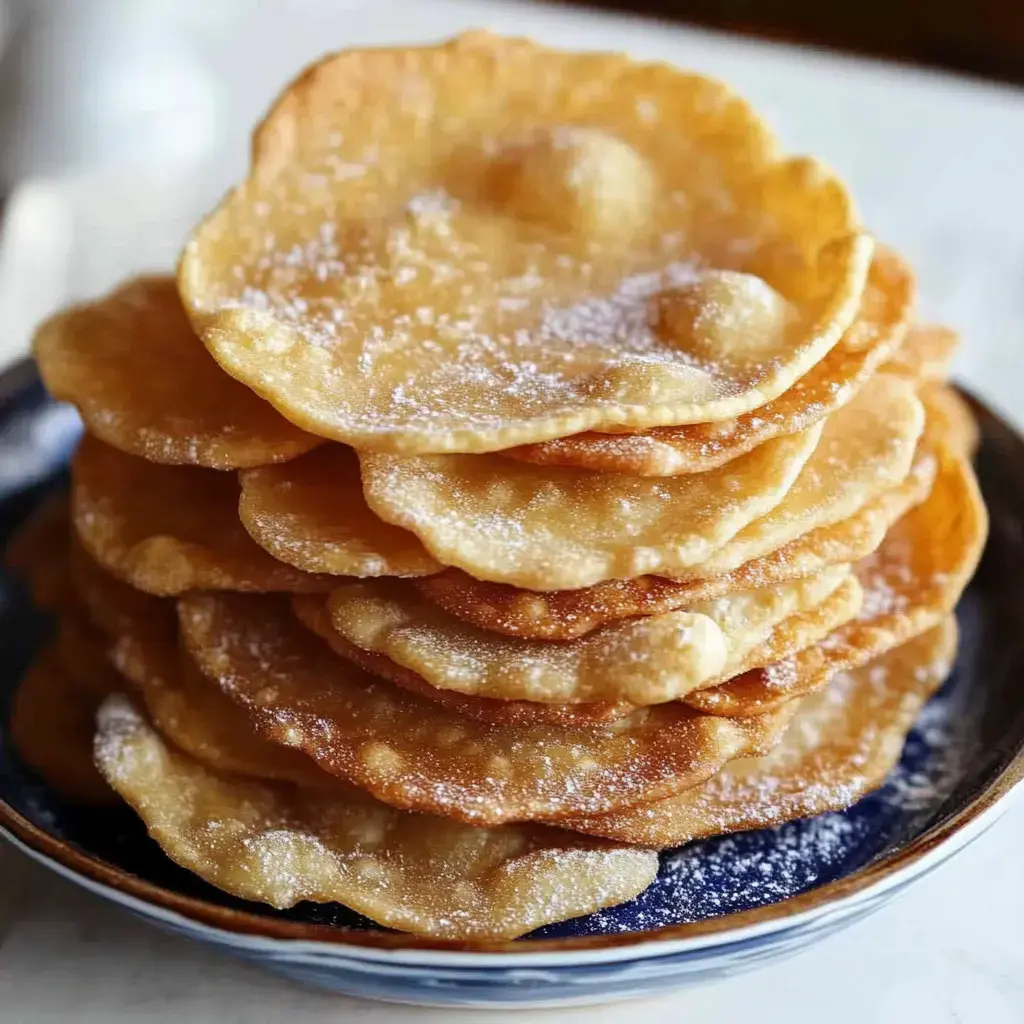
The difference between a great buñuelo and a disappointing one is thickness. Roll the dough so thin you can almost see the counter through it. When it hits the hot oil, the moisture flash-steams and creates a lacy, blistered surface. Thick dough traps steam inside and you end up with a chewy disk instead of a shattering fritter. If the dough springs back while rolling, let it rest another five minutes.
The comal shortcut
Many home cooks skip the dry skillet step, but I never do. A quick ten-second kiss on a hot comal sets the dough just enough that it slides into the oil without wrinkling or folding over on itself. It also drives off surface moisture so the oil splatters less. If you do not have a comal, a cast-iron skillet or any heavy frying pan works the same way.
Oil temperature and safety
Keep the oil steady at 350°F. Too low and the buñuelos soak up grease. Too high and they brown before the inside cooks through. Use a candy thermometer if you have one. Never fill the pan more than halfway, and always slide the dough away from you so the oil does not splash back.
Cinnamon sugar or syrup
The classic coating is a simple mix of sugar and ground cinnamon, applied the moment the buñuelo leaves the oil. For a more traditional route, make a piloncillo syrup by simmering a cone of piloncillo with water, a cinnamon stick, and a strip of orange peel until thick and glossy. Drizzle it over the stack just before serving. If you have never worked with piloncillo before, this guide to piloncillo explains how to melt and use it. Some families also serve buñuelos with champurrado or Mexican hot chocolate for dunking.
Keep the crunch overnight
Buñuelos are best within a few hours of frying, but you can store them at room temperature for up to three days. Layer them between paper towels in an airtight container to absorb any residual moisture. Reheat in a 350°F oven for four to five minutes to restore the crispness. The microwave will ruin them.
Complete the holiday table
Buñuelos shine brightest when they are part of a bigger spread. Pair them with savory dishes like Mexican hot tamale pie for a full holiday menu that moves from rich and spicy to sweet and crisp. And if you want another take on this pastry, our Mexican pastry recipe offers a slightly different approach worth exploring.
Summary
Traditional Mexican buñuelos are crispy, sweet pastries that are a staple of holiday celebrations. Made with a simple dough and fried to golden perfection, these treats are then generously coated with cinnamon sugar, creating a delightful dessert that brings warmth and joy to any gathering.
FAQs
- What is the difference between buñuelos and sopapillas?
Both are fried dough, but buñuelos are rolled paper-thin into flat discs and fried until they are lacy and crisp all over. Sopapillas are thicker, pillow-shaped pieces that puff up and stay soft inside with a hollow center.
- Can I make buñuelos without a comal?
Yes. The dry skillet step is optional. It simply makes the thin disks easier to handle before frying. You can slide the rolled dough straight into the oil if you are gentle.
- How do I keep buñuelos crispy after frying?
Drain them well on paper towels and let them cool completely before storing. Layer them between paper towels in an airtight container at room temperature. Reheat in a 350°F oven for four to five minutes to restore the crunch.
- What can I use instead of piloncillo?
Dark brown sugar mixed with a tablespoon of molasses is the closest substitute. It will not have the exact same caramel depth, but it makes a tasty syrup when simmered with water, cinnamon, and orange peel.
- Why did my buñuelos turn out chewy instead of crispy?
The dough was probably too thick. Roll each disk as thin as you can, almost see-through. Also check your oil temperature. Oil that is too cool lets the dough absorb grease and steam instead of frying quickly into a crisp shell.
- Can I bake buñuelos instead of frying them?
Baking will not give you the same shattering texture. The rapid heat of the oil creates the distinctive bubbles and crispness. If you prefer not to fry, try brushing the disks with oil and baking at 400°F until crisp, though the result will be closer to a cracker than a true buñuelo.
- What drinks pair well with buñuelos?
They are traditionally served with champurrado, Mexican hot chocolate, or tepache. The warmth of these drinks balances the crisp sweetness of the fritters perfectly.
