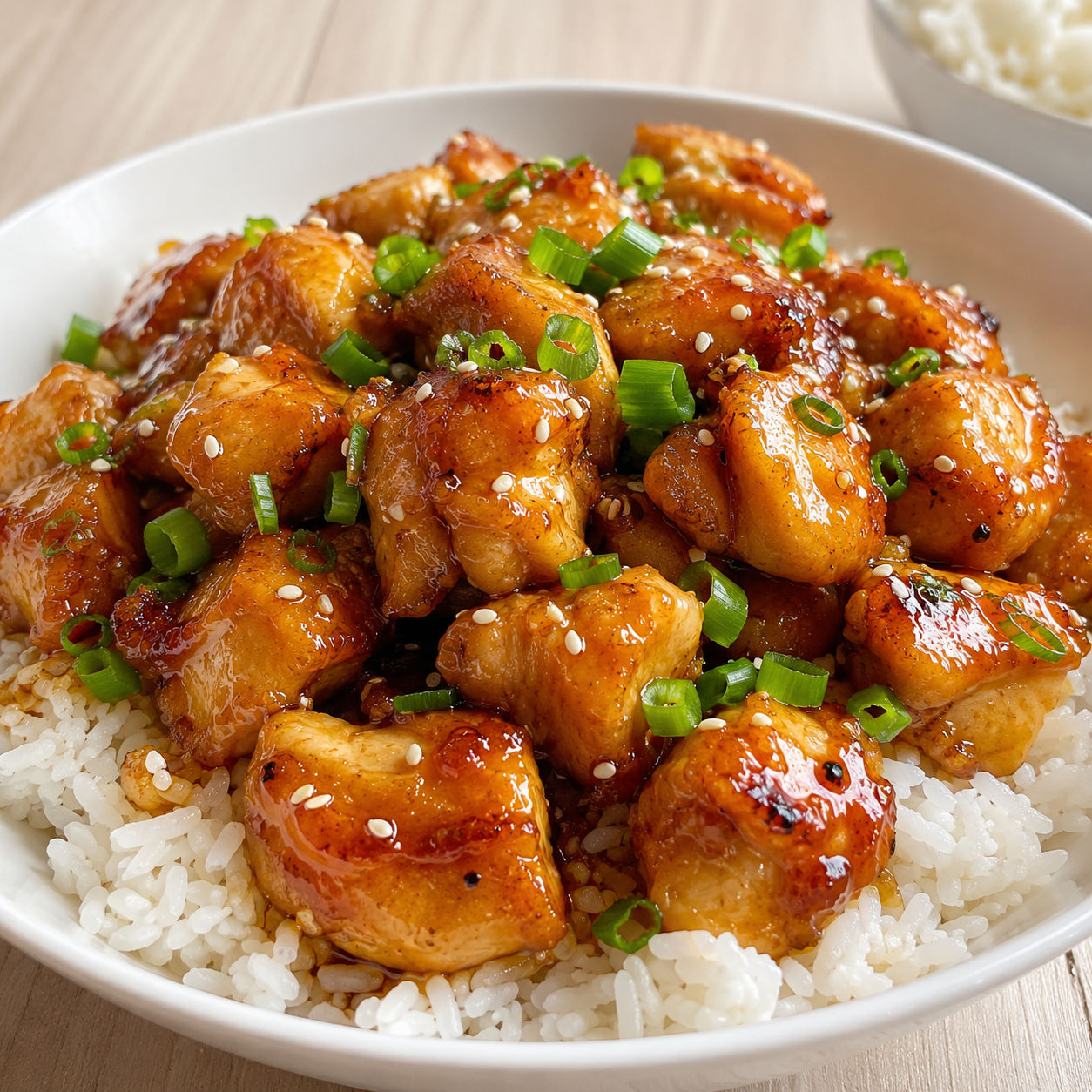
 Pin it
Honey Garlic Chicken is the kind of dinner that saves a regular weeknight. The sauce gets sticky in the pan, the garlic smells sharp and sweet, and the chicken stays juicy because it cooks fast in small pieces.
I like this version because it uses enough sauce to coat every bite without turning soupy. A little vinegar keeps the honey from tasting flat, and cornstarch gives the chicken those lightly crisp edges that hold onto the glaze.
The Sticky Sauce Lineup
Use plain pantry ingredients here, but choose low-sodium soy sauce and fresh garlic if you can. Honey gives the glaze body, while vinegar and broth keep it balanced enough for a full plate of chicken and rice.
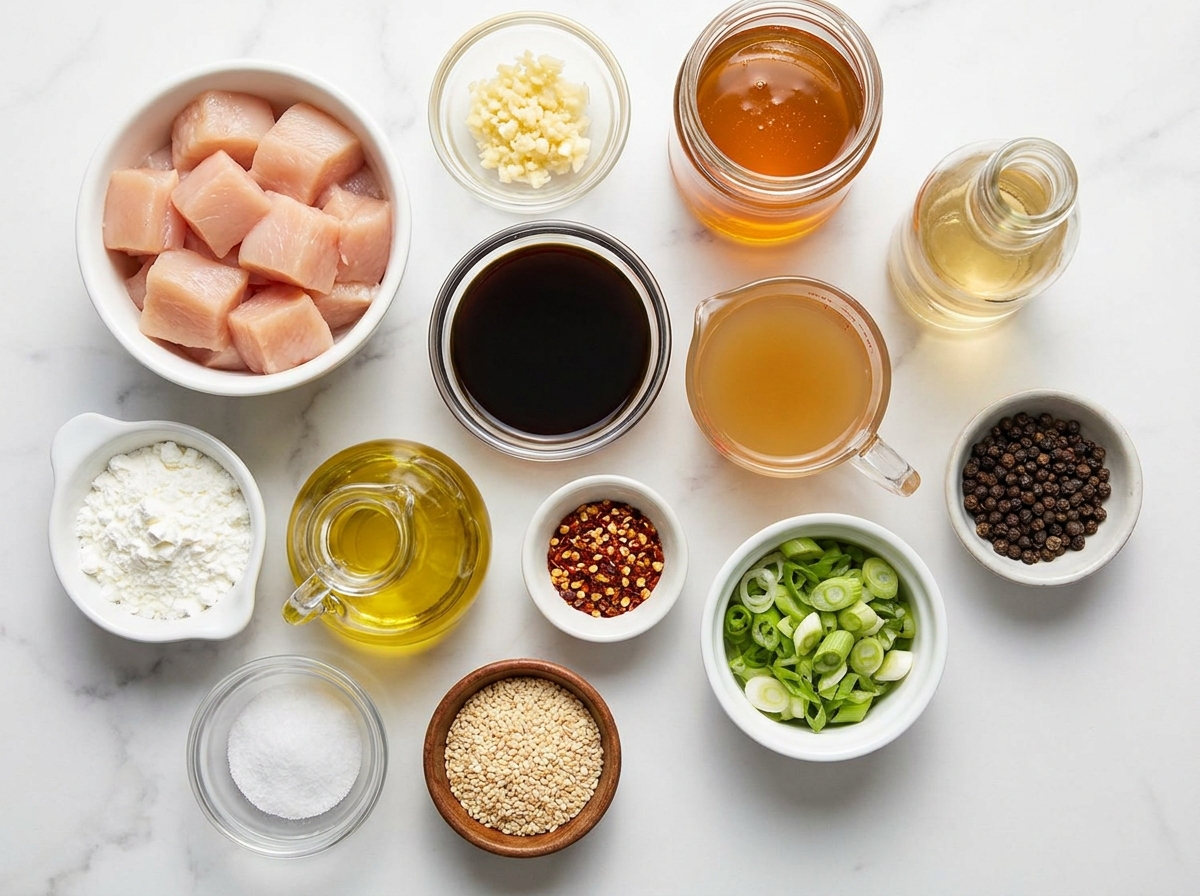
- Chicken breast. Cooks quickly when cut into bite-size pieces and gives the sauce plenty of surface area to cling to.
- Cornstarch. Helps the chicken brown and thickens the glaze in the pan.
- Garlic. Adds the sharp savory flavor that keeps the honey from tasting one-note.
- Honey. Makes the sauce glossy, sticky, and lightly caramelized.
- Low-sodium soy sauce. Brings salt and depth without overpowering the honey.
- Chicken broth. Loosens the sauce so it simmers before it thickens.
- Rice vinegar. Adds a clean tang that balances the sweetness.
- Scallions and sesame seeds. Finish the skillet with freshness and a little crunch.
Make Honey Garlic Chicken
- Mix the sauce. Whisk honey, soy sauce, broth, rice vinegar, chili flakes, and cornstarch until smooth so the sauce can thicken evenly.
- Coat the chicken. Pat the chicken dry, season it with salt and pepper, then toss with cornstarch. Shake off any heavy clumps.
- Brown in one layer. Heat oil in a large skillet and cook the chicken without moving it for 3-4 minutes. Flip and cook until golden.
- Add the garlic. Stir in the garlic during the last minute of browning. It should smell fragrant, not dark or bitter.
- Glaze the chicken. Pour in the sauce and stir for 2-3 minutes until it bubbles, thickens, and coats every piece.
- Finish and serve. Scatter scallions and sesame seeds over the chicken. Serve right away over rice or vegetables.
Keep The Chicken Juicy
Small pieces cook fast, so the skillet needs to be hot before the chicken goes in. Spread the pieces out and leave them alone for a few minutes. That first still moment gives you browning instead of pale steamed chicken. If your skillet is small, cook in two batches. It adds a few minutes, but the texture is much better.
Chicken is safely cooked at 165°F according to the USDA safe temperature chart. With bite-size pieces, a quick instant-read check is the cleanest way to avoid overcooking.
Fix The Sauce Texture
The sauce should look glossy and thick enough to drag a spoon through. If it stays thin, let it simmer another minute while stirring. If it turns too thick, add a tablespoon of water or broth and toss again. Garlic can burn quickly once the pan is hot, so add it after the chicken is mostly browned. That keeps the flavor clean.
For a saucier vegetable-heavy meal, try the same flavor family in Honey Garlic Chicken Stir Fry. It is better suited to a pan full of vegetables.
Easy Flavor Swaps
Use boneless thighs if you want a richer bite. Add a teaspoon of grated ginger with the garlic for warmth, or use a pinch of red pepper flakes for gentle heat. Tamari works for a gluten-free version. For more sesame flavor, the sweet-savory idea in Honey Sesame Chicken Broccoli is a good next dinner.
What To Serve With It
Rice is the obvious choice because it catches every bit of sauce. I also like steamed broccoli, sauteed green beans, or crisp cucumber slices on the side. For a lower-carb plate, spoon the chicken over cauliflower rice or tuck it into lettuce cups with extra scallions.
If you want the same honey garlic mood with a different cut, Honey Garlic Chicken Thighs leans richer and more tender.
Storage And Reheating
Leftovers keep well for up to 4 days in the refrigerator. The glaze thickens as it chills, so reheat it gently in a skillet with a splash of water. The microwave works for lunch, but use short bursts and stir between them. High heat can make the chicken tough.
Freeze only if needed. The chicken is still good, but the sauce can look a little dull after thawing.
Summary
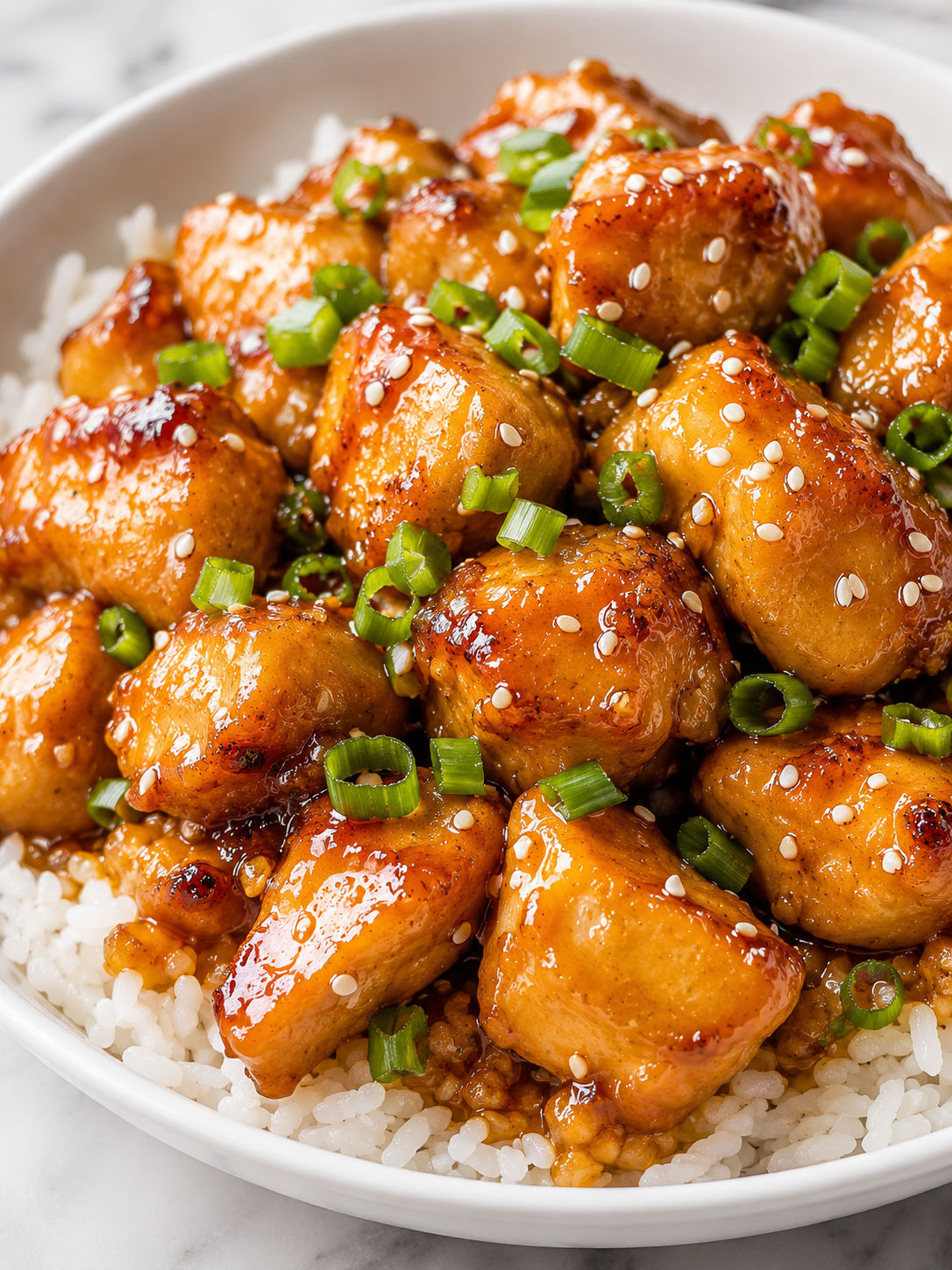
Keep the chicken in one layer, add the garlic near the end of browning, and simmer the sauce just until glossy. That is the difference between tender glazed chicken and a pan of overcooked pieces in thin sauce.

FAQs
- Can I use chicken thighs instead of chicken breasts?
Yes. Boneless skinless thighs work very well and stay tender even if they cook a minute longer. Cut them into similar-size pieces so they brown evenly.
- How do I make Honey Garlic Chicken gluten-free?
Use tamari or a certified gluten-free soy sauce instead of regular soy sauce. Also check your chicken broth label, since some brands include gluten-containing additives.
- Why is my sauce too thin?
The sauce may need another minute of simmering, or the pan may be crowded and watery. Keep stirring as it bubbles. It should turn shiny and cling to the chicken.
- Can I make this ahead for meal prep?
Yes. Store the cooked chicken in an airtight container for up to 4 days. Reheat gently with a small splash of water so the glaze loosens instead of scorching.
- What should I serve with Honey Garlic Chicken?
Steamed jasmine rice is the easiest match because it soaks up the sauce. Broccoli, snap peas, cucumber salad, or cauliflower rice also work well.
- Can I double the recipe?
Yes, but brown the chicken in batches. If you crowd the skillet, the pieces steam and the sauce gets watery before it can thicken.
