 Pin it
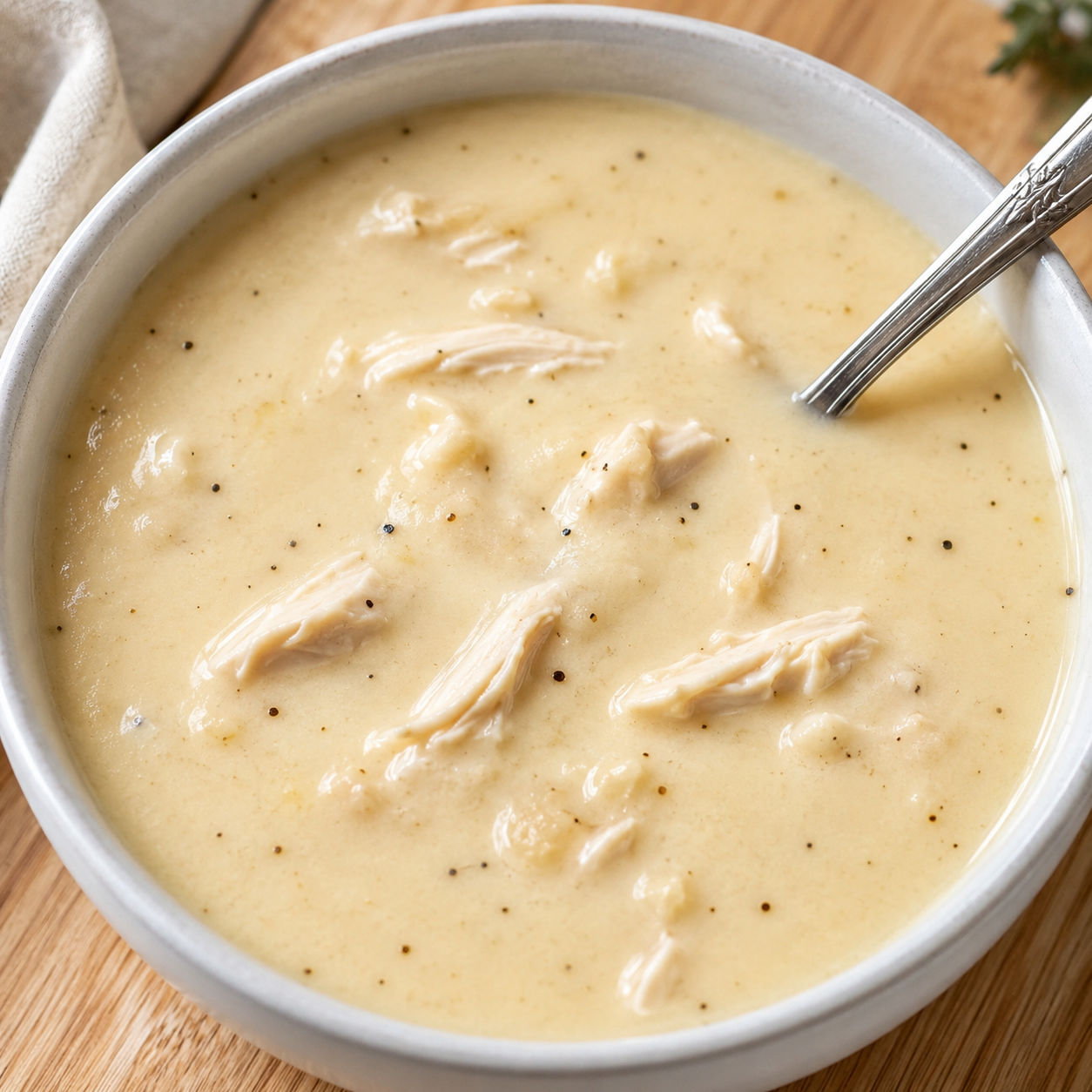
Easy Homemade Cream of Chicken Soup is one of those recipes that saves dinner when the pantry feels thin. It takes basic ingredients and turns them into a thick, savory base that tastes cleaner and warmer than the canned version.
I like it because you control the salt, the texture, and the seasoning. Keep it thick for casseroles, or loosen it with extra broth and add shredded chicken for a spoonable soup.
Easy Homemade Cream of Chicken Soup
The short ingredient list works best when the broth tastes good on its own. Use low-sodium broth if you can, then season slowly because bouillon and chicken base can vary a lot.
- Unsalted butter. Forms the base of the roux and gives the soup a round, rich flavor.
- All-purpose flour. Thickens the soup so it can stand in for condensed canned soup.
- Chicken broth. Brings the main savory flavor. A warm broth blends into the roux more smoothly.
- Whole milk. Softens the broth and makes the texture creamy without feeling heavy.
- Chicken bouillon base. Adds that familiar deep chicken flavor in a small amount.
- Onion powder and garlic powder. Season the soup evenly without leaving raw bits behind.
- Celery seed. Gives a tiny background note that makes the soup taste more rounded.
- Black pepper. Cuts through the creaminess and keeps the flavor from tasting flat.
Whisk It Smooth
- Warm the liquids. Heat the broth and milk until they are warm to the touch. They do not need to boil.
- Cook the roux. Melt the butter in a saucepan, add the flour, and whisk until it looks like wet sand and smells lightly toasty.
- Add broth slowly. Pour in the warm chicken broth a little at a time, whisking until smooth before each addition.
- Season and simmer. Add the milk, bouillon, onion powder, garlic powder, celery seed, salt, and pepper. Simmer gently until thick and glossy.
- Adjust the texture. Remove from the heat and taste. Leave it thick for casseroles or whisk in extra broth for a thinner soup.
The Roux Needs Time
The roux is the difference between a silky soup and a pot that tastes like flour. After the flour goes into the butter, keep whisking for 2-3 minutes. It should lose the raw smell and turn pale golden, not brown.
Add the broth slowly. A splash at first looks too thick, then it relaxes as you whisk. Once that first splash is smooth, the rest of the liquid goes in much more easily. This same roux method is useful if you like homemade cream bases such as cream of mushroom soup or cream of celery soup.
Thick Or Spoonable
For a condensed-style soup, stop cooking when the whisk leaves soft tracks across the bottom of the pan. It will thicken more as it cools. Portion it into 1 1/4 cup containers if you want easy can-sized amounts for recipes.
For a bowl of soup, add another cup or two of broth and stir in cooked shredded chicken. A handful of peas, rice, or noodles makes it feel like a full lunch. If you want a heartier chicken soup next time, try quick creamy chicken tortilla soup.
Where To Use It
This is the kind of homemade staple that slips into weeknight dinners without much fuss. Use it in chicken and rice, pot pie filling, creamy casseroles, skillet bakes, or slow cooker recipes that call for condensed soup.
It works especially well anywhere you want creaminess without a canned aftertaste. Try it in easy mini chicken pot pies, or loosen it with broth before adding it to a chicken noodle bake.
Make Smart Swaps
Gluten-free flour blend works well here if it is meant to replace wheat flour cup for cup. Cornstarch can thicken soup too, but it gives a glossier texture and does not taste like the classic roux-based version.
Whole milk gives the best balance for everyday cooking. Half-and-half makes it richer, while 2 percent milk works if that is what you have. If you add cooked chicken, dice or shred it small so the soup still works as a sauce in casseroles.
Store It In Portions
Cool the soup, then refrigerate it in airtight containers for up to 4 days. The USDA notes that cooked leftovers should be chilled promptly, and their leftovers and food safety guide is a useful reference for timing.
Freeze the soup in recipe-sized containers for up to 3 months. Thaw overnight in the fridge and reheat slowly while whisking. If it looks separated at first, keep the heat low and whisk in a spoonful of broth.

Summary
Homemade cream of chicken soup is quick, flexible, and useful beyond soup night. Make it thick for casseroles or thin it with broth for a cozy bowl.

FAQs
- Can I use this instead of canned condensed cream of chicken soup?
Yes. Keep it thick and use about 1 1/4 cups as the swap for one 10.5 ounce can. If your casserole is already very saucy, start with a little less and add more only if the mixture looks dry.
- How do I make it gluten-free?
Use a cup-for-cup gluten-free flour blend in place of all-purpose flour. Whisk it into the butter the same way and let it cook for a few minutes before adding broth. Also check that your bouillon or chicken base is labeled gluten-free.
- Can I make it without milk?
You can use unsweetened plain oat milk or a mild dairy-free milk, but the flavor will change a little. Avoid sweetened or vanilla versions. For a richer dairy-free finish, add a small splash of unsweetened coconut cream, but only if you do not mind a faint coconut note.
- Why did my soup turn lumpy?
Lumps usually happen when cold liquid hits the roux too fast. Add warm broth slowly and whisk until smooth before adding more. If lumps remain, blend the soup briefly or pass it through a fine sieve.
- Can I freeze homemade cream of chicken soup?
Yes, freeze it in can-sized portions for up to 3 months. Dairy-based soups can look separated after thawing, but a quick whisk over low heat usually brings them back together. Do not boil hard during reheating.
- Can I eat this as a bowl of soup?
Yes. Thin it with extra chicken broth until it has the texture you like, then stir in cooked chicken, peas, rice, noodles, or vegetables. Taste again at the end because extra broth may need more salt and pepper.
