 Pin it
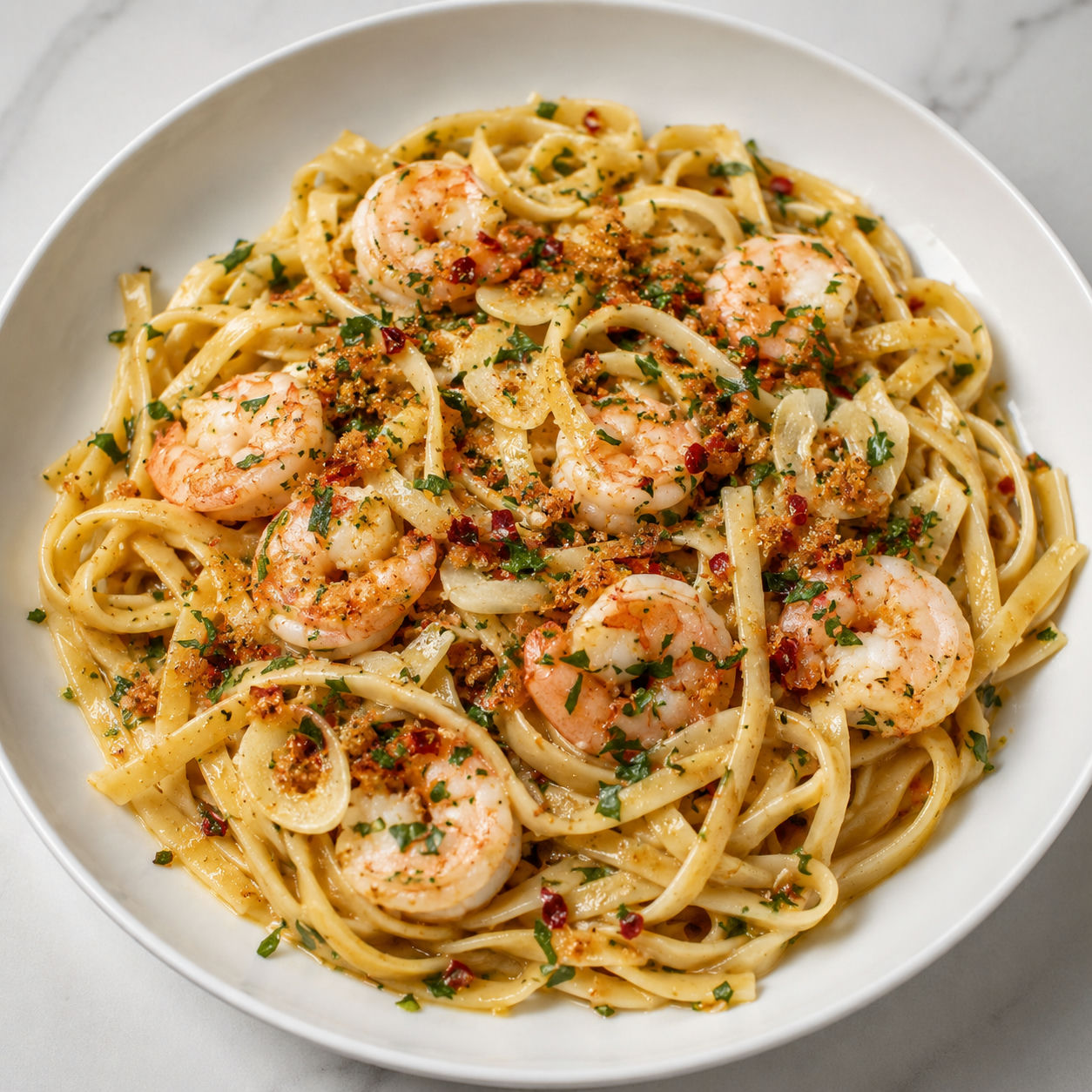
This garlic shrimp pasta recipe is the kind of dinner that feels special without asking much from you. The shrimp cook quickly, the sauce stays bright with lemon, and the pasta picks up every bit of garlic butter from the pan.
I like it best with linguine because the long strands grab the sauce well. The real trick is pulling the shrimp off the heat before they turn tight and rubbery.
The Garlic-Lemon Lineup
Use large shrimp if you can. They stay juicier in the skillet and give you a little more room before they overcook. Fresh garlic matters here, since it is the main flavor in the sauce.
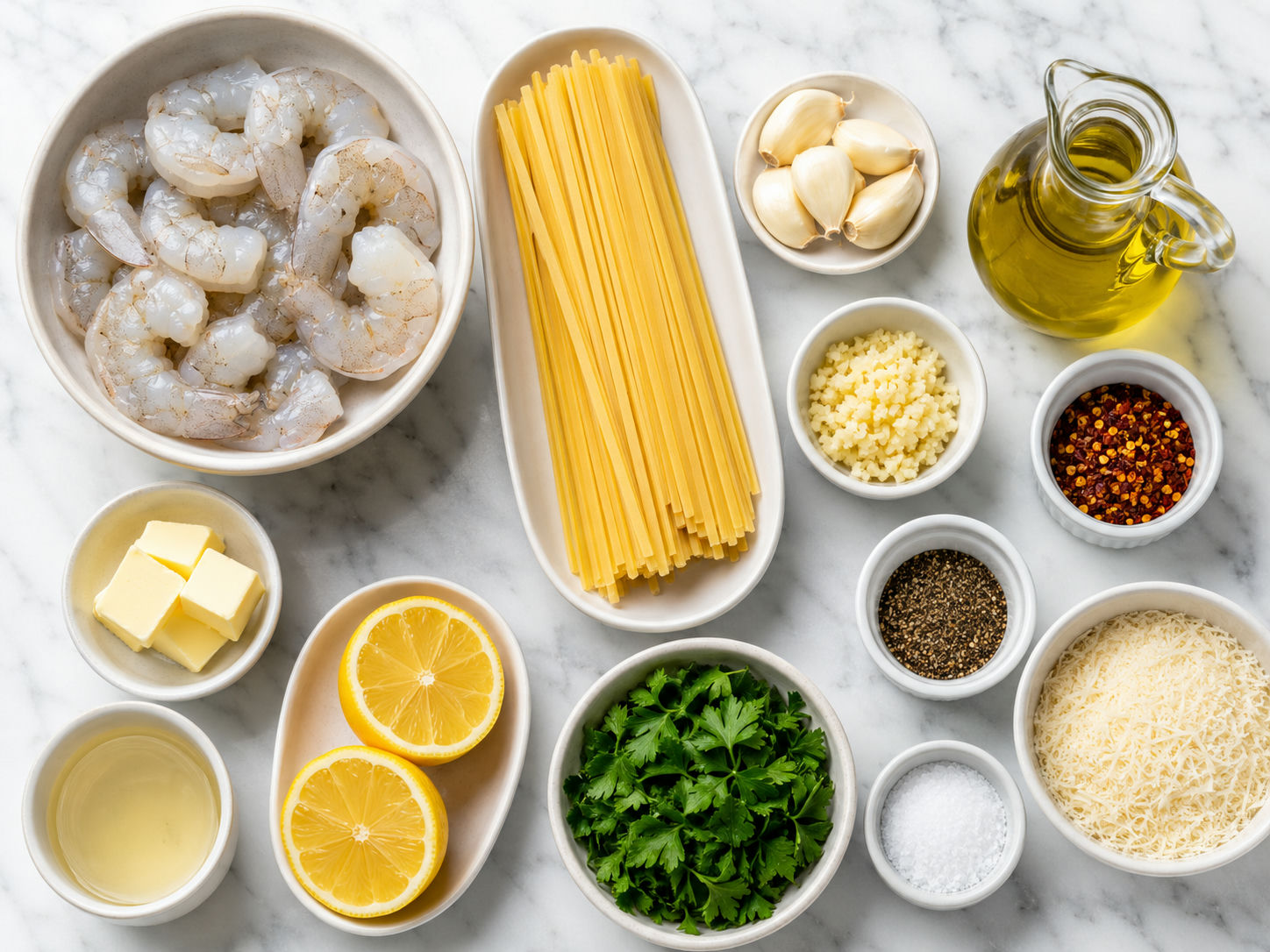
- Large shrimp. They cook fast and bring a sweet seafood flavor to the pasta.
- Linguine. Long strands hold the glossy garlic butter sauce without feeling heavy.
- Fresh garlic. It gives the sauce its deep savory bite. Slice or mince it right before cooking.
- Butter and olive oil. Butter adds richness while olive oil keeps the sauce from tasting too heavy.
- Dry white wine or broth. This loosens the pan bits and gives the sauce body.
- Lemon juice and zest. Lemon wakes up the shrimp and balances the butter.
- Parsley. A fresh green finish that keeps the bowl from tasting flat.
- Red pepper flakes. Just enough heat to cut through the richness.
- Parmesan. Optional, but a small amount adds salty depth at the table.
Cook It Fast And Glossy
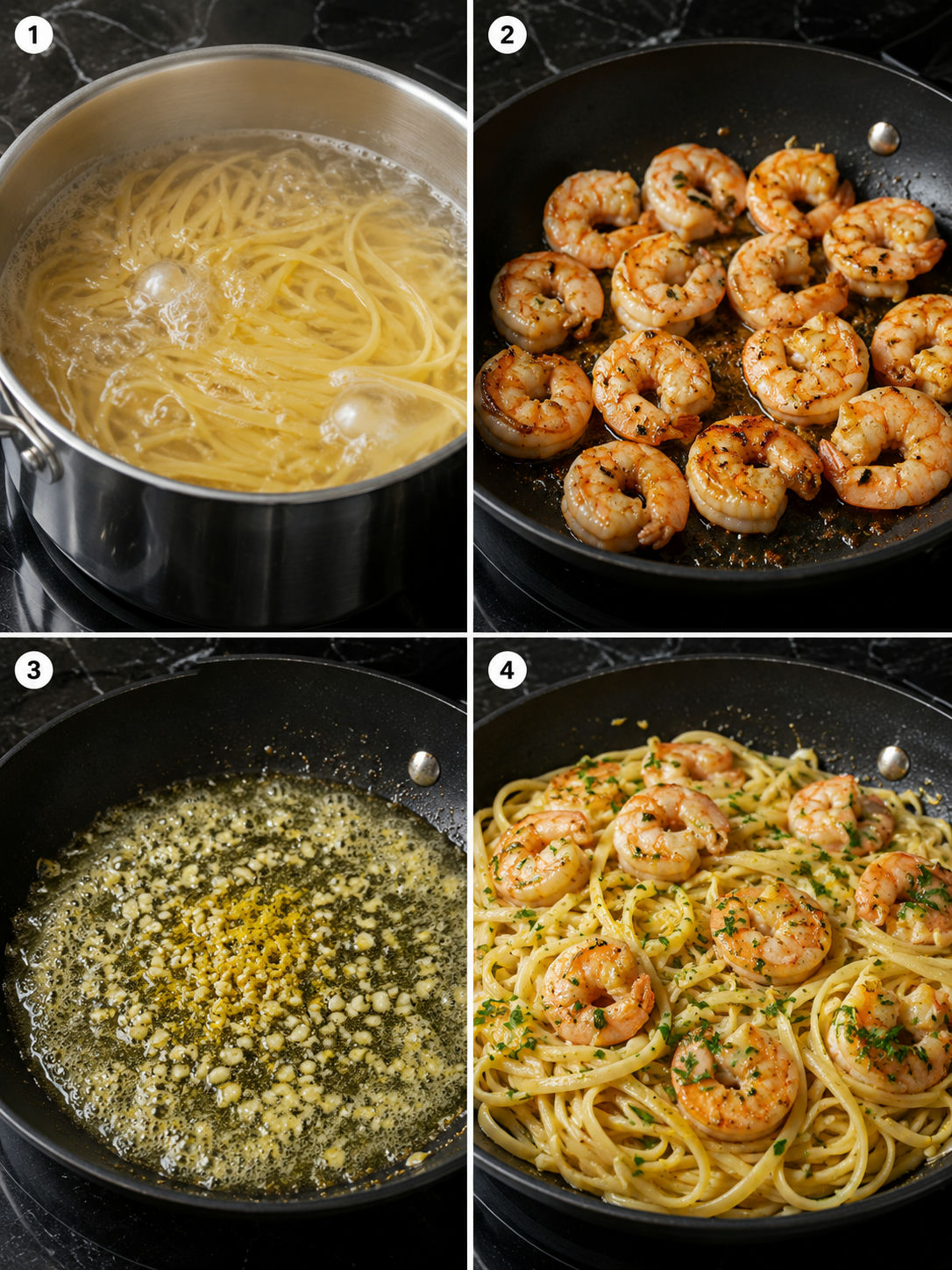
- Boil the pasta. Cook the linguine in well-salted water until just shy of al dente. Save 1 cup of the starchy water before draining.
- Season the shrimp. Pat the shrimp dry, then season with salt, pepper, and a pinch of red pepper flakes. Dry shrimp brown better.
- Sear the shrimp. Heat olive oil in a wide skillet. Cook the shrimp for 1-2 minutes per side until pink and just opaque, then move them to a plate.
- Soften the garlic. Lower the heat and add butter. Stir in the garlic and lemon zest for about 30 seconds, just until fragrant.
- Make the sauce. Add wine or broth and simmer for 1-2 minutes. Scrape the pan so the garlic and browned bits melt into the liquid.
- Toss the pasta. Add the drained pasta and a splash of pasta water. Toss until the sauce turns shiny and clings to the noodles.
- Finish gently. Return the shrimp to the pan with lemon juice and parsley. Toss briefly, taste for salt, and serve with parmesan if using.
Why Pasta Water Matters
The sauce should cling to the noodles, not pool at the bottom of the skillet. Pasta water helps because it carries starch from the cooked linguine. Add it a little at a time while tossing. The butter and cooking liquid will tighten into a light, shiny coating.
If the skillet looks oily, add another splash of pasta water and toss longer. If it looks dry, add water before adding more butter. This same idea is useful in other seafood pastas, including garlic shrimp pasta with butter and herbs and classic shrimp scampi.
Shrimp Doneness Cues
Shrimp are done when they turn pink, curl into a loose C shape, and look opaque through the thickest part. A tight O shape usually means they have gone too far. The FDA seafood-safety guide lists 145°F as the safe cooking temperature for seafood.
Because shrimp are small, carryover heat keeps working after they leave the pan. I take them out a touch early, then let them finish when they go back into the warm pasta.
Good Swaps For Busy Nights
No wine in the house? Use low-sodium chicken broth, seafood stock, or even a splash of pasta water with extra lemon. You can use spaghetti instead of linguine, or make it richer with a spoonful of grated parmesan stirred in off the heat.
For heat, add more red pepper flakes or borrow the spicier feel of Cajun shrimp pasta. For a creamy version, start with this same seared shrimp method and look at creamy shrimp Alfredo pasta for sauce inspiration.
Serving The Pasta Well
This pasta tastes best right after tossing, while the sauce is loose and shiny. Warm shallow bowls help keep it from cooling too fast. Add lemon wedges at the table, a little parmesan, and a few extra parsley leaves if you want it to look finished.
A crisp green salad is enough on the side. Garlic bread is good too, but keep the pasta as the main event. If you want a rice-based garlic shrimp dinner another night, try garlic butter shrimp with fluffy rice stack.
Leftovers Without Rubbery Shrimp
Leftovers keep well for up to 3 days in the refrigerator. The USDA leftover guidance recommends refrigerating cooked food promptly and using chilled leftovers within a few days.
Reheat this gently in a skillet with a splash of water or broth. Avoid high heat. It tightens the shrimp and can make the butter sauce separate.
Summary
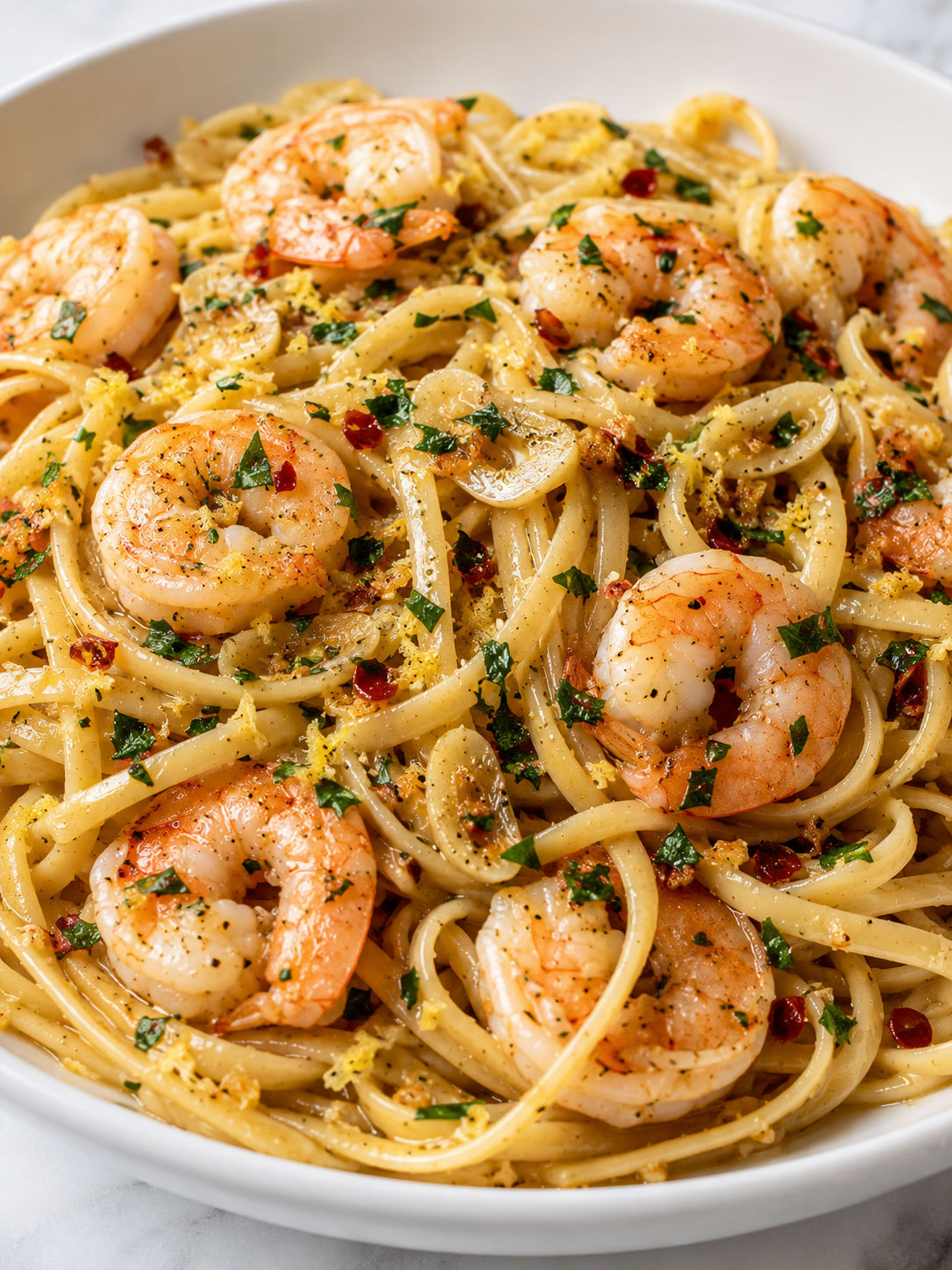
Serve this pasta right away while the sauce is silky. Add extra lemon at the table if you like a sharper finish.
FAQs
- Can I use frozen shrimp for garlic shrimp pasta?
Yes. Frozen shrimp work very well here. Thaw them in the fridge overnight or under cold running water, then pat them dry before cooking so they sear instead of steam.
- What pasta shape works best?
Linguine, spaghetti, and fettuccine are all good choices because long strands hold the garlic butter sauce. Short pasta works too, but save extra pasta water so the sauce can coat all the corners.
- Can I make this without wine?
Yes. Use low-sodium chicken broth or seafood stock instead. Add a little extra lemon at the end to bring back the brightness that wine would usually add.
- How do I keep shrimp from overcooking?
Cook shrimp just until pink and opaque, about 1-2 minutes per side for large shrimp. Remove them from the pan while you build the sauce, then warm them through at the end.
- How should I store leftovers?
Store leftovers in an airtight container in the fridge for up to 3 days. Reheat gently in a skillet with a splash of water or broth so the pasta loosens without overcooking the shrimp.
- Can I add vegetables to this pasta?
Yes. Baby spinach, cherry tomatoes, asparagus tips, or zucchini are easy additions. Add tender vegetables near the end so they soften without turning watery.
