 Pin it
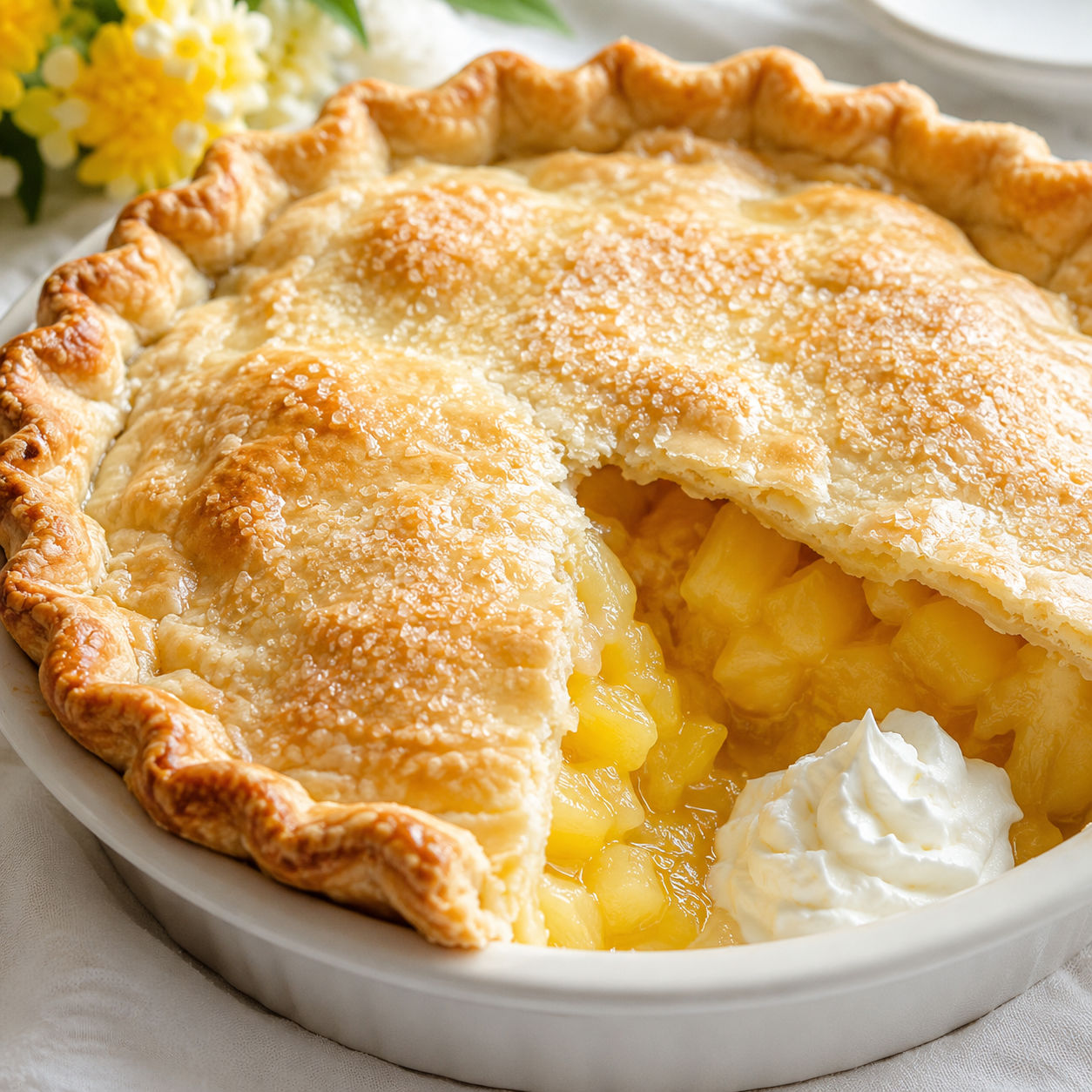
Fluffy Easter Pineapple Pie is the kind of dessert that wakes up a holiday table. The filling is sunny and tart-sweet, with little pineapple pieces that stay juicy instead of turning watery.
I like this pie when heavier cakes feel like too much after Easter dinner. A short stovetop cook thickens the fruit before it ever hits the crust, so the finished pie cuts neatly and still tastes fresh.
Sunshine Filling, Tender Crust
Choose a ripe pineapple that smells sweet at the base and feels heavy for its size. The crust needs cold butter and a light hand, while the filling needs enough cornstarch to hold its shape after cooling.
- Fresh pineapple. Gives the pie its bright tropical flavor and juicy texture.
- Granulated sugar. Sweetens the tart fruit without making the filling heavy.
- Cornstarch. Thickens the pineapple juices into a glossy filling that slices cleanly.
- Lemon juice. Keeps the fruit lively and balances the sugar.
- Cinnamon. Adds a warm, quiet spice that works well with pineapple.
- All-purpose flour. Builds a sturdy but tender homemade crust.
- Cold unsalted butter. Creates flaky layers and rich flavor in the pastry.
- Egg wash. Gives the top crust a shiny golden finish for the Easter table.
Bake The Pie In Layers
- Make the dough. Cut cold butter into flour, sugar, and salt until the pieces look like peas, then add ice water just until the dough holds together.
- Chill it well. Divide the dough into two disks and refrigerate for at least 30 minutes so the butter firms up again.
- Cook the pineapple. Simmer pineapple, sugar, lemon juice, cinnamon, and cornstarch until the juices turn thick and glossy.
- Roll the bottom crust. Fit one dough round into a 9-inch pie plate and keep the edges relaxed so they do not shrink.
- Add the cooled filling. Spoon the pineapple into the crust only after it is no longer hot, which protects the pastry.
- Top and seal. Add the second crust, crimp the edges, cut steam vents, and brush with egg wash.
- Bake until golden. Bake until the crust is deeply golden and the filling bubbles through the vents, then cool before slicing.
Why Fluffy Easter Pineapple Pie Works
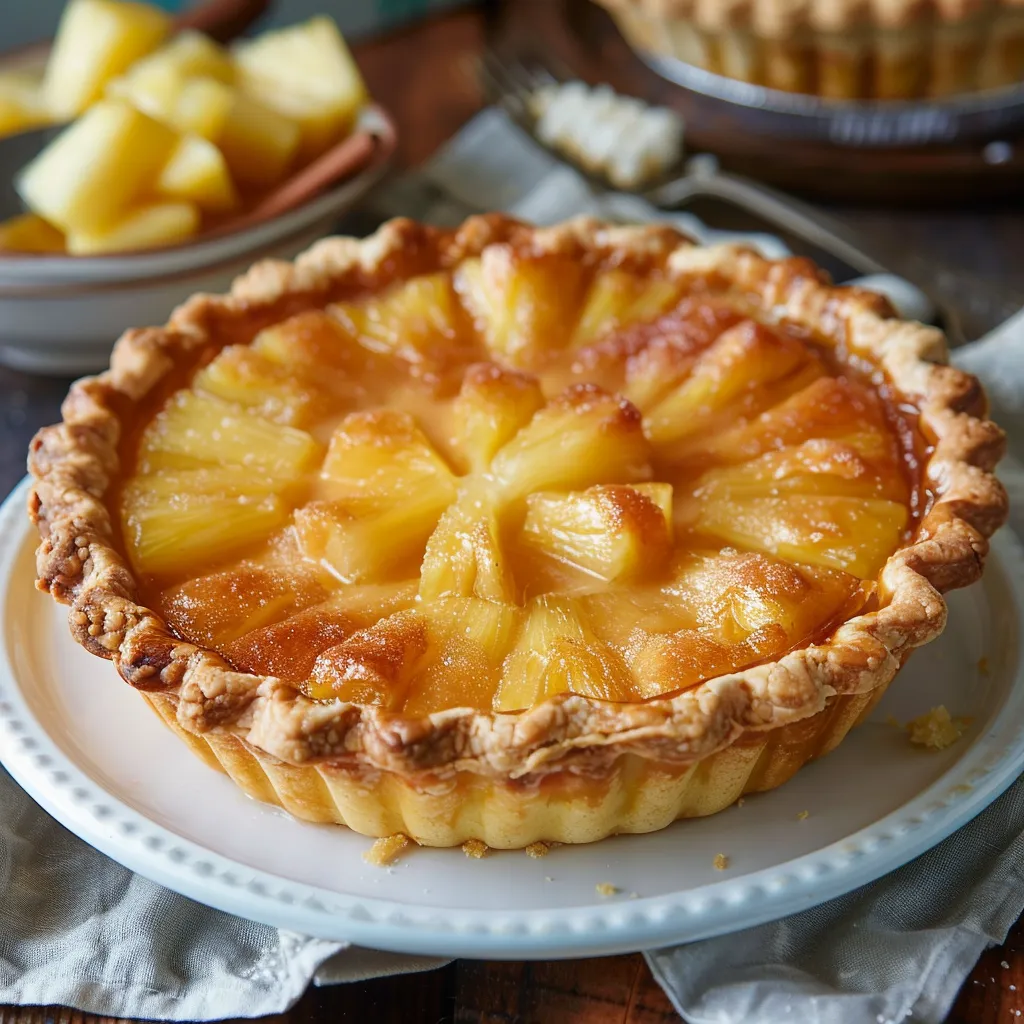
The filling is cooked before baking because pineapple releases a lot of juice. If you pile raw pineapple straight into pastry, the crust can turn soggy before the fruit thickens. A few minutes on the stove changes everything. The juices tighten, the fruit softens, and the filling goes into the crust already glossy. For more pie-baking basics, the King Arthur pie guide is a helpful reference. If you want another bright spring slice for the dessert table, pair this with Easter Jell-O Pie.
Getting A Clean Slice
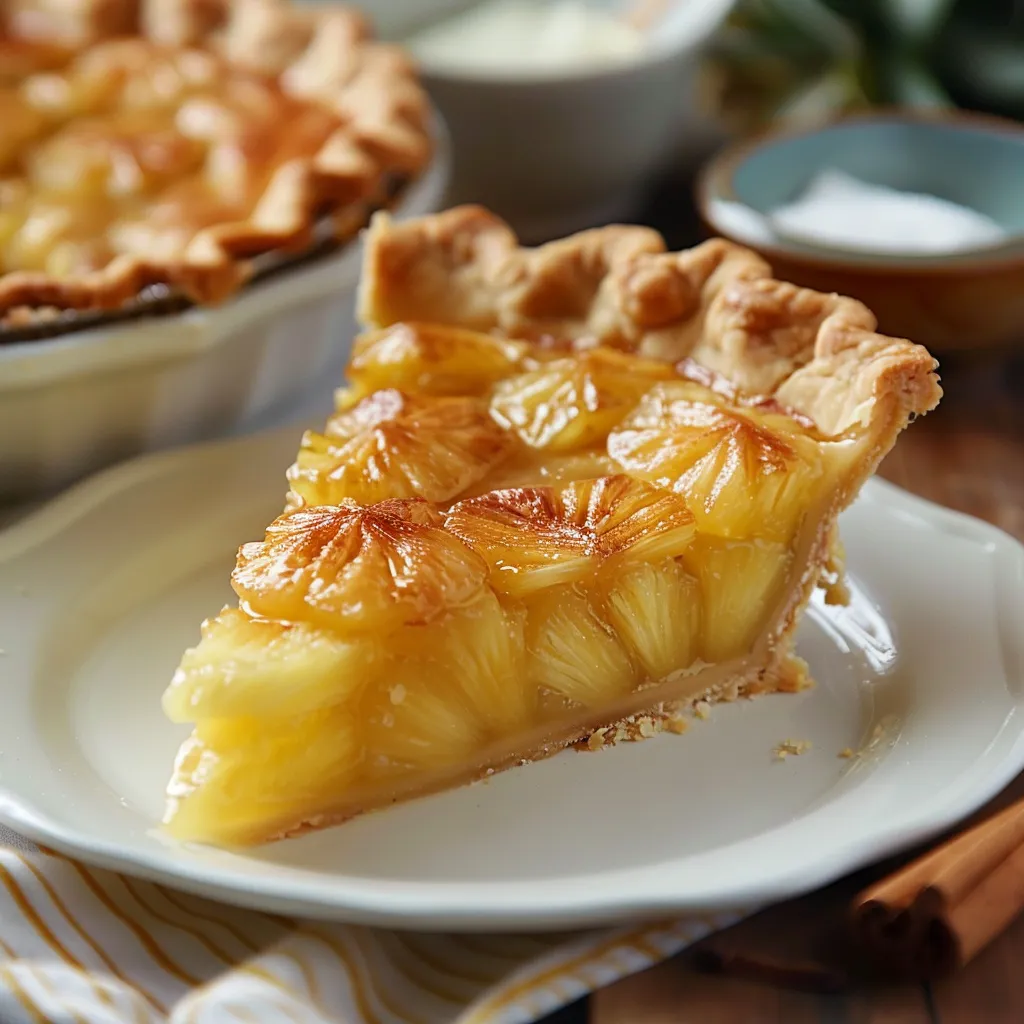
The hardest part is waiting. Pineapple pie smells ready the second it leaves the oven, but the filling needs time to settle. Give it at least 3 hours at room temperature. The cornstarch firms as it cools, and the fruit holds together instead of sliding out when you cut the first wedge. Use a sharp knife and wipe it between slices for neat edges. A scoop of vanilla ice cream is lovely, but whipped cream keeps the pie feeling lighter after a big meal.
Smart Pineapple Swaps
Fresh pineapple gives the brightest flavor, but canned pineapple works when you need a shortcut. Drain it well and blot away extra juice. Crushed pineapple makes a softer filling, while tidbits give a more distinct fruit bite. For a tropical twist, stir in 1/3 cup shredded coconut after the filling comes off the heat. If that flavor is what you love, save Pineapple Coconut Cheesecake Bars for your next party tray.
Crust Color Matters
A pale top crust usually means the bottom crust is pale too. Bake until the top is deeply golden and the filling bubbles in the vents. If the edges brown too fast, cover just the rim with foil and let the center keep baking. That extra color gives the pie a crisp, buttery shell that stands up to the juicy filling. For another fruit-forward bake with a classic crust, try Classic Strawberry Rhubarb Pie.
Storage And Holiday Timing
You can make the dough and filling the day before, then bake fresh on Easter. Leftover pie keeps best in the refrigerator, loosely covered, for up to 4 days. The FoodSafety.gov cold storage chart is a good general guide for cooked leftovers. If you need a no-bake pineapple option for a crowded oven day, Pistachio Pineapple Fluff Delight is easy to prep ahead.
Summary
This spring pie is best served fully cooled with whipped cream or vanilla ice cream. The filling can be made a day ahead.
FAQs
- Can I use canned pineapple instead of fresh?
Yes. Drain it very well and use the same measured amount as the fresh pineapple. Canned pineapple is usually softer and sweeter, so start with the lower amount of sugar and add a little extra lemon juice if it tastes flat.
- Why is my pineapple pie filling runny?
The filling likely needed more time on the stove or more time cooling after baking. Cook it until it looks glossy and thick before filling the crust. After baking, let the pie cool for at least 3 hours so the cornstarch can set.
- Can I make this pie ahead for Easter?
Yes. Make the filling and dough the day before, then assemble and bake the pie on Easter morning. You can also bake the whole pie a day ahead and keep it covered at room temperature if your kitchen is cool.
- What should I serve with pineapple pie?
Whipped cream is the easiest match because it softens the tart fruit. Vanilla ice cream is good too, especially if the pie is still slightly warm. Toasted coconut on top adds a nice Easter dessert feel.
- Can I make the crust with store-bought pie dough?
Absolutely. Use two 9-inch refrigerated pie crusts and keep them cold until you are ready to fill. The homemade butter crust is flakier, but store-bought dough still makes a very good holiday pie.
- How do I store leftover pineapple pie?
Cover leftovers and refrigerate them for up to 4 days. The crust softens a little as it sits, but the flavor stays bright. Rewarm slices in a low oven if you want the pastry to crisp again.
