 Pin it
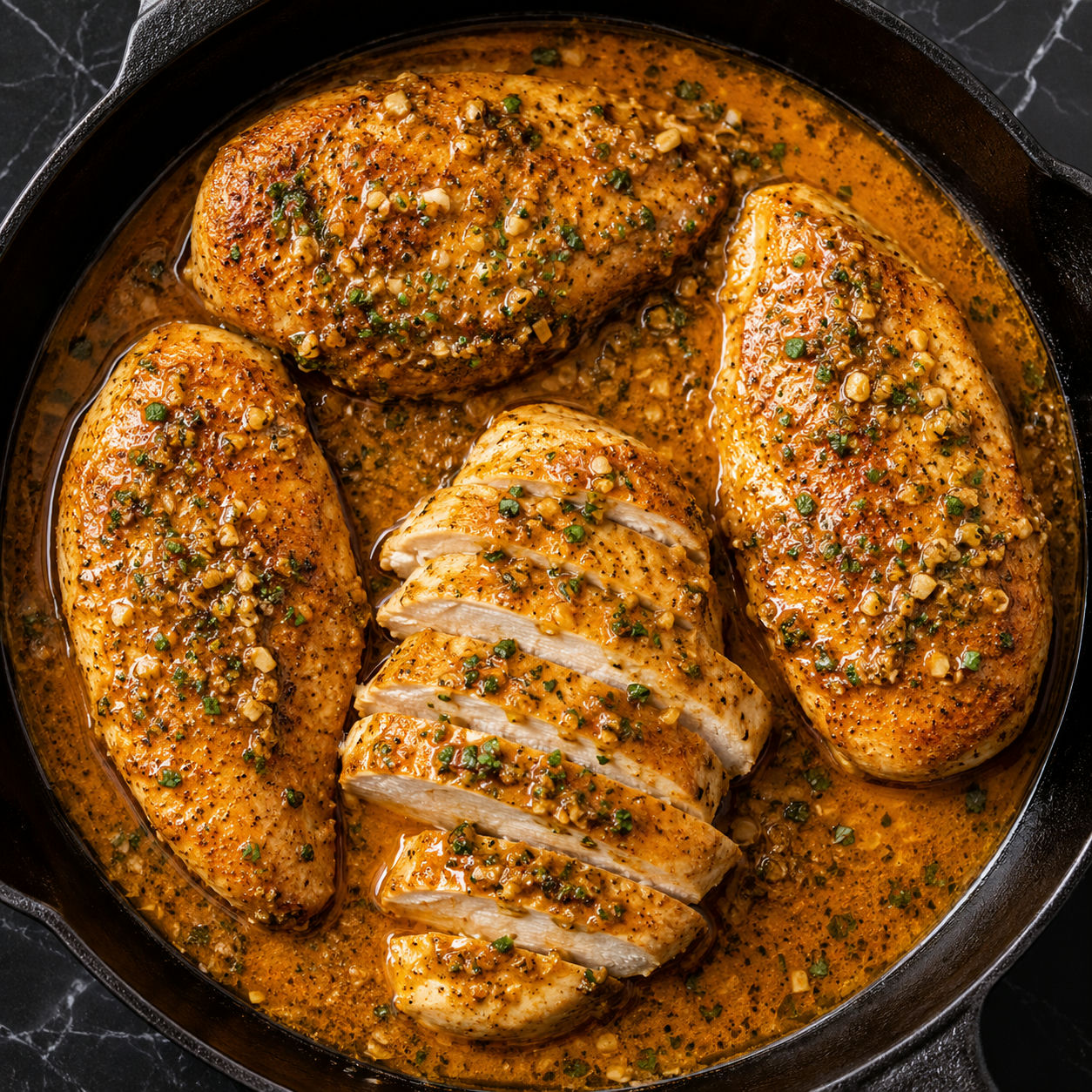
Cowboy Butter Chicken is the skillet dinner I make when plain chicken breasts need a serious rescue. The sauce is buttery, sharp from Dijon and lemon, full of garlic, and just spicy enough to wake everything up.
The best part is how fast it moves once the chicken is browned. You build the sauce in the same pan, scrape up all those golden bits, then spoon the glossy butter sauce over the chicken until it tastes like something you would order out.
The buttery skillet lineup
This recipe is built on a short list of loud flavors. Use fresh garlic, real lemon, and herbs that still smell bright when you chop them.
Thin chicken cutlets cook evenly and give the sauce more surface to cling to. If your chicken breasts are thick, slice them in half before seasoning.
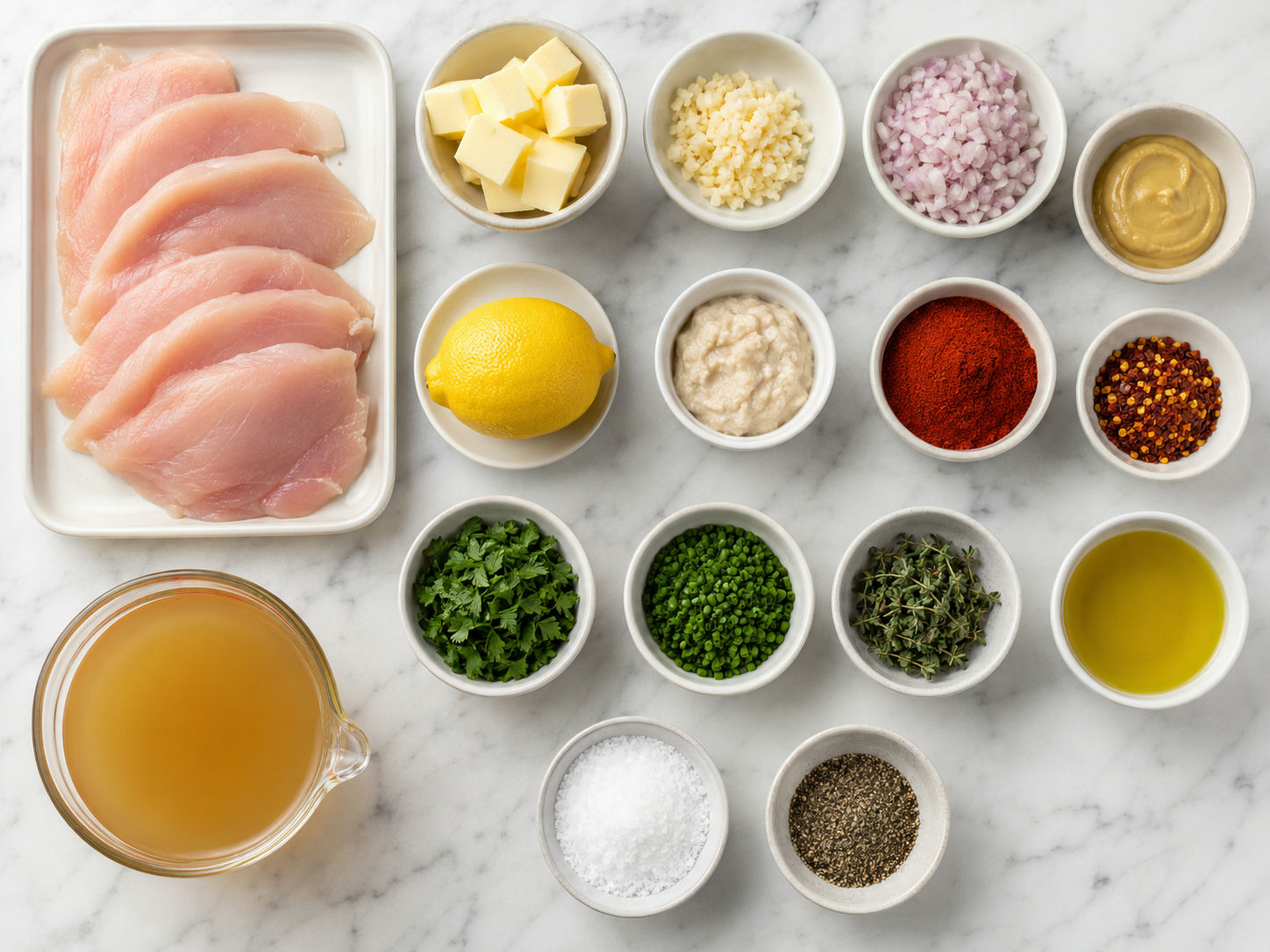
- Chicken breasts. Thin cutlets sear quickly and stay tender in the sauce.
- Unsalted butter. Gives the sauce its rich body and lets you control the salt.
- Garlic and shallot. Add the savory base without needing a long simmer.
- Dijon mustard. Cuts through the butter and helps the sauce taste bright instead of heavy.
- Lemon juice. Adds the tang that makes cowboy butter so good with chicken.
- Smoked paprika. Brings warm color and a faint campfire edge.
- Red pepper flakes. Give the sauce a gentle heat you can dial up or down.
- Parsley, chives, and thyme. Fresh herbs keep the butter sauce lively.
- Chicken broth. Loosens the butter into a spoonable skillet sauce.
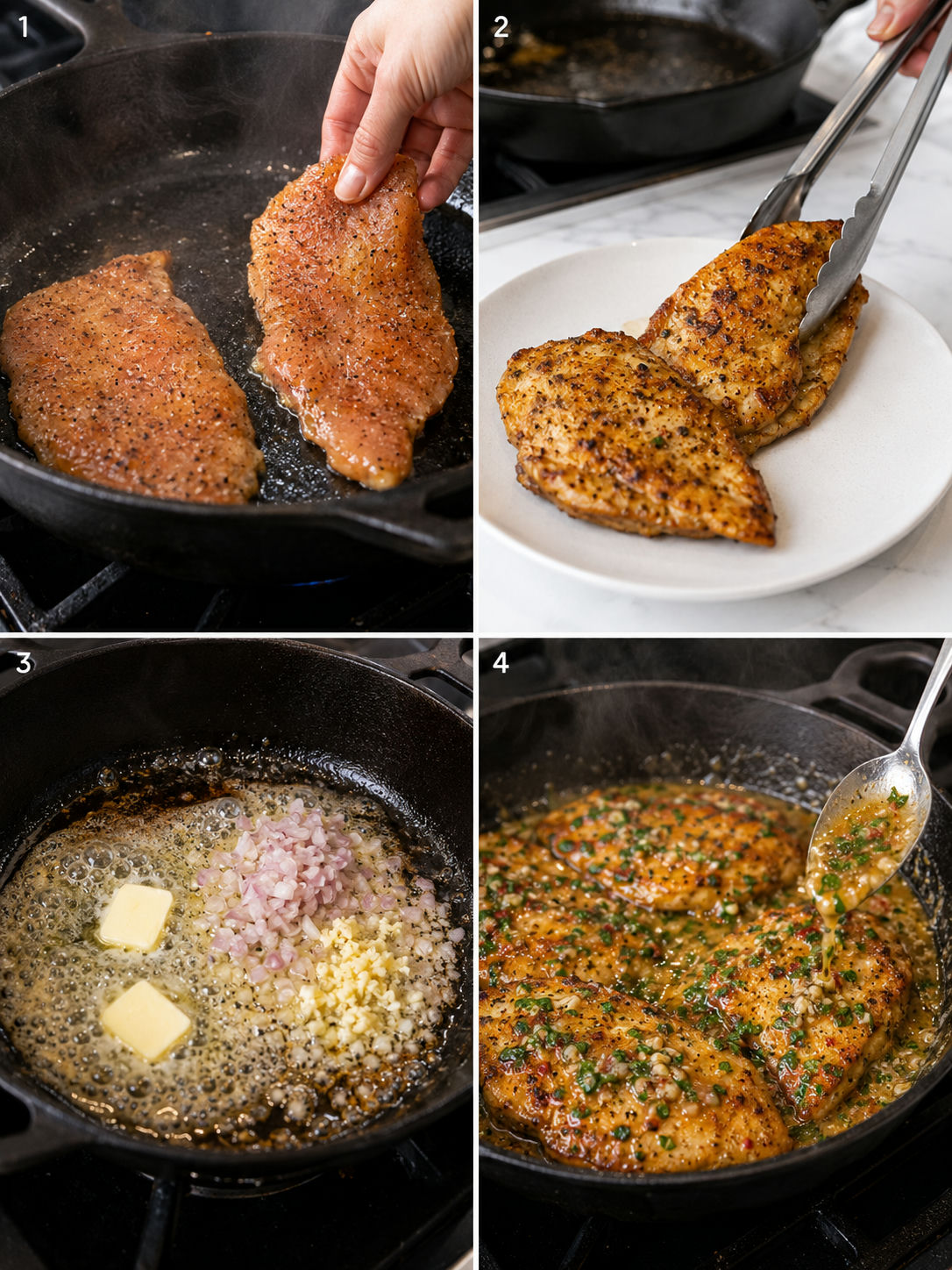
Sear, simmer, spoon
- Season the chicken. Pat the cutlets dry, then season both sides with salt, pepper, and a little smoked paprika so they brown instead of steam.
- Brown the cutlets. Heat oil in a large skillet and sear the chicken until golden on both sides. Move it to a plate before it is fully cooked through.
- Start the aromatics. Lower the heat, melt part of the butter, then cook the shallot and garlic just until fragrant. Do not let the garlic brown.
- Whisk the sauce. Add broth, Dijon, lemon juice, horseradish, red pepper flakes, and the remaining butter. Whisk until glossy and gently bubbling.
- Finish the chicken. Return the chicken and any juices to the skillet. Simmer gently until the thickest piece reaches 165°F, spooning sauce over the top.
- Add the herbs. Stir in parsley, chives, and thyme at the end so they taste fresh. Spoon extra sauce over each piece before serving.
Why Cowboy Butter Chicken Works
Cowboy butter is basically compound butter with a backbone. Southern Living describes the style as a mix of butter, herbs, citrus, aromatics, and spice, which is why it works so well on steak, potatoes, bread, and chicken. You get richness first, then garlic, mustard, lemon, and herbs come through right behind it. That keeps each bite from tasting flat.
For chicken, the trick is turning that butter into a skillet sauce instead of leaving it as a thick spread. A little broth makes it pourable. The mustard and lemon help it cling. If you already love the flavor in Cowboy Butter Chicken Bites with Cajun Creamy Dipping Sauce, this version gives you the same bold idea in a full dinner plate.
Browning matters here
Do not rush the first sear. The browned bits on the bottom of the skillet are what make the sauce taste deep after only a few minutes of cooking. Pat the chicken dry, give the pan time to heat, and leave the cutlets alone until they release easily.
If your chicken is pale after searing, the pan was probably crowded or not hot enough. Cook in two batches if needed. This same small step is what makes recipes like Tender Garlic Butter Chicken Bites with Asparagus taste like more than just butter and garlic.
Smart swaps for the sauce
No shallot is fine. Use a few tablespoons of minced yellow onion and cook it a little longer. No fresh thyme? A small pinch of dried thyme works, but add it with the broth so it softens. Horseradish gives cowboy butter its sharp little kick. If you skip it, add extra Dijon and a few more drops of lemon.
For a creamier sauce, whisk in two tablespoons of heavy cream at the end. For a pasta dinner, slice the chicken and toss the sauce with linguine like the idea behind Cowboy Butter Chicken Linguine with Zesty Flavor. Keep a splash of pasta water nearby so the sauce stays loose.
Doneness without dry chicken
Chicken breasts dry out when they coast too far past done. The USDA safe temperature chart lists 165°F as the safe internal temperature for poultry, so use an instant-read thermometer and check the thickest part. Pull the skillet from the heat as soon as the chicken gets there.
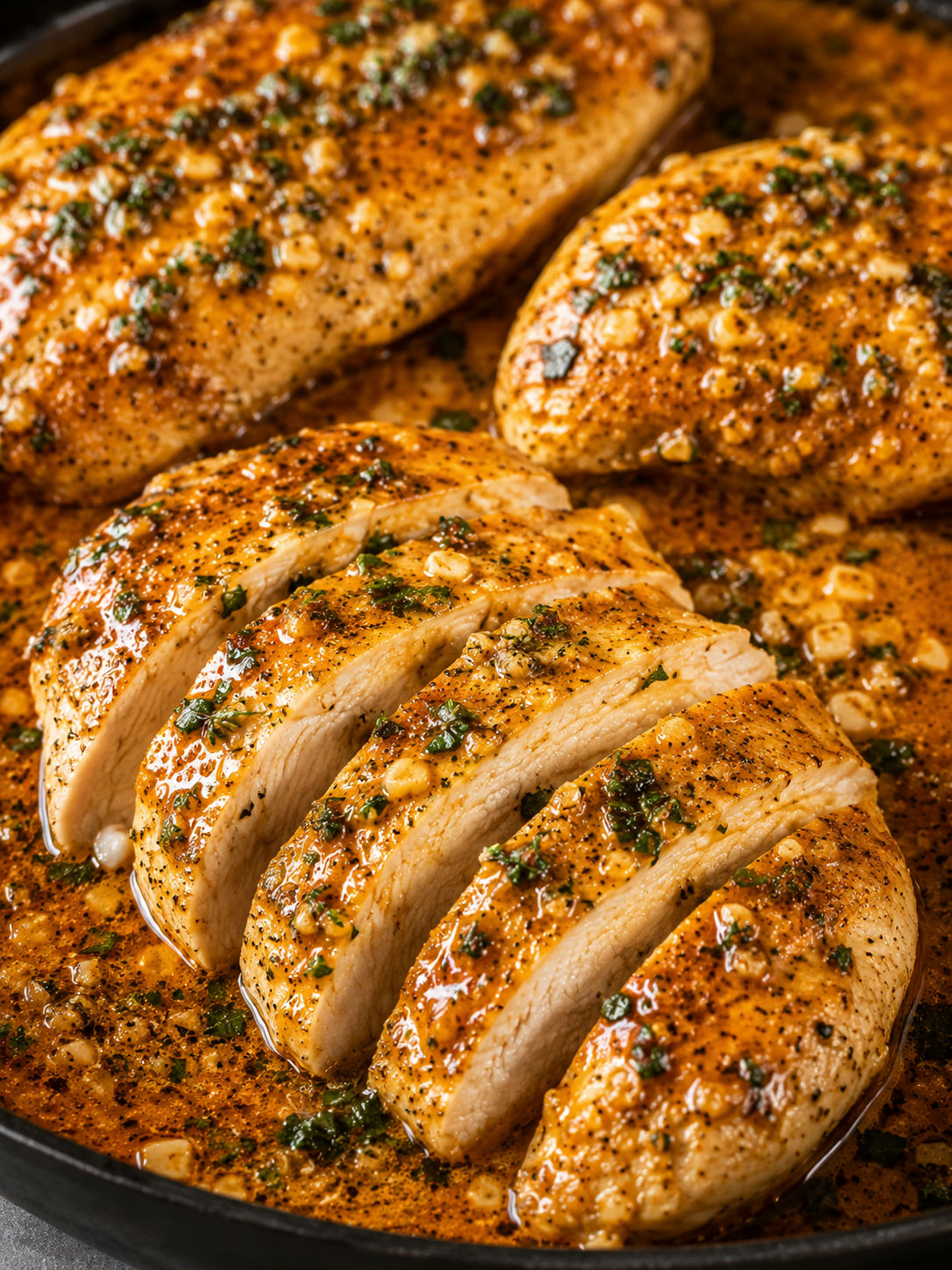
If one cutlet is thicker than the others, remove the smaller pieces first and let the thick one finish in the sauce. Let the chicken rest for a few minutes before slicing. The sauce will thicken slightly as it sits, which is exactly what you want for spooning over rice or potatoes.
Serve it with sauce catchers
This is not a dry chicken dinner. Serve it with something that can catch the cowboy butter sauce. Mashed potatoes, roasted potatoes, white rice, buttered egg noodles, or crusty bread all make sense. If you want to stay lower carb, try cauliflower mash, roasted broccoli, or a simple green salad with a sharp vinaigrette.
For a full cowboy butter meal, add Cowboy Butter Potatoes with Roasted Garlic and something crisp on the side. Leftovers reheat best in a covered skillet over low heat with a spoonful of broth. The microwave works in a hurry, but use short bursts so the butter sauce does not separate.
Summary
Serve this chicken with mashed potatoes, rice, roasted vegetables, or warm bread for catching the sauce.
FAQs
- What is Cowboy Butter Chicken?
It is seared chicken cooked in a cowboy butter sauce made with butter, garlic, lemon, Dijon, herbs, and smoky spices. Think garlic butter chicken with more tang, heat, and fresh herb flavor.
- Can I use chicken thighs instead of breasts?
Yes. Boneless skinless thighs work very well because they stay juicy. Cook them a few minutes longer than cutlets, until the thickest part reaches 165°F.
- Is Cowboy Butter Chicken spicy?
It has a gentle kick from red pepper flakes and smoked paprika. For a milder pan, cut the red pepper flakes in half. For more heat, add cayenne or a little extra horseradish.
- How do I keep the sauce from breaking?
Keep the heat moderate after the butter goes in. If the pan looks oily, whisk in a splash of warm chicken broth and take it off the heat for a moment.
- How long do leftovers keep?
Store leftovers in an airtight container in the fridge for up to 4 days. Reheat gently in a covered skillet with a spoonful of broth so the chicken stays moist.
- What should I serve with it?
Mashed potatoes, rice, buttered noodles, roasted potatoes, or steamed green beans all work. The sauce is rich, so a crisp salad or roasted asparagus is a good balance.
