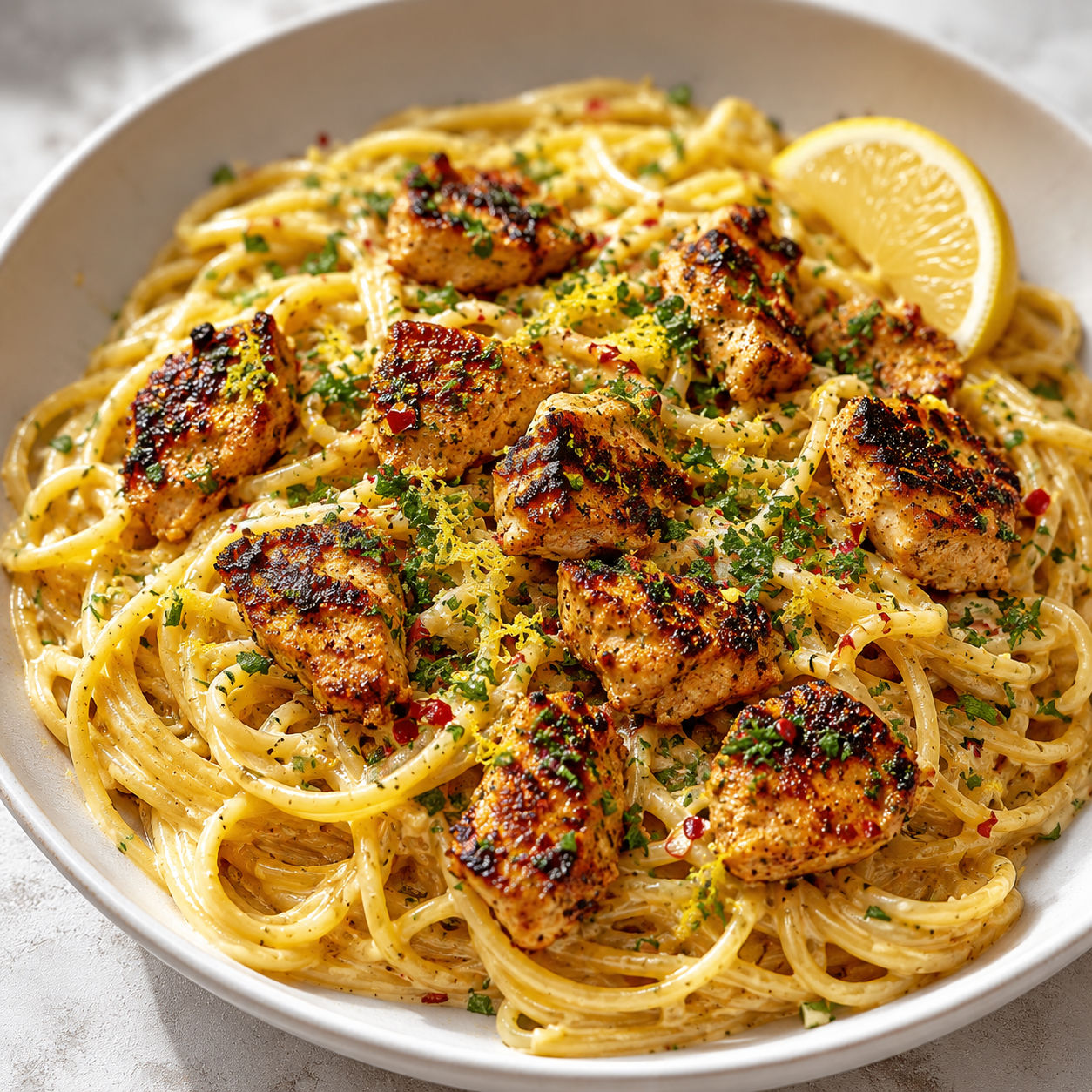
 Pin it
Cowboy Butter Chicken Linguine with Zesty Flavor is the kind of skillet pasta that smells good before the sauce even comes together. Garlic hits the butter first, then lemon, Dijon, paprika, and herbs turn it sharp, warm, and rich.
I like this for a weeknight because the steps are simple but the flavor does not taste plain. The key is to sear the chicken well, keep a little pasta water, and add the lemon at the end so it stays fresh.
Bold Ingredients That Pull Together
This dish needs a short list with strong personalities. Use fresh lemon, real garlic, and a good Dijon mustard because those small ingredients carry the sauce.
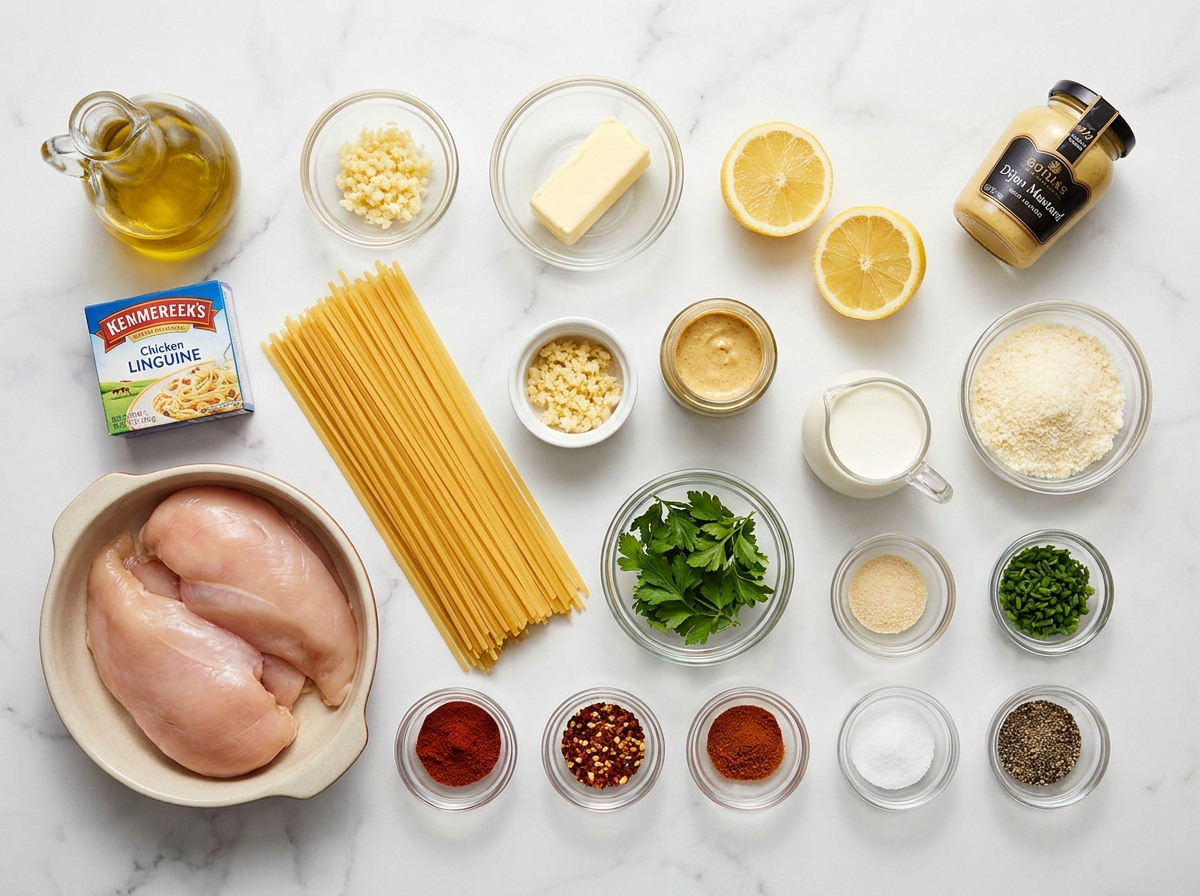
- Linguine. The flat strands hold the creamy butter sauce without getting lost under the chicken.
- Chicken breast. Lean pieces cook quickly and soak up the paprika, garlic, and butter in the pan.
- Unsalted butter. The base of the cowboy butter flavor and the easiest way to control salt.
- Garlic. Adds the deep savory note that makes the sauce smell rich right away.
- Dijon mustard. Gives the butter a sharp edge so the cream does not taste heavy.
- Lemon juice and zest. Brighten the sauce and make the pasta taste lively.
- Heavy cream. Turns the melted butter into a smooth skillet sauce.
- Parsley and chives. Add fresh color and a clean herb finish.
- Paprika and red pepper flakes. Bring warmth, color, and gentle heat.
- Reserved pasta water. Helps the sauce cling to the linguine instead of pooling in the skillet.
Build the Skillet Sauce
- Boil the pasta. Cook the linguine in well-salted water until just al dente, then save 1 cup of the starchy water before draining.
- Season the chicken. Toss the chicken with paprika, garlic powder, salt, and pepper so every piece has a savory crust.
- Sear until golden. Cook the chicken in a hot skillet with olive oil until browned and cooked through, then move it to a plate.
- Melt the cowboy butter base. Lower the heat and add butter, garlic, Dijon, lemon zest, red pepper flakes, and herbs. Stir just until fragrant.
- Make it creamy. Pour in the cream and a splash of pasta water, scraping up the browned bits from the skillet.
- Toss and finish. Add the linguine and chicken back to the pan. Toss until glossy, then finish with lemon juice, parsley, and chives.
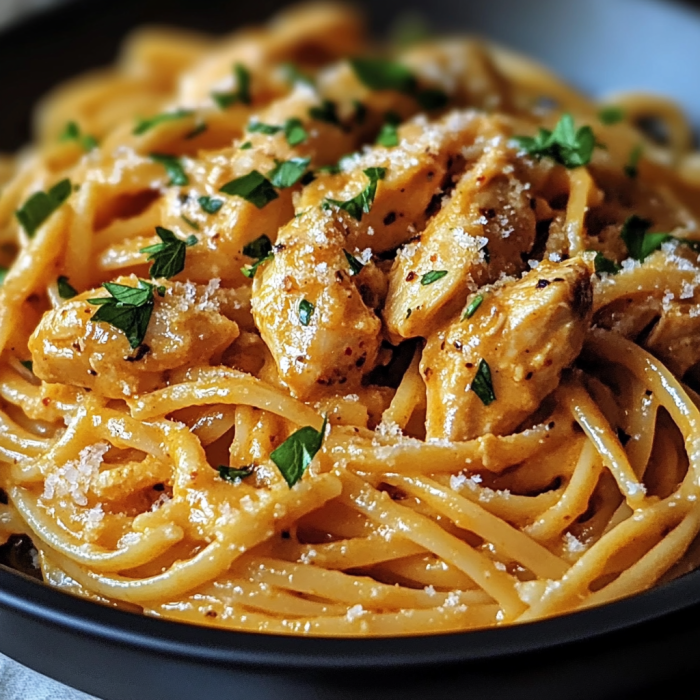
Cowboy Butter Chicken Linguine with Zesty Flavor
The zesty flavor comes from balance, not from dumping in more spice. Dijon gives the butter a little bite, lemon lifts the cream, and red pepper flakes bring slow warmth. Add the lemon juice after the cream has thickened. If it goes in too early, the sauce can taste flat by the time the pasta is coated.
For a stronger cowboy butter profile, mix the butter with the garlic, mustard, herbs, paprika, and lemon zest before you start cooking. It melts evenly and seasons the pan fast. If you want the same flavor in a smaller, saucier bite, try Cowboy Butter Chicken Bites another night.
How the Sauce Stays Silky
Heavy cream makes this pasta feel rich, but pasta water is what makes it cling. The starch pulls the butter and cream together, especially when you toss the linguine with tongs instead of stirring it hard. Start with 1/4 cup pasta water and add more only if the skillet looks tight.
Do not boil the sauce after the cream goes in. A gentle simmer is enough. Parmesan is optional, but a small handful helps the sauce grip the noodles and adds salt. Taste before adding more. If you like creamy garlic pasta with a heavier cheese pull, the same skillet logic shows up in Creamy Cheesy Garlic Butter Linguine with Ground Beef.
Chicken Texture Matters Most
Cut the chicken into even pieces so they finish at the same time. Crowding the skillet traps steam, so cook in two batches if your pan is small. The browned bits left behind are part of the sauce. Keep them in the pan and scrape them up when the cream goes in.
Chicken should reach 165°F for safe eating. The USDA safe temperature chart is a good reference if you cook chicken often. Pull the chicken as soon as it is done, then return it at the end. That keeps it juicy instead of tight and dry.
Serve It While It Shines
This linguine is best right after tossing, when the sauce is loose and glossy. Twirl it into shallow bowls and spoon the chicken over the top so every serving gets plenty of sauce. A final pinch of parsley, chives, and lemon zest makes the whole bowl look fresher.
Serve it with a plain salad, steamed green beans, or Cowboy Butter Potatoes Oven if you are leaning into the buttery theme. For a bigger dinner, the same sauce idea works beautifully with seafood, especially Grilled Lobster Tails with Cowboy Butter Sauce. Leftovers keep for three days in the fridge. Warm them slowly with a splash of milk or pasta water, then add a squeeze of lemon to wake the sauce back up.
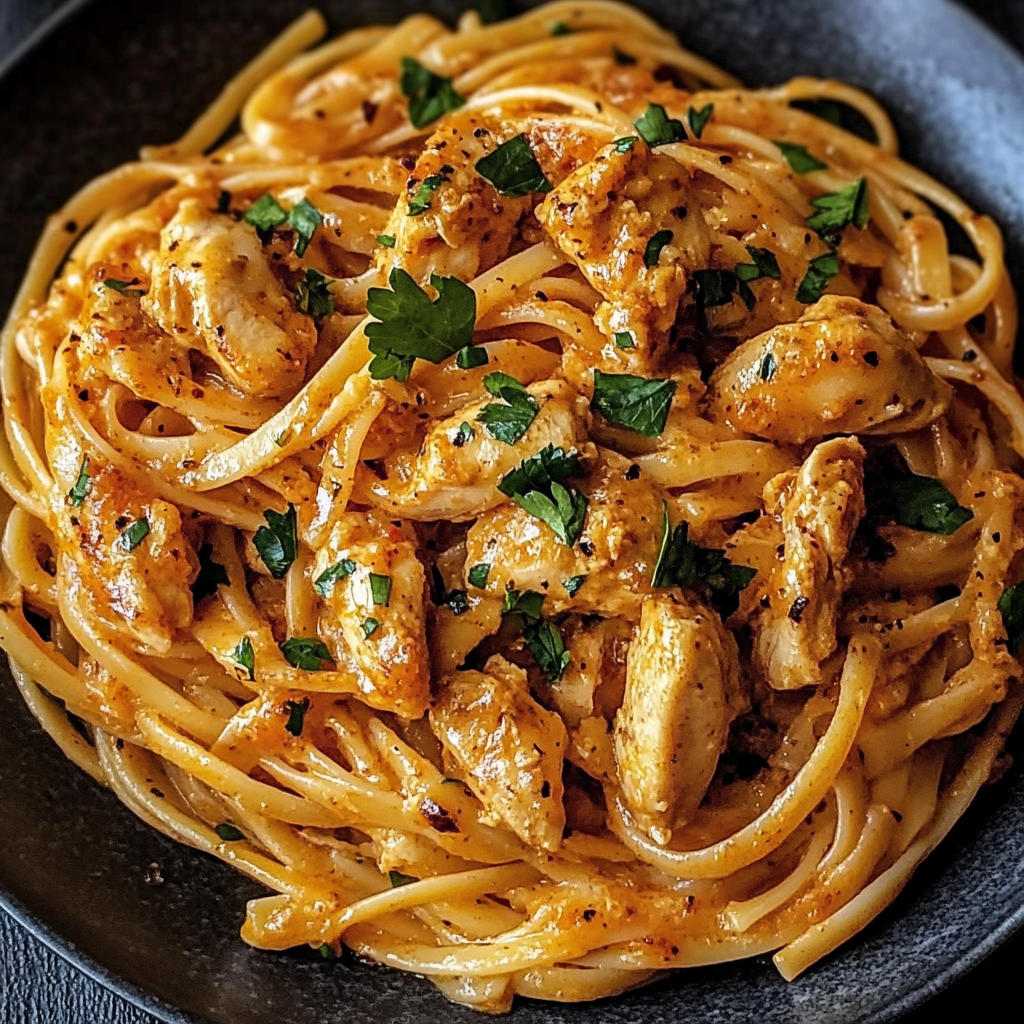
FAQs
- What is cowboy butter made of?
Cowboy butter is usually softened butter mixed with garlic, lemon, Dijon mustard, parsley, paprika, red pepper flakes, and sometimes chives or cayenne. In this pasta, those same flavors melt into a cream sauce instead of staying as a compound butter.
- Can I use chicken thighs instead of chicken breasts?
Yes. Boneless skinless thighs work very well because they stay juicy and handle the bold sauce. Cut them into bite-size pieces and cook until browned and fully done.
- How spicy is this cowboy butter chicken linguine?
It has a warm kick, not a heavy burn. Use 1/4 teaspoon red pepper flakes for mild heat, or add cayenne if you want the sauce sharper.
- Can I make it ahead?
You can make the cowboy butter and cut the chicken a day ahead. For the best texture, cook the linguine fresh and toss everything together right before serving.
- How should I reheat leftovers?
Reheat leftovers gently in a skillet with a splash of milk, cream, or water. Low heat keeps the chicken tender and helps the sauce turn glossy again.
- What can I serve with it?
A crisp green salad, roasted broccoli, garlic bread, or lemony asparagus all work well. Pick something fresh or lightly bitter to balance the butter and cream.
