 Pin it
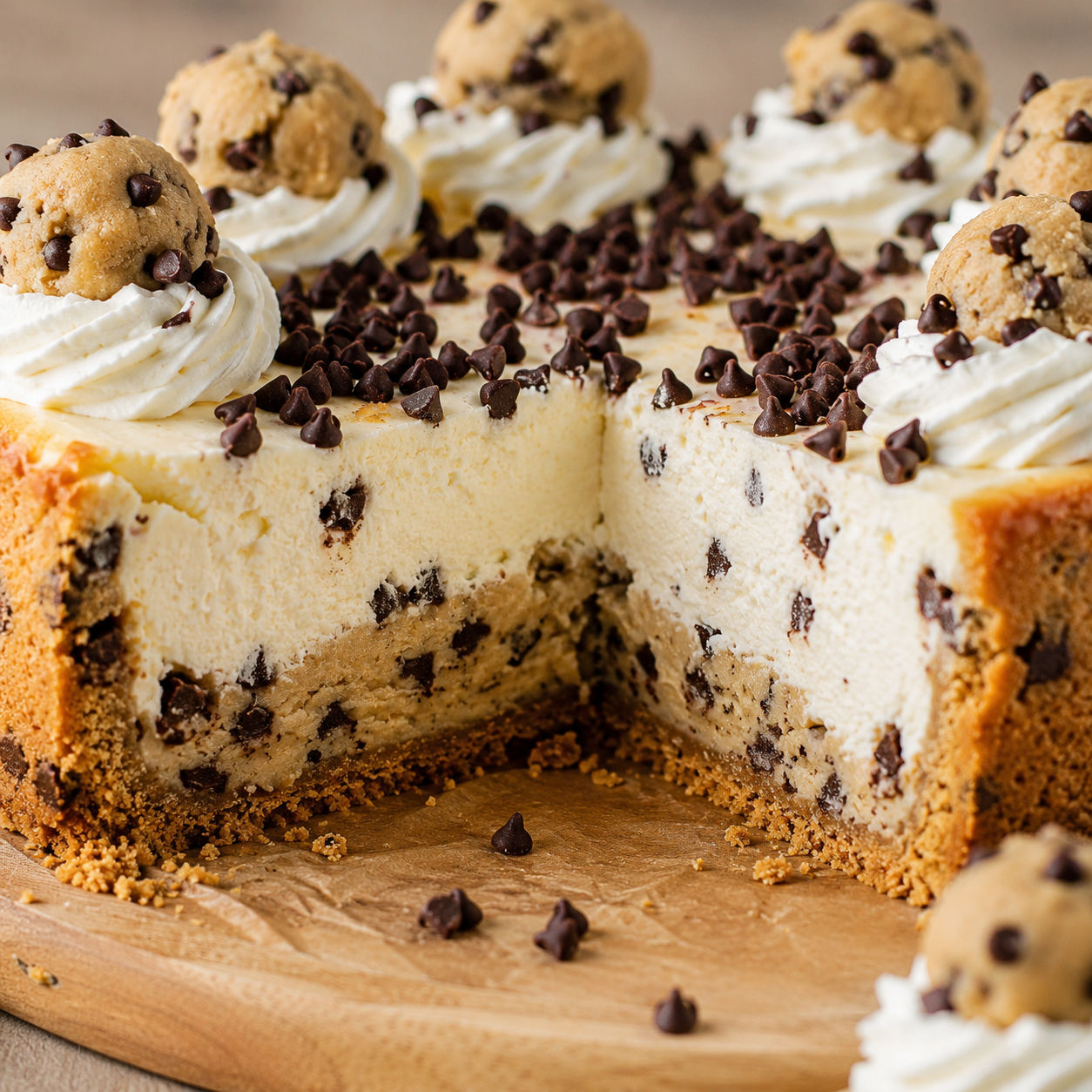
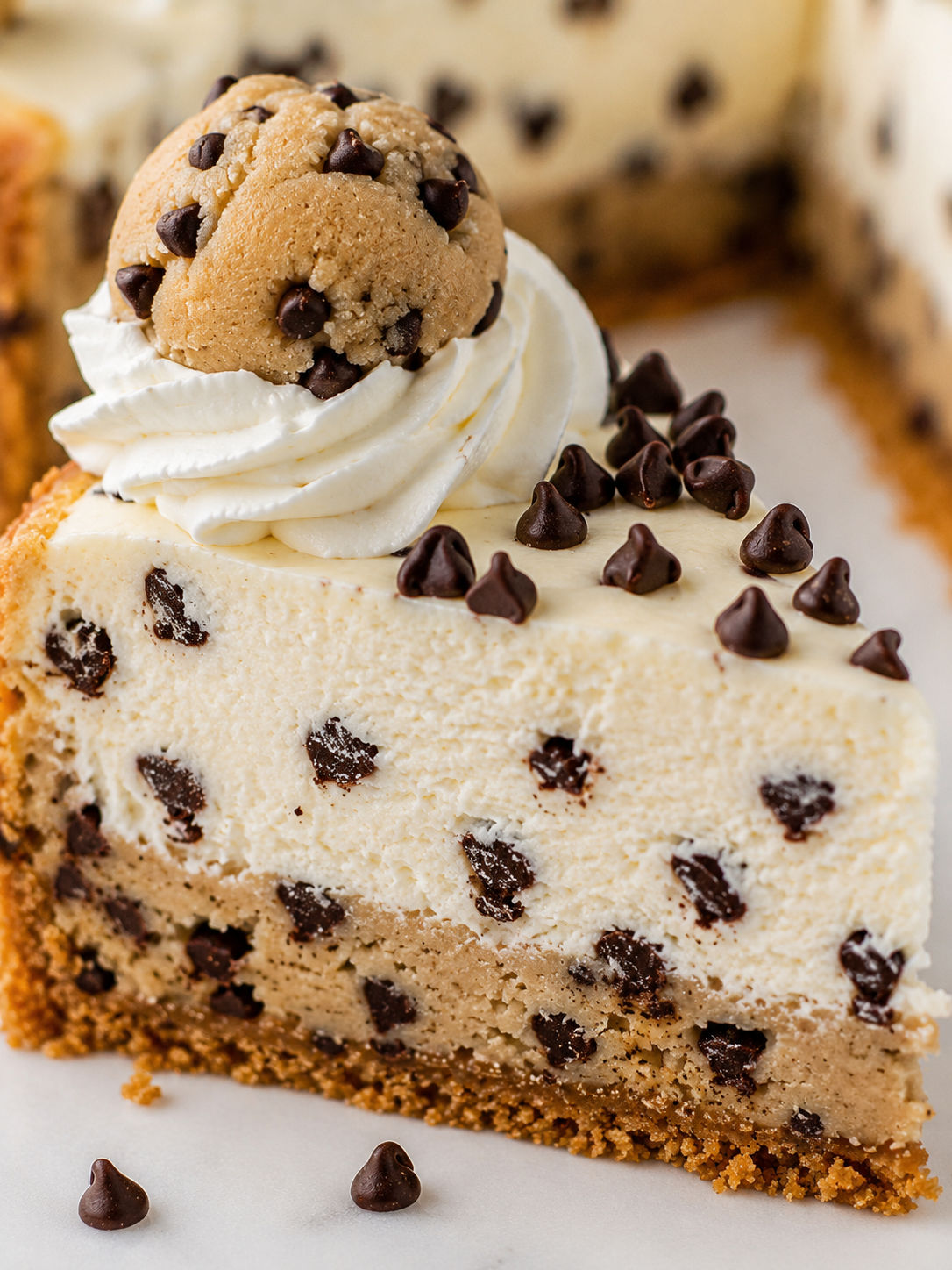
This is the dessert I bring out when I want the whole room to go quiet for a second. A thick layer of soft cookie dough hides inside a creamy cheesecake, sitting on a buttery graham cracker crust freckled with chocolate chips. It looks impressive but the method is straightforward once you know a couple of tricks.
The secret is baking the cookie dough layer right into the cheesecake rather than using it as a raw topping. The low, slow heat keeps the dough soft and fudgy while the cheesecake batter sets around it. Room temperature ingredients and a simple water bath do the rest of the work.
What builds the layers
Quality matters here because the ingredient list is short. Use full-fat cream cheese and real butter. The cookie dough uses heat-treated flour so it is safe to eat, even the raw balls you save for the top. Buy a good brand of graham crackers and mini chocolate chips so they distribute evenly.
- Graham crackers. The base of the crust. Crushed fine and bound with butter, they give a toasty anchor to the sweet layers above.
- Mini chocolate chips. Folded throughout the layers so you get chocolate in every bite without overwhelming the fork.
- Unsalted butter. Softened for the cookie dough and melted for the crust, it carries flavor and keeps the cookie dough tender.
- Heat-treated all-purpose flour. Quick-zapped in the microwave to kill bacteria, this lets you enjoy the cookie dough raw and baked.
- Full-fat cream cheese. The backbone of the filling. Room temperature blocks beat smooth and give that classic dense, creamy texture.
- Sour cream. Adds a subtle tang and looseness to the batter so the cheesecake stays silky, not heavy.
- Heavy whipping cream. Whipped into fluffy peaks for a stable topping that holds its shape for days.
How the layers come together
- Heat-treat the flour. Microwave the flour in short bursts until it reaches 165°F throughout, then let it cool completely. This step removes any risk from raw flour in the dough decorations.
- Make the crust. Mix graham cracker crumbs with sugar, salt, melted butter, and mini chocolate chips. Press firmly into the bottom and up the sides of a lined springform pan, then bake for 8 minutes.
- Mix the cookie dough. Beat softened butter with brown sugar by hand, then stir in milk, vanilla, cooled flour, salt, and mini chips. The dough should be soft and slightly sticky.
- Build the filling. Beat room-temperature cream cheese, sugar, and cornstarch until smooth. Mix in eggs one at a time on low speed, followed by vanilla, sour cream, and a handful of chocolate chips.
- Assemble and bake. Drop spoonfuls of cookie dough over the crust and spread gently. Pour the cheesecake batter on top. Bake in a moist oven above a pan of hot water for about 80 minutes until the edges are puffed and the center jiggles like gelatin.
- Cool slowly. Turn off the oven, crack the door, and let the cheesecake rest inside for 45 minutes. This gradual cooldown is what prevents cracks.
The water bath made easy
You do not need to wrap your springform pan in foil and submerge it. Just place a roasting pan on the oven's bottom rack, fill it with boiling water, and bake the cheesecake on the rack above. The steam keeps the surface soft and stretchy so it does not split. If you love cheesecake baking, the same method works beautifully in our decadent brownie bottom cheesecake.
Keeping the cookie dough soft
The dough layer stays fudgy because it sits at the bottom of the cheesecake where the batter insulates it from direct heat. I use a bit more butter than a standard cookie recipe so the dough stays tender even after chilling. If you want to explore more cookie dough desserts, our cookie dough cupcakes use a similar technique. The FDA reminds consumers that raw flour can harbor bacteria, which is why heat-treating is recommended. See the FDA food safety guidance for more details.
Swaps and crust options
No graham crackers? Chocolate sandwich cookies or Biscoff crumbs work just as well. You can swap the sour cream for full-fat Greek yogurt if that is what you have. For a gluten-free version, use certified gluten-free graham-style crackers and a 1-to-1 gluten-free baking flour in the cookie dough. If you are looking for a no-bake cookie dough fix, try our edible cookie dough recipe.
Storing and slicing leftovers
Chill the cheesecake overnight before you slice it. A long, thin knife dipped in hot water cuts the cleanest wedges. Store leftovers covered in the refrigerator for up to 5 days. The whipped cream holds well if you added dry milk powder for stability. You can also freeze individual slices wrapped tightly for up to a month. Thaw overnight in the fridge.

FAQs
- Do I have to use a water bath?
No, but the steam helps the cheesecake bake tall and prevents cracks. If you skip it, expect a slightly denser texture and a higher chance of surface splitting.
- Is the cookie dough safe to eat without baking?
Yes, because the flour is heat-treated to kill bacteria and there are no leavening agents or raw eggs in the dough. The reserved balls on top stay raw, while the layer inside bakes gently within the cheesecake batter.
- Can I use a different crust?
Absolutely. Chocolate sandwich cookie crumbs or Biscoff crumbs make excellent substitutes. Just keep the same butter ratio so the crust holds together.
- How far ahead can I make this?
The cheesecake itself can be baked and chilled up to two days ahead. Add the whipped cream and raw cookie dough decorations on the day you plan to serve.
- Why did my cheesecake crack?
Cracks usually come from over-mixing the batter, baking too hot, or cooling too quickly. Mix on low speed, use the water bath, and let the cheesecake cool gradually inside the turned-off oven.
- Can I freeze leftovers?
Yes. Wrap individual slices in plastic wrap and foil, then freeze for up to one month. Thaw overnight in the refrigerator before eating.
- Can I make this gluten-free?
Yes. Use gluten-free graham-style crackers for the crust and a 1-to-1 gluten-free flour blend in the cookie dough. The texture will be nearly identical.
