 Pin it
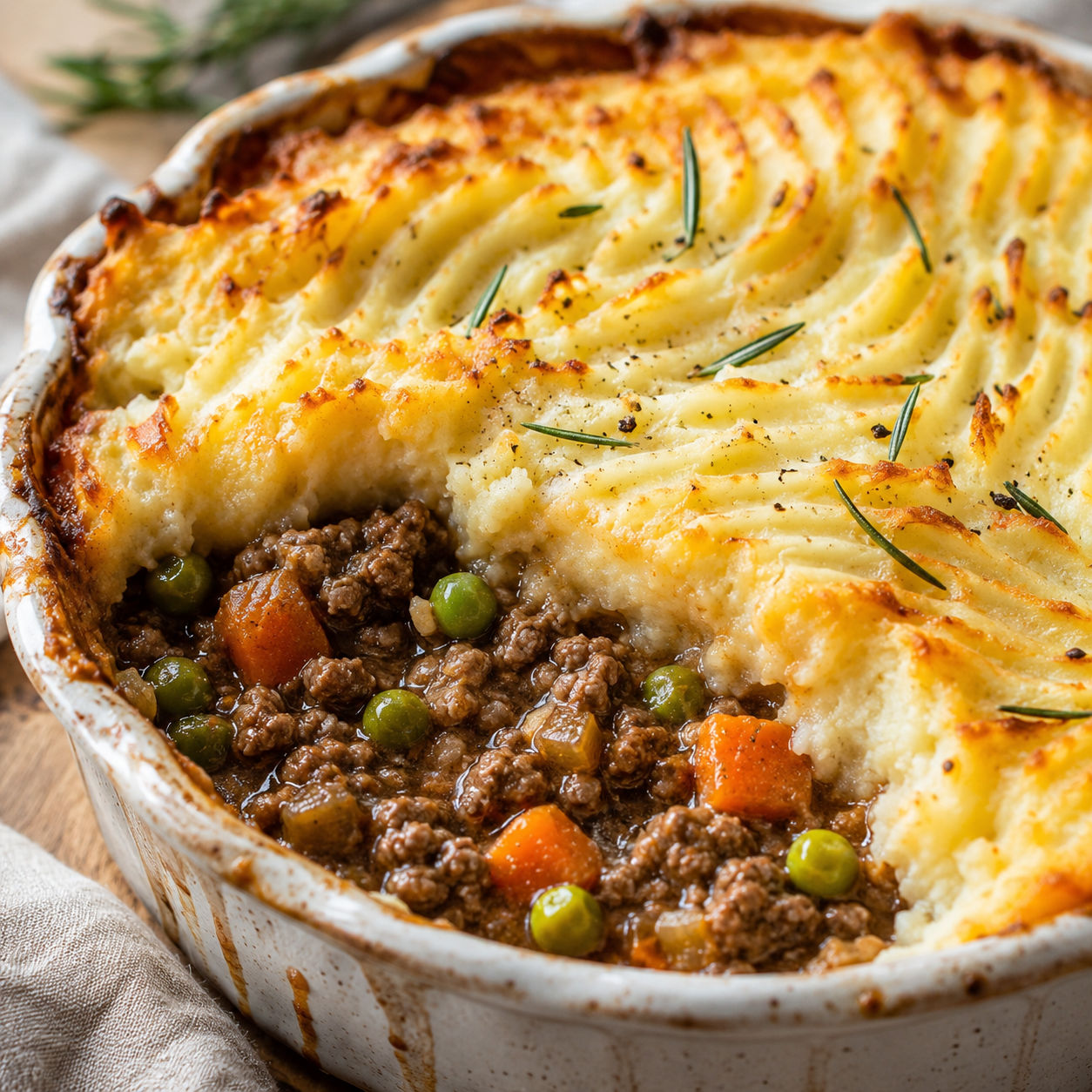
Shepherd's pie is the dinner I make when the weather turns cold and I want something that sticks to my ribs. It is a simple construction of savory lamb filling buried under a blanket of mashed potatoes and baked until the top turns golden and crisp.
The dish comes from the British Isles and it was built on thrift. Leftover roasted lamb was chopped up, mixed with gravy and vegetables, and capped with potatoes to stretch one meal into another. I still make it with ground lamb because the flavor is sweeter and richer than beef, and the whole thing costs less than a takeout pizza.
What builds the filling
This is not a recipe that demands expensive cuts. Ground lamb, a few aromatic vegetables, and a couple of pantry staples are all you need for a filling that tastes like it simmered all afternoon. Buy fresh lamb if you can. It should smell clean and sweet, not gamey.
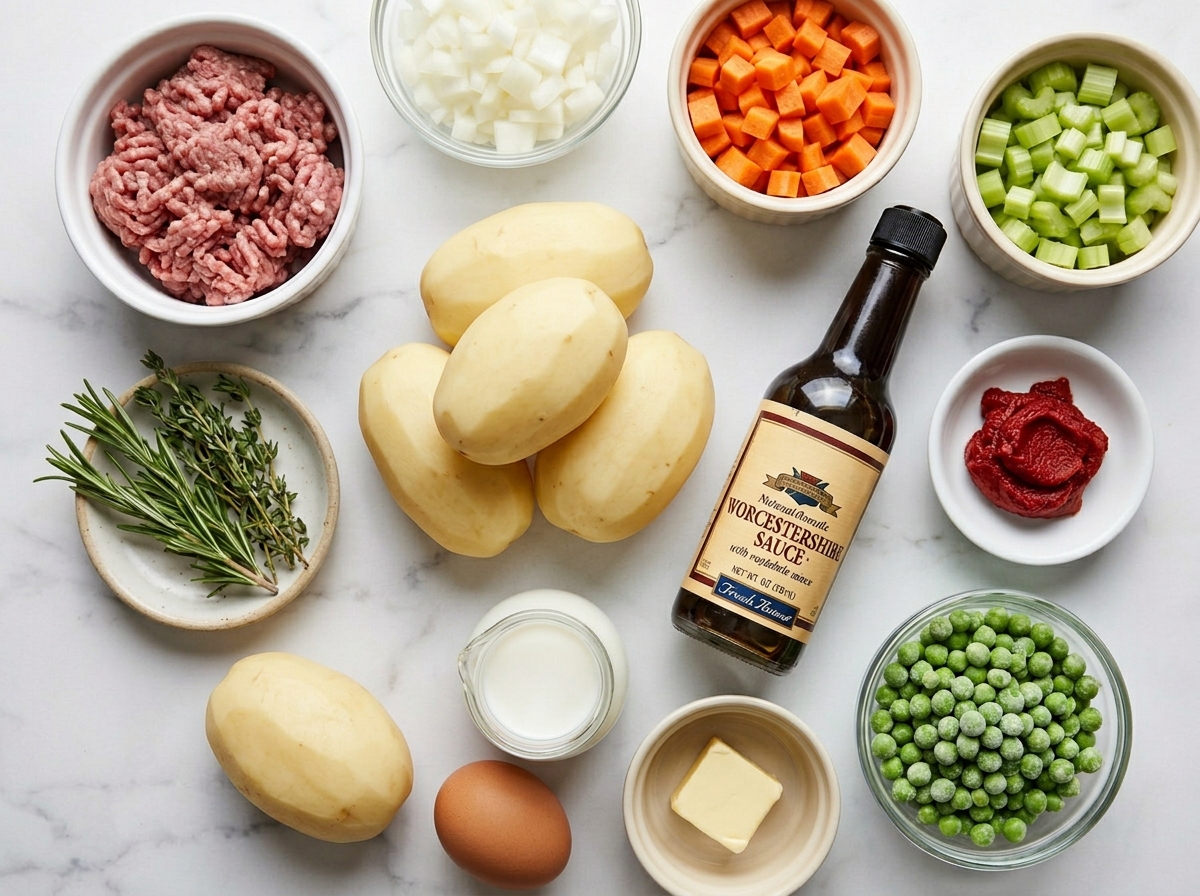
- Ground lamb. The defining flavor of a true shepherd's pie. It is sweeter and more tender than beef and creates a gravy that tastes like Sunday supper.
- Onion, carrot, and celery. The classic trio that forms the savory backbone. Dice them small so they cook evenly and meld into the gravy.
- Tomato paste. Just a spoonful deepens the color and adds a subtle tang that balances the richness of the lamb.
- Beef broth and flour. The broth provides body and the flour thickens everything into a sauce that holds its shape when you scoop.
- Frozen peas. They add a pop of color and sweetness. Stir them in at the end so they stay bright.
- Russet potatoes. High starch means fluffy mash that bakes into a crisp golden crust. Avoid waxy potatoes that turn gluey.
- Butter and egg yolks. The butter adds flavor and the yolks help the mash set into a firm topping that does not slump into the filling.
From stovetop to golden top
- Brown the lamb. Heat a large skillet over medium-high heat and cook the ground lamb until it is deeply browned, breaking it up with a spoon. Season with salt and pepper, then transfer it to a plate. That browned fond on the pan is flavor you will scrape up next.
- Soften the vegetables. Add the onion, carrot, and celery to the same pan. Cook for six to eight minutes until they are tender and the onion is translucent. Stir in the garlic, tomato paste, rosemary, and thyme and cook for one minute more.
- Build the gravy. Sprinkle the flour over the vegetables and stir for a minute to cook out the raw taste. Pour in the beef broth and Worcestershire sauce and simmer until the mixture thickens into a gravy that coats the back of a spoon. Stir in the peas and the browned lamb.
- Boil the potatoes. While the filling simmers, cook the potato chunks in salted boiling water for fifteen to twenty minutes until they are tender enough to mash. Drain them well and let them steam dry for a minute so the mash stays light.
- Make the topping. Mash the potatoes with the butter and warm milk until smooth, then beat in the egg yolks. The mixture should be thick and stiff, almost like frosting, so it sits on top of the filling instead of sinking in.
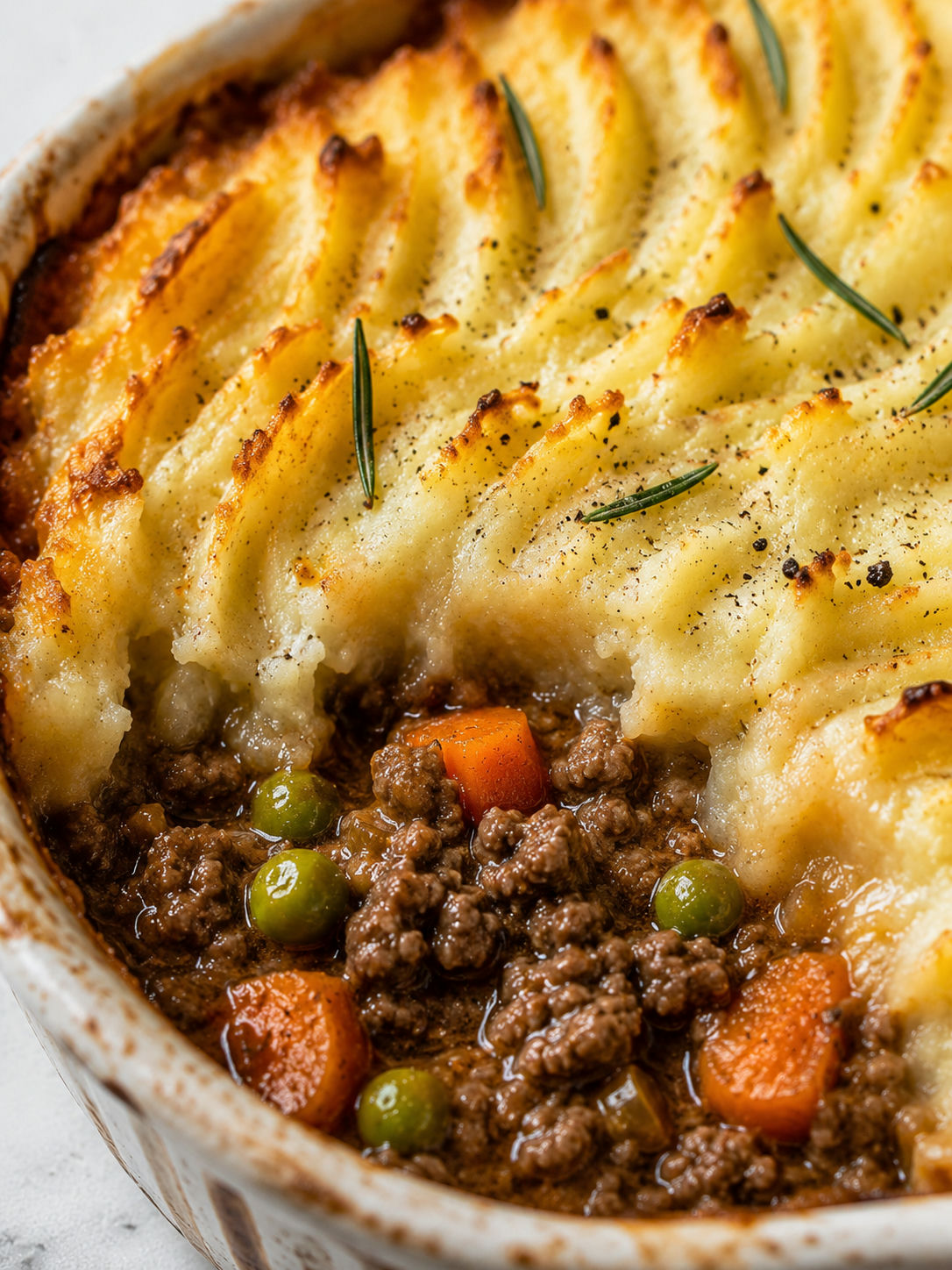
- Assemble and bake. Spread the lamb filling in a deep baking dish. Spoon the potatoes over the top and spread them to the edges to seal in the gravy. Use a fork to create ridges. Bake at 400 degrees Fahrenheit for twenty-five to thirty minutes until the peaks are golden and crisp.
The lamb versus beef debate
Purists will tell you that shepherd's pie is made with lamb and cottage pie is made with beef. I agree with the distinction, though both taste great. Lamb has a mild gaminess that works beautifully with rosemary and thyme, and the fat renders into the gravy so the filling stays moist. If you only have ground beef, use it and call it cottage pie. No one at the table will complain. For another comforting mash-topped dinner, try our sausage and mash pie.
Mash that holds its shape
The biggest mistake people make is mashed potatoes that are too wet. Wet mash sinks into the filling and creates a soggy layer instead of a crisp crust. Start with starchy russets, drain them thoroughly, and add the milk gradually. You can always add more liquid, but you cannot take it out. The egg yolks act as a binder. They help the potatoes firm up in the oven and give the topping a rich color. If you want extra insurance, let the filling cool for ten minutes before you add the potatoes. A cool filling is thicker and supports the mash better.
Getting the gravy right
The filling should be thick enough that a spoon leaves a clean trail across the bottom of the pan. If it is too thin, the pie will bubble over in the oven and the potatoes will stew instead of bake. Simmer the gravy until it clings to the meat. If you accidentally make it too thick, thin it with a splash of broth. If it is too thin, mix a teaspoon of cornstarch with cold water and stir it in. The U.S. Department of Agriculture recommends cooking ground lamb to an internal temperature of 160 degrees Fahrenheit. You can read more about safe meat handling at the USDA food safety site.
Make it ahead
This is one of the best make-ahead meals in my rotation. Assemble the pie, cover it tightly, and refrigerate it for up to two days. When you are ready to eat, bake it straight from the fridge and add an extra ten minutes to the timer. You can also freeze it for up to two months. Thaw it overnight in the refrigerator before baking. If you love mash-topped casseroles, our shepherd's pie tater tot casserole is a fun twist on the same idea.
What to serve with it
Shepherd's pie is a full meal on its own, but a simple green salad with a sharp vinaigrette cuts through the richness. I also like buttered cabbage or steamed green beans on the side. A spoonful of strong English mustard on the plate is traditional and adds a welcome heat. For a lighter starter, try our shepherd's pie soup. It has all the same flavors in a bowl without the potato topping. And if you want another hearty pie, the venison beer gravy pot pie is a rugged, flavorful option for cooler months.
FAQs
- Can I use ground beef instead of lamb?
Yes. Ground beef turns this into what the British call cottage pie. The method is identical. Beef is milder than lamb, so add a little extra Worcestershire sauce or a splash of red wine for depth.
- How do I keep the mashed potatoes from sinking into the filling?
Start with starchy russet potatoes and drain them very well. Add warm milk and butter gradually, and beat in egg yolks at the end. The yolks help the mash firm up in the oven so it stays distinct from the filling below.
- Can I make shepherd's pie ahead of time?
Absolutely. Assemble the pie up to the baking step, cover it, and refrigerate for up to two days. You can also freeze it for up to two months. Thaw overnight in the fridge before baking.
- How long do leftovers last?
Leftovers keep in an airtight container in the refrigerator for up to four days. Reheat individual portions in the oven at 350 degrees Fahrenheit for about twenty minutes so the potatoes crisp back up. The microwave works but softens the topping.
- What can I use instead of flour to thicken the filling?
Skip the flour and whisk one tablespoon of cornstarch into cold broth before adding it to the pan. Let it simmer until it thickens. This makes the filling gluten-free, though you will still need to check your Worcestershire sauce label.
- Why is my shepherd's pie runny?
The filling was too thin before it went into the oven. Next time, simmer the gravy until it coats the back of a spoon. You can also let the filling cool before adding the potatoes, which helps the layers stay separate.
- What sides go well with shepherd's pie?
A sharp green salad, steamed green beans, or buttered cabbage all work well. A spoonful of English mustard or pickled onions on the side adds a bright, acidic contrast.
