 Pin it
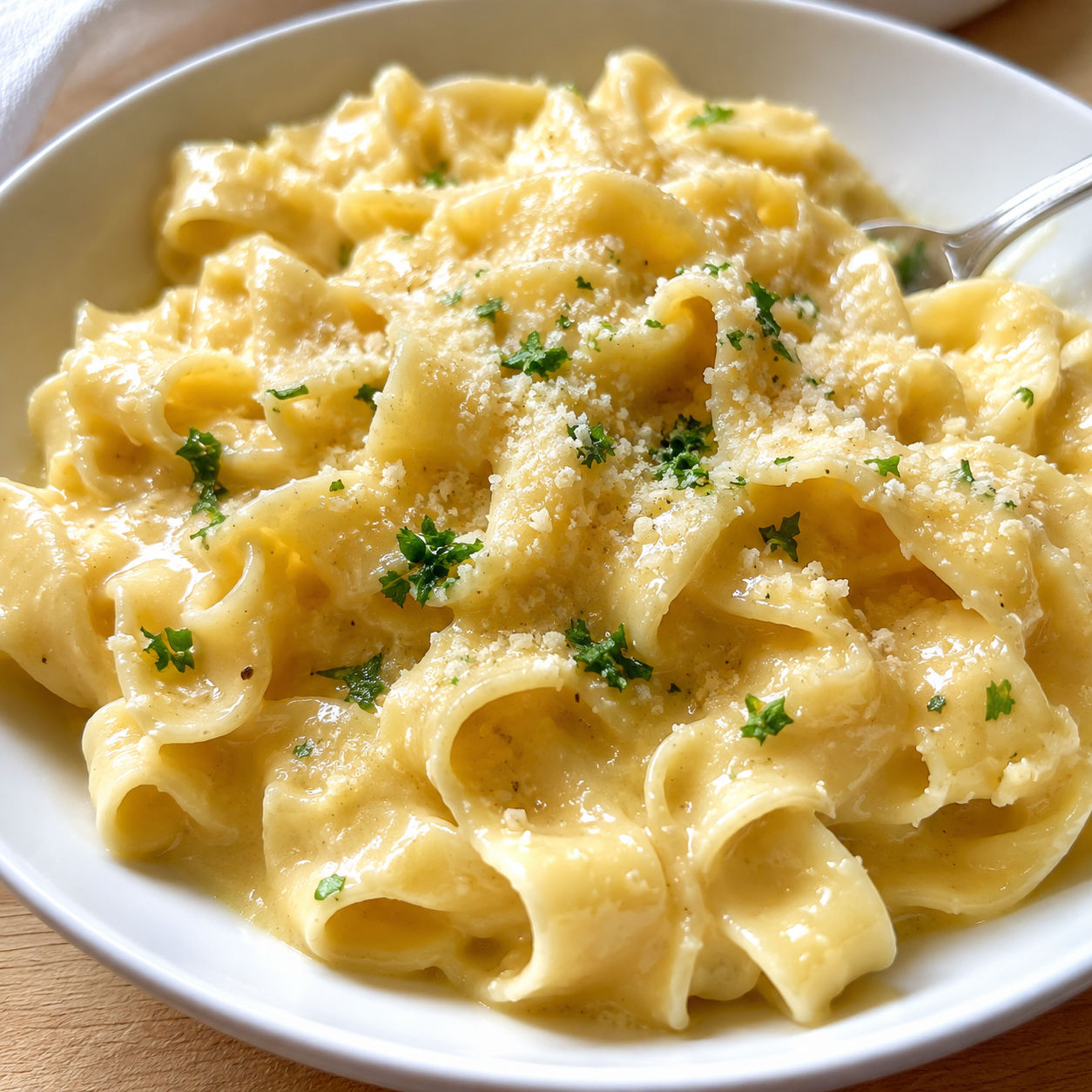
Famous TikTok Cafeteria Noodles taste like the soft, buttery noodles you hoped would show up on the lunch tray. They are simple in the best way. The noodles soak up chicken broth instead of plain water, so every bite tastes savory before the butter even goes in.
I like this version because it stays creamy without turning soupy. A short boil starts the noodles, then the covered pot does the quiet work while the pasta absorbs the broth and settles into that nostalgic, spoonable texture.
The Creamy Noodle Lineup
The ingredient list is short, so each item matters. Use low-sodium broth if you can, because bouillon and condensed soup both bring salt.
- Wide egg noodles. They soften quickly and soak up broth better than thicker pasta shapes.
- Chicken broth. This replaces plain boiling water and gives the noodles their cozy cafeteria flavor.
- Chicken bouillon. A small amount deepens the broth and keeps the dish from tasting flat.
- Cream of chicken soup. It makes the sauce creamy and helps it cling to the noodles.
- Unsalted butter. Butter gives the noodles a glossy finish and a rich, old-school taste.
- Parmesan cheese. A little stirred in at the end adds salt, body, and a gentle nutty edge.
- Parsley. The fresh green finish keeps the bowl from looking too plain.
How Famous TikTok Cafeteria Noodles Cook
- Start the broth. Bring chicken broth and bouillon to a steady boil in a heavy pot. Stir so the bouillon dissolves before the noodles go in.
- Add the noodles. Stir in the egg noodles and let the broth return to a boil. Move them around so they do not clump at the bottom.
- Whisk in the soup. Add the cream of chicken soup and stir until it melts into the broth. Boil gently for 3 minutes.
- Finish off heat. Turn off the burner, add the butter, and stir until melted. Cover the pot and let the noodles rest for 15-18 minutes.
- Stir and serve. Fold in parmesan, taste for salt and pepper, and garnish with parsley. Add a splash of warm broth if the noodles tighten up.
Why The Rest Matters
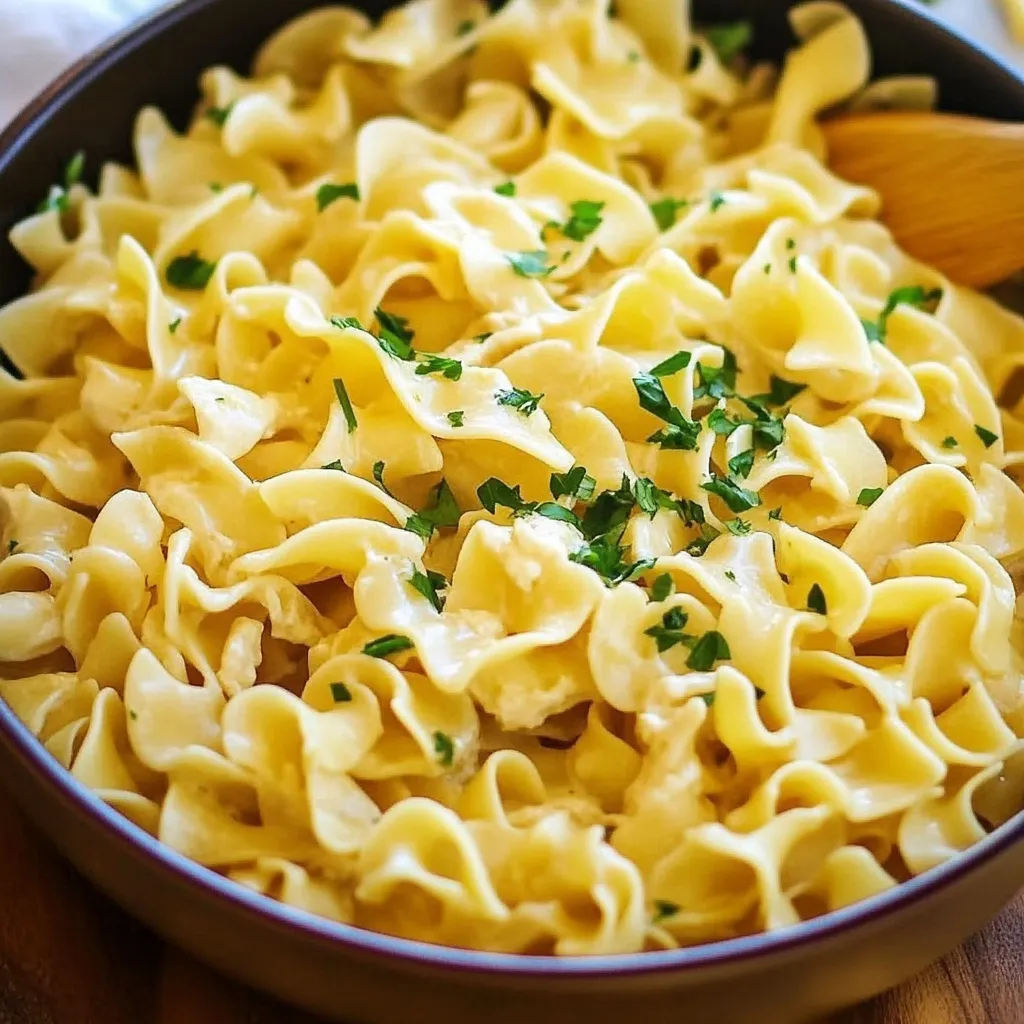
The covered rest is the move that makes these noodles taste like more than boiled pasta. The noodles finish cooking in the hot broth and pull in the salty chicken flavor as they soften. If you keep boiling them hard, the outside gets pasty before the center is right.
After the butter melts, put the lid on and leave the pot alone for the first 8 minutes. Then stir from the bottom and cover it again. You want creamy noodles with a little movement, not a dry mound. If your pot looks tight at the end, splash in hot broth. If it looks loose, give it 3 more minutes covered.
Small Changes That Work
You can bend this recipe without losing the cafeteria-noodle feel. Stir in shredded rotisserie chicken for dinner, diced ham for a salty bite, or peas during the last few minutes of resting. For more garlic flavor, add a grated garlic clove with the soup and keep the heat gentle so it does not turn sharp.
If you want another simple noodle night, try Easy Garlic Noodles or Easy Chicken with Buttered Noodles. For a spicier bowl, the sauce style in Spicy Peanut Chili Oil Noodles is a good place to go next.
Seasoning Without Overdoing It
Condensed soup and bouillon are both seasoned, so taste before adding extra salt. I start with low-sodium broth, then finish with black pepper and parmesan. That gives you control. If your noodles taste a little flat, they probably need pepper or a small spoonful of parmesan, not more bouillon.
A squeeze of lemon is not traditional here, but it helps if the bowl tastes too rich. Add it to your own serving rather than the whole pot. Chopped parsley or green onion does the same kind of job with less acidity.
Serving The Nostalgia Bowl
These noodles are built for weeknights. Serve them beside baked chicken, meatloaf, pork chops, or a simple salad. They also make sense next to cafeteria-style favorites like School Cafeteria Pizza or a crunchy scoop of Famous KFC Coleslaw Classic.
The texture is best right after the rest, when the sauce is creamy and the noodles are still tender. If you are serving them on a buffet, keep them warm on the lowest setting and stir in a little broth every so often.
Storing The Leftovers
Leftovers thicken as the noodles keep absorbing liquid. That is normal. Pack them in a shallow airtight container and refrigerate once they cool a bit. FoodSafety.gov gives a 3-4 day window for most cooked leftovers in the fridge, and you can check their cold food storage chart for timing.
To reheat, add a splash of broth or milk and warm gently. The microwave works if you stop and stir halfway through. The stove gives you more control and keeps the sauce smoother.
Summary
Serve these noodles hot with parsley, parmesan, and a little extra broth nearby for loosening leftovers.

FAQs
- What are Famous TikTok Cafeteria Noodles?
They are wide egg noodles cooked in chicken broth with bouillon, cream of chicken soup, and butter. The pot is covered after a short boil so the noodles absorb the broth and turn creamy instead of watery.
- Can I make cafeteria noodles without cream of chicken soup?
Yes. Use cream of celery soup, cream of mushroom soup, or a quick homemade white sauce with chicken broth. The flavor changes a little, but the noodles will still cook up soft and creamy.
- How do I keep the noodles from getting mushy?
Boil them only briefly, then let them finish off the heat with the lid on. Stir once or twice during the rest so they cook evenly, but do not keep boiling them the whole time.
- Can I add chicken to make this a meal?
Yes. Stir in 2 cups of cooked shredded chicken after the butter melts. Let it warm through during the covered rest, then loosen the pot with a splash of hot broth if it thickens too much.
- How should I store and reheat leftovers?
Store leftovers in an airtight container in the fridge for up to 3 days. Reheat gently on the stove or in the microwave with a splash of broth or milk to bring back the creamy texture.
- Can I double this recipe for a crowd?
Yes, but use a wide Dutch oven or stockpot so the noodles have room to move. Double the ingredients and stir more often during the covered rest so the bottom noodles do not soak up all the broth first.
