 Pin it
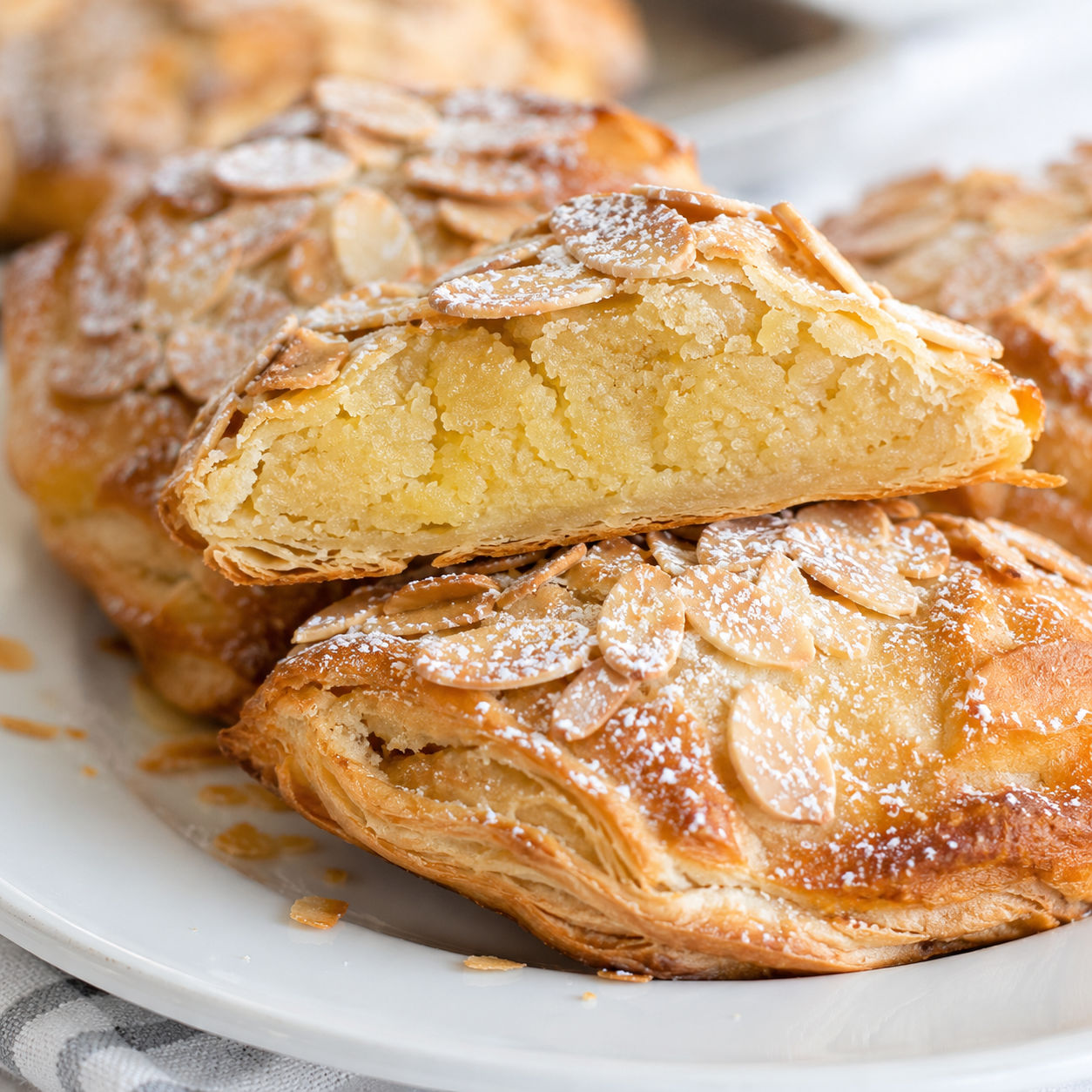
Irresistible Flaky Almond Pastries are the kind of treat that make a plain morning feel like you stopped at a real bakery. The pastry shatters at the edges, the center stays soft with almond cream, and the sliced almonds toast right on top.
I like these when I want almond croissant flavor without making laminated dough from scratch. A good puff pastry sheet does the heavy lifting, and the filling takes just a bowl and a spoon.
Buttery almond pastry basics
Start with all-butter puff pastry if you can find it, because the flavor is cleaner and the layers bake up crisp. The almond flour should smell sweet and fresh, not stale or oily.
- Puff pastry. Gives the pastries their flaky shell and dramatic lift in the oven.
- Almond flour. Forms the soft frangipane center and keeps the filling tender.
- Unsalted butter. Adds richness and helps the almond filling bake up creamy instead of dry.
- Granulated sugar. Sweetens the filling without making it gritty.
- Eggs. One binds the almond cream and one makes the glossy egg wash.
- Vanilla and almond extract. Bring out the bakery-style almond flavor.
- Sliced almonds. Toast on top and give each bite a delicate crunch.
- Powdered sugar. Adds the classic snowy finish once the pastries cool slightly.
Fold, chill, bake
- Heat the oven. Set the oven to 400°F and line a baking sheet with parchment so the pastry can puff without sticking.
- Mix the almond cream. Stir soft butter with sugar, almond flour, one egg, vanilla, almond extract, and salt until thick and smooth.
- Cut the pastry. Roll the puff pastry lightly into an even rectangle, then cut it into 6 squares.
- Fill and fold. Spoon almond cream diagonally across each square, fold two opposite corners over the filling, and press the overlap gently to hold.
- Finish the tops. Brush with beaten egg, scatter on sliced almonds, and chill for 10 minutes if the pastry feels soft.
- Bake until golden. Bake for 18-22 minutes until puffed, crisp at the edges, and golden brown. Cool briefly, then dust with powdered sugar.
Keep the pastry cold
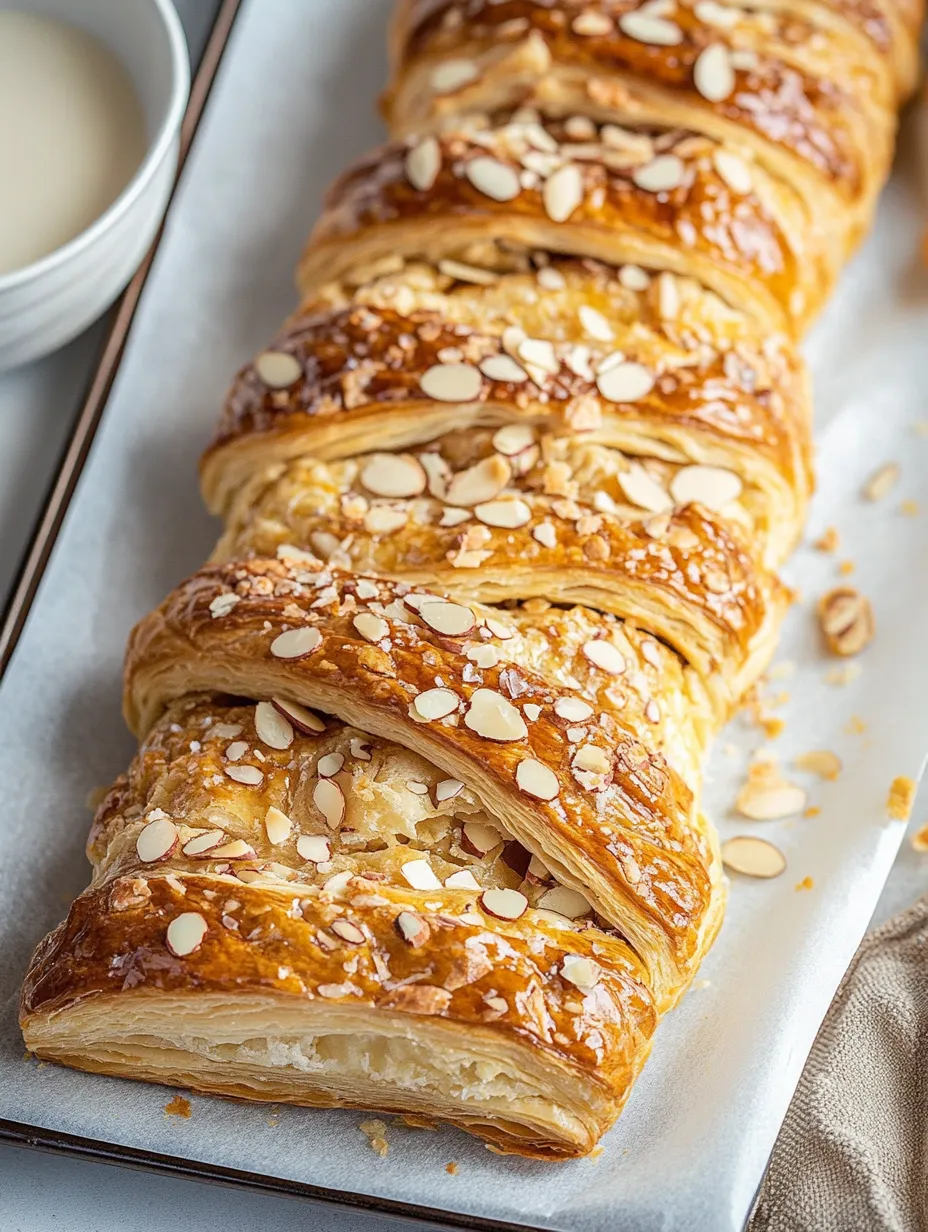
Puff pastry rises because thin layers of butter create steam in a hot oven. If the dough warms up too much, the butter melts early and the layers bake flatter. Work quickly, and slide the tray into the fridge if the squares start to feel limp or greasy. Cold pastry also cuts cleaner, which gives you sharper corners and better lift. This is the same reason bakery-style recipes from sources like King Arthur Baking lean on a hot oven and a well-chilled dough for good puff.
Make the filling smooth
The filling should be thick enough to mound on a spoon but soft enough to spread. Use softened butter, not melted butter, and stir just until the almond flour disappears. Too much mixing can loosen the filling and make it more likely to creep out during baking. A tiny pinch of salt helps the almond flavor taste fuller. If you enjoy almond desserts, these pastries sit nicely beside Sweet Almond Pastry Delight and Cherry Almond Maple Crisp on a brunch table.
Shape them without fuss
These are folded like little almond packets, so you do not need a complicated braid. Put the filling on a diagonal, leave the corners clean, and overlap two opposite corners over the center. Press lightly where the corners meet. Do not smash the whole pastry flat. The exposed ends let a little almond cream peek through, which looks good after baking and gives the filling room to expand. If a corner pops up in the oven, it is not a failure. It will still taste crisp, buttery, and sweet.
Flavor swaps that work
Raspberry jam is a good addition if you want a fruit note. Spread 1 teaspoon under the almond cream and keep it away from the edges. Apricot jam works too, especially with a few drops of orange extract instead of vanilla. For a deeper almond flavor, toast the sliced almonds before sprinkling them on top. You can also shape the same filling into larger croissant-style pieces, much like the cozy idea behind Giant Gingerbread Almond Croissant. Keep the filling amount modest so the pastry still flakes.
Store and reheat gently
These are at their best within a few hours of baking, when the layers are crisp and the filling is still soft. Store leftovers only after they cool, since trapped steam softens the pastry. A 325°F oven is better than a microwave because it dries the edges back out without making the filling rubbery. For general leftover handling, the USDA leftover guide is a useful reference. If serving later, wait to dust with powdered sugar until just before the plate goes out.
Summary
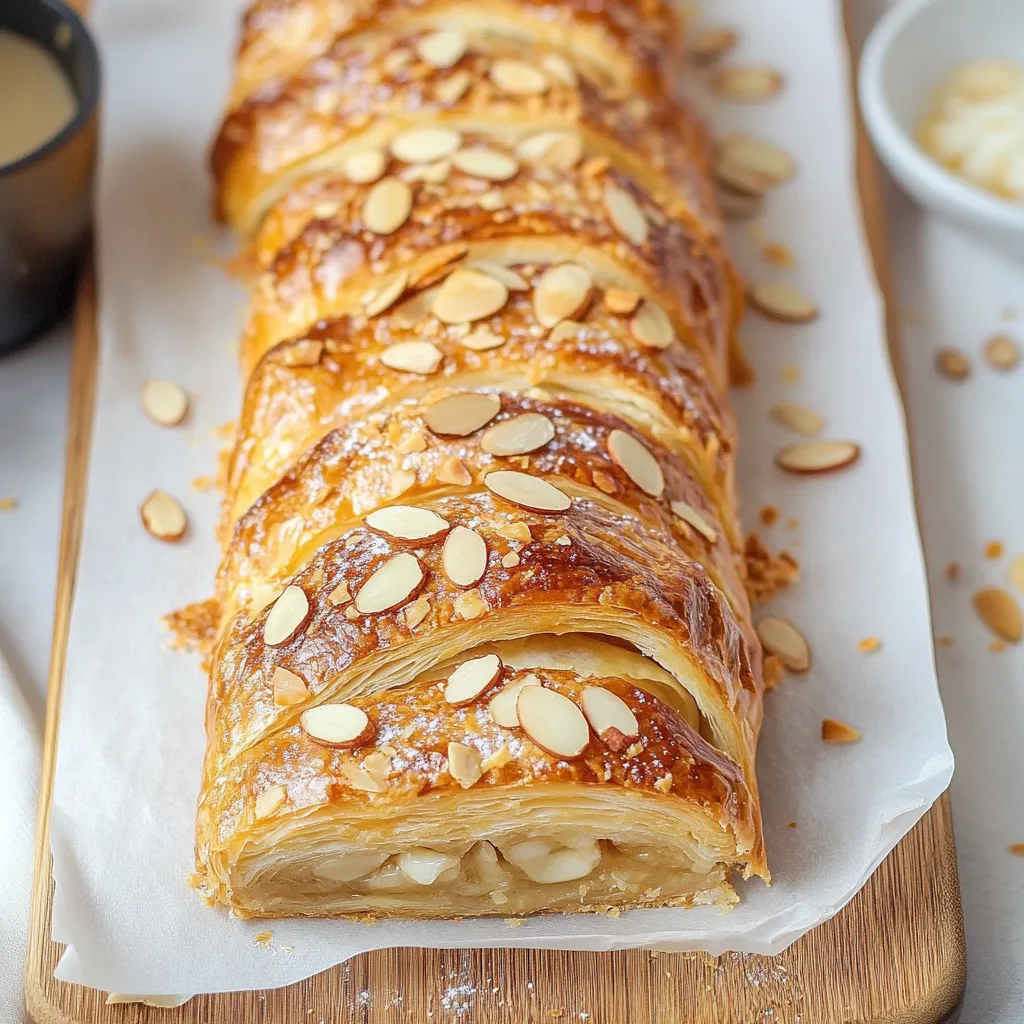
Serve these pastries warm with coffee, tea, or a bowl of berries. They are best the day they are baked, but a quick oven reheat brings back most of the crispness.
FAQs
- Can I use almond paste instead of homemade frangipane?
Yes. Soften almond paste with a little butter and egg until it is spreadable, then use it as the filling. It will taste sweeter and denser than frangipane, so use a slightly thinner layer.
- Why did my almond filling leak out?
The pastry may have been too warm or overfilled. Chill the filled pastries for 10 minutes before baking and keep the filling centered so the edges can puff and seal.
- Can I make these almond pastries ahead?
You can assemble them up to 8 hours ahead and refrigerate them covered on the baking sheet. Brush with egg wash and add sliced almonds right before baking.
- How should I store leftover pastries?
Store cooled pastries in an airtight container at room temperature for 1 day or in the fridge for up to 3 days. Reheat in a 325°F oven for 6-8 minutes to bring back the flaky edges.
- Can I freeze them?
Freeze the assembled unbaked pastries on a tray, then move them to a freezer bag. Bake from frozen at 400°F, adding 4-6 minutes to the time and watching for a deep golden color.
- What can I serve with almond pastries?
They are rich, so fresh berries, orange slices, coffee, or black tea work well. For a dessert tray, pair them with Mini Raspberry Almond Tarts or a bright lemon cake.
