 Pin it
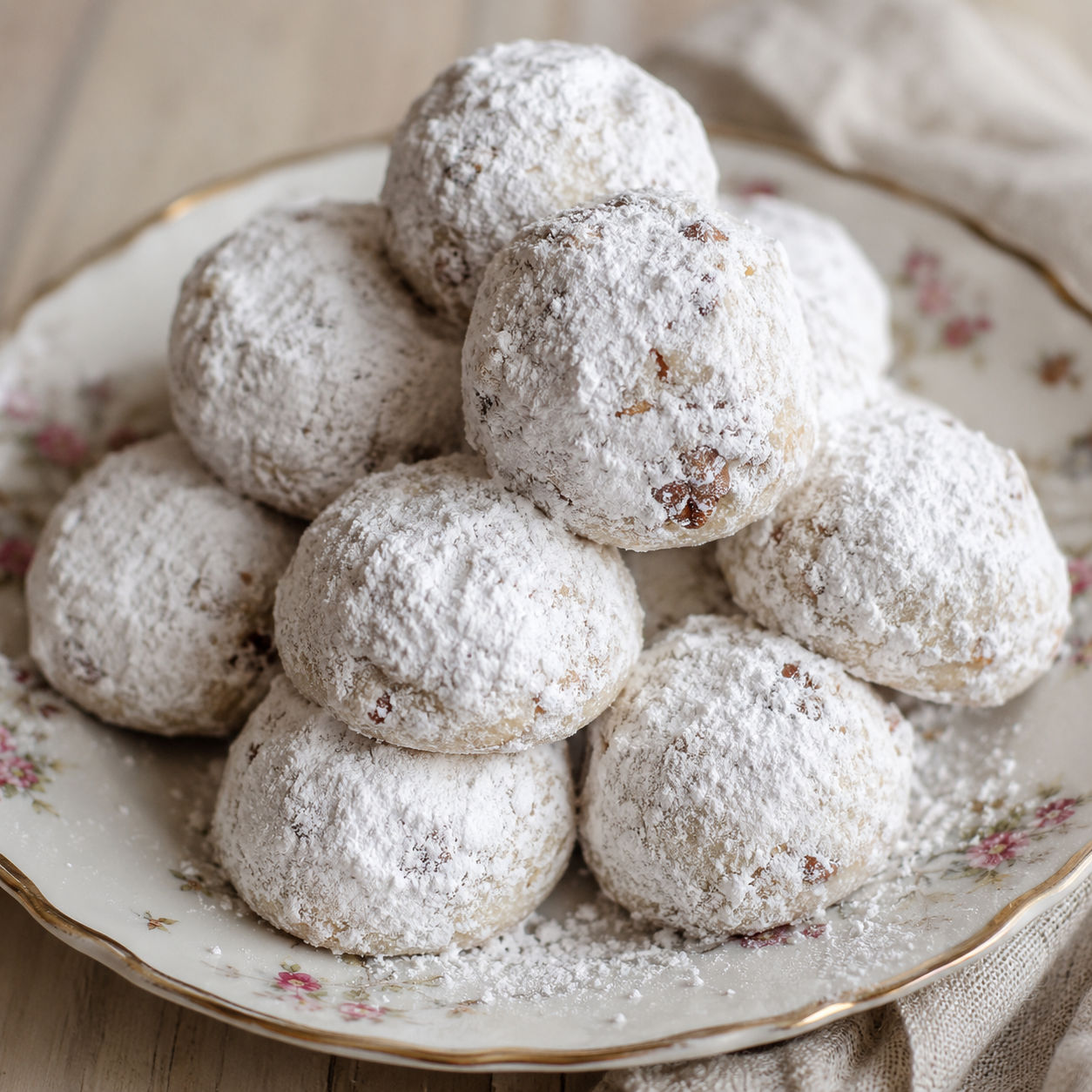
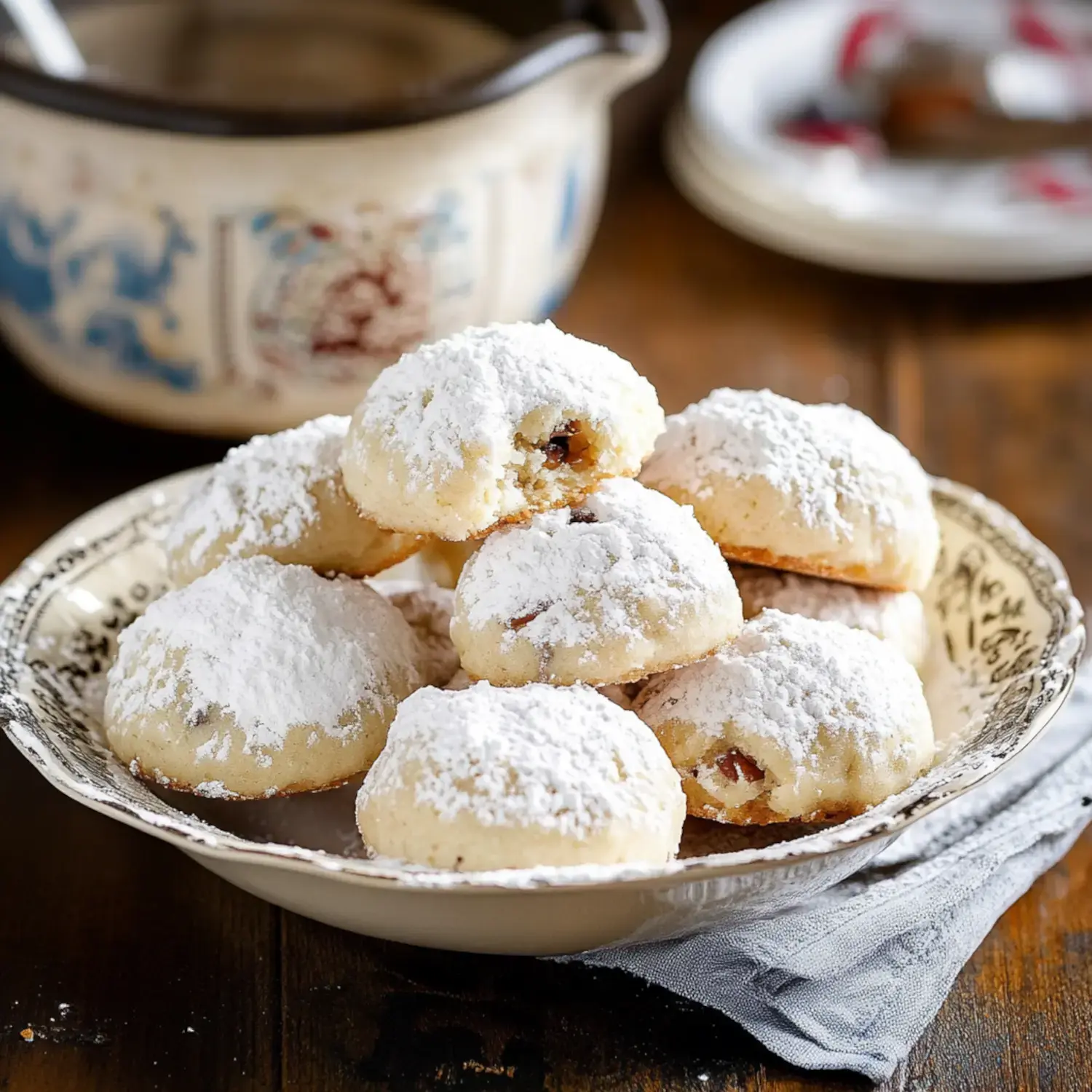
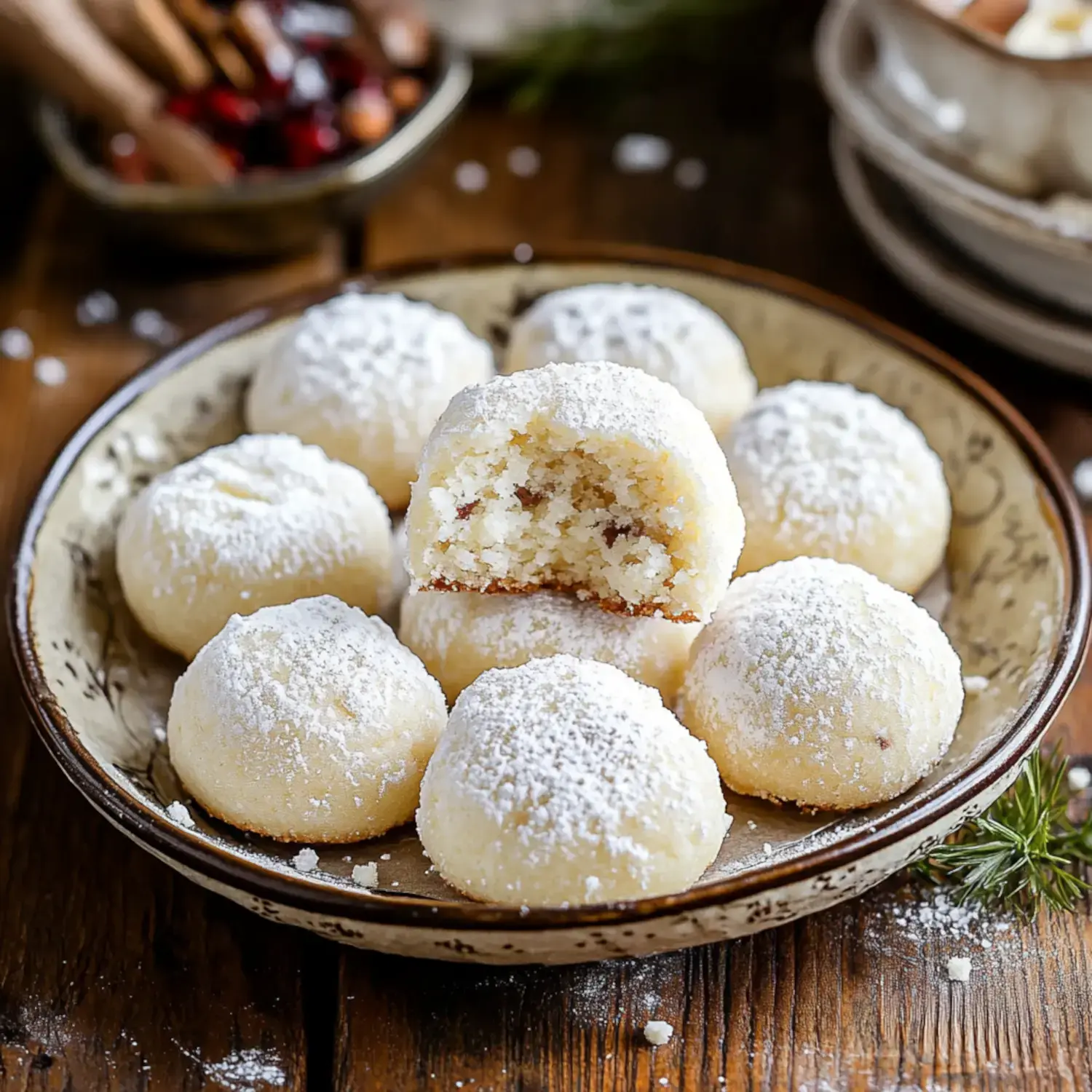
These are the cookies my grandmother set out in a tin every December, and they disappear faster than anything else on the tray. Russian tea cakes are barely sweet on the inside, rich with butter and toasted pecans, and covered in a thick drift of powdered sugar that gets on your fingers in the best way.
The dough comes together in one bowl with no eggs and no leavening. That simplicity is exactly why technique matters. Toast the nuts. Cream the butter well. Roll them while warm. Get those three things right and you will end up with a cookie that crumbles softly and tastes like a holiday.
The short pantry list
These cookies need only six ingredients. The quality of butter and nuts matters here because there is nowhere for flaws to hide. Toast the pecans before chopping them. It takes five extra minutes and deepens the flavor from good to memorable.
- Unsalted butter. Softened to room temperature so it creams smoothly with the sugar. Salted butter throws off the balance.
- Powdered sugar. Half goes into the dough for a tender crumb. The rest coats the baked cookies in that classic snowy layer.
- All-purpose flour. Measured with the scoop-and-level method so the dough does not turn crumbly.
- Toasted pecans. Finely chopped so they distribute evenly and add a quiet crunch without tearing the delicate dough.
- Vanilla extract. A full teaspoon rounds out the butter and nuts with warm sweetness.
- Salt. Just a quarter teaspoon keeps the sweetness from flattening out.
Mix, shape, and bake
- Cream the butter and sugar. Beat them together until the mixture is pale and fluffy, about two to three minutes. This step traps air and creates the cookie's light texture.
- Blend in the dry ingredients. Add the flour and salt, mixing on low until the dough just comes together. Do not overbeat or the cookies will turn dense.
- Fold in the pecans. Stir the finely chopped toasted pecans into the dough by hand so they stay evenly distributed without being pulverized.
- Shape the balls. Scoop level tablespoons of dough and roll them into one-inch balls. Place them two inches apart on an ungreased or parchment-lined baking sheet.
- Bake low and slow. Bake at 325 degrees F for eighteen to twenty minutes until the cookies are set on top and pale golden on the bottom. They should not brown.
- Coat while warm. Let the cookies rest on the sheet for two minutes, then roll them in powdered sugar while still warm. Cool completely on a rack and roll again for a thick white finish.
The toasting step matters
Raw pecans taste mild and a little waxy. Toasted pecans taste like caramel and smoke and butter all at once. Spread them on a dry skillet over medium heat for three to four minutes, shaking often, until they smell fragrant. Cool before chopping. If you enjoy nutty holiday cookies, try the almond-forward Thai tea mochi crinkle cookies next.
Why this dough skips eggs
Eggs add structure and lift, which is exactly what you do not want in a tea cake. Without them the cookie stays short and tender, almost like a crumbly shortbread. The butter and powdered sugar do all the binding. The U.S. FDA reminds home bakers that raw flour can carry bacteria, so resist eating the dough. See the FDA food-safety guidance for safe handling tips.
Get the sugar coating right
The first roll while the cookies are warm creates a sticky base layer that adheres. The second roll after cooling builds a thick snowy shell that does not melt away. Sift the powdered sugar if it is lumpy. If you are planning a holiday cookie tray, these pair beautifully with classic French madeleines or classic candy cane cookies.
Storing and shipping
Layer the fully cooled cookies between sheets of parchment in an airtight container. They stay fresh at room temperature for up to five days. For longer storage, freeze them without the powdered sugar coating for up to three months. Thaw and re-roll in fresh sugar before serving. They ship well too. Pack them snugly in a tin with wax paper and they will arrive intact. If you need another buttery treat for the box, add a batch of classic butter mints.
Easy swaps and tweaks
Walnuts work in place of pecans with a slightly earthier result. A quarter teaspoon of almond extract adds a marzipan note that some bakers love. For a gluten-free version, use a one-to-one gluten-free baking blend. You can also replace a quarter cup of flour with cocoa powder for a chocolate snowball variation, though the texture will be slightly more delicate.
FAQs
- Can I use walnuts instead of pecans?
Yes. Walnuts give a slightly earthier flavor that works beautifully. Whichever nut you choose, toast them first and chop them finely so they distribute evenly through the dough.
- Why did my cookies turn out dry and crumbly?
Too much flour is the usual culprit. Because this dough contains no eggs to bind it, the ratio of flour to butter is fragile. Fluff the flour in the bag, spoon it into your measuring cup, and level it with a knife rather than scooping directly from the bag.
- Do I really need to roll them in sugar twice?
The first roll while the cookies are warm creates a thin sticky layer that grabs the sugar. The second roll after cooling builds a thick snowy coat that lasts. One coat often looks patchy after a few hours.
- Can I freeze the dough or the baked cookies?
Both freeze well. Shape the dough into balls and freeze on a baking sheet until solid, then transfer to a bag for up to three months. Bake from frozen, adding three to five minutes. For baked cookies, freeze without the sugar coating and re-roll in fresh powdered sugar after thawing.
- Can I make these gluten-free?
A one-to-one gluten-free baking blend works here because the recipe contains no eggs and relies mostly on butter for structure. Choose a blend that contains xanthan gum and measure carefully for the best texture.
- How long do Russian tea cakes stay fresh?
Store them in an airtight container at room temperature for up to five days. Layer parchment paper between rows so the powdered sugar does not rub off. They actually taste better on day two as the flavors meld.
- Do Russian tea cakes actually come from Russia?
Probably not. The name appeared in American cookbooks in the mid-twentieth century, but the cookie itself is closely related to medieval European shortbread and butter cookies. Similar versions are baked across many cultures under names like Mexican wedding cookies and Italian wedding cookies.
