 Pin it
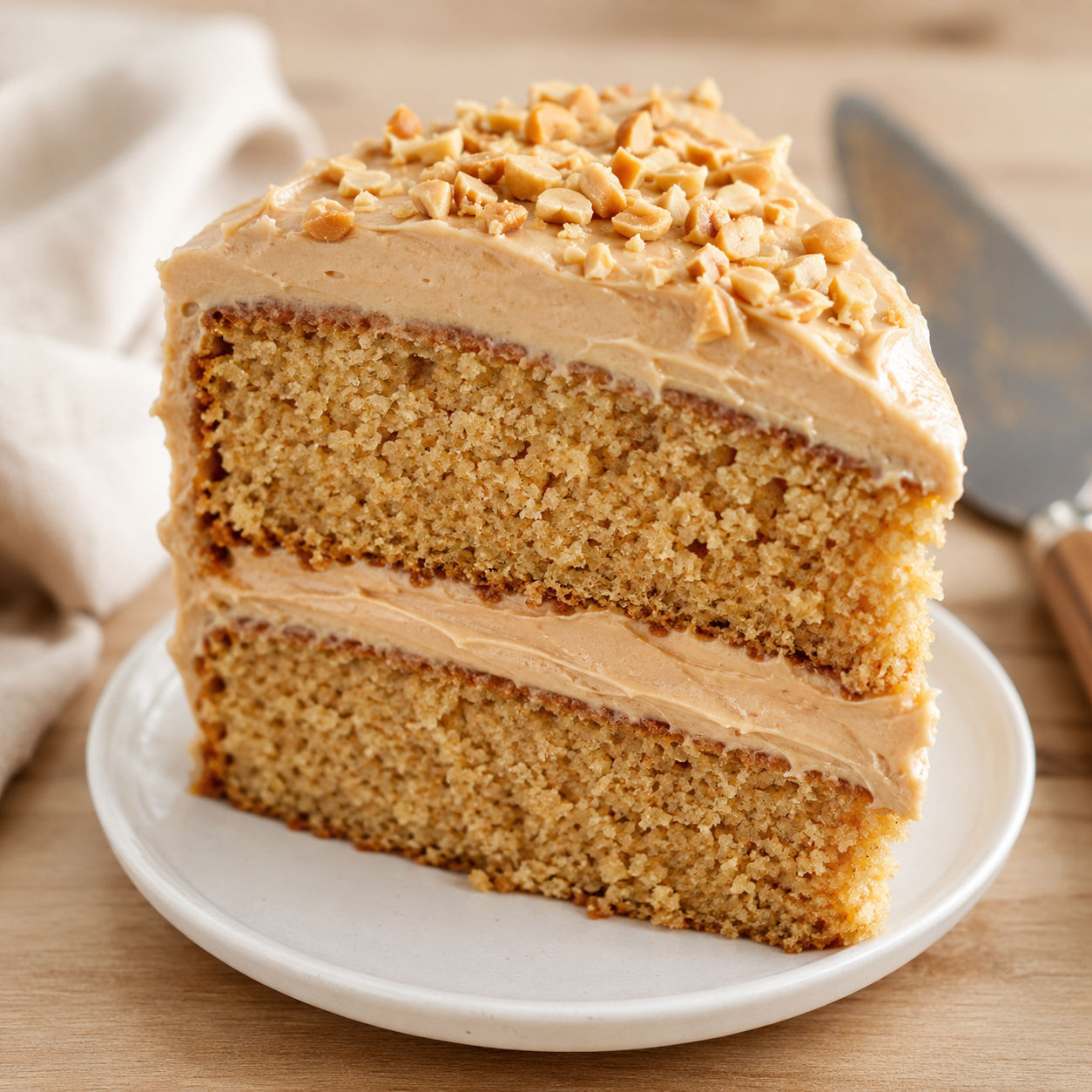
Soft and Moist Peanut Butter Cake should taste like peanut butter first, not just yellow cake with a spoonful stirred in. This version has a plush crumb, a gentle saltiness, and enough frosting to make each slice feel generous without turning heavy.
The trick is balance. Creamy peanut butter brings flavor and fat, but it can also make cake dense. Buttermilk, brown sugar, and a light hand with mixing keep the layers soft.
The Peanut Butter Lineup
Choose a creamy peanut butter with a smooth, spreadable texture and a roasted peanut smell. Baking is easier when ingredients are measured consistently, and the King Arthur ingredient weight chart is helpful if you bake by grams.
- Creamy peanut butter. Gives the cake its main flavor and a tender richness without needing chopped peanuts in the batter.
- All-purpose flour. Builds enough structure for neat slices while keeping the crumb soft.
- Brown sugar. Adds moisture and a light caramel note that suits peanut butter.
- Granulated sugar. Keeps the cake sweet and helps the layers rise evenly.
- Buttermilk. Softens the crumb and balances the richness.
- Eggs. Help the batter set and give the cake a smooth slice.
- Unsalted butter. Adds flavor to both the cake and frosting while letting you control the salt.
- Powdered sugar. Sweetens and thickens the frosting so it pipes or spreads cleanly.
- Vanilla. Rounds out the peanut flavor and makes the frosting taste fuller.
Bake The Tender Layers
- Prep the pans. Grease two 8-inch round pans, line the bottoms with parchment, and heat the oven to 350°F.
- Mix the dry bowl. Whisk the flour, baking powder, baking soda, and salt so the leavening is evenly spread.
- Cream the base. Beat butter, peanut butter, brown sugar, and granulated sugar until lighter and fluffy. This gives the cake lift.
- Add eggs and vanilla. Beat in the eggs one at a time, then mix in vanilla until the batter looks smooth.
- Alternate wet and dry. Add the flour mixture in three additions with the buttermilk in two additions. Stop as soon as the last streaks disappear.
- Bake and cool. Divide the batter between pans and bake until the tops spring back, about 30-35 minutes. Cool before frosting.
Why Soft Peanut Butter Cake Works
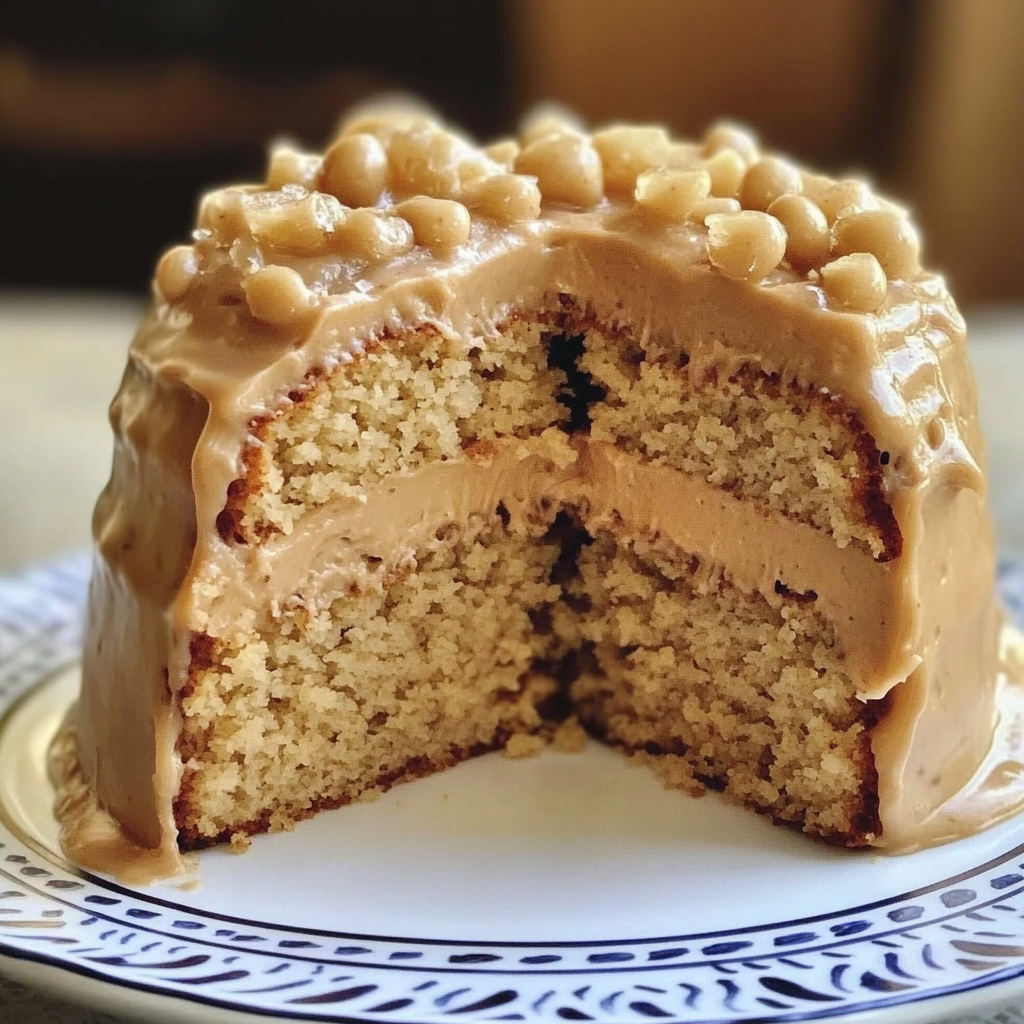
Peanut butter is thick, salty, and full of fat. That is why it tastes wonderful in cake, and also why peanut butter cakes can turn heavy if the batter is overmixed. Creaming the butter, sugars, and peanut butter first traps tiny air pockets. Those pockets expand in the oven and help the layers rise.
Buttermilk does the quiet work. It loosens the batter, adds acidity, and helps the crumb stay tender. Brown sugar matters too because it holds moisture better than white sugar alone. The cake should come out springy, not wet. If the toothpick is completely dry, it probably baked a few minutes too long.
Frosting That Spreads Smoothly
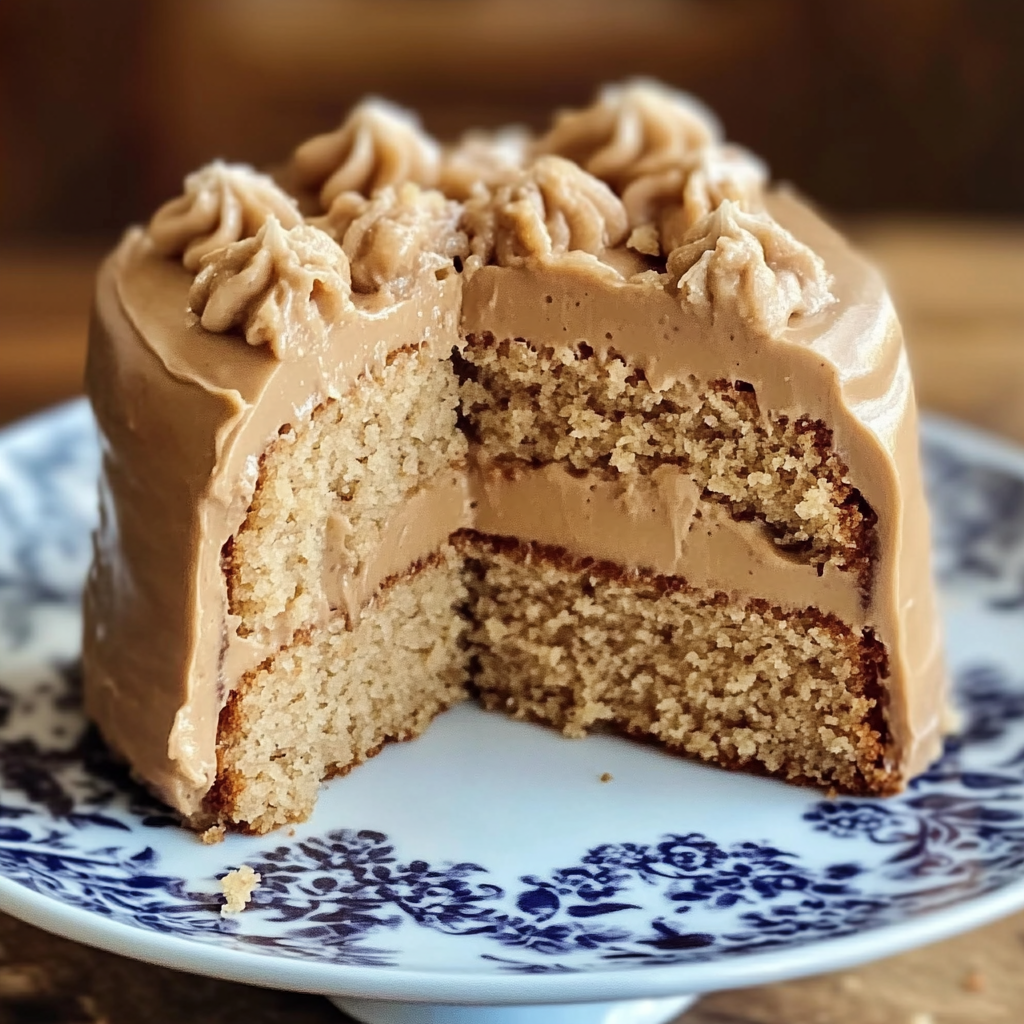
This frosting is peanut butter forward, but it still needs enough butter to stay fluffy. Beat the butter and peanut butter first until they look pale and creamy. Add powdered sugar gradually so it does not clump. A few tablespoons of cream make it smooth enough to swipe across the sides without tearing the cake.
If you want even more peanut butter flavor, spread a thin layer of peanut butter cake frosting between the layers and keep the outside lightly frosted. For a candy-bar style finish, chopped peanut butter cups work well on top, much like the flavor in Peanut Butter Cup Cake.
The Most Common Mistake
The main risk is baking the layers until they look perfectly dry. Peanut butter cake keeps cooking for a few minutes after it leaves the oven, so check early. The center should spring back gently. A toothpick should show a few soft crumbs, not raw batter.
Let the layers cool in the pans for about 15 minutes before turning them out. Warm peanut butter cake is delicate. If you rush it, the edges can crack and the frosting will melt into the crumb instead of sitting on top.
Easy Flavor Changes
Chocolate is the obvious match. Add a thin chocolate ganache drip, or scatter mini chocolate chips between the layers. Jam is good too. A little strawberry or grape jam under the frosting gives the cake a peanut butter and jelly feel, close to the flavor of peanut butter and jelly cookies.
For crunch, press chopped roasted peanuts around the bottom edge after frosting. Use salted peanuts if you like a snack-cake finish. If you prefer bars instead of layer cake, the same craving is easier to pack into lunch boxes with soft and chewy peanut butter cookie bars.
Storage And Clean Slices
Store the frosted cake covered at room temperature for 1 day or in the fridge for up to 4 days. Chilling gives the cleanest slices. Let each slice sit for a few minutes before eating so the frosting softens and the peanut butter flavor opens up.
To freeze, wrap unfrosted layers in plastic wrap and freeze for up to 2 months. Thaw them wrapped so condensation stays on the outside. Frost after the layers are completely thawed.
Summary
Serve this cake slightly chilled for clean slices or closer to room temperature for the softest frosting.
FAQs
- Can I make this peanut butter cake in a 9x13-inch pan?
Yes. Grease and line a 9x13-inch pan, then bake until the center springs back and a toothpick comes out with a few moist crumbs. Start checking around 35 minutes since the thicker cake may need more time than two round layers.
- What kind of peanut butter works best?
Use a smooth, conventional creamy peanut butter for the most reliable texture. Natural peanut butter can separate and may make the cake oily or slightly dry unless it is very well stirred.
- Can I use milk instead of buttermilk?
Plain milk works in a pinch, but buttermilk gives a softer crumb and a mild tang that balances the peanut butter. To make a quick substitute, add 1 tablespoon lemon juice or vinegar to 1 cup milk and let it sit for 5 minutes.
- How do I keep peanut butter cake from drying out?
Do not overbake it. Pull the layers when a toothpick shows a few moist crumbs, then cool them fully before frosting. Wrap leftovers tightly because cut cake dries fastest at the exposed edges.
- Can I make the cake ahead?
Yes. Bake the layers one day ahead, wrap them once cool, and keep them at room temperature. The frosted cake can also chill overnight, then sit out for 30-45 minutes before serving.
- What goes well with peanut butter cake?
Chocolate ganache, roasted peanuts, sliced bananas, strawberry jam, or a scoop of vanilla ice cream all work well. For a richer dessert table, serve it with fudgy peanut butter brownies.
