 Pin it
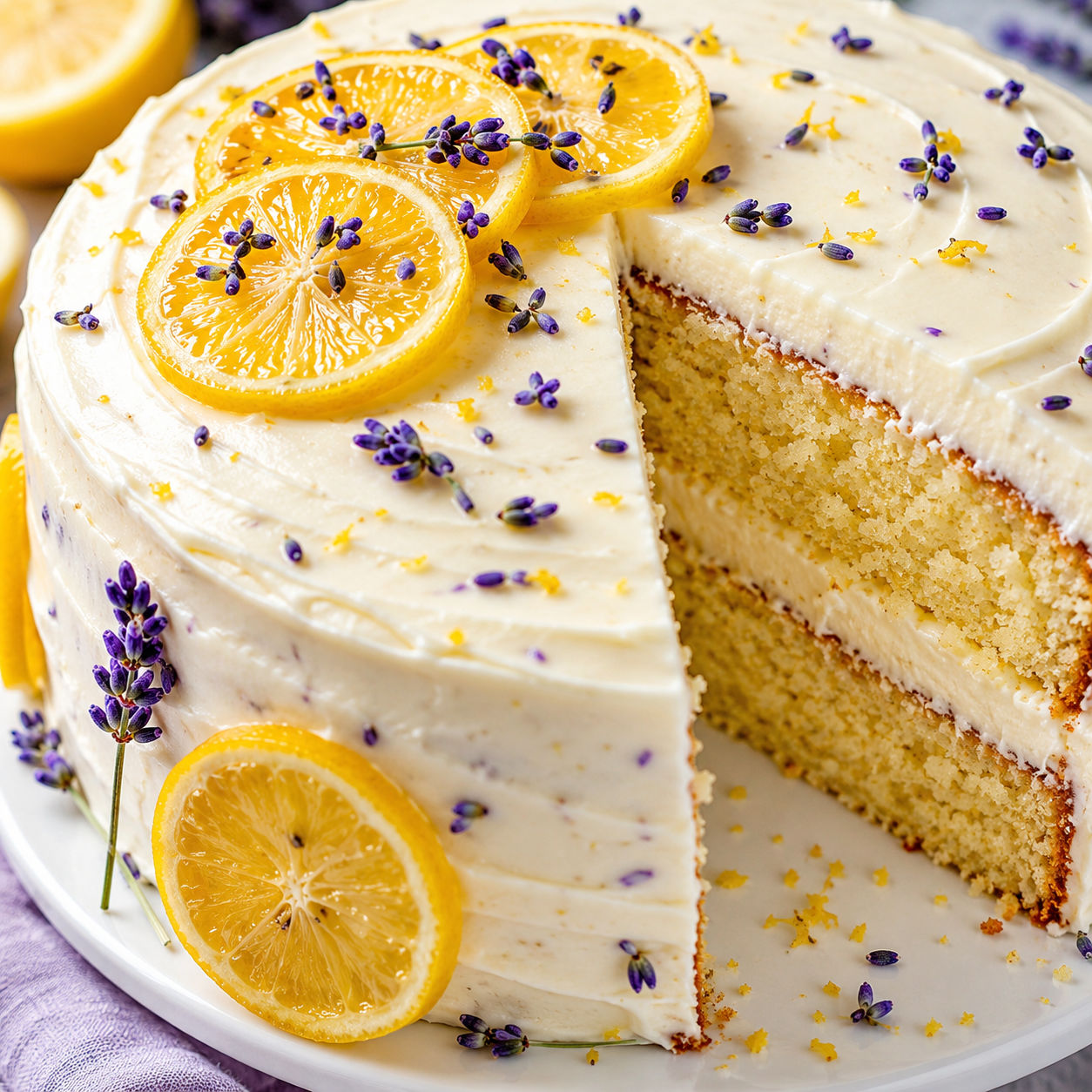
Lavender Lemon Cake can go wrong fast if the lavender is too strong. The version I like best treats lavender like tea. You steep it in warm milk, strain it out, and let the lemon zest do the louder work.
The cake bakes up tender and fragrant with a small tang from sour cream. A lemon cream cheese frosting keeps it from turning too sweet. It is the kind of cake I would make for Easter, Mother's Day, a shower, or a quiet weekend when a slice with tea sounds right.
The Floral Lemon Lineup
Choose lemons that feel heavy for their size and smell bright when you scratch the peel. For the lavender, buy culinary buds from a food-safe source and use a light hand. The U.S. Lavender Association is a useful place to learn more about lavender grown for culinary use.
- Culinary lavender. Infuses the milk with a gentle floral note, then gets strained out for a smooth crumb.
- Fresh lemons. Zest gives the strongest clean lemon flavor, while juice sharpens the frosting.
- Unsalted butter. Gives the cake a tender, rich base and lets you control the salt.
- Sour cream. Adds moisture and a light tang without making the batter loose.
- Whole milk. Carries the lavender flavor evenly through the cake.
- All-purpose flour. Keeps the recipe pantry-friendly. Spoon and level it, or weigh it using a trusted chart like King Arthur Baking's ingredient guide.
- Cream cheese. Makes the frosting tangy enough to balance the lemon and sugar.
Bake The Layers Gently
- Infuse the milk. Warm the milk until steamy, add the lavender, steep for 10 minutes, and strain well. Let it cool before it goes into the batter.
- Mix the dry bowl. Whisk the flour, baking powder, baking soda, and salt so the lift is even.
- Cream the butter. Beat butter, sugar, and lemon zest until pale and fluffy. This takes about 3 minutes and gives the cake its soft texture.
- Add eggs and dairy. Beat in the eggs one at a time, then mix in sour cream, vanilla, and the cooled lavender milk.
- Finish the batter. Add the dry ingredients on low speed and stop as soon as the flour disappears.
- Bake and cool. Divide between two pans and bake until the centers spring back. Cool fully before frosting.
- Frost the cake. Beat the cream cheese frosting until smooth, then fill and coat the layers with a thin, generous finish.
Keep Lavender In Check
Lavender should be a background note here, not the first thing you taste. Steeping the buds in milk gives you control because the little pieces do not stay in the cake. That matters. Whole buds can taste bitter when someone bites into one.
If your lavender smells very strong, use 1 1/2 teaspoons instead of 2 teaspoons. If it smells faint, stay with the full amount but do not steep longer than 12 minutes. Longer steeping can pull out harsh flavors. The lemon zest goes into the sugar while you cream the butter, which releases the oils and makes the cake taste brighter.
A Soft Crumb Matters
This cake is meant to be tender, not dense like a pound cake. Cream the butter and sugar long enough that the mixture turns lighter and looks fluffy around the bowl. That trapped air helps the layers rise. After the flour goes in, switch to low speed and stop quickly.
Sour cream helps the crumb stay moist for a few days, much like the dairy-rich batters used in Light & Fluffy Yogurt Cake. If your kitchen is warm, chill the cake layers for 15 minutes before frosting. Cool layers are much easier to stack, and the frosting will not slide down the sides.
Frosting That Balances Sweetness
Lemon cream cheese frosting is the right match because it brings tang and body. Buttercream alone can make floral cakes taste heavy. Beat the butter and cream cheese until smooth before adding powdered sugar. If you rush that part, small cream cheese lumps can hide under the sugar.
Add lemon juice at the end, one tablespoon at a time. You want a frosting that spreads easily but still holds a soft ridge on the spatula. If it gets loose, chill it for 10 minutes and beat again. For a stronger citrus dessert table, serve this beside Lemon Pistachio Cake or Blueberry Lemon Creme Cake.
Easy Flavor Variations
For a berry version, spread a thin layer of blueberry jam between the cake and frosting. Keep it thin so the layers do not slide. Raspberry jam is lovely too, especially if the cake is for spring.
If you want more lemon, add a spoonful of lemon curd between the layers, then pipe a frosting ring around the edge to hold it in place. You can also decorate with candied lemon peel. The homemade route is worth it if you already enjoy citrus projects like Candied Lemon Peel. For a softer herbal note, pair the lavender with a pinch of cardamom, similar to the mood of Lemon Cardamom Poppy Seed Twists.
Storage And Serving Notes
Refrigerate the finished cake because of the frosting, but do not serve it cold from the fridge. Cold butter tightens the crumb and hides the lemon. Give slices 20-30 minutes at room temperature before serving.
The unfrosted layers freeze well for up to 2 months. Wrap each cooled layer in plastic wrap, then foil, and thaw overnight in the refrigerator. Frost the next day. Leftover frosted cake keeps best in a covered cake carrier, not pressed tightly with wrap that can pull off the frosting.
Summary
Use culinary lavender, steep it gently, and keep the frosting tangy. That is the cleanest path to a lemon lavender cake that tastes fresh instead of perfumed.
FAQs
- What kind of lavender should I use for Lavender Lemon Cake?
Use dried culinary lavender, ideally English lavender if you can find it. It has a softer flavor and less bitter camphor than some ornamental varieties. Avoid craft lavender or anything not sold for food use.
- Can I use lavender extract instead of dried lavender?
Yes, but use it carefully. Start with 1/4 teaspoon in the cake batter because extracts vary a lot in strength. Taste the frosting before adding any there, since too much extract can taste sharp.
- Can I make this cake ahead?
Yes. Bake the layers one day ahead, cool them completely, wrap them well, and keep them at room temperature overnight. The frosting can also be made ahead and refrigerated, then softened and re-whipped before using.
- Why does my lavender cake taste soapy?
The lavender was probably too strong or left in the batter. Steeping and straining gives a cleaner flavor. Lemon zest also helps balance the floral note, so do not skip it.
- Can I make this as cupcakes?
Yes. Fill lined muffin cups about two-thirds full and bake at 350°F for 17-20 minutes. Start checking early because cupcakes dry out faster than cake layers.
- How should I store Lavender Lemon Cake?
Because of the cream cheese frosting, store the cake covered in the refrigerator for up to 4 days. Let slices sit at room temperature for 20-30 minutes before serving so the crumb softens again.
- What goes well with lavender lemon cake?
Fresh berries, hot tea, and lightly sweet whipped cream all work well. For a dessert table, pair it with other bright lemon bakes like bars, lemon curd tarts, or a berry cake.
