 Pin it
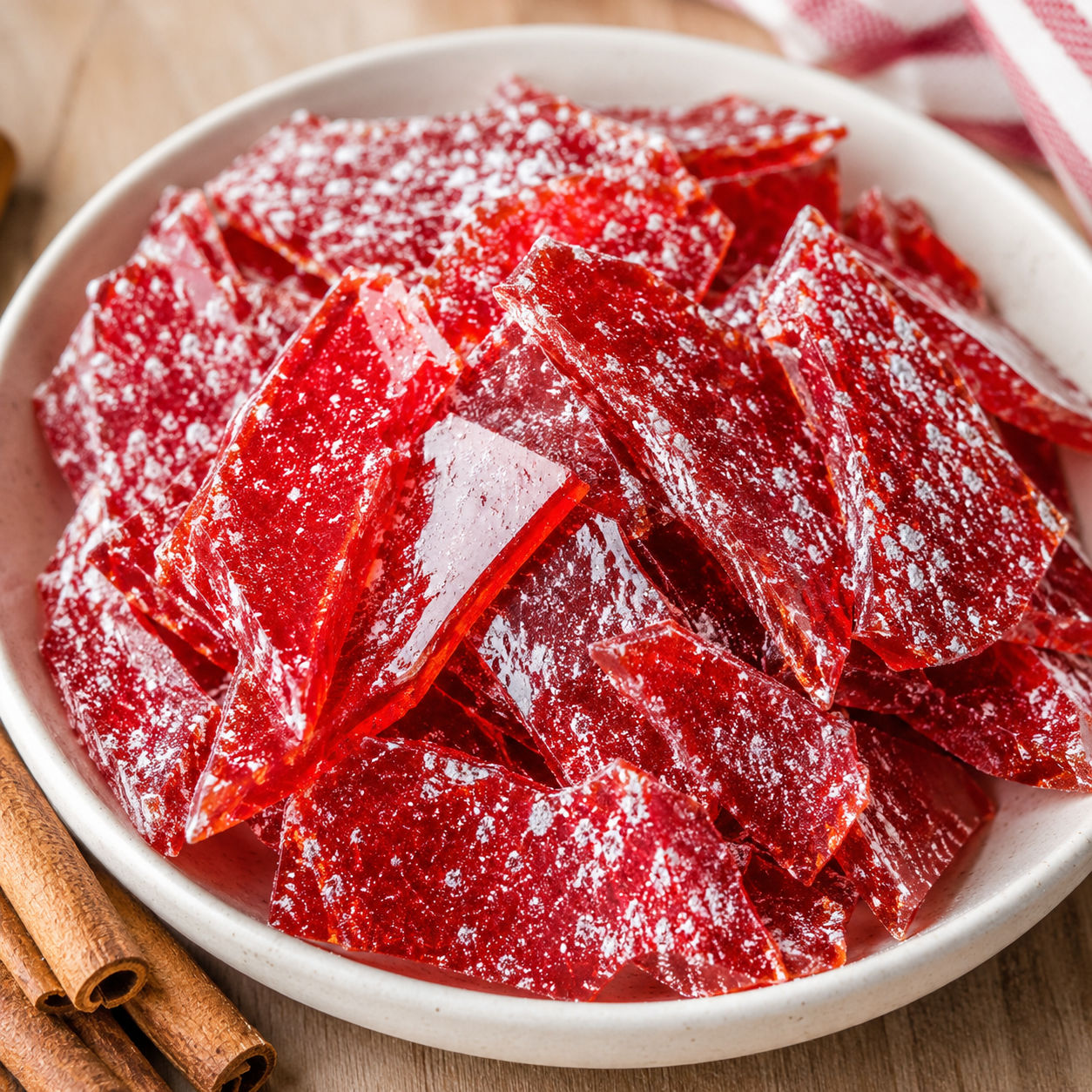
Make Spicy Cinnamon Hard Candy at Home when you want that old-fashioned red candy with a real warm kick. It is sharp, sweet, glassy, and loud in the best way.
The recipe is simple, but it asks for attention. A candy thermometer matters here. So does stepping back when the cinnamon oil hits the hot syrup, because that steam can bite your nose and eyes.
I like this batch for holiday tins, party bowls, and small gift bags. It keeps its snap for weeks when stored dry, which is more than I can say for most homemade sweets.
The fiery candy lineup
Use fresh cinnamon oil and a reliable thermometer. Old flavoring can taste dull, and guessing the syrup temperature is where most hard candy goes wrong.
A rimmed pan gives you thin shards that crack cleanly. Silicone molds also work, but the candy sets fast once it leaves the pot.
- Granulated sugar. Builds the clear, glassy body of the candy.
- Light corn syrup. Helps prevent grainy crystals and keeps the candy smooth.
- Water. Dissolves the sugar so it can cook evenly.
- Cinnamon oil. Brings the strong red-hot flavor and spicy warmth.
- Red food coloring. Gives the candy its classic bright look, but it is optional.
- Powdered sugar. Keeps the broken pieces from sticking during storage.
- Neutral oil spray. Helps the candy release from the pan after it cools.
Cook it to a snap
- Prepare the pan. Line a rimmed baking sheet with parchment or foil, then lightly coat it with neutral oil spray so the candy releases cleanly.
- Dissolve the sugar. Combine sugar, corn syrup, and water in a heavy saucepan. Heat over medium heat and stir only until the sugar looks dissolved.
- Boil without stirring. Clip on a candy thermometer and cook until the syrup reaches 300-310°F. Brush down any sugar crystals on the pan sides with a wet pastry brush if needed.
- Add the heat. Remove the pan from the burner. Stand back, then stir in the food coloring and cinnamon oil until the bubbling settles.
- Pour and cool. Pour the syrup onto the prepared pan. Let it sit at room temperature until hard, about 45-60 minutes.
- Crack and dust. Break the sheet into bite-size pieces. Toss lightly with powdered sugar and store airtight.
Temperature is the whole recipe
Hard candy is mostly sugar work. The difference between sticky syrup and clean-breaking candy is a narrow temperature window. The Exploratorium sugar-stage guide is a helpful reference if you want to understand why 300°F matters.
Once the syrup starts boiling, stop stirring. Stirring can knock sugar crystals from the pan wall into the syrup and turn the batch cloudy or grainy. If you see crystals, use a damp pastry brush on the sides of the pan. Do not scrape them back in.
If you already love old-school candy projects, try this alongside Hot Cinnamon Hard Candy or Old Fashioned Orange Candy for a bright little candy tin.
Cinnamon oil needs respect
Cinnamon oil is not the same as ground cinnamon or baking extract. It is concentrated and very aromatic. Add it only after the pan is off the heat, then keep your face away from the steam. The first puff is strong.
For a gentle batch, use 1/2 teaspoon. For a hotter batch, use 3/4 teaspoon. One full teaspoon makes a bold candy with a real red-hot burn. Candy flavoring brands such as LorAnn note that cinnamon and similar oils are potent, which is worth remembering before you pour with a heavy hand.
How to avoid sticky shards
Humidity is hard candy's enemy. Make this on a dry day if you can. Let the candy cool fully before cracking it, then dust the pieces with powdered sugar or a powdered sugar and cornstarch mix.
Store the candy in a tight jar or tin at room temperature. Do not refrigerate it. A cold fridge adds condensation, and condensation turns the shiny surface tacky. If you are packing gift bags, wait until the candy is completely cool and dry first.
Easy ways to change it
You can make the candy clear, deep red, or pale pink. The color does not change the flavor. For a festive tray, pair the red shards with festive candy acorns or tuck a few pieces into cookie boxes with Cinnamon Roll Cheesecake Cookies.
For a sweeter cinnamon profile, use 1/2 teaspoon oil and add a tiny pinch of salt to the syrup. For a sharper candy, keep the full 3/4 teaspoon and break the sheet into smaller pieces. Small pieces are easier to enjoy when the heat is strong.
Serving and gifting ideas
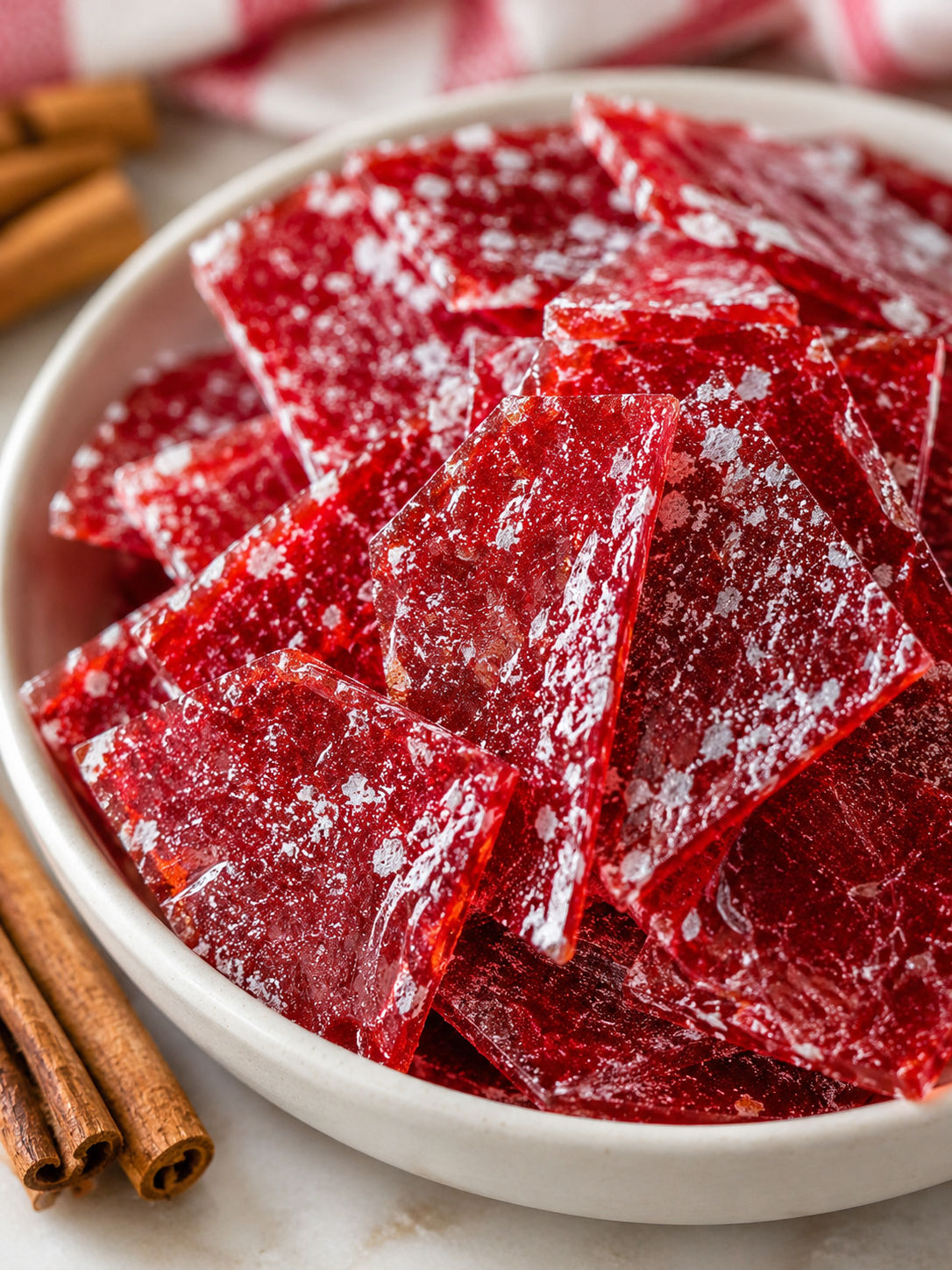
Once cracked, the candy looks like little pieces of stained glass. Pack it in small clear bags, tuck it into holiday tins, or set it out after dinner with coffee. The flavor is strong, so smaller pieces feel better than big chunks.
If you want a dessert table with more cinnamon warmth, serve it near baked sweets rather than chocolate-heavy treats. It cuts through rich cookies nicely and gives the table a bright red pop without much extra work.
Summary
This cinnamon hard candy is best made on a dry day and stored airtight with a light dusting of powdered sugar.
FAQs
- What temperature should cinnamon hard candy reach?
Cook it to 300-310°F, which is the hard-crack stage. At that point the syrup cools into a brittle candy that snaps instead of bends.
- Can I use cinnamon extract instead of cinnamon oil?
Cinnamon oil gives the strongest heat and flavor. Extract is weaker and usually alcohol-based, so the finished candy can taste flatter unless you use a formula made for candy flavoring.
- Why did my hard candy turn sticky after it cooled?
Humidity is the usual cause. Cook the syrup fully, let the candy cool uncovered, then store it in an airtight container with a little powdered sugar between layers.
- Can I make this candy without red food coloring?
Yes. The color is only for that classic cinnamon-candy look. Without it, the candy will be clear to pale amber and will taste the same.
- How long does homemade cinnamon hard candy last?
Stored airtight at room temperature, it keeps well for 3-4 weeks. Keep it away from steam, sunlight, and the refrigerator, which can make the surface tacky.
- How do I make it less spicy?
Use 1/2 teaspoon cinnamon oil for a warm batch. Use 3/4 teaspoon for a hotter candy, or 1 teaspoon only if you like a strong cinnamon burn.
