 Pin it
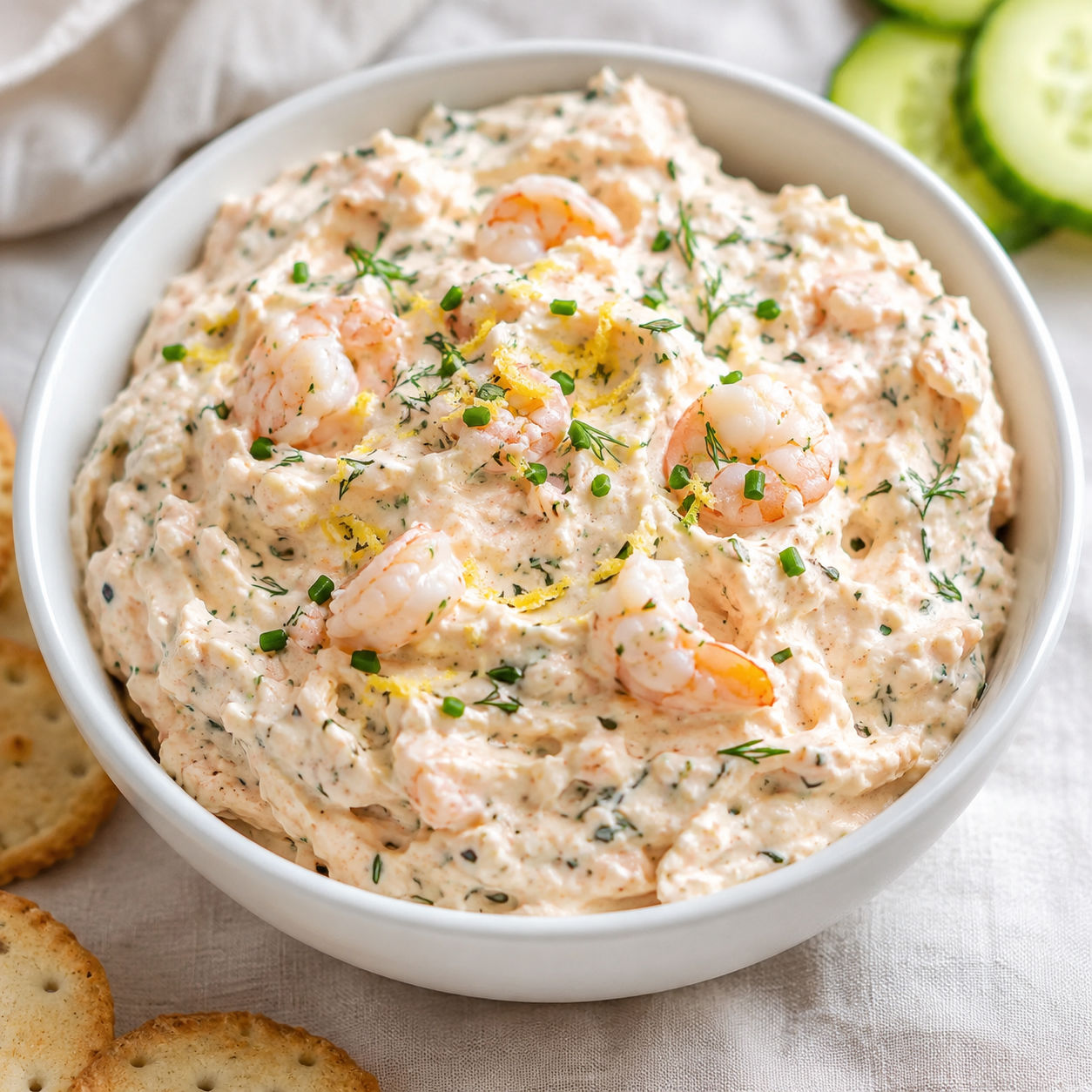
Easy Homemade Shrimp Butter Spread is a small-bowl appetizer that tastes like more work than it is. The shrimp stays sweet, the butter carries the lemon and herbs, and the cream cheese keeps it spreadable straight from the fridge after a short rest.
I like it for holidays and porch snacks because it can be made ahead without losing its charm. Set it out with crisp crackers, toast points, cucumber slices, or warm bread and it disappears fast.
The creamy seafood lineup
Use shrimp that smell clean and mild, with no sour or ammonia scent. The butter and cream cheese should be fully softened so they whip smooth instead of breaking into cold chunks.
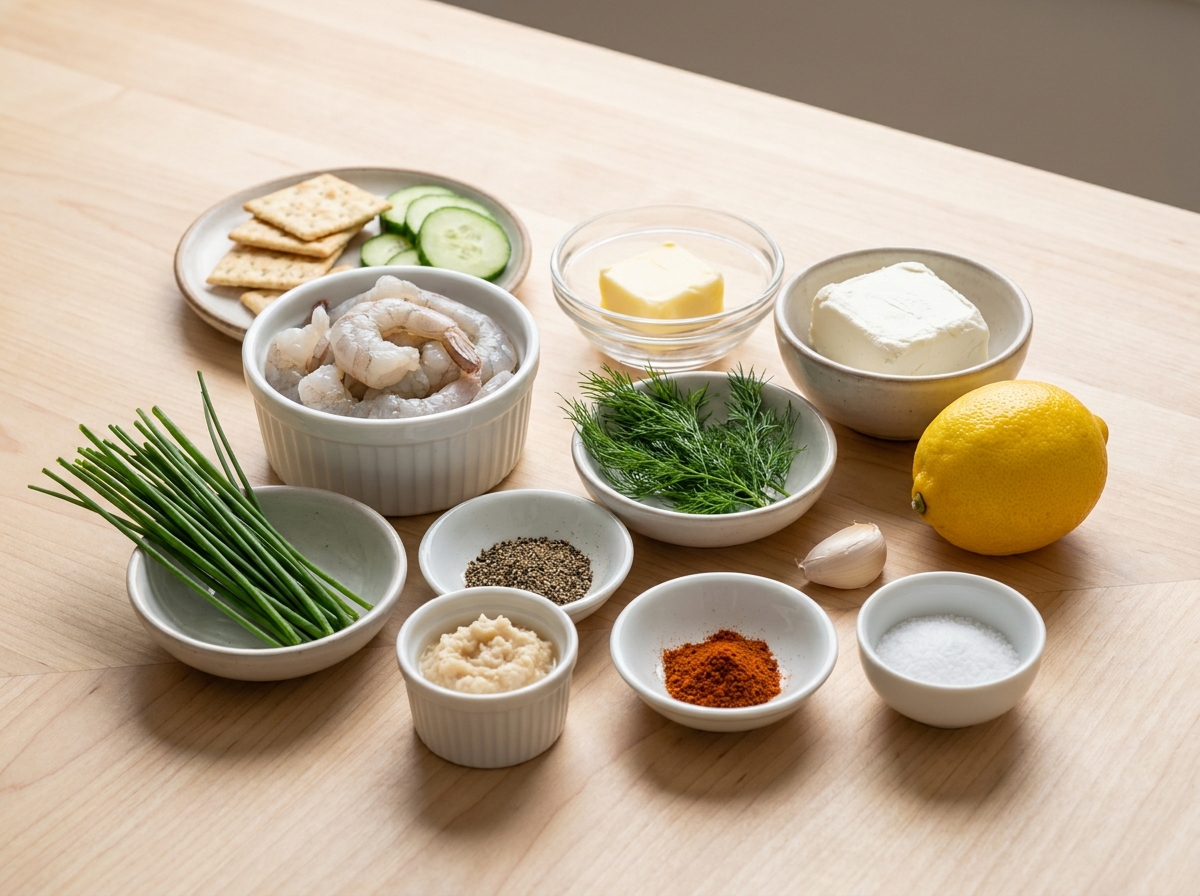
- Shrimp. Brings the sweet seafood flavor and a tender bite when it is poached gently.
- Unsalted butter. Gives the spread its rich body and lets you control the salt.
- Cream cheese. Keeps the texture creamy and easy to scoop after chilling.
- Lemon juice and zest. Brighten the butter and keep the shrimp flavor lively.
- Garlic. Adds a savory edge without taking over the bowl.
- Chives and dill. Add fresh green flavor that works naturally with seafood.
- Prepared horseradish. Gives a little lift and keeps the spread from tasting flat.
- Cayenne. Adds quiet warmth, not obvious heat.
Blend it into a spread
- Poach the shrimp. Bring salted water with a lemon wedge to a gentle simmer, add the shrimp, and cook just until pink and opaque, about 2-3 minutes.
- Cool and dry. Move the shrimp to ice water for a few minutes, then drain and pat dry very thoroughly. This keeps the butter from turning loose.
- Chop finely. Chop the shrimp with a knife or pulse briefly in a food processor. Stop while you still see tiny pieces.
- Whip the base. Beat the softened butter and cream cheese until smooth and lighter in texture.
- Season the spread. Mix in lemon zest, lemon juice, garlic, chives, dill, horseradish, black pepper, cayenne, and salt.
- Fold and chill. Fold in the shrimp, spoon into a bowl or shape into a log, cover, and chill for at least 1 hour.
Easy Homemade Shrimp Butter Spread Tips
The texture matters more than any fancy ingredient. Chop the shrimp fine, but do not turn it into a smooth puree. You want little bits that remind you this is real shrimp, not a seafood mousse. If using a food processor, pulse in short bursts and scrape the bowl once.
For a lighter party board, serve this beside classic shrimp butter spread and something sweet like rhubarb butter. The salty seafood and tart fruit spread make a surprisingly good pair on crackers.
Buying shrimp that tastes clean
Raw peeled shrimp is the easiest choice here. Medium shrimp are fine because they will be chopped. If you buy shell-on shrimp, poach them in the shells for a little more flavor, then peel after cooling. Avoid shrimp that smell sharp or feel slimy.
The FDA has a useful seafood buying and storage guide if you want a quick safety check before shopping. You can read it here: FDA seafood-safety guide. At home, keep shrimp cold until you cook it and do not leave the finished spread out for a long afternoon.
Chill time changes the texture
Right after mixing, the spread is soft and scoopable. After an hour in the fridge, it firms up and tastes more balanced. The lemon settles down, the garlic softens, and the butter takes on the shrimp flavor. For a party, I make it the morning of and pull it out about 25 minutes before guests arrive.
Keep leftovers covered in the fridge for up to three days. For general cold storage timing, the chart at FoodSafety.gov is a good reference. If the spread has been sitting out for more than two hours, discard what is left.
What to serve alongside
Crackers are easy, but warm bread makes this spread feel special. Toast thin slices from homemade bread until the edges are crisp, then add a small spoonful of shrimp butter while the toast is still warm. It melts just enough to turn glossy.
For a seafood appetizer table, pair it with cucumber rounds, lemon wedges, and a warm bowl of seafood boil butter sauce for dipping potatoes or bread. Keep the shrimp butter chilled until serving, then put out a small knife so guests can spread instead of scoop huge chunks.
Swaps that keep balance
Dill is classic, but parsley, chives, or tarragon all work. Use lime zest instead of lemon if you want a brighter, slightly sweeter finish. A teaspoon of capers can add briny pop, but chop them well and taste before adding more salt.
If you want heat, use cayenne, hot sauce, or a tiny spoon of prepared horseradish. Add it slowly. Shrimp has a delicate sweetness and too much sharp heat can flatten it. For a softer dip style, beat in another ounce or two of cream cheese. For a firmer log, reduce the cream cheese and add more butter.
Summary
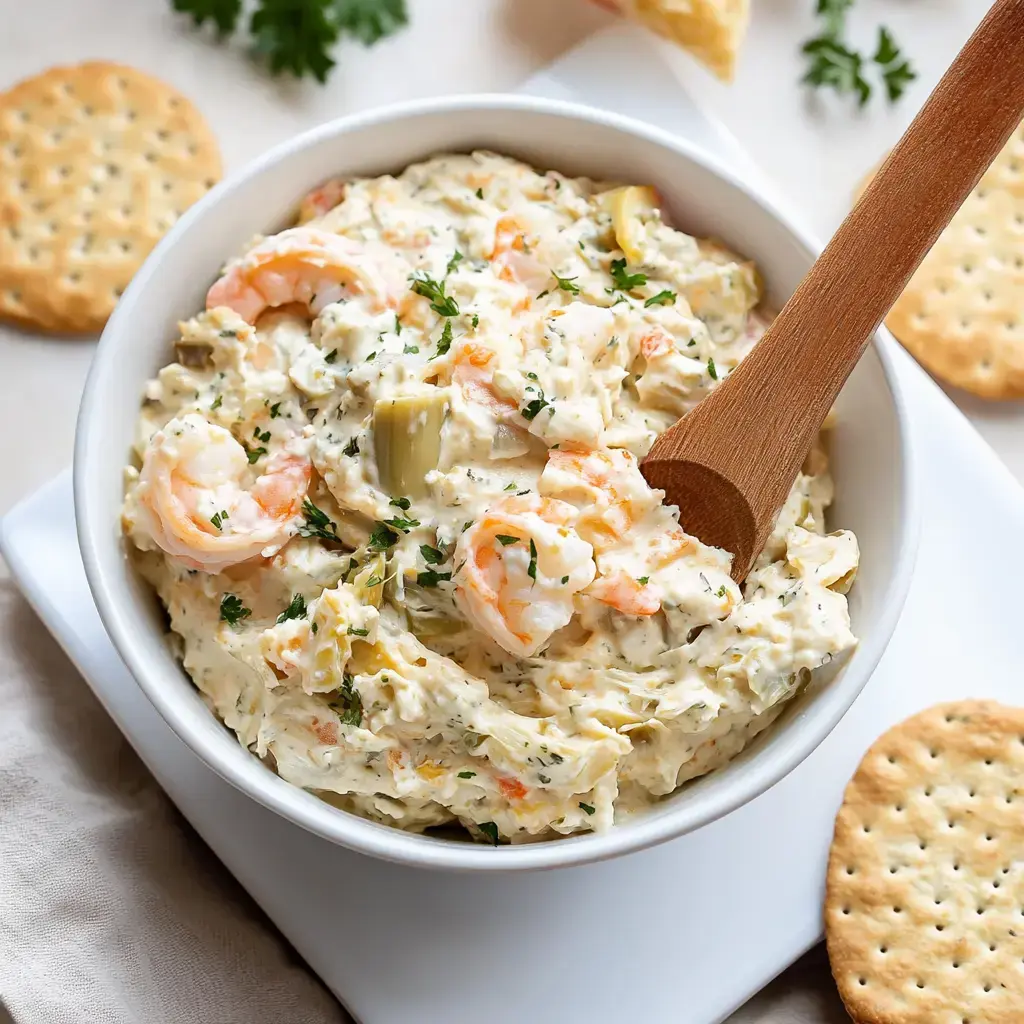
This shrimp butter spread is best when the shrimp is cooked gently, dried thoroughly, and chopped fine enough to melt into the butter without turning pasty.
FAQs
- Can I use cooked shrimp for shrimp butter spread?
Yes. Use small cooked shrimp if that is what you have, but pat them very dry before chopping. Freshly poached shrimp has a cleaner flavor and a softer bite, so use raw shrimp when you have time.
- How long should shrimp butter spread chill?
One hour is enough for the butter to firm up and the herbs to settle into the spread. If you want to shape it into a log, chill it for at least two hours so it slices cleanly.
- Can I make this without cream cheese?
Yes. Replace the cream cheese with 4 more tablespoons of softened butter for a firmer, richer spread. Let it sit at room temperature for 20-30 minutes before serving so it is easy to scoop.
- What should I serve with shrimp butter spread?
Buttery crackers, toasted baguette, rye crisps, cucumber rounds, and celery sticks all work well. Warm toast is especially good because the spread softens slightly as it hits the bread.
- Can I freeze homemade shrimp butter?
Yes. Shape it into a log, wrap it tightly, and freeze for up to one month. Thaw overnight in the fridge, then let it soften at room temperature before serving.
- Why did my spread turn watery?
The shrimp was probably too wet. Drain it well after cooking, press it dry with paper towels, and avoid over-processing it into a loose paste.
