 Pin it
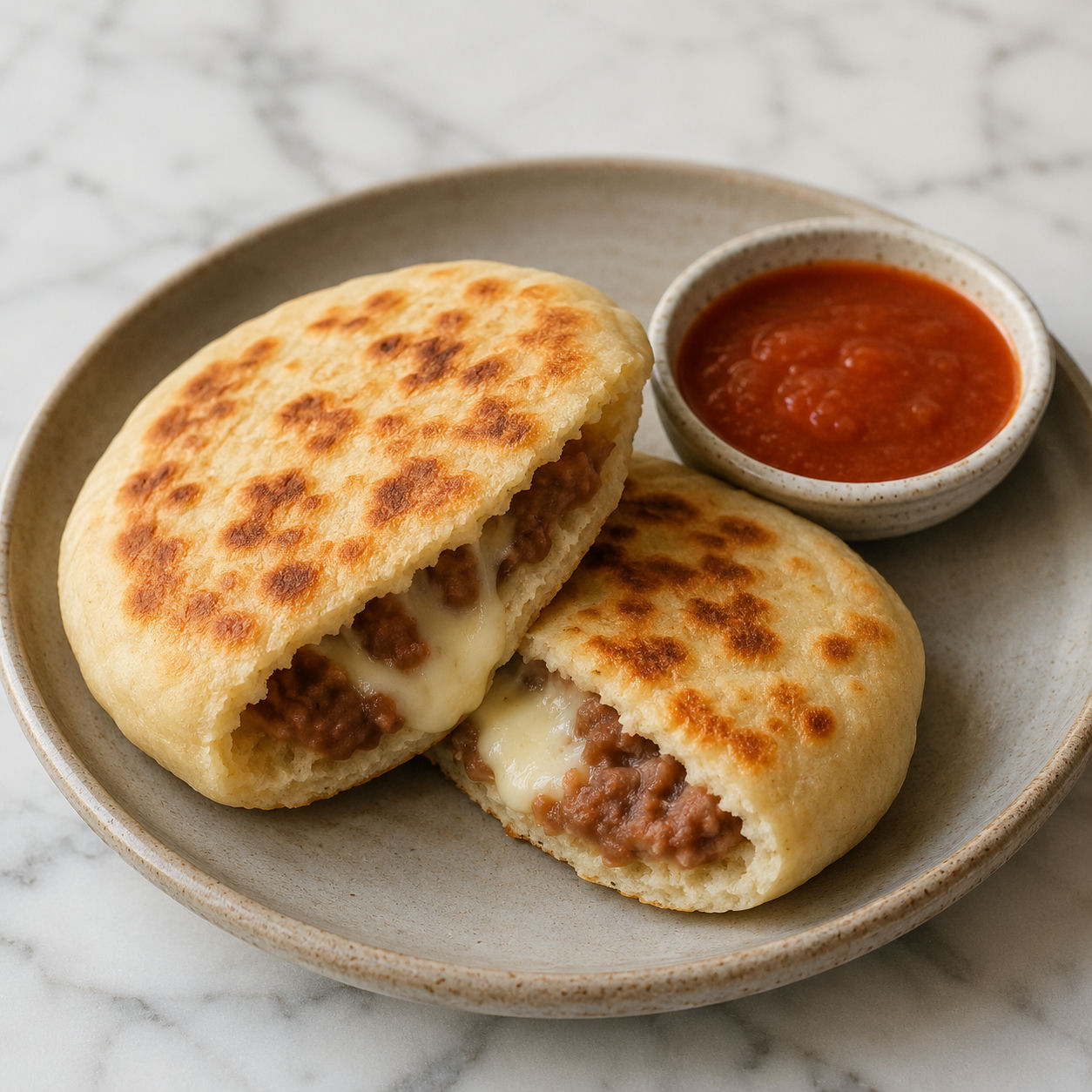
Gorditas de harina are one of those things that feel simple until you eat one fresh off the comal. Thick, slightly puffed flour rounds that smell like fresh bread. They come from northern Mexico, where wheat flour has always been the grain of choice over corn masa, and they are the kind of thing home cooks there make without measuring anything.
The recipe is short and forgiving. Flour, lard, baking powder, salt, and warm water. The dough takes about ten minutes to come together and needs a short rest before shaping. No rolling pin required. You press them out by hand to about half an inch thick and cook them on a dry griddle until they puff and get golden in spots.
The baking powder is what sets them apart from a regular flour tortilla. It creates a little lift, opening up a natural pocket inside that you split and fill while still warm. Beans and cheese, picadillo, leftover stew, or just a smear of butter. Everything works in a gordita.
Five Ingredients, One Good Dough
Gorditas de harina ask almost nothing of you on the ingredient side. Use a good all-purpose flour, unbleached if you have it, and real lard if you can find it at a Mexican grocery. Both matter more than you might think for the final texture.
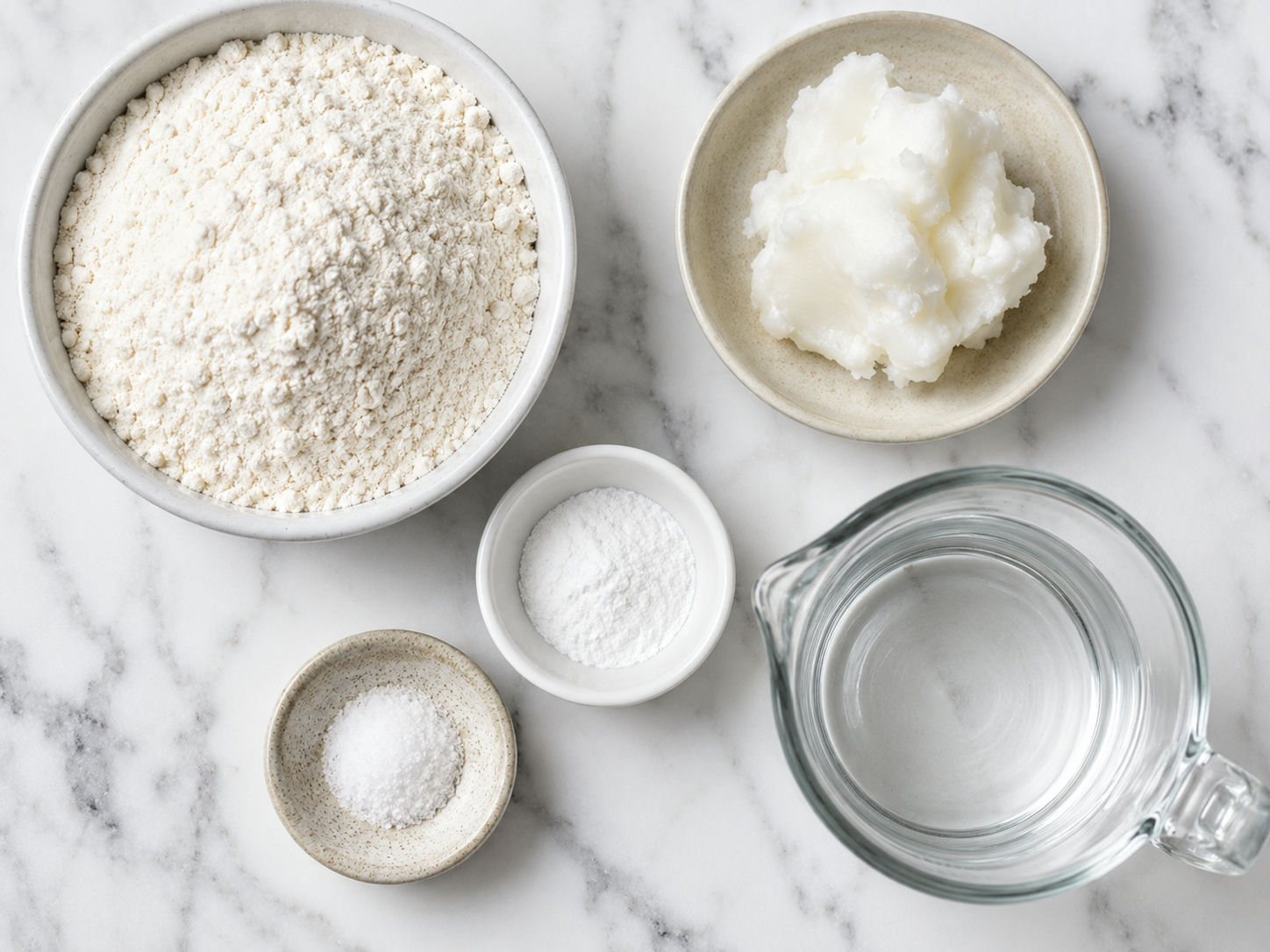
- All-purpose flour. The base of the dough. Unbleached has slightly more body, but any all-purpose flour works fine.
- Lard. The traditional fat. It gives gorditas their characteristic soft, slightly rich chew and makes the dough easy to handle without sticking. Vegetable shortening is the closest substitute.
- Baking powder. The lift agent that separates a gordita from a flat tortilla. It creates the puff and the interior pocket that makes them fillable.
- Salt. Plain kosher or sea salt. Season the dough itself, not just the filling.
- Warm water. Binds the dough together. Warm (not hot) water helps the fat blend in more evenly and makes mixing easier. Some cooks use warm milk for a slightly richer result.
Shape, Rest, and Hit the Comal
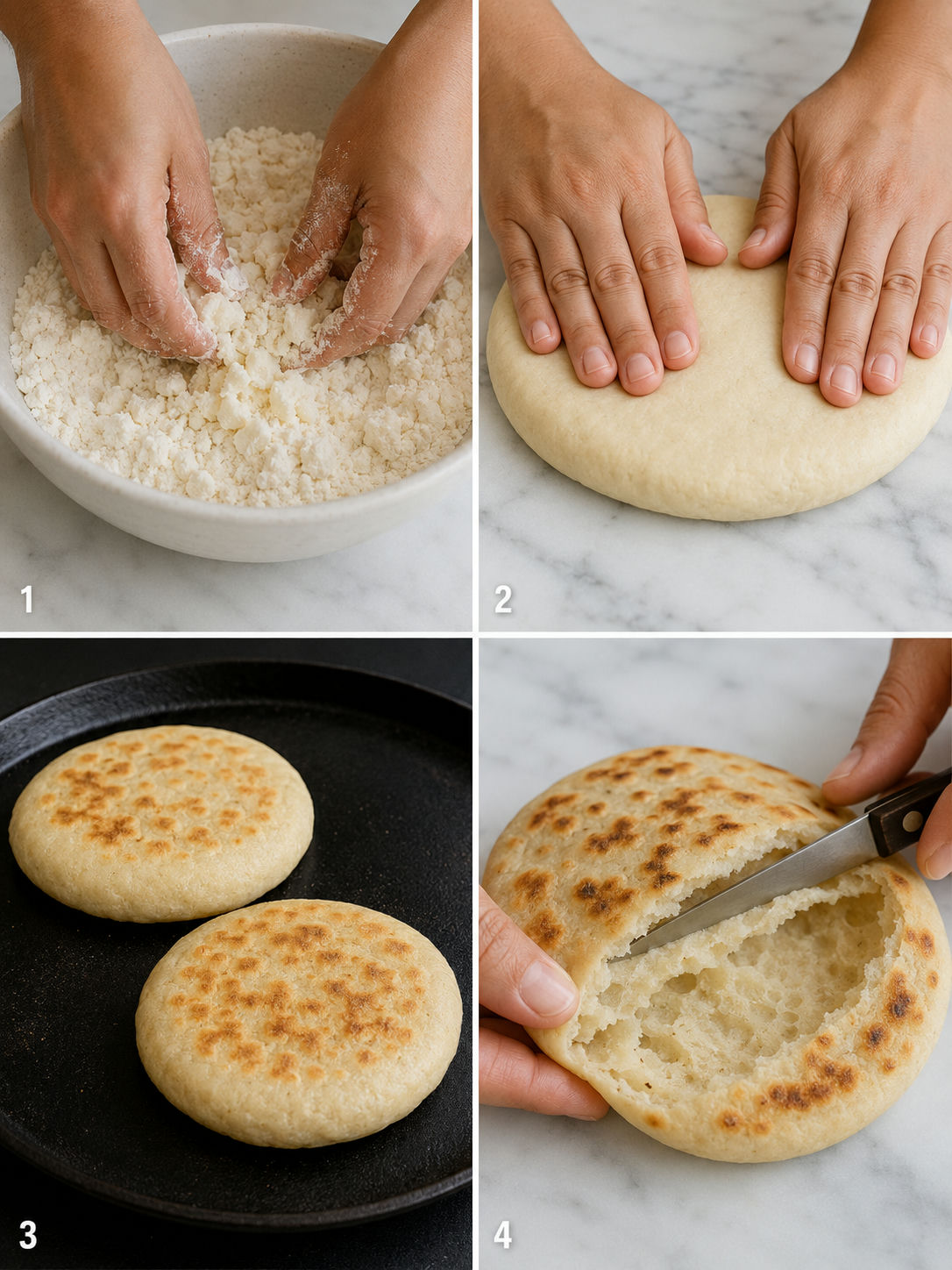
- Mix the dry ingredients. Whisk the flour, baking powder, and salt together in a large bowl until evenly combined.
- Cut in the lard. Add the lard in small pieces and rub it into the flour with your fingertips until the mixture looks like coarse crumbs. No large chunks of fat should remain visible.
- Add warm water and knead. Pour in the warm water a little at a time, stirring as you go. Once a shaggy dough forms, knead it in the bowl for 2 to 3 minutes until smooth and soft. It should be slightly tacky but not sticky. Add one tablespoon more water if the dough feels dry and crumbly.
- Rest the dough. Cover the bowl with a clean kitchen towel or plastic wrap and let the dough rest at room temperature for 10 to 15 minutes. This relaxes the gluten and makes the gorditas easier to press and shape.
- Divide and press. Divide the dough into 8 equal balls. Using your palms, press each ball into a round disc about 3.5 inches (9 cm) across and roughly half an inch (1.3 cm) thick. You want them noticeably thicker than a tortilla.
- Cook on a dry comal. Heat a comal or cast-iron skillet over medium heat with no oil. Cook the gorditas for 3 to 4 minutes per side until golden brown spots appear and they puff noticeably across the surface.
- Split and fill. While still warm, use a small knife or your fingers to split each gordita partway around the edge, opening the natural pocket. Fill immediately and serve.
Why Lard Makes a Real Difference
Lard is rendered pork fat and it behaves differently from vegetable fats in dough. It has a higher fat content and almost no water. That combination coats the flour proteins without adding steam, producing a tender, slightly flaky crumb rather than a tight, bready one. Northern Mexican cooks have used lard in flour doughs for generations for exactly this reason. If lard isn't available, vegetable shortening is the best substitute. Shortening shares lard's low water content and neutral flavor, so results are nearly identical. Butter comes in third. The lower melting point during mixing can overwork the dough and produce a slightly tougher result. For a deeper look at how fat type affects flatbread texture, Serious Eats on flour tortillas is worth a read.
Getting the Comal Temperature Right
The comal or griddle should be at medium heat, not high. If it smokes before you put a gordita down, let it cool for a minute first. Too much heat chars the outside while the inside stays raw and doughy. You'll know the temperature is right when a gordita takes a full 3 to 4 minutes per side to brown. It should get golden with darker spots, not uniformly dark brown. Cast iron works exactly the same as a traditional comal and holds heat evenly. A stainless pan works too, though the heat distribution is less consistent. Press the gordita lightly with a spatula halfway through cooking to encourage even contact with the surface.
Fillings That Turn Them Into a Meal
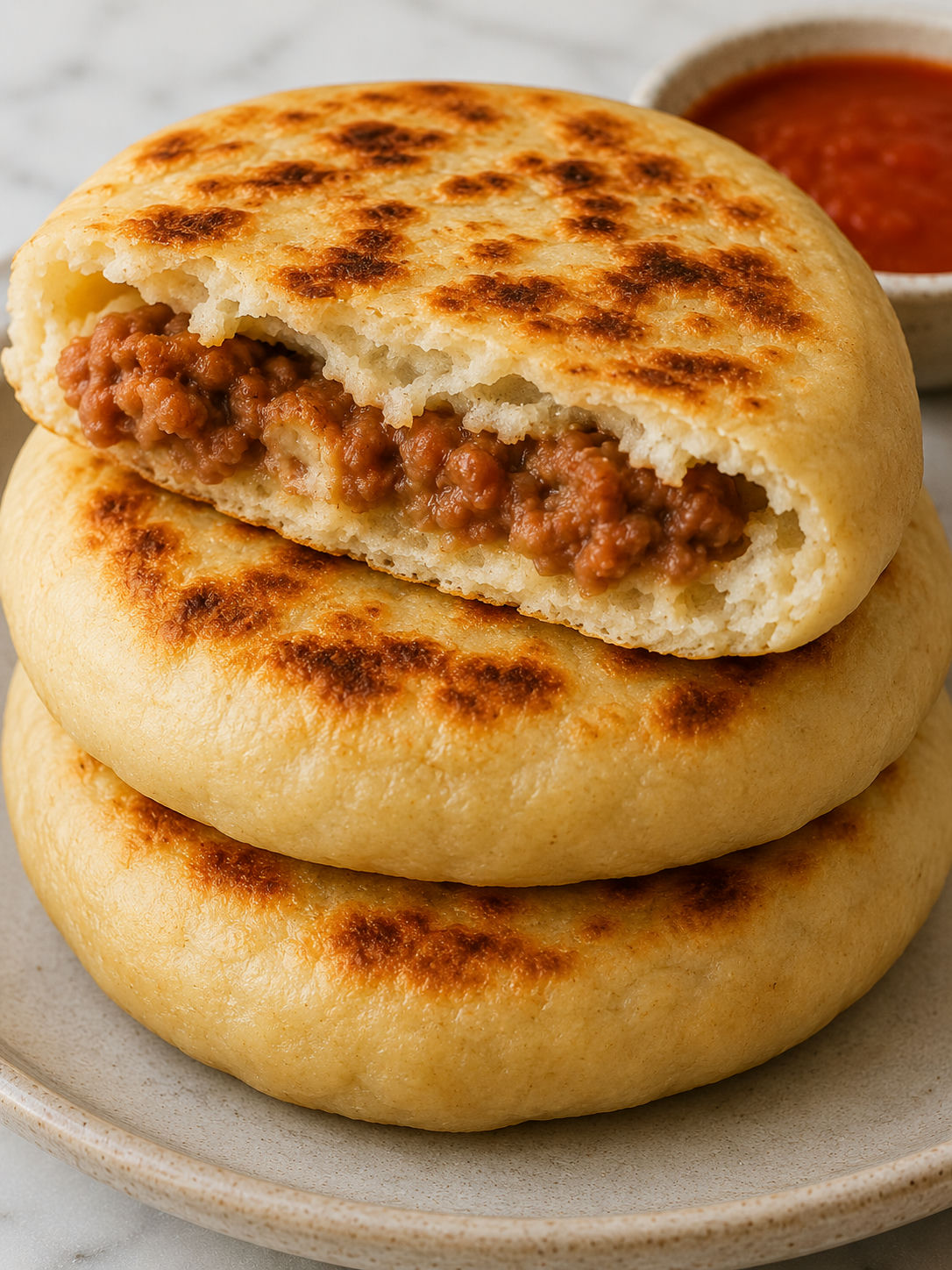
The filling is where you make these your own. For a quick weeknight dinner, pair gorditas with homemade picadillo, which takes about the same amount of time to make as the gorditas themselves. Refried beans with Oaxacan, Chihuahua, or Monterey Jack cheese is the most classic combination in northern Mexico. For something more festive, fill them with meat from beef birria and a spoonful of the consomme for dipping. Chicharrones simmered in salsa roja for a few minutes is another traditional choice. Scrambled eggs and salsa verde make a great breakfast version. The pocket holds saucy, chunky fillings far better than a regular tortilla ever could.
Storing and Reheating Without Losing Texture
Cooked gorditas keep well with just a little care. Wrap them in a clean kitchen towel while still slightly warm to trap a bit of steam, then move to an airtight container or zip bag once they cool. They stay good in the fridge for 4 days. Reheat on a dry skillet over medium-low heat, about 1 to 2 minutes per side. This revives the slight crust on the outside without drying the inside out. For longer storage, freeze them with parchment between each one and reheat straight from frozen, covered loosely with a lid, which traps steam and brings them back to nearly fresh. The FDA food safety guidelines cover safe storage timelines for homemade baked goods if you want to double-check the basics.
FAQs
- What is the difference between gorditas de harina and regular flour tortillas?
Gorditas de harina are much thicker than flour tortillas, about half an inch compared to the thin, pliable sheet of a regular tortilla. They also contain baking powder, which gives them a slight rise and creates a soft interior pocket you split open for filling. A flour tortilla is meant to wrap and fold. A gordita is meant to be stuffed.
- Can I use butter or vegetable shortening instead of lard?
Yes. Vegetable shortening works as a 1:1 swap and produces a very similar texture. Butter adds a little flavor but can make the dough slightly stiffer since it has a higher water content. Lard is the traditional choice and gives gorditas their characteristic tender chew, but all three options produce a good result. Avoid using only olive oil as the fat since the dough won't hold together as well.
- What are the best fillings for gorditas de harina?
The classics from northern Mexico are refried beans with shredded white cheese, chicharrones in red or green salsa, and picadillo. Queso fundido is a great option if you want something simple and crowd-pleasing. Anything saucy or chunky works well since the pocket holds fillings that would fall out of a regular tortilla. Leftover guiso, shredded chicken, or scrambled eggs with salsa verde are all fair game.
- How do I know when the gorditas are done cooking?
Look for golden brown spots on both sides and a visible puff across the surface. Press the center gently with your fingertip. It should feel set and springy, not doughy or soft in the middle. If the outside is browning too fast before the center cooks through, the comal is too hot. Lower the heat and give them a full minute or two longer per side.
- Can I make the dough ahead of time?
Yes. The dough keeps well in the fridge for up to 2 days, wrapped tightly in plastic wrap. Pull it out about 20 minutes before cooking so it comes back to room temperature and is easier to press into shape. You can also press the raw rounds ahead of time, stack them with parchment between each one, and refrigerate for a few hours before cooking.
- How do I store and reheat cooked gorditas?
Wrap cooled gorditas in a clean kitchen towel and then in foil or a zip bag. They keep at room temperature for one day or in the fridge for up to 4 days. Reheat on a dry comal or skillet over medium-low heat for about a minute per side. The microwave works in a pinch if you wrap them in a damp paper towel, but the comal brings back far more of the original texture.
- Can I freeze gorditas de harina?
Yes. Let them cool completely, stack with parchment between each, and freeze in a zip bag for up to 2 months. Reheat directly from frozen on a medium-low comal with a lid set loosely on top to trap heat, about 2 to 3 minutes per side. They come back remarkably well and are almost indistinguishable from fresh.
