 Pin it
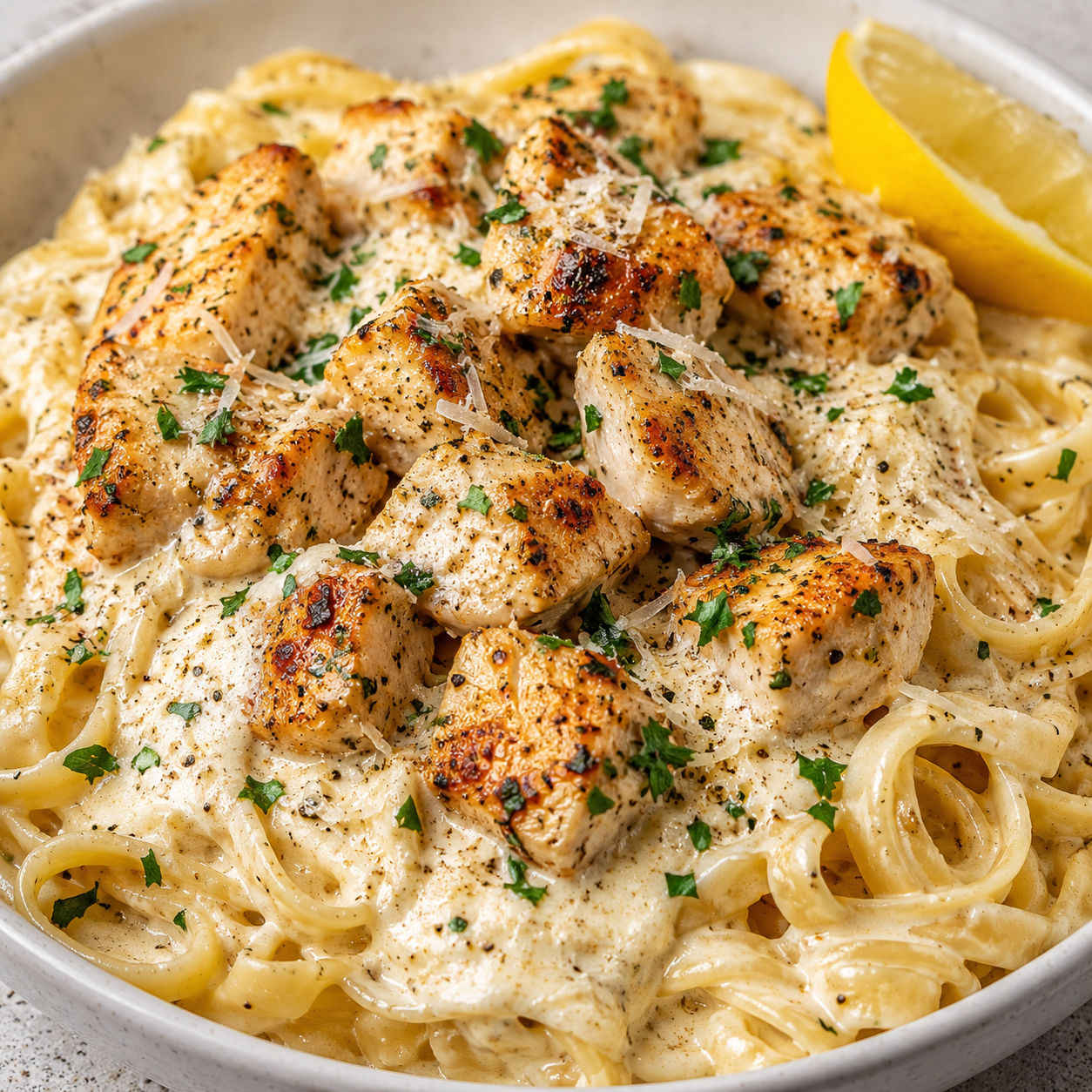
Garlic Butter Chicken with Creamy Ricotta Alfredo Pasta is the kind of dinner that makes a regular weeknight feel less rushed. The chicken gets golden in a hot skillet, then the sauce picks up every browned bit left behind.
Ricotta gives the Alfredo a softer texture than heavy cream alone. It tastes creamy without feeling heavy, especially with parsley and a small squeeze of lemon at the end.
Creamy Pasta Lineup
This recipe works best with simple ingredients that have a clear job. Use whole milk ricotta if you can, and grate the Parmesan yourself so the sauce melts cleanly.
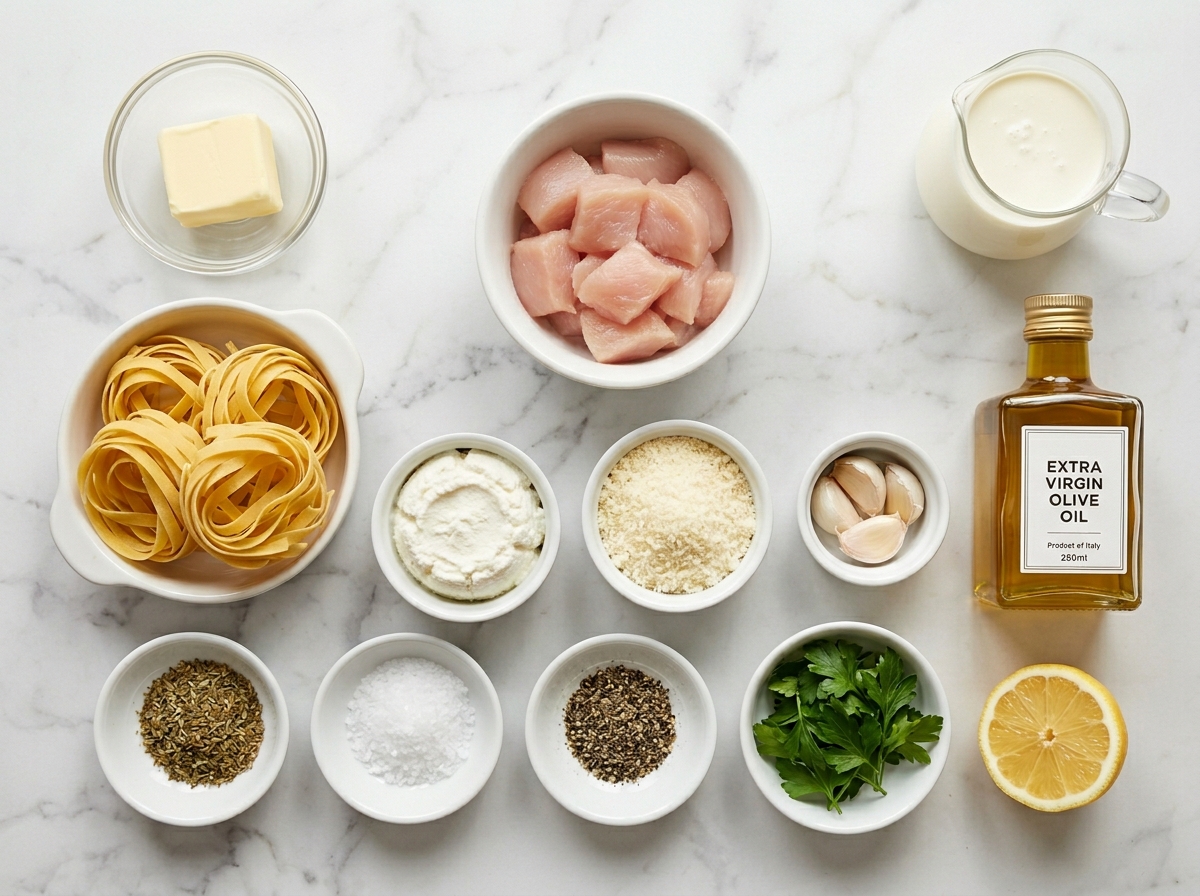
- Chicken breasts. They cook quickly and give the pasta enough protein to feel like a full meal.
- Butter and olive oil. Butter gives the chicken rich flavor while oil helps keep the pan from scorching.
- Fresh garlic. It seasons both the chicken juices and the sauce with a warm, savory bite.
- Italian seasoning. A small amount adds dried herb flavor without taking over the ricotta.
- Fettuccine or penne. Long pasta feels classic, while short pasta catches more sauce and chicken.
- Whole milk ricotta. It makes the Alfredo creamy and slightly fluffy instead of dense.
- Parmesan. Freshly grated Parmesan brings salt, nuttiness, and the familiar Alfredo finish.
- Heavy cream. It loosens the ricotta and helps the sauce coat the pasta smoothly.
- Pasta water. The starchy splash pulls the cheese and butter together into a glossy sauce.
- Parsley and lemon. They brighten the finished dish so the dairy does not taste flat.
Garlic Butter Chicken Ricotta Alfredo Method
- Cook the pasta. Boil the pasta in well-salted water until just al dente. Save a cup of the cooking water before draining.
- Season the chicken. Cut the chicken into bite-size pieces, then coat with garlic powder, Italian seasoning, salt, and black pepper.
- Brown the chicken. Heat butter and olive oil in a large skillet. Sear the chicken until golden and cooked through, about 6-8 minutes, then move it to a plate.
- Start the sauce. Lower the heat and melt more butter in the same pan. Add the fresh garlic and cook for about 30 seconds, just until fragrant.
- Whisk in the cheeses. Add cream, ricotta, and Parmesan. Stir gently until the sauce is smooth, then loosen it with pasta water as needed.
- Toss and finish. Add the pasta and chicken back to the skillet. Toss until coated, then finish with parsley, lemon, and more Parmesan.
The Ricotta Stays Smooth
Ricotta behaves best when it is warmed gently. If the pan is screaming hot, the sauce can look broken before the pasta even hits it. Lower the heat, whisk the ricotta into the cream, then add pasta water a few tablespoons at a time. That starchy water is what turns the mixture from cheesy cream into a sauce that hugs the noodles.
Chicken should be fully cooked before it goes back into the sauce. FoodSafety.gov lists 165°F as the safe minimum internal temperature for poultry, which is a useful check if your pieces are larger. See the safe minimum temperature chart for reference.
Chicken That Browns Fast
Cut the chicken into even pieces and pat it dry before seasoning. Moist chicken steams, and steamed chicken will not give you those browned garlic butter edges. Let the skillet heat for a minute before the chicken goes in, then leave the pieces alone long enough to color on the first side.
If your pan is small, cook the chicken in two batches. Crowding is the fastest way to lose browning. The same skillet method is useful in Creamy Garlic Chicken with Penne Pasta and Garlic Butter Chicken with Creamy Parmesan Pasta Delight, where the sauce also benefits from the browned bits left in the pan.
Easy Swaps That Fit
Boneless thighs make this richer and a little more forgiving. Cottage cheese can stand in for ricotta if you blend it first until smooth. Half-and-half works instead of heavy cream, but the sauce will be thinner, so use less pasta water at the end.
For vegetables, stir in baby spinach during the last minute or add steamed broccoli before serving. If you like a sharper Alfredo, add more Parmesan and a pinch of black pepper. For a similar creamy chicken dinner with vegetables already built in, try Creamy Broccoli Chicken Pasta with Parmesan and Garlic.
Storing Creamy Leftovers
Leftovers keep well for up to three days in an airtight container. The sauce will thicken in the fridge because ricotta firms as it cools. Reheat it slowly in a skillet with a splash of milk, cream, or water, stirring until it relaxes again.
I do not love freezing this one. The chicken is fine, but the ricotta sauce can thaw with a slightly grainy texture. If you need to prep ahead, cook the chicken and grate the Parmesan earlier in the day. Boil the pasta and make the sauce fresh.
Serve It Without Fuss
This pasta is rich, so keep the sides simple. A crisp green salad, roasted asparagus, or lemony green beans all work. Garlic bread is good if you want something cozy, but a bright vegetable helps balance the butter and cheese.
For a pasta night spread, pair it with another creamy favorite like Creamy Shrimp Alfredo Pasta with Parmesan and Garlic. The seafood version feels different enough that the two dishes can share the table without tasting repetitive.
Summary
This ricotta Alfredo chicken pasta is best served right away while the sauce is loose and glossy. Save a little pasta water and keep the heat gentle once the cheese goes in.
FAQs
- Can I use chicken thighs instead of chicken breasts?
Yes. Boneless skinless chicken thighs work well and stay juicy. Cut them into bite-size pieces and cook until browned and at least 165°F in the center.
- How do I keep ricotta Alfredo sauce from turning grainy?
Use whole milk ricotta and lower the heat before whisking it in. A splash of hot pasta water helps the cheese loosen into the sauce instead of clumping.
- What pasta shape works best?
Fettuccine feels classic, but penne, rigatoni, and bowties are easier for scooping up chicken pieces. Choose a shape with ridges or curves if you want extra sauce in every bite.
- Can I make this ahead?
You can cook the chicken and grate the cheese ahead. For the best texture, make the sauce and toss the pasta right before serving since ricotta sauces thicken as they sit.
- How should I reheat leftovers?
Warm leftovers in a skillet over low heat with a splash of milk or water. Stir gently until the sauce loosens. Avoid high heat because it can make the chicken dry and the sauce separate.
- Can I make it lighter?
Use whole milk instead of heavy cream and reduce the butter by a tablespoon. The sauce will be lighter but still creamy because the ricotta adds body.
