 Pin it
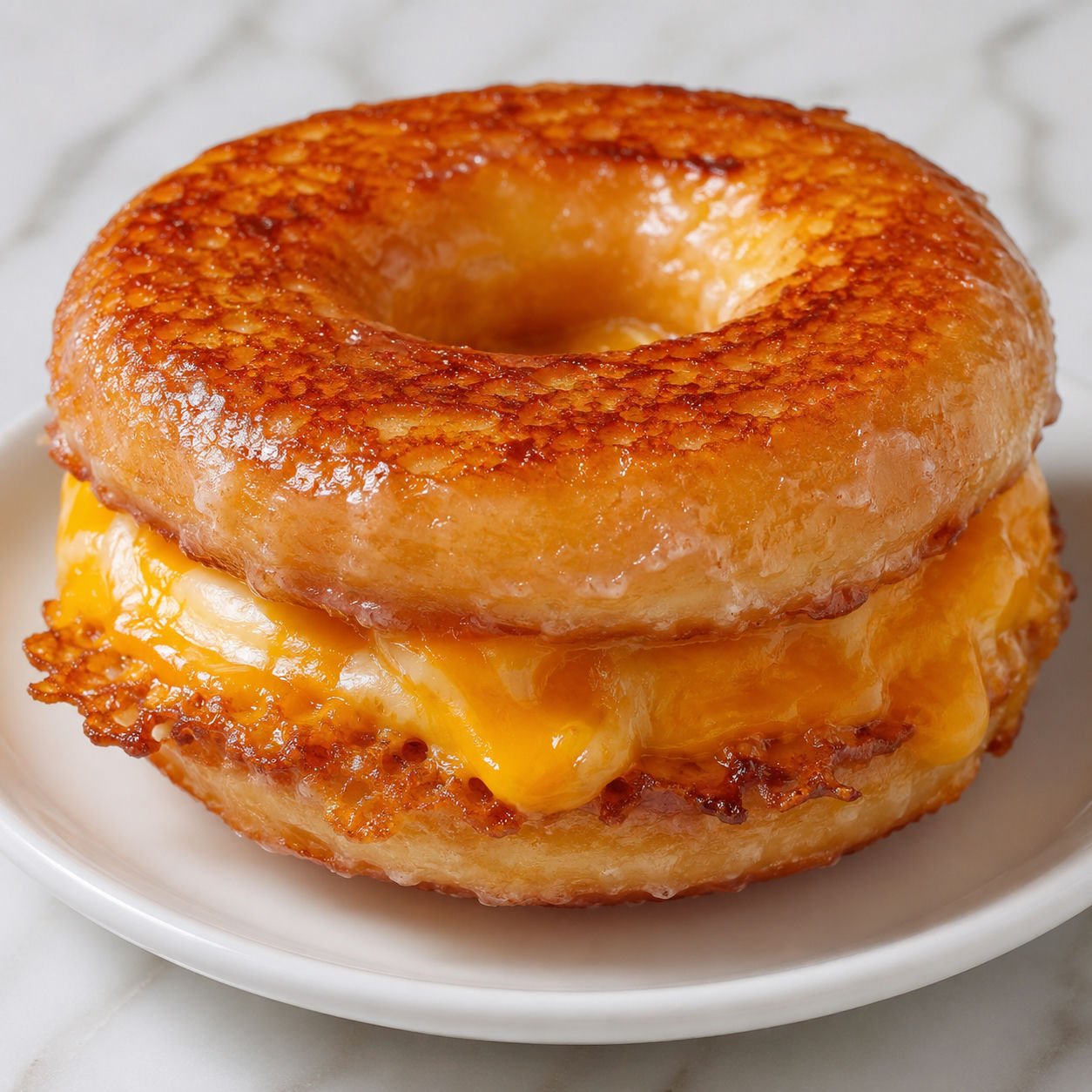
Donut Grilled Cheese sounds like fair food, but it makes more sense after the first bite. The glazed donut gives you a crisp, caramelized outside, while sharp cheddar keeps the filling salty enough to balance the sweetness.
I like this for a lazy brunch or a late-night snack when regular toast feels a little too sensible. The whole thing cooks fast, but the heat needs to stay low so the cheese melts before the sugar gets too dark.
Donut Grilled Cheese Lineup
Use simple ingredients because every flavor is loud here. A fresh glazed yeast donut and a cheese with real salt and tang make the sandwich taste balanced instead of just sugary.
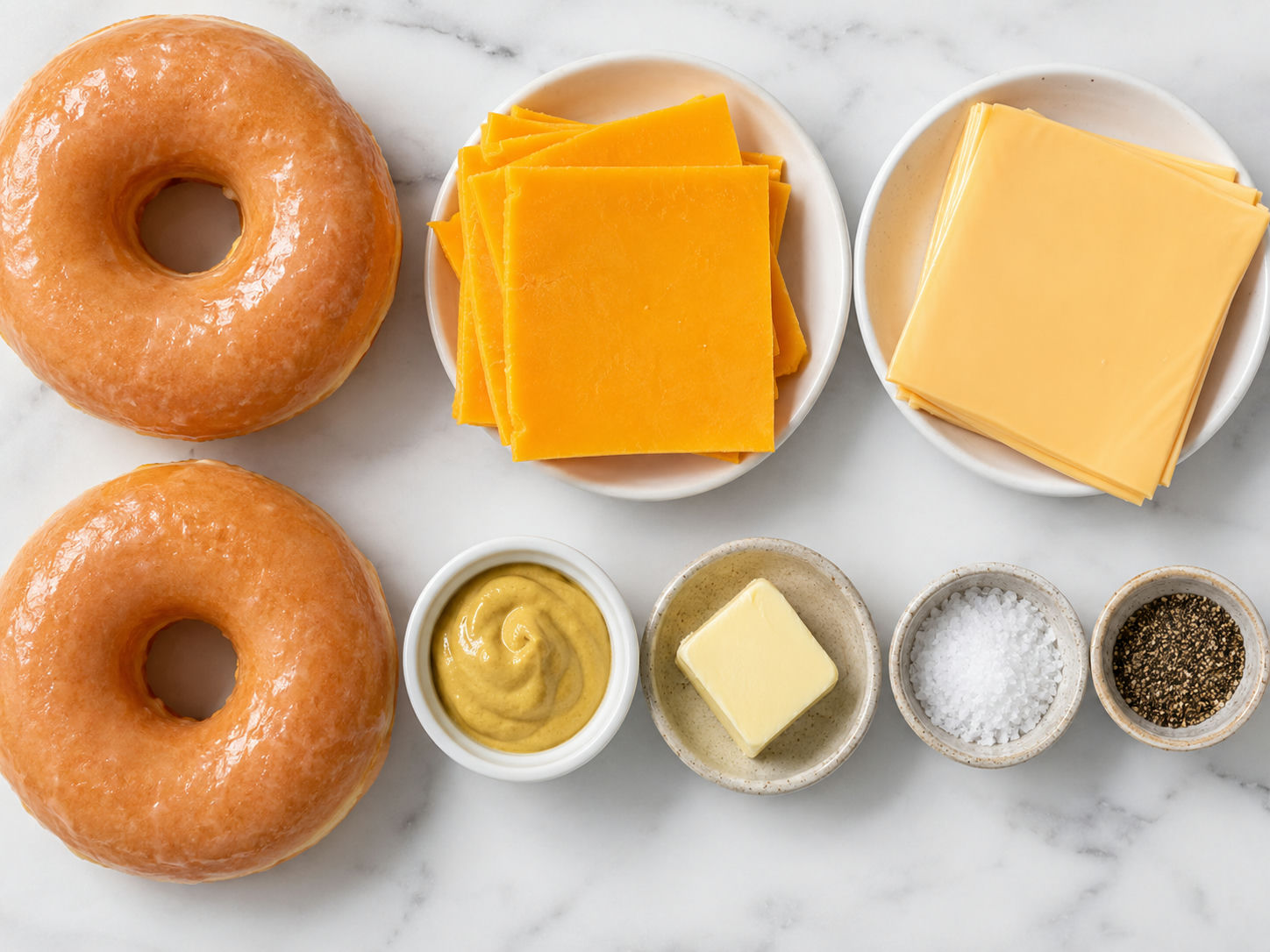
- Glazed yeast donuts. They act like the bread and bring the caramelized, crisp outside that makes this sandwich fun.
- Sharp cheddar. Adds salty bite and keeps the filling from tasting like dessert.
- American cheese. Melts smoothly and helps the cheddar turn creamy.
- Dijon mustard. A tiny swipe cuts through the sweetness without making the sandwich taste mustardy.
- Unsalted butter. Helps the donut brown evenly and gives the skillet a gentle sizzle.
- Kosher salt and black pepper. Just a pinch wakes up the cheese and keeps the glaze in check.
Griddle It Low And Slow
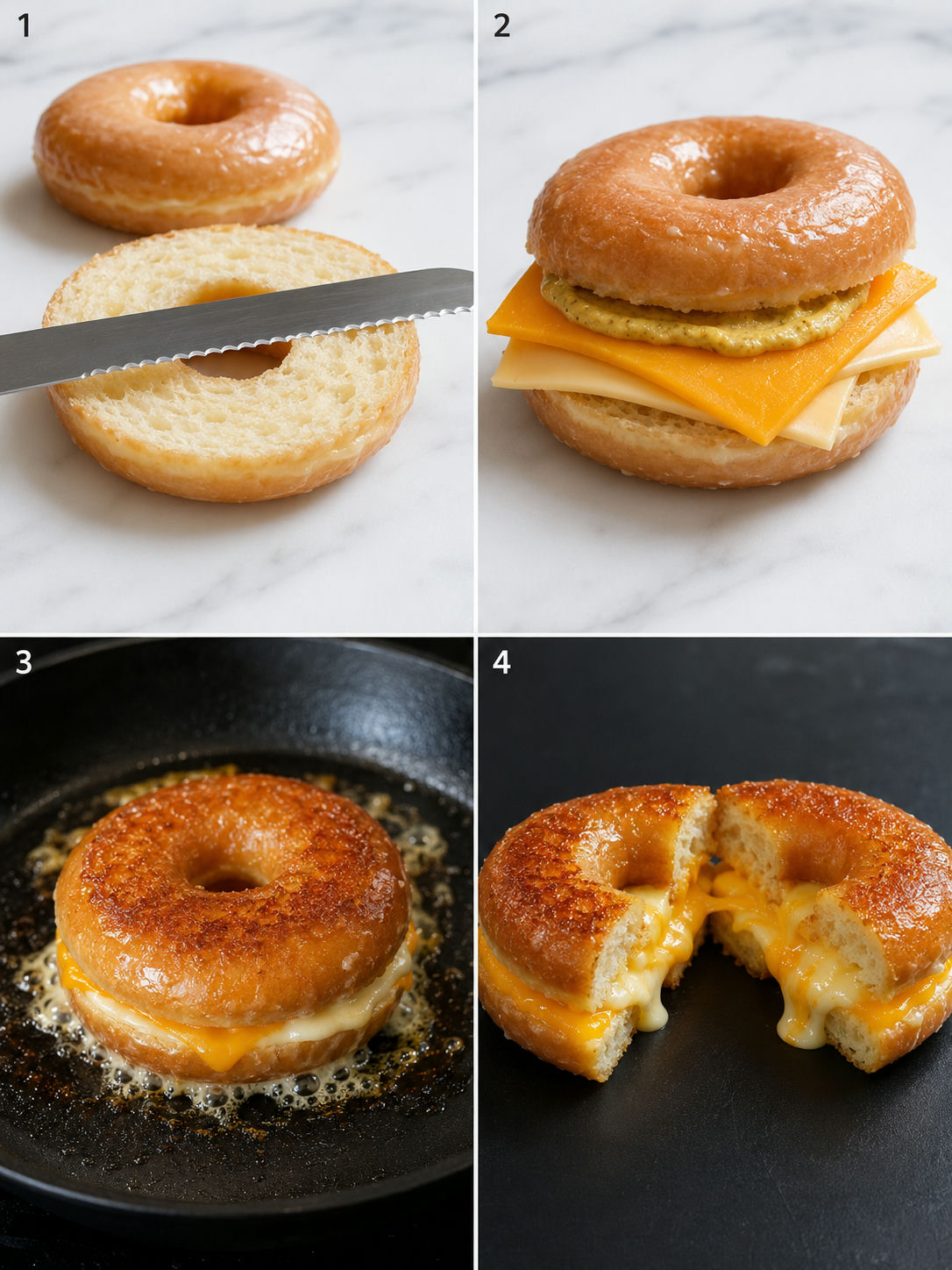
- Split the donuts. Slice each glazed donut horizontally like a bagel, keeping the halves as even as you can so they sit flat in the pan.
- Build the sandwiches. Spread a thin smear of Dijon on the cut side of each bottom half, then layer cheddar and American cheese inside.
- Warm the skillet. Melt a little butter over medium-low heat. The butter should foam gently, not brown hard.
- Toast the first side. Add the sandwiches, press lightly with a spatula, and cook for 2-3 minutes until the glaze turns glossy and deep golden.
- Flip and melt. Turn carefully, press again, and cook 2-3 minutes more until the cheese is fully melted.
- Rest briefly. Move to a board for 1 minute so the cheese settles, then serve while the edges are still crisp.
Why The Donut Matters
A glazed yeast donut works because it already has fat, sugar, and a tender crumb. In the skillet, the glaze heats fast and makes a thin crackly shell. The inside stays soft, almost like brioche. That contrast is the whole point of Donut Grilled Cheese.
Regular grilled cheese relies on buttered bread for browning. Here, the donut brings its own sugar, so the pan has to be cooler. This is the same slow-and-steady idea many grilled cheese cooks use for even melting, and Serious Eats grilled cheese testing backs up how much controlled heat matters for a crisp outside and melted center.
Cheese Choices That Melt
Sharp cheddar gives the sandwich its backbone. It has enough bite to stand up to the glaze, but it can melt a little unevenly on its own. That is why a slice of American cheese helps. It smooths the center and gives you the pull people want from a grilled cheese.
If you want a stronger cheese board flavor, swap one cheddar slice for brie and keep the American cheese for melt. For another sweet-savory route, the fruit and cheese pairing in blueberry brie grilled cheese works with the same logic. If you want something more classic before trying the donut version, ridiculously cheesy buttery grilled cheese is the safer weeknight cousin.
Keep The Glaze Golden
The biggest mistake is treating this like a normal sandwich. A donut has more sugar on the surface than bread, so high heat will scorch it before the cheese softens. Start at medium-low, then adjust down if the first side darkens too quickly.
A heavy skillet helps because it holds steady heat. Press with a spatula, but do not smash. You want contact with the pan, not a flattened donut. If a little cheese leaks out, let it crisp at the edge before you lift the sandwich. Those browned cheese bits are a good thing.
Smart Sweet-Savory Add-Ins
Keep add-ins thin. Thick fillings stop the cheese from touching the donut, and then the center stays cold. A little cooked bacon, a few pickled jalapenos, or a thin swipe of pepper jelly all work. Skip wet tomatoes or anything that releases water.
If bacon and maple are what pulled you here, try the bigger brunch-style donut grilled cheese with bacon maple. For a savory version with no sweet glaze, garlic bread grilled cheese has the same crisp-edge comfort without the donut shop mood.
Storage And Reheating
This sandwich is at its best right away. The donut softens as it sits, and the cheese firms once it cools. If you do have leftovers, wrap them and refrigerate within 2 hours, following the USDA leftovers guidance.
Reheat in a dry skillet over low heat until the cheese loosens again. Avoid the microwave if you can. It warms the filling fast, but it turns the glazed outside soft and chewy.
Summary
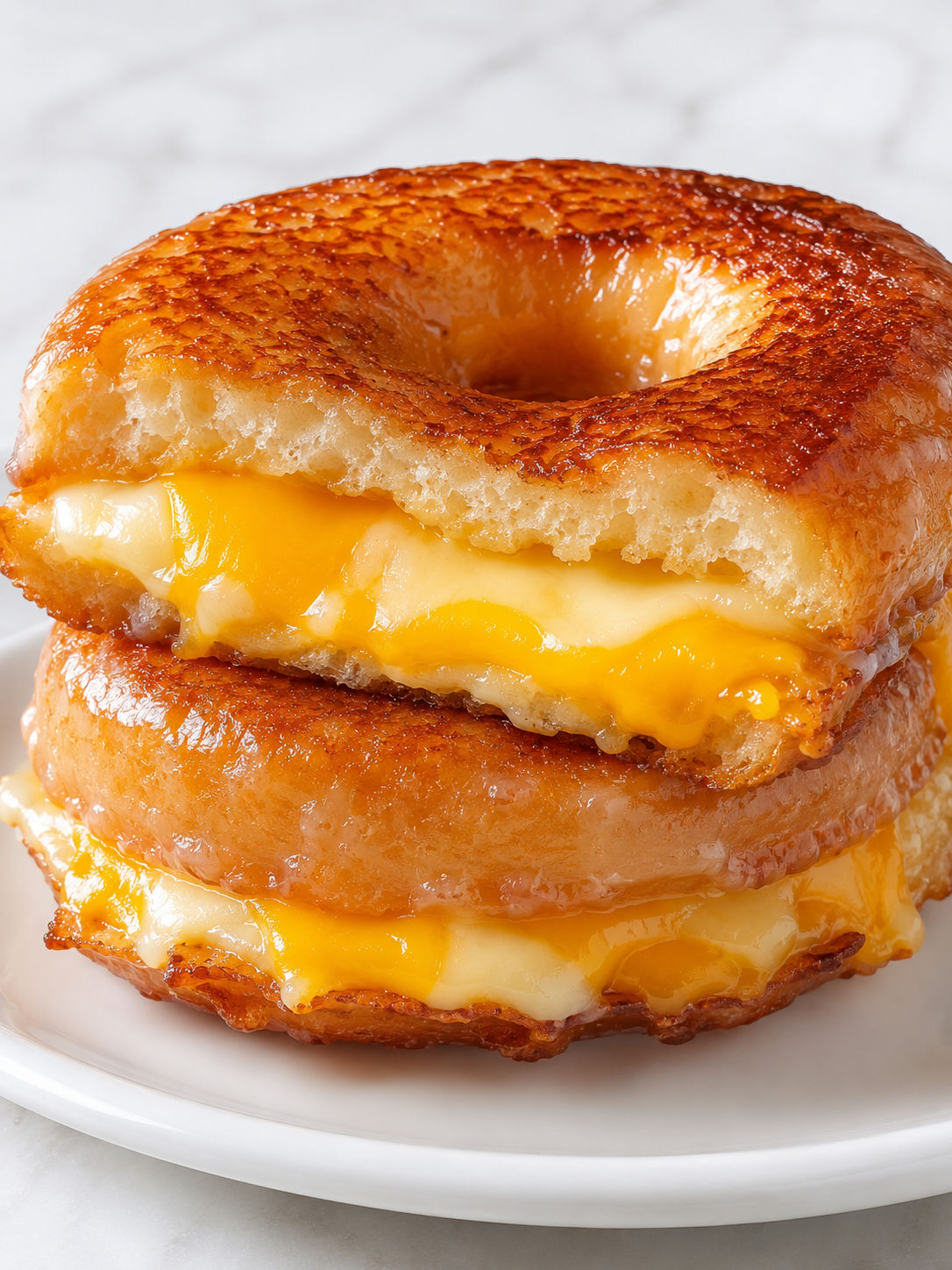
This Donut Grilled Cheese is best eaten hot from the skillet, when the donut is crisp at the edges and the cheese is still stretchy.
FAQs
- What kind of donut is best for Donut Grilled Cheese?
A plain glazed yeast donut works best. It is soft enough to press around the cheese, and the glaze caramelizes in the pan without adding frosting, sprinkles, or heavy toppings that can burn.
- Can I use cake donuts instead?
You can, but the sandwich will be denser and more crumbly. If you use cake donuts, cook over even lower heat and press very gently so they do not crack apart.
- What cheese melts best here?
American cheese melts the easiest, while sharp cheddar gives the sandwich better flavor. I like using both so the center gets creamy without tasting flat.
- How do I keep the donut from burning?
Use medium-low heat and give the pan a minute to settle before the sandwich goes in. If the glaze smells smoky or gets dark in under a minute, the skillet is too hot.
- Can I make this ahead?
This is best cooked right before serving. You can slice the donuts and stack the cheese ahead, then grill the sandwiches when everyone is ready to eat.
- What goes well with donut grilled cheese?
Serve it with hot coffee, fresh berries, or a simple fruit salad. For a bigger brunch plate, add scrambled eggs or salty breakfast potatoes on the side.
