 Pin it
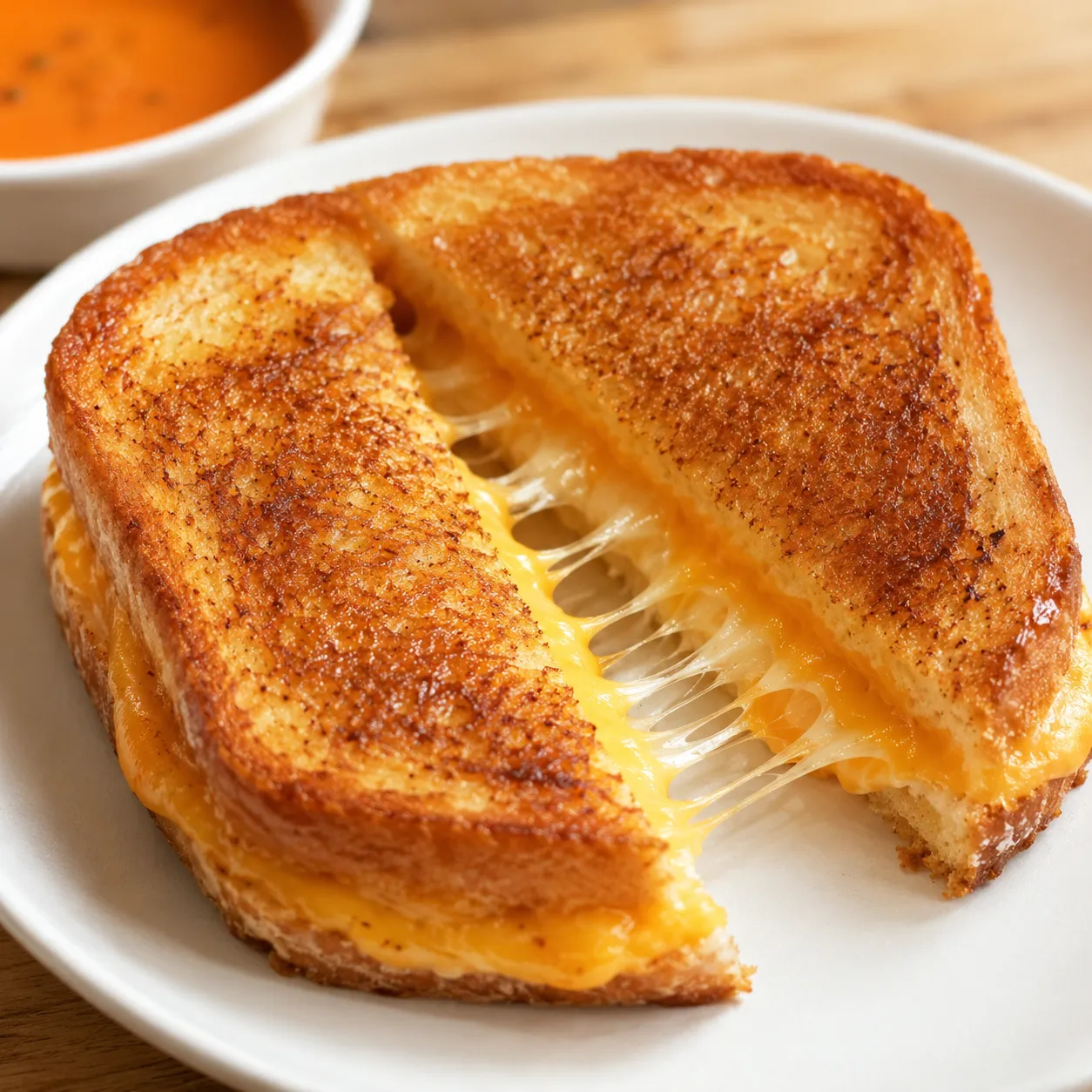
A classic grilled cheese sandwich should crackle when you bite it, then give way to warm, melted cheese. The good news is that you do not need a special pan or fancy bread to get there.
The small detail that matters most is heat control. Medium-low heat gives the cheese time to melt while the bread browns evenly instead of scorching in patches.
Bread, Butter, Cheese
Use bread that is soft enough to toast quickly and cheese that melts without a fight. Let the butter soften first so it spreads cleanly to every corner.
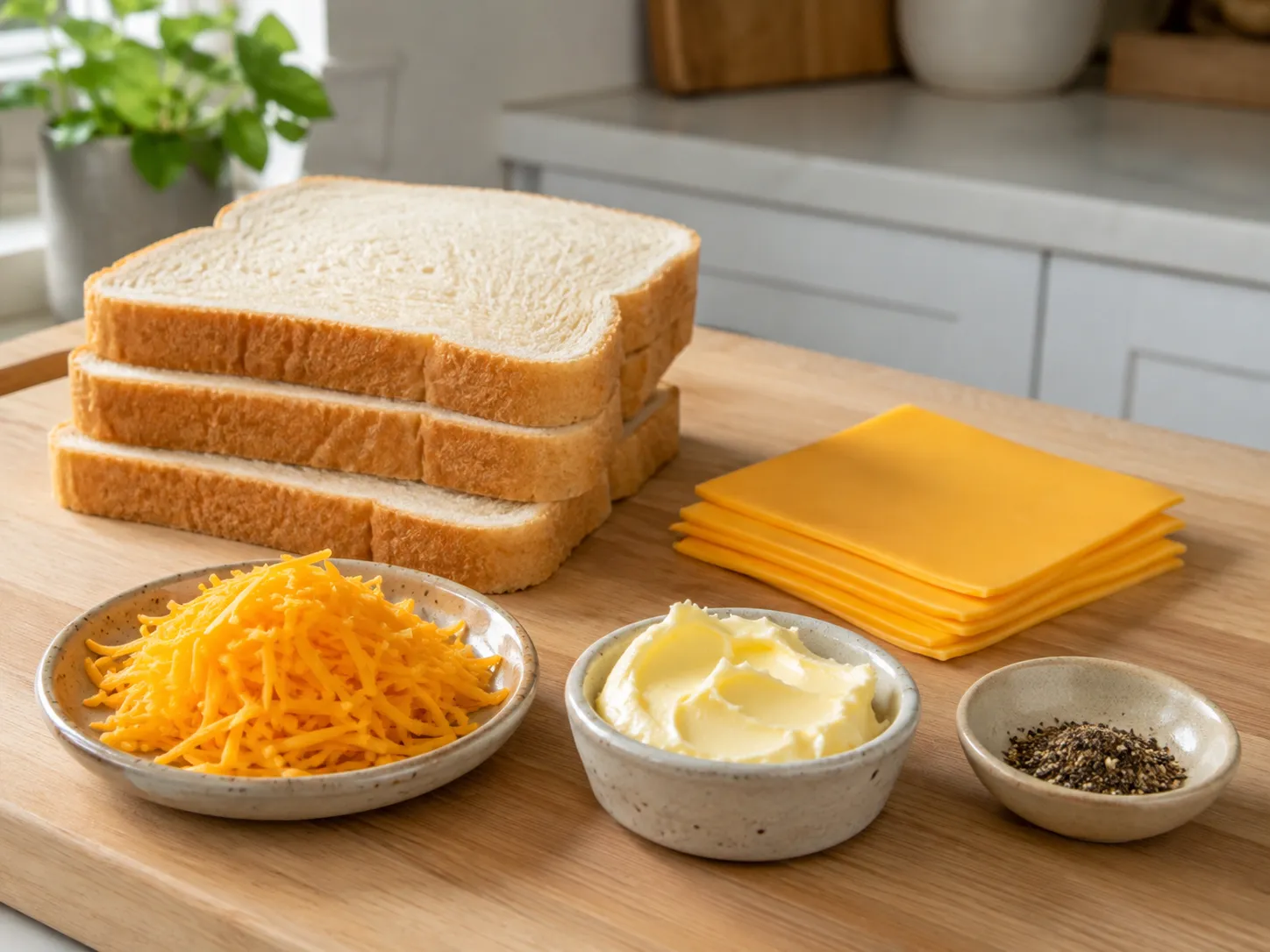
- White sandwich bread. Toasts evenly and gives the sandwich its familiar tender middle with crisp edges.
- American cheese. Melts into the smooth, stretchy center people expect from a classic grilled cheese.
- Mild cheddar. Adds a little sharper flavor without making the filling grainy.
- Unsalted butter. Browns the bread and gives the crust its rich, old-school flavor.
- Black pepper. Optional, but a tiny pinch keeps the cheese from tasting flat.
Classic Grilled Cheese Sandwich Method
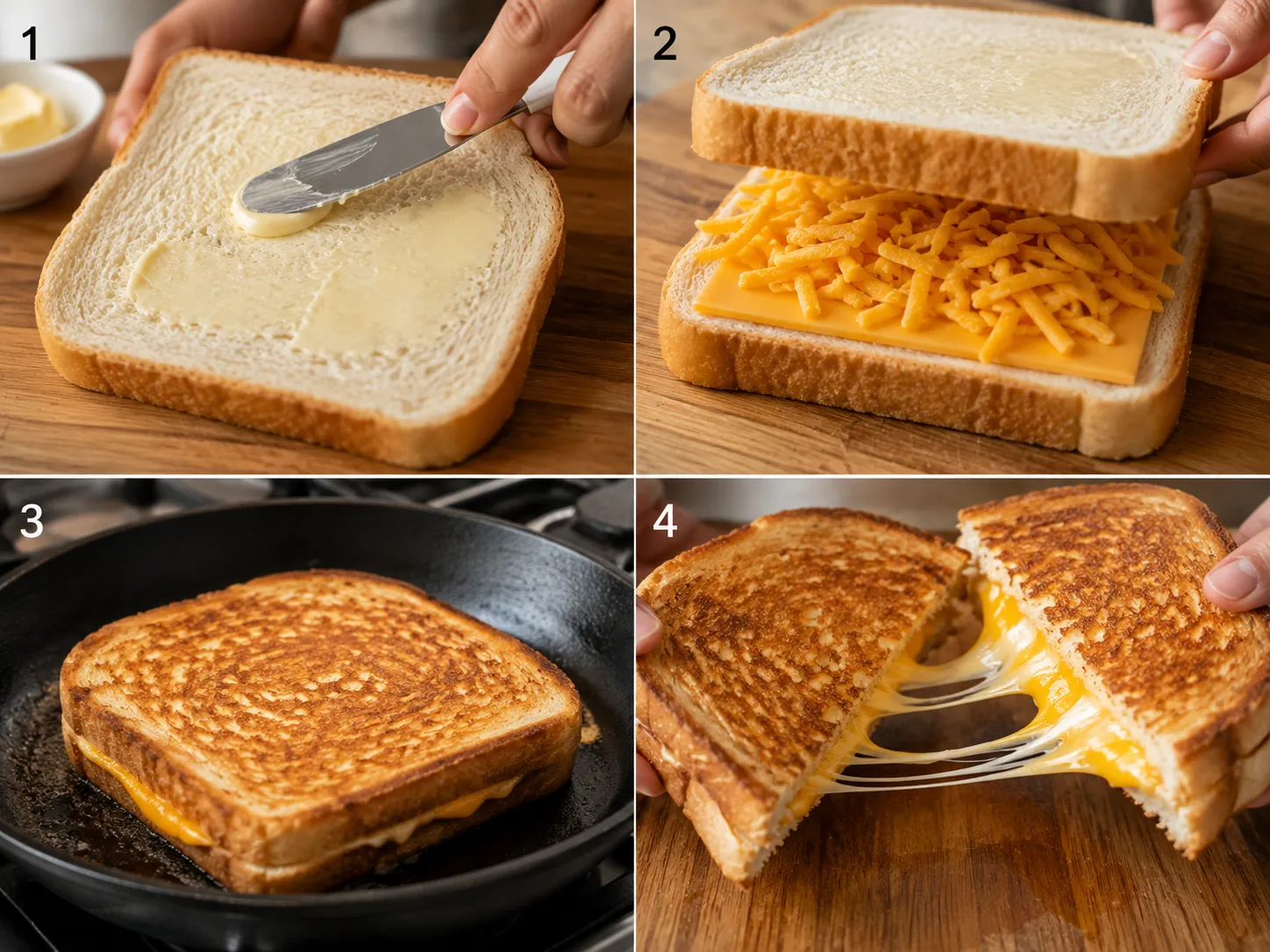
- Warm the skillet. Set a nonstick or cast-iron skillet over medium-low heat for a minute so the bread browns evenly.
- Butter the bread. Spread softened butter over one side of each bread slice, right to the edges.
- Build the sandwiches. Place two slices buttered-side down, layer with American cheese and cheddar, then close with the remaining bread buttered-side up.
- Cook the first side. Cook for 3-4 minutes until the underside is golden. Cover the pan if the cheese needs help melting.
- Flip and finish. Turn the sandwiches and cook for 2-3 minutes more, pressing lightly once, until the cheese is melted and the bread is crisp.
- Rest and slice. Move to a board for 1 minute, then cut while the cheese is still hot and stretchy.
The Heat Matters Most
Grilled cheese punishes impatience. If the skillet is too hot, the bread races to dark brown while the cheese stays stubborn in the middle. Medium-low heat feels slow for the first minute, then it pays off with a crust that is crisp all the way across.
A lid helps when your cheese slices are thick or cold from the fridge. Cover the pan for 60-90 seconds after the first side starts browning. The trapped heat softens the cheese without making the bread soggy.
Pick Cheese That Actually Melts
American cheese is not fancy, but it melts cleanly and gives the sandwich that glossy pull. Mild cheddar brings better flavor, especially when grated. The MyPlate dairy guide is a useful reminder that cheese sits in the dairy group, so richer sandwiches are best balanced with lighter sides.
Avoid thick blocks unless you grate them first. Thin slices melt faster and more evenly. Sharp aged cheddar tastes good, but it can turn oily if you use too much on its own.
Bread Choices That Work
Soft white bread gives the most classic result. Potato bread is a little sweeter and browns beautifully. Sourdough works too, but keep the slices moderate so the cheese does not get trapped inside a thick shell.
Bread belongs to the grains group, and the MyPlate grains guide explains the difference between refined and whole grains. Whole wheat can be used here, but choose a soft sandwich loaf rather than a dense seeded slice.
Small Swaps, Same Comfort
For a diner-style sandwich, use all American cheese. For more flavor, keep one slice American and add grated cheddar, Monterey Jack, or provolone. A thin smear of Dijon inside is good with cheddar, but keep it light so it does not take over.
You can add tomato, but pat the slices very dry first. Wet fillings soften the bread. If you add bacon or ham, warm it before building the sandwich so the cheese still melts on schedule.
Serve It While It Crackles
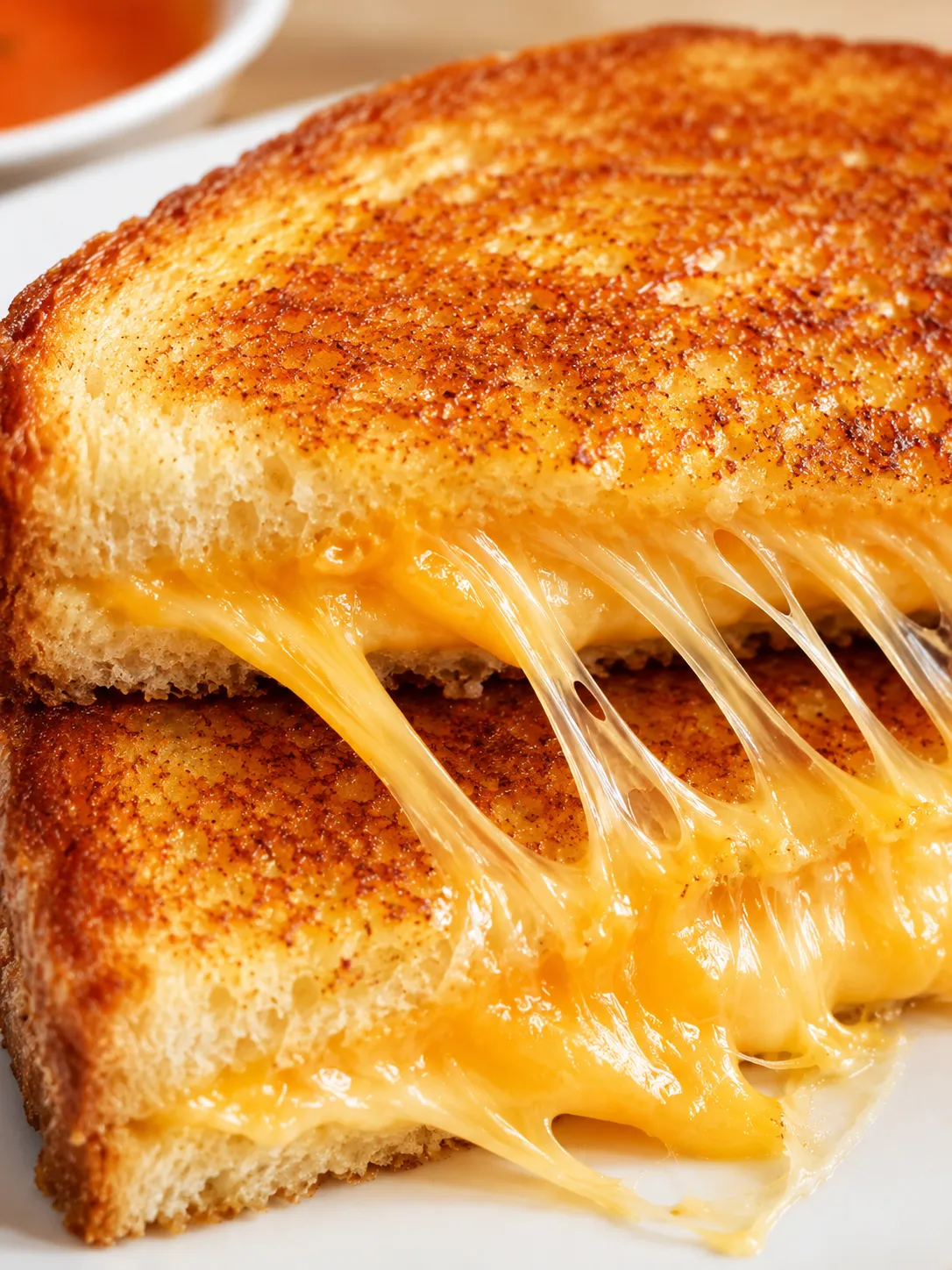
The sandwich is at its best right after a short rest. That minute lets the cheese settle just enough so it does not flood out at the first cut. Then serve it with tomato soup, dill pickles, apple slices, or a cold crunchy salad.
If you do have leftovers, chill them promptly. The FoodSafety.gov cold storage chart is a reliable place to check general refrigerator timing. Reheat grilled cheese in a skillet, not the microwave, if you want the crust back.
Summary
This skillet grilled cheese is crisp, buttery, and built for a quick lunch with tomato soup, pickles, or a simple salad.
FAQs
- What cheese melts best in a classic grilled cheese sandwich?
American cheese melts the smoothest, which is why it works so well in a classic grilled cheese sandwich. A little mild cheddar adds sharper flavor, but use it grated or thinly sliced so it melts before the bread gets too dark.
- Can I use sourdough instead of white bread?
Yes. Sourdough makes a sturdier sandwich with a tangier flavor. Choose slices that are not too thick, since very thick bread can brown before the cheese has a chance to melt.
- Should I use butter or mayonnaise on grilled cheese?
Butter gives the classic flavor and a rich golden crust. Mayonnaise browns easily and can be used if you like it, but this version stays with softened butter for a traditional taste.
- Why is my cheese not melting?
Your heat is probably too high, or the cheese is too thick. Cook over medium-low heat and cover the skillet for a minute or two to trap gentle heat around the sandwich.
- How do I store and reheat leftovers?
Grilled cheese is best right away, but leftovers can be refrigerated in an airtight container. Reheat in a dry skillet over low heat so the bread crisps again and the cheese warms without getting greasy.
- What should I serve with grilled cheese?
Tomato soup is the classic pairing because the acidity cuts through the richness. Pickles, sliced apples, coleslaw, or a green salad also work well beside the buttery sandwich.
