 Pin it
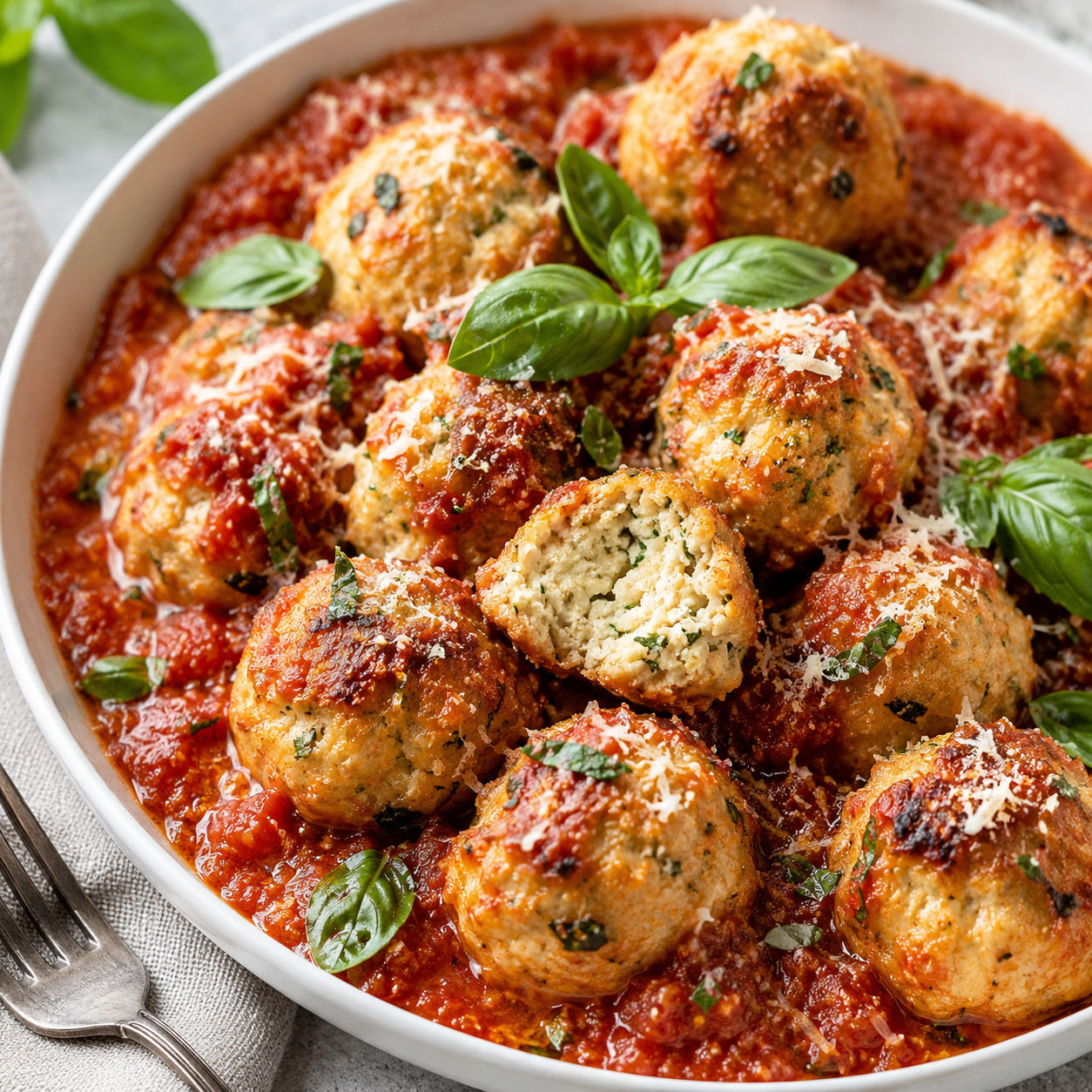
Chicken Ricotta Meatballs are what I make when I want meatballs that feel lighter but still taste rich. The ricotta keeps the ground chicken soft, and parmesan adds the salty, savory edge chicken needs.
This version bakes on a sheet pan, so there is no stovetop splatter. I like them with warm marinara and basil, but they also tuck into rolls, sit over pasta, or work as a protein for bowls.
The Tender Meatball Lineup
Choose ground chicken with a little fat if you can find it. Whole-milk ricotta is worth using here because watery low-fat ricotta can make the mixture loose.
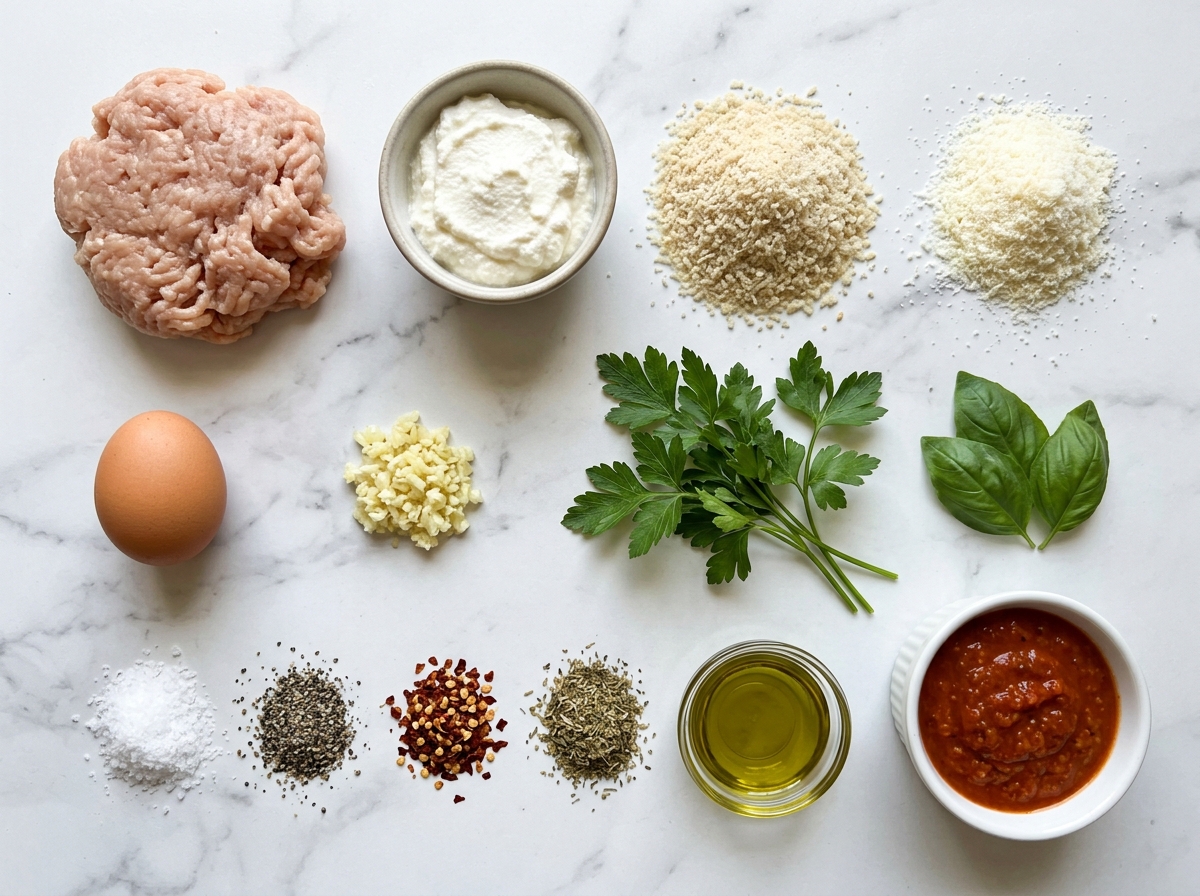
- Ground chicken. The mild base of the meatballs. Dark meat or a blend gives the juiciest bite.
- Whole-milk ricotta. Keeps the center soft and creamy without making the meatballs taste heavy.
- Parmesan. Adds salt, depth, and a little structure as the meatballs bake.
- Panko breadcrumbs. Absorbs extra moisture and helps the meatballs hold their shape.
- Egg. Binds the mixture so each meatball stays together on the sheet pan.
- Garlic and Italian seasoning. Give the chicken a warm, familiar meatball flavor.
- Parsley and basil. Fresh herbs brighten the ricotta and finish the dish.
- Marinara sauce. Adds acidity and keeps the baked meatballs saucy at the table.
Bake Chicken Ricotta Meatballs
- Heat the oven. Set the oven to 425°F and line a rimmed baking sheet with parchment. A hot oven gives the meatballs color before they dry out.
- Mix the binders first. Stir ricotta, egg, parmesan, panko, garlic, herbs, salt, pepper, and seasoning in a large bowl. This keeps you from overworking the chicken later.
- Add the chicken gently. Fold in the ground chicken with a fork or your hands just until no dry pockets remain. Stop as soon as the mixture looks even.
- Shape the meatballs. Use damp hands or an oiled scoop to make about 20 meatballs. Place them on the baking sheet with space between each one.
- Bake until golden. Brush lightly with olive oil and bake 18-20 minutes, turning once, until browned and 165°F in the center.
- Sauce and serve. Warm marinara in a skillet, add the meatballs, and spoon sauce over the top for a few minutes. Finish with basil and extra parmesan.
Why Ricotta Changes Everything
Ground chicken can go from juicy to tight fast. Ricotta helps by adding moisture and fine dairy solids that soften the texture. You still need breadcrumbs and egg, but not a heavy amount. Too many crumbs make chicken meatballs taste bready.
The best move is mixing the ricotta, egg, parmesan, and crumbs before the chicken goes in. That gives you an even binder without kneading the meat. If you like creamy chicken dinners, the same ricotta trick is useful in Garlic Butter Chicken Ricotta Alfredo.
Getting Clean, Round Shapes
The mixture should feel soft, not dry like beef meatballs. That is normal. If it feels impossible to handle, chill it for 10-15 minutes before scooping. Wet hands help more than extra breadcrumbs, which can steal the tender texture you are trying to keep.
A 2-tablespoon scoop makes dinner-size meatballs that cook evenly. Smaller ones are better for appetizers. For another chicken meatball dinner with a brighter sauce, try Greek Chicken Meatballs Tzatziki.
Sauce, Pasta, Or Subs
Marinara is the easiest finish because its acidity balances the ricotta and parmesan. Warm the sauce separately, then add the baked meatballs for just a few minutes. Long simmering can make chicken meatballs lose their delicate texture.
For pasta night, spoon them over spaghetti, rigatoni, or buttered noodles. For subs, split soft rolls, add meatballs and sauce, then broil with mozzarella until melted. If you want a richer plate, serve them beside Homemade Chicken Alfredo Pasta and keep the marinara on the side.
Swaps That Still Taste Right
Ground turkey is the closest swap. Use turkey thigh if you can, since turkey breast can be lean and springy. Pecorino works in place of parmesan, but use a little less because it is saltier. Fresh basil can become parsley, and Italian seasoning can become a pinch of oregano with a little dried thyme.
For gluten-free meatballs, use gluten-free panko. For a lower-carb version, use almond flour instead of panko, but start with 1/3 cup because it absorbs differently.
Storing Without Drying Them Out
Store cooked meatballs with a little sauce in an airtight container for up to 4 days. Reheat them gently in a covered skillet over low heat. Add a splash of water if the sauce looks thick.
They freeze well after baking. Cool them fully, freeze on a tray, then move them to a freezer bag. Reheat from frozen in simmering marinara or thaw overnight first. For another freezer-friendly meatball idea, save adobo chicken meatballs for a different flavor night.
Summary
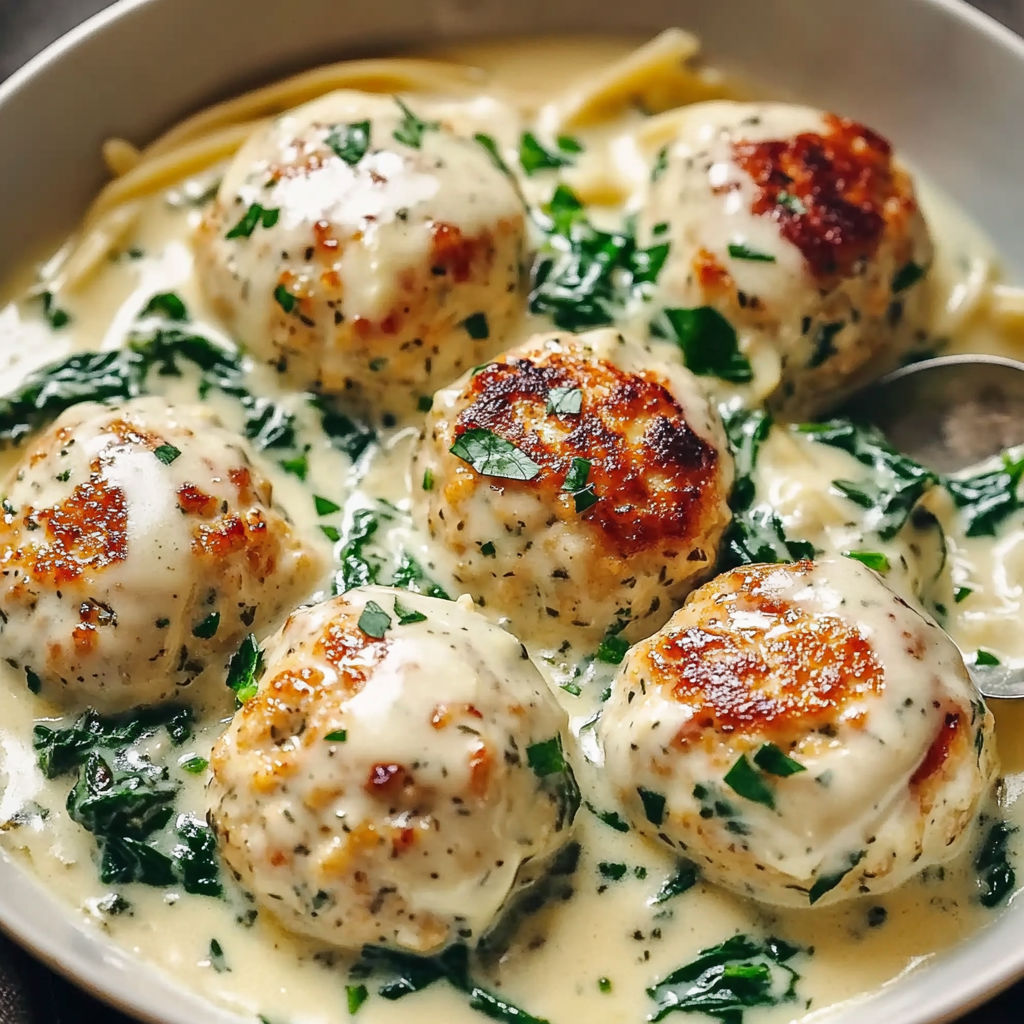
These baked meatballs are tender, simple, and flexible enough for pasta, subs, or make-ahead dinners.
FAQs
- Can I make chicken ricotta meatballs ahead of time?
Yes. Shape the meatballs up to a day ahead and keep them covered in the fridge. Bake them straight from the fridge and add 1-2 extra minutes if needed.
- Can I use ground turkey instead of ground chicken?
Ground turkey works well, especially dark-meat turkey. If you use very lean turkey breast, add a teaspoon of olive oil to the mix so the meatballs stay moist.
- Why are my chicken meatballs sticky?
Ground chicken is naturally soft, and ricotta makes the mixture even more tender. Chill the mixture for 10 minutes, wet your hands, or use a lightly oiled scoop to portion it cleanly.
- How do I know when chicken ricotta meatballs are done?
The outside should be lightly browned and the center should reach 165°F on an instant-read thermometer. Cutting one open also helps. It should be opaque and juicy, not pink or dry.
- Can these be gluten-free?
Yes. Use gluten-free panko or crushed gluten-free crackers in the same amount. The texture will still be soft because the ricotta does most of the moisture work.
- What should I serve with them?
Serve them with marinara and spaghetti, tuck them into toasted rolls, or add them to a green salad with lemony dressing. They are also good with roasted vegetables and garlic bread.
