 Pin it
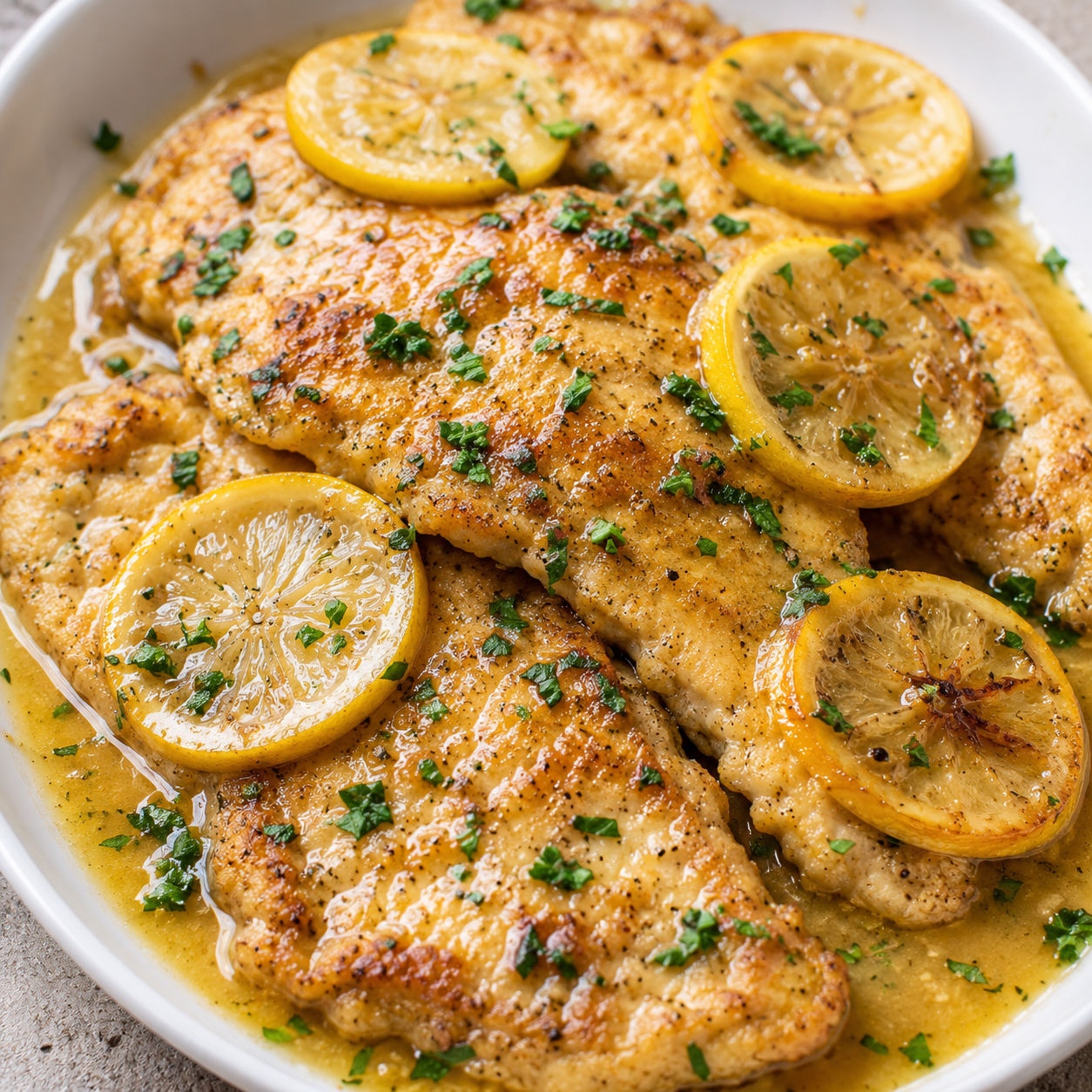
Chicken Francese is the kind of dinner that feels restaurant-worthy without asking much from you. The cutlets are soft and golden, not crunchy, with a delicate egg coating that soaks up the lemon butter sauce.
I like it best when the sauce is bright enough to wake everything up but still rich from butter and pan drippings. Serve it with pasta, rice, mashed potatoes, or a simple green vegetable and let the sauce do the heavy lifting.
Lemony Chicken Francese Lineup
This recipe uses a short list, so each ingredient matters. Choose thin chicken cutlets, fresh lemons, and a dry white wine you would not mind sipping.
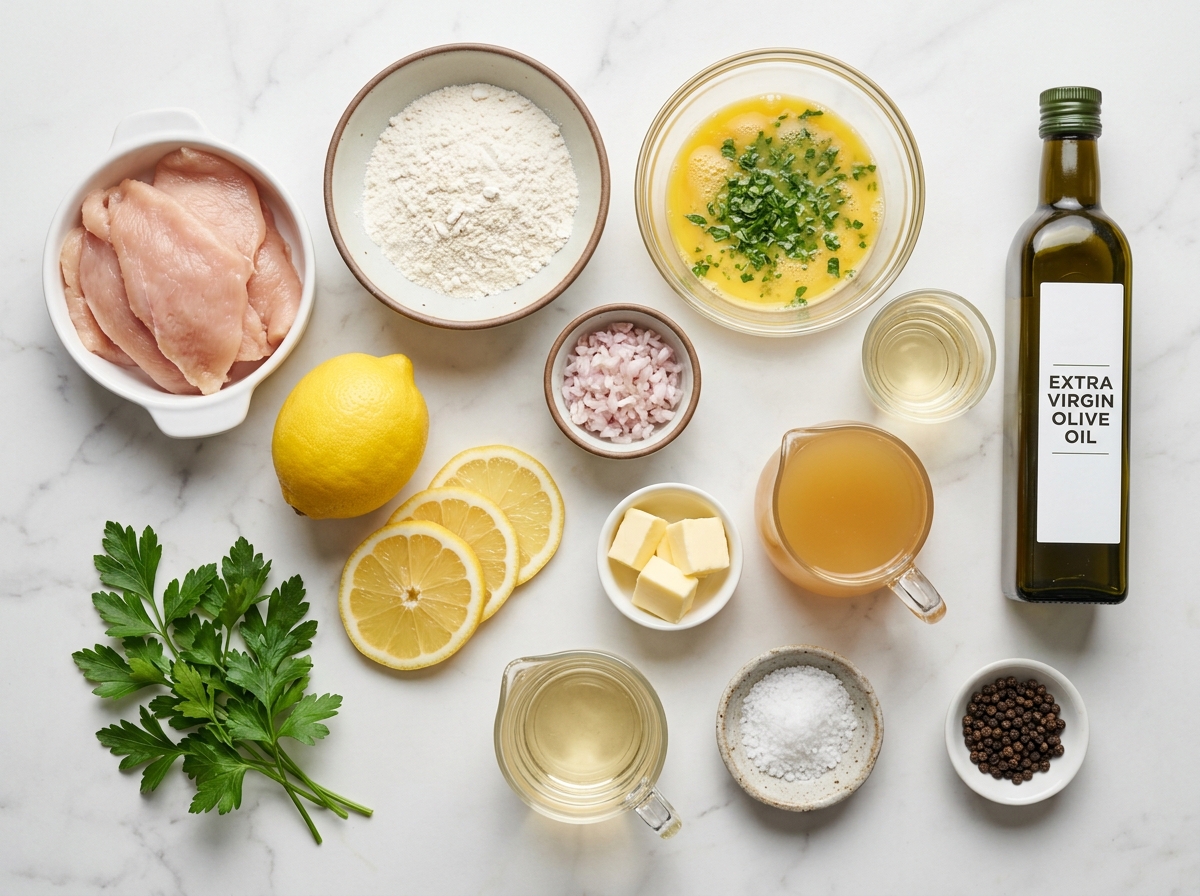
- Chicken cutlets. Thin pieces cook quickly and stay tender under the egg coating.
- All-purpose flour. Helps the egg cling to the chicken and lightly thickens the sauce later.
- Eggs. Create the soft golden coating that makes Francese different from a breaded cutlet.
- Olive oil and butter. Oil handles the heat while butter gives the sauce its round flavor.
- Dry white wine. Deglazes the skillet and adds acidity behind the lemon.
- Chicken stock. Builds enough sauce to spoon over the chicken and any sides.
- Fresh lemon. Lemon juice and slices keep the dish bright and fragrant.
- Parsley. Adds color and a clean finish right before serving.
Pan-Fry, Sauce, Simmer
- Set up the coating. Season the chicken, whisk the eggs with parsley, and place flour in a shallow dish so you can move quickly.
- Coat the cutlets. Dredge each piece in flour, shake off the extra, then dip it in egg and let the excess drip away.
- Pan-fry in batches. Cook the chicken in hot oil and butter until lightly golden, about 3-4 minutes per side, then move it to a plate.
- Build the sauce. Soften the shallot, add wine and stock, and scrape the browned bits from the skillet while the liquid reduces.
- Finish with lemon butter. Whisk in butter dusted with flour, add lemon slices and juice, then simmer until glossy.
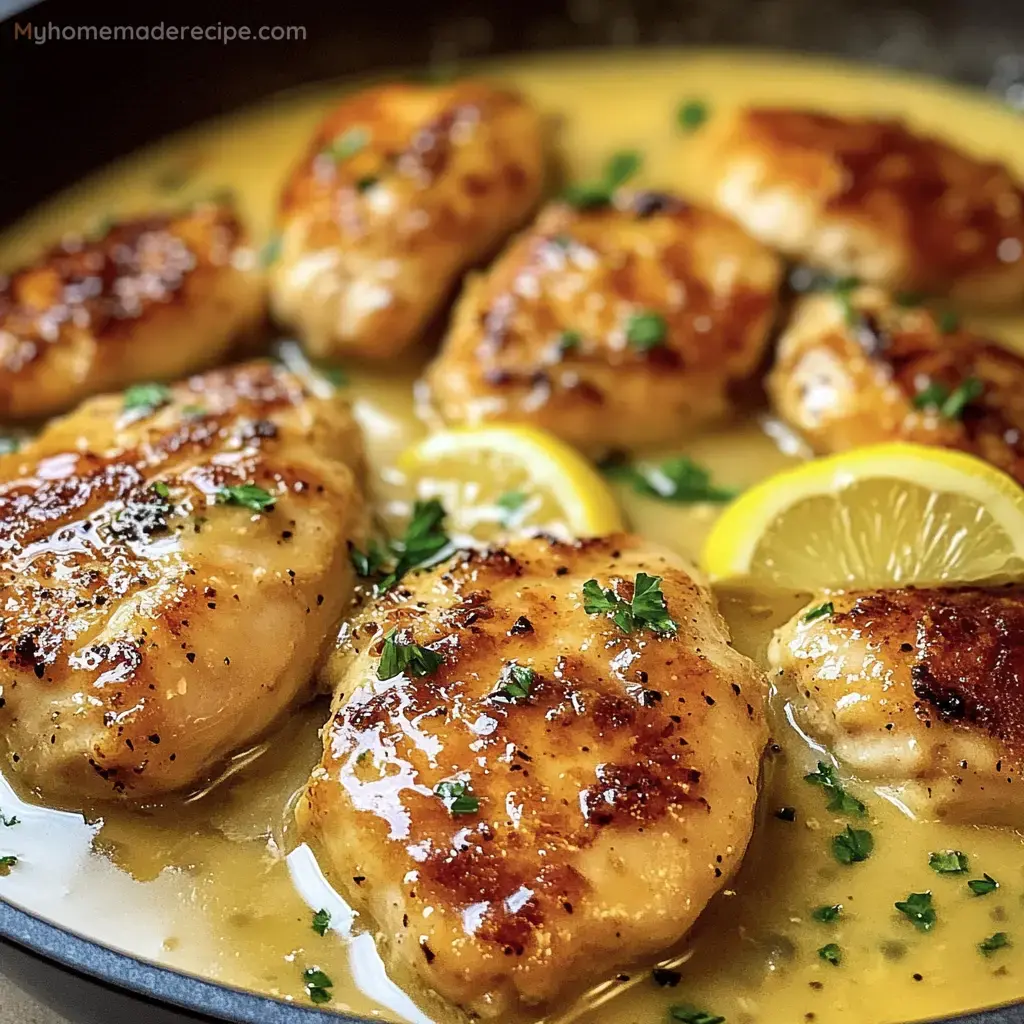
- Return the chicken. Nestle the cutlets back into the sauce for 2-3 minutes until hot and coated. Finish with parsley.
Keep The Coating Tender
Chicken Francese should not eat like a crunchy fried cutlet. The coating is softer because the chicken goes through flour first and egg second. That egg layer browns gently and then drinks in the sauce. If you want a crisp dinner, make Italian basil chicken cutlets another night. Here, tenderness is the point.
The biggest mistake is crowding the pan. Too many cutlets drop the heat and make the coating stick. Use a large nonstick or stainless skillet and cook in batches. Add a little more oil and butter between batches if the pan looks dry. If the browned bits get too dark, wipe the skillet before starting the sauce. Deep brown tastes savory. Black specks taste bitter.
Chicken Francese Sauce Rhythm
The sauce starts with the pan drippings, shallot, wine, and stock. Let that mixture boil until it reduces enough to taste concentrated. If you add the chicken back too soon, the sauce will be thin and the coating can turn soggy before the flavor develops.
Butter gives the sauce body. Tossing the butter cubes with a little flour before whisking them in helps the sauce thicken without making it pasty. Add the lemon juice near the end and taste before serving. Lemons vary a lot. Some need a second squeeze. Some already bring enough bite. For another bright chicken dinner with a cleaner skillet style, try lemon chicken asparagus stir-fry.
Swaps That Cook Cleanly
If you do not cook with alcohol, use 2 cups of low-sodium chicken stock in place of the wine and stock mixture. A teaspoon of white wine vinegar can help mimic the wine's sharp edge, but add it slowly. You can also use chicken broth and a splash of pasta water if you plan to serve this over noodles.
Boneless thighs are possible, but they need to be pounded thin and cooked a little longer. Gluten-free cup-for-cup flour can work for the coating and butter paste, though the sauce may look slightly less smooth. For a creamier lemon chicken mood, creamy garlic herb chicken pasta scratches a similar itch with a richer finish.
Safety And Doneness
Thin cutlets cook quickly, but they still need to be fully done. The USDA poultry guidance lists 165°F as the safe internal temperature for chicken, and you can read more in the FSIS poultry safety guide. A slim instant-read thermometer is the easiest way to check without cutting every piece open.
Because the chicken returns to the hot sauce, I pull it from the first fry when it is golden and nearly cooked through. The final simmer finishes it gently. If the sauce tightens too much while the chicken heats, loosen it with a splash of stock. The pan should look glossy, not dry.
Serve It While Saucy
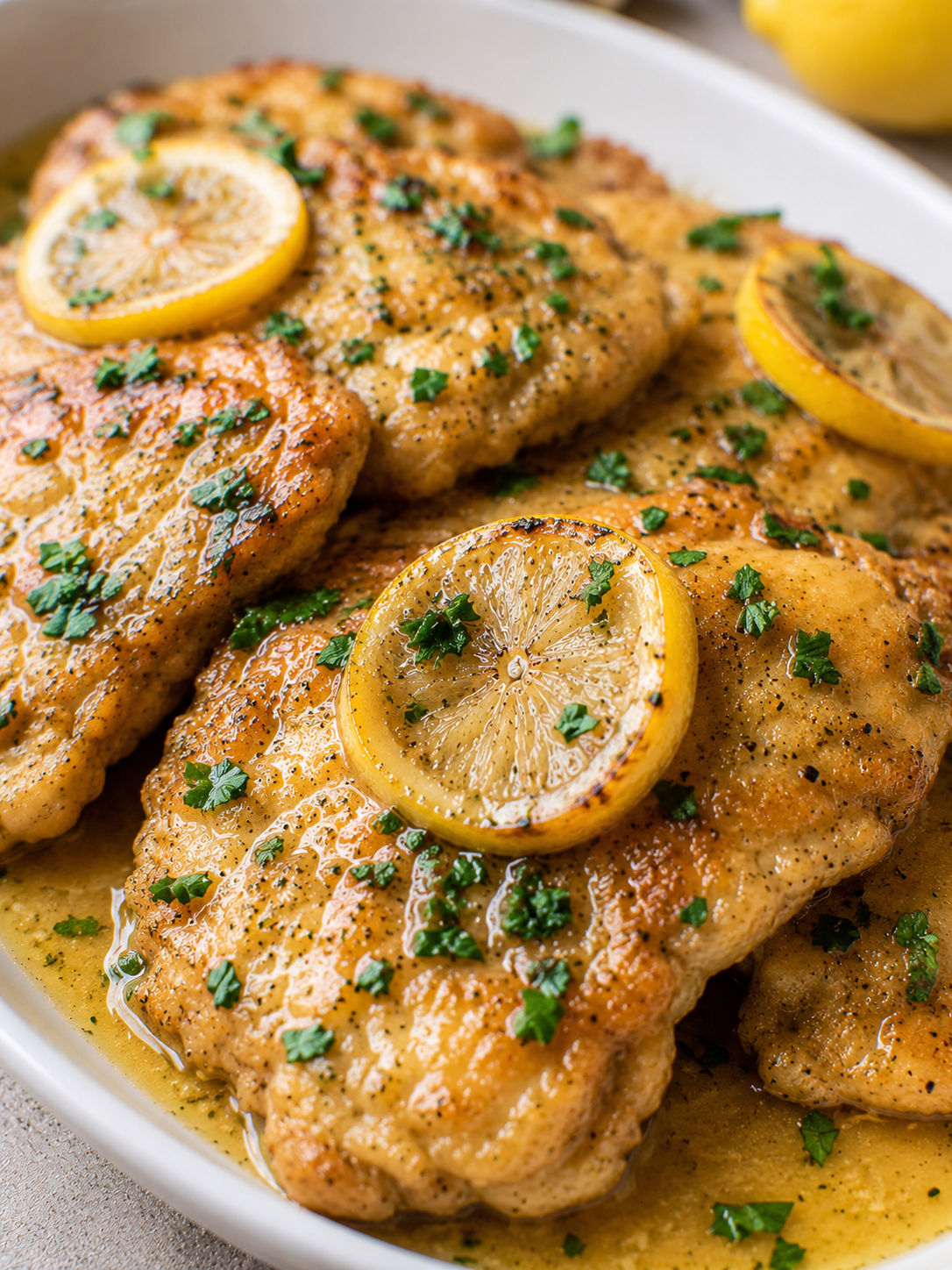
Chicken Francese is best right after the final parsley hits the pan. Spoon extra sauce over every cutlet and tuck the lemon slices around the platter. Angel hair pasta is classic because it catches sauce without feeling heavy. Rice, mashed potatoes, roasted asparagus, and broccoli are just as welcome.
Leftovers keep for up to 3 days, but the coating softens as it sits. That is not a problem if you reheat it gently. Keep the chicken and sauce together, cover the pan, and warm it in a 325°F oven or over low heat on the stove. For another saucy chicken skillet with a buttery garlic feel, save chicken scampi garlic rice for later in the week.
FAQs
- What is Chicken Francese?
Chicken Francese is an Italian-American chicken cutlet dish. Thin chicken is coated in flour, dipped in egg, pan-fried, and finished in a lemon butter sauce with white wine or chicken stock.
- Can I make Chicken Francese without wine?
Yes. Replace the wine with extra low-sodium chicken stock and add a small squeeze of lemon at the end. The sauce will be a little softer and less sharp, but it still works well.
- Why does the egg coating slide off?
The chicken may be too wet or the pan may not be hot enough. Pat the cutlets dry, shake off extra flour, let excess egg drip back into the bowl, and avoid moving the chicken too soon once it hits the pan.
- How do I store and reheat leftovers?
Store leftovers with the sauce in an airtight container for up to 3 days. Reheat covered in a 325°F oven or gently in a skillet with a splash of stock until warmed through.
- Can I use chicken breasts instead of cutlets?
Yes, but slice them horizontally into thin cutlets first. Pound any thick spots to about 1/4 inch so the chicken cooks evenly before the coating gets too dark.
- What should I serve with Chicken Francese?
Angel hair pasta, buttered noodles, rice pilaf, mashed potatoes, asparagus, or broccoli are all good choices. Pick something plain enough to catch the lemon butter sauce.
