 Pin it
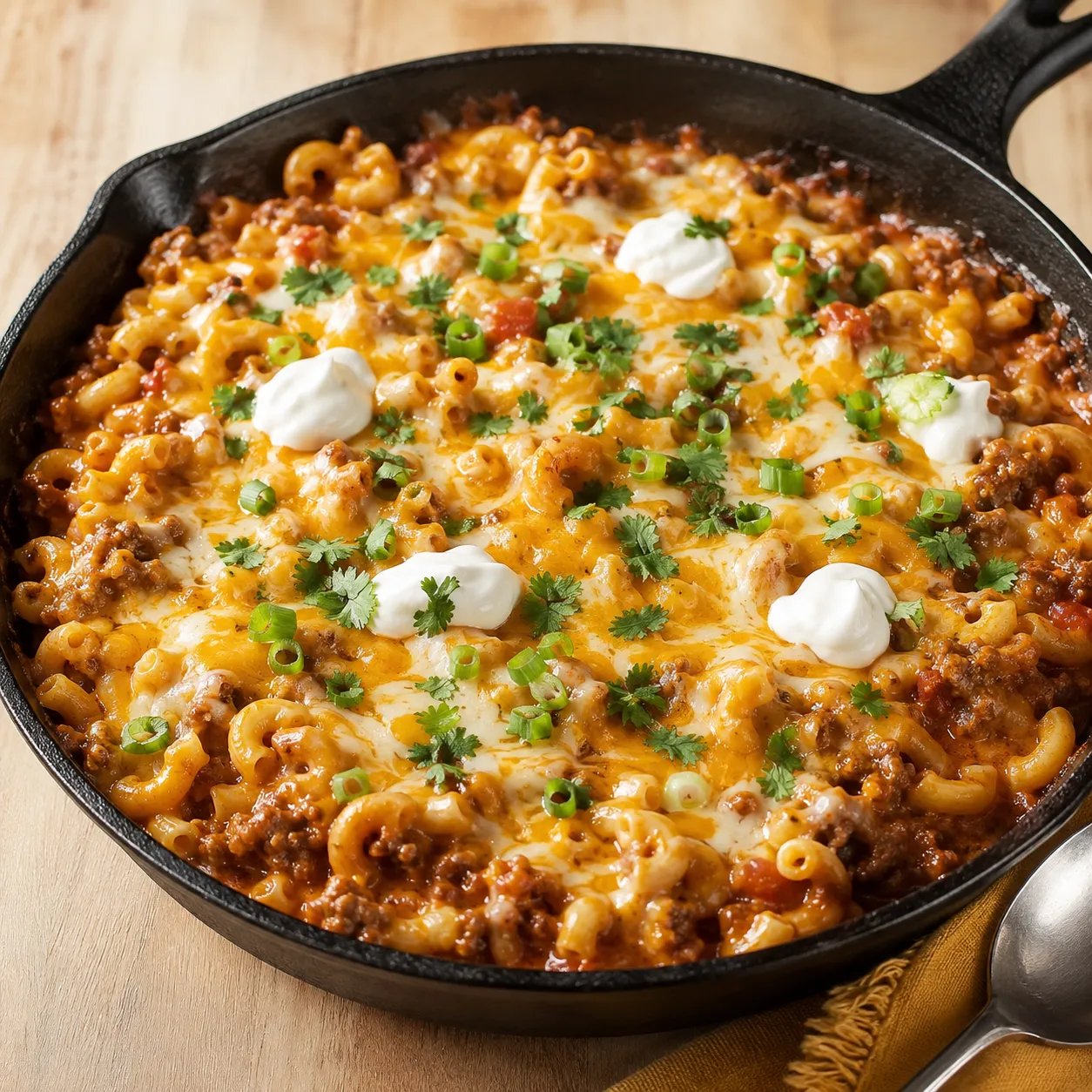
Cheesy Enchilada Hamburger Helper is the kind of skillet dinner that makes a regular weeknight feel handled. It has seasoned ground beef, tender pasta, a red enchilada sauce base, and enough melted cheese to make everyone drift toward the stove.
I like this homemade version because the sauce tastes brighter than a box mix and the pasta cooks right in the pan. You get the same cozy, scoopable dinner with better control over spice, salt, and cheese.
What Builds The Skillet
Use a red enchilada sauce you already like, because it drives the whole pan. Freshly shredded cheese melts smoother than bagged cheese, and small pasta shapes cook more evenly in the sauce.
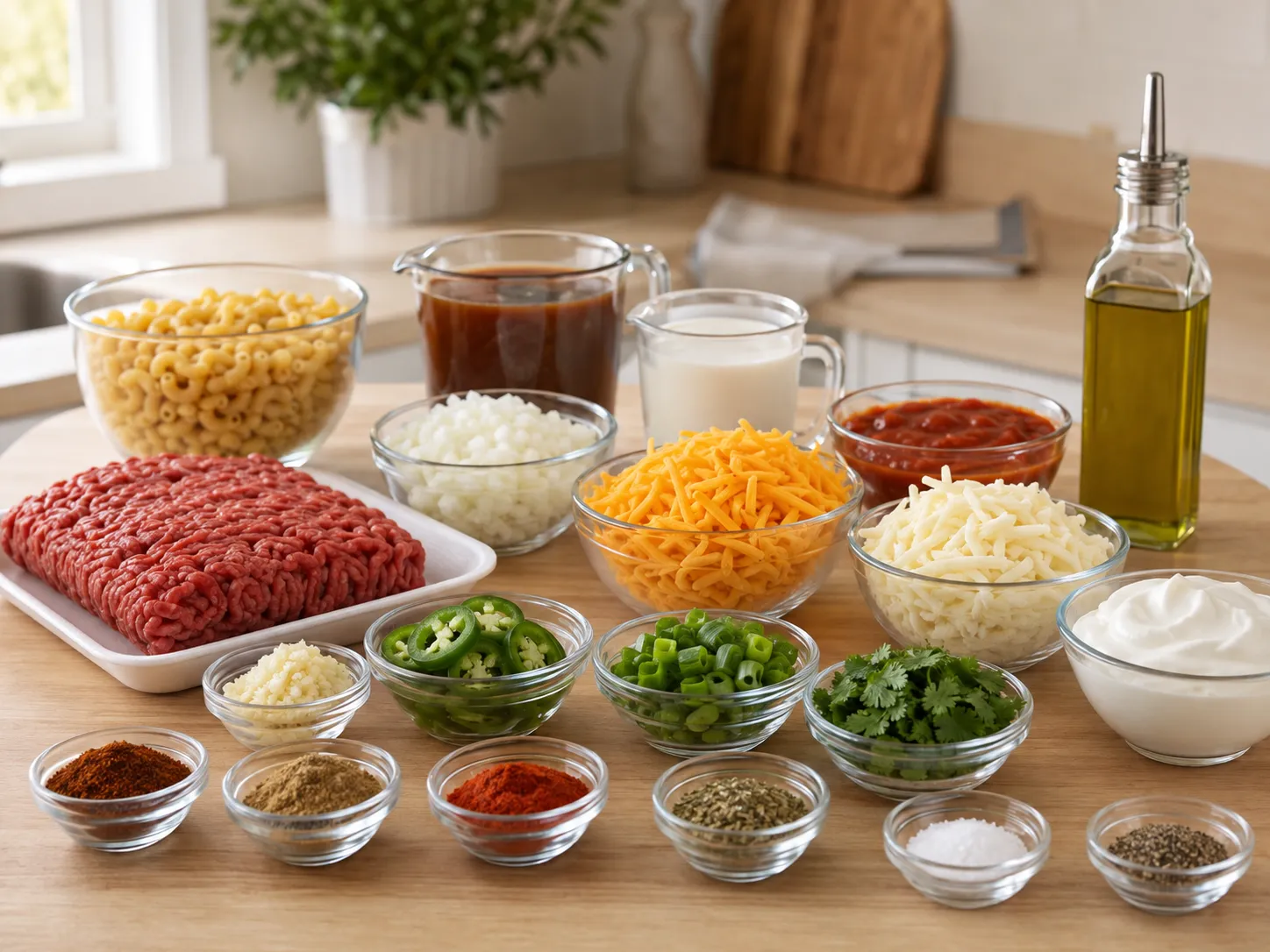
- Ground beef. Gives the skillet its savory base and enough richness to carry the enchilada sauce.
- Onion and garlic. Build a real cooked flavor before the liquid goes in.
- Enchilada sauce. Brings tomato, chile, and tangy spice without needing a long simmer.
- Beef broth. Cooks the pasta and deepens the sauce.
- Milk. Softens the chile flavor and helps the cheese melt into a creamy finish.
- Small pasta. Elbows, shells, or rotini cook right in the skillet and hold the sauce.
- Cheddar and Monterey Jack. Cheddar gives sharp flavor, while Monterey Jack melts smoothly.
- Cilantro and green onion. Add a fresh finish that keeps the skillet from tasting heavy.
Cheesy Enchilada Hamburger Helper Method
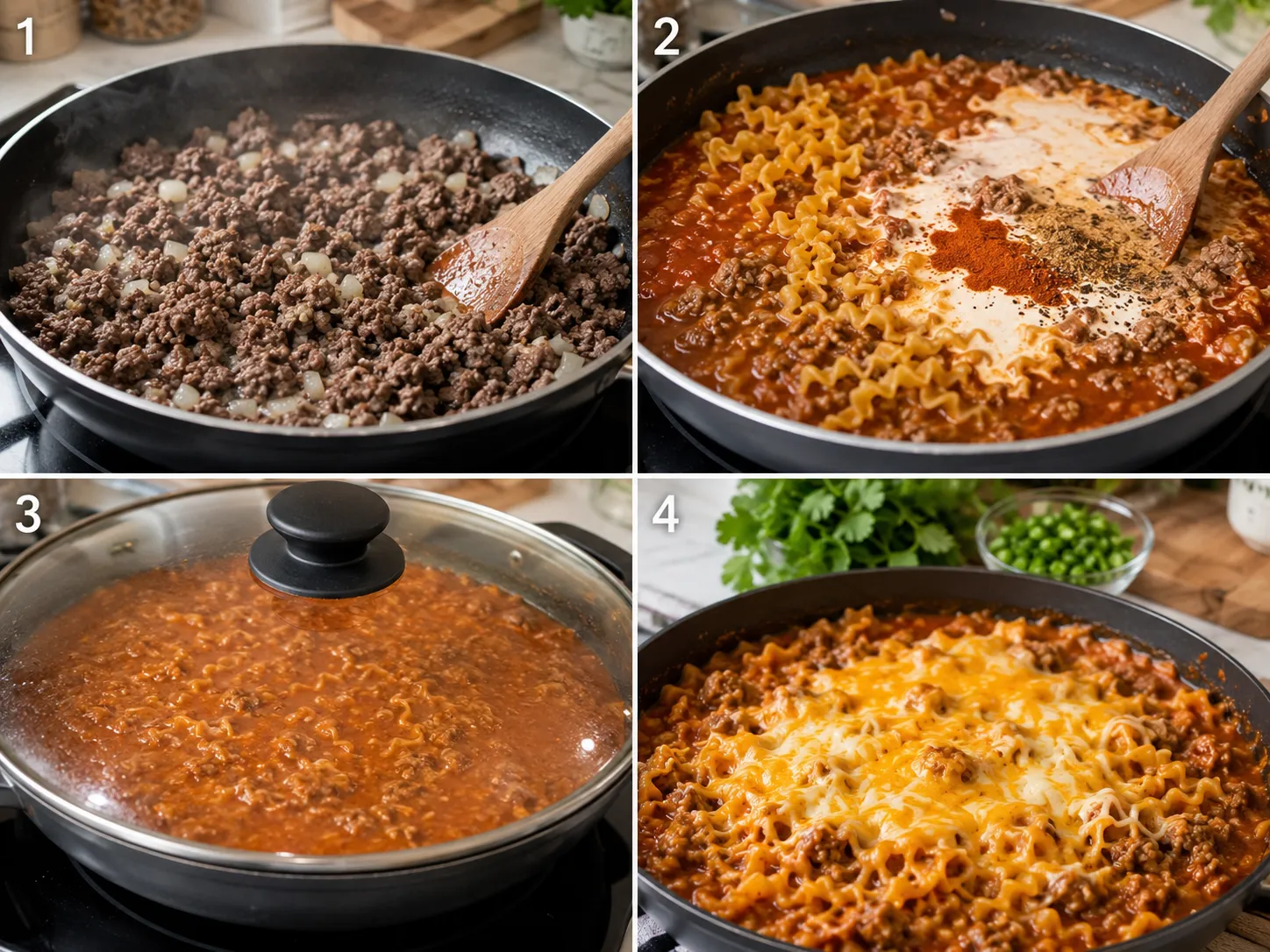
- Brown the beef. Cook the beef in a wide skillet until no pink remains and the edges start to brown. Drain excess fat if the pan looks greasy.
- Cook the aromatics. Add onion and cook until softened, then stir in garlic, chili powder, cumin, smoked paprika, and oregano for about 30 seconds.
- Simmer the pasta. Stir in enchilada sauce, broth, milk, and dry pasta. Cover and simmer gently, stirring often, until the pasta is tender and the sauce has thickened.
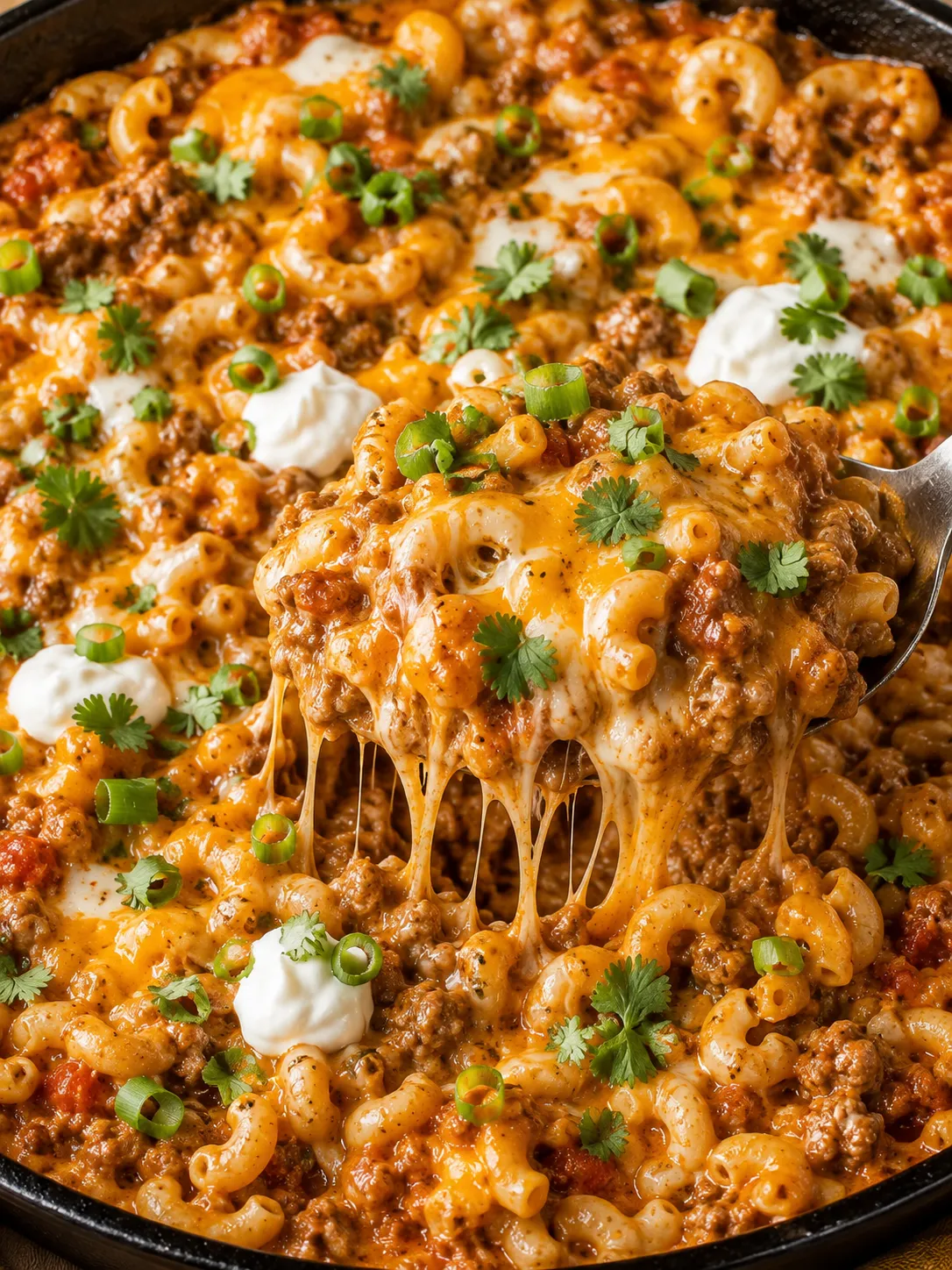
- Melt the cheese. Turn off the heat and stir in most of the cheese until creamy. Scatter the rest on top, cover for a minute, and let it melt.
- Finish the pan. Rest for 5 minutes so the sauce settles around the pasta. Top with cilantro, green onion, and sour cream if you like.
Keep The Pasta Saucy
The main mistake with skillet pasta is cooking it too hard. A rolling boil makes the milk separate and can leave the pasta tough in the middle. Keep the heat at a steady low simmer, lift the lid to stir every few minutes, and scrape the corners of the pan where pasta likes to stick.
If the skillet looks dry before the pasta is tender, add broth a few tablespoons at a time. If it looks loose at the end, leave the lid off for 2-3 minutes and stir. The sauce thickens more as it rests, so stop just before it looks finished.
Brown Beef For Better Flavor
Let the beef sit in the hot skillet for a minute before you break it up. Those browned bits give the sauce a deeper flavor than gray, steamed beef. Once the beef is cooked, check it with a thermometer if you are unsure. Ground beef should reach 160 F according to FoodSafety.gov safe temperature guidance.
Drain only what you need to. A little fat helps the spices bloom, but a puddle of grease will make the sauce feel heavy.
Smart Swaps That Work
Black beans, corn, or diced green chiles can go in with the pasta. Use about 1 cup total so the pan does not get crowded. For a smoky version, use fire-roasted enchilada sauce or add a pinch of chipotle powder.
You can swap half the beef for beans to stretch the meal. Gluten-free pasta also works, but check it early because some shapes soften faster than wheat pasta. If you use a very thick enchilada sauce, add an extra 1/4 cup broth at the start.
Storage Without Mushy Pasta
This skillet keeps well, but pasta keeps drinking sauce as it sits. Store it in a shallow airtight container and chill it within 2 hours. FoodSafety.gov lists cooked leftovers at 3-4 days in the refrigerator.
Reheat single portions in a small skillet with a splash of milk or broth. Stir over low heat until creamy again. The microwave works too, but pause halfway through and stir so the edges do not dry out.
What To Serve Alongside
This is rich, cheesy food, so bright sides help. Try shredded lettuce with lime, sliced avocado, tomatoes, or a quick cabbage slaw. Tortilla chips are good for scooping the saucy bits at the bottom of the pan.
For toppings, keep it simple. Sour cream cools the spice, pickled jalapenos add sharp heat, and cilantro wakes up the cheese. Set them out in little bowls and let everyone build their own plate.
Summary
Serve this skillet hot from the pan with fresh toppings and a crisp side. It is simple, filling, and easy to adjust for spice level.
FAQs
- Can I make Cheesy Enchilada Hamburger Helper without a boxed mix?
Yes. This recipe is built from pantry ingredients instead of a boxed mix. Enchilada sauce, taco-style spices, pasta, broth, milk, and shredded cheese make the same cozy skillet texture with a fresher flavor.
- What pasta shape works best?
Small pasta shapes work best because they cook evenly in the skillet. Elbow macaroni, small shells, rotini, or ditalini all catch the sauce well. Avoid long pasta here because it is harder to stir without breaking.
- Can I use ground turkey instead of beef?
Ground turkey works well. Add one extra teaspoon of oil before browning because turkey is leaner than beef. Taste before adding cheese, since turkey usually needs a little more salt and spice.
- How spicy is this recipe?
With mild enchilada sauce, it is warm and savory rather than hot. Use medium enchilada sauce or add cayenne if you want heat. For a kid-friendly pan, skip the jalapeno and serve hot sauce at the table.
- How do I keep the sauce creamy?
Simmer the pasta gently and stir often so the starch releases into the sauce. Add the cheese after the pan comes off the heat. Boiling cheese can make the sauce grainy instead of smooth.
- How long do leftovers keep?
Store leftovers in a covered container in the refrigerator for 3-4 days. Reheat with a splash of milk or broth to loosen the sauce. Warm it gently so the pasta does not turn mushy.
