 Pin it
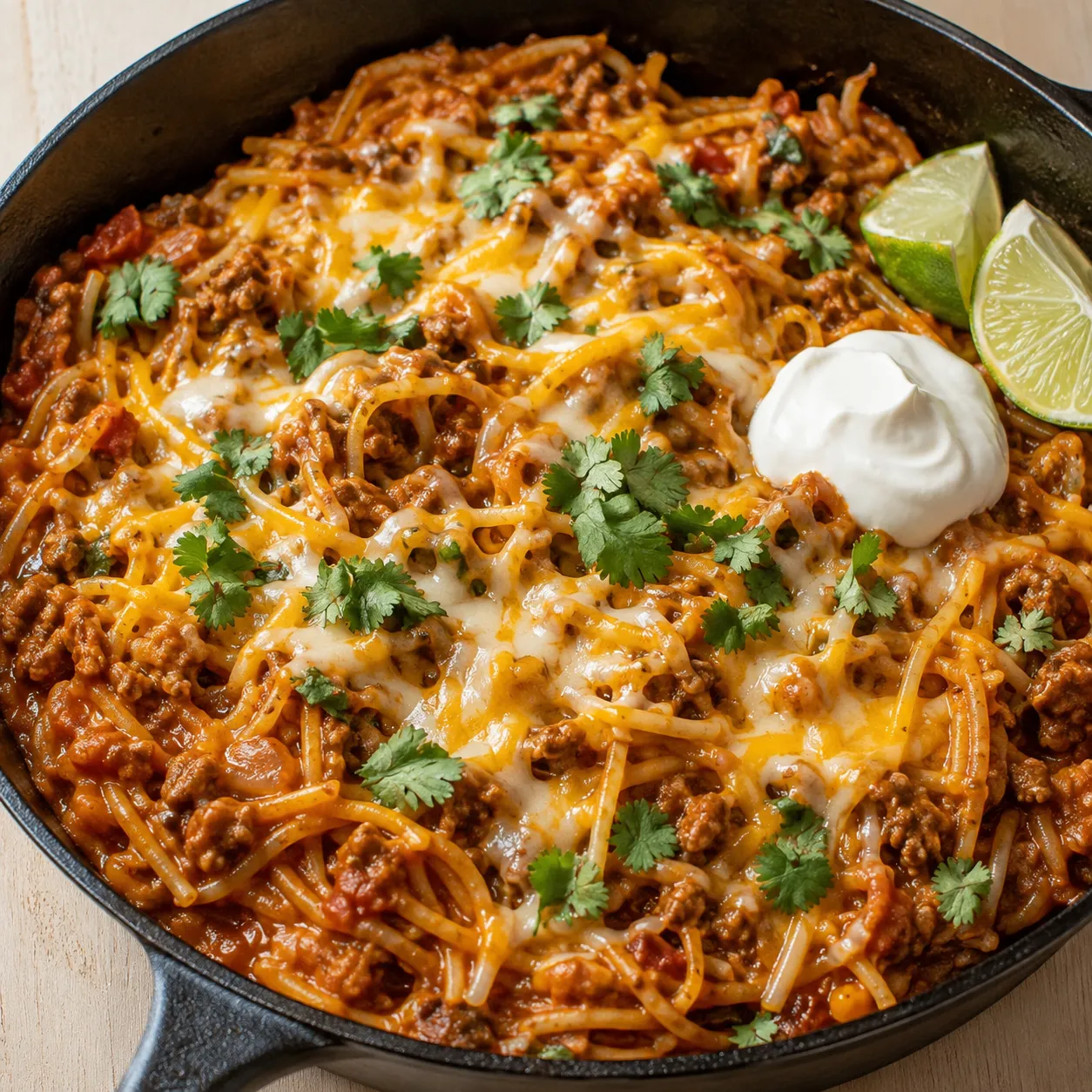
Beef Enchilada Fideo Skillet is what I make when I want enchilada flavor without rolling tortillas or dirtying a baking dish. The short noodles soak up the red sauce, the beef makes it hearty, and the cheese melts right into the top.
The best part is the texture. Toasting the fideo first gives the pasta a nutty edge and helps it hold up while it simmers. Keep the heat moderate and stir a few times so the bottom stays saucy instead of scorched.
The Saucy Skillet Lineup
This dish leans on pantry-friendly ingredients, so the sauce and seasonings matter. Choose a red enchilada sauce you already like, mild or hot, because it carries the flavor through every noodle.
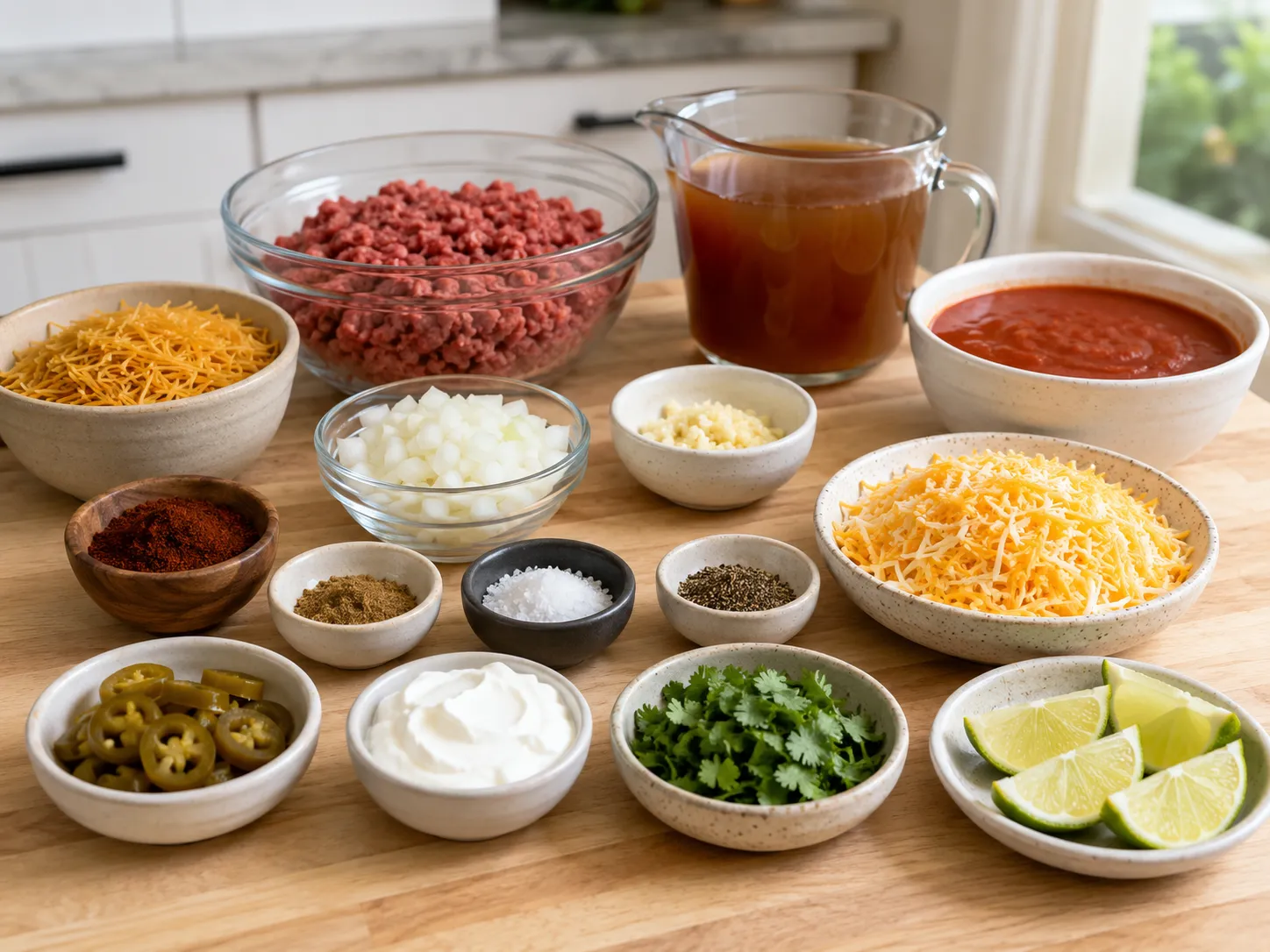
- Fideo pasta. Short, thin noodles cook quickly and soak up the enchilada sauce without needing a separate pot.
- Lean ground beef. It makes the skillet hearty while keeping the sauce from turning greasy.
- Yellow onion and garlic. They build a savory base before the sauce goes in.
- Chili powder and cumin. These deepen the enchilada flavor and warm up the beef.
- Red enchilada sauce. The main sauce, so pick one with a flavor and heat level you enjoy.
- Beef broth. It gives the noodles enough liquid to cook while adding more body than plain water.
- Shredded cheese. A Mexican blend or cheddar-jack melts into a soft, creamy top.
- Cilantro, sour cream, and lime. Fresh, cool toppings balance the rich sauce.
Beef Enchilada Fideo Skillet Method
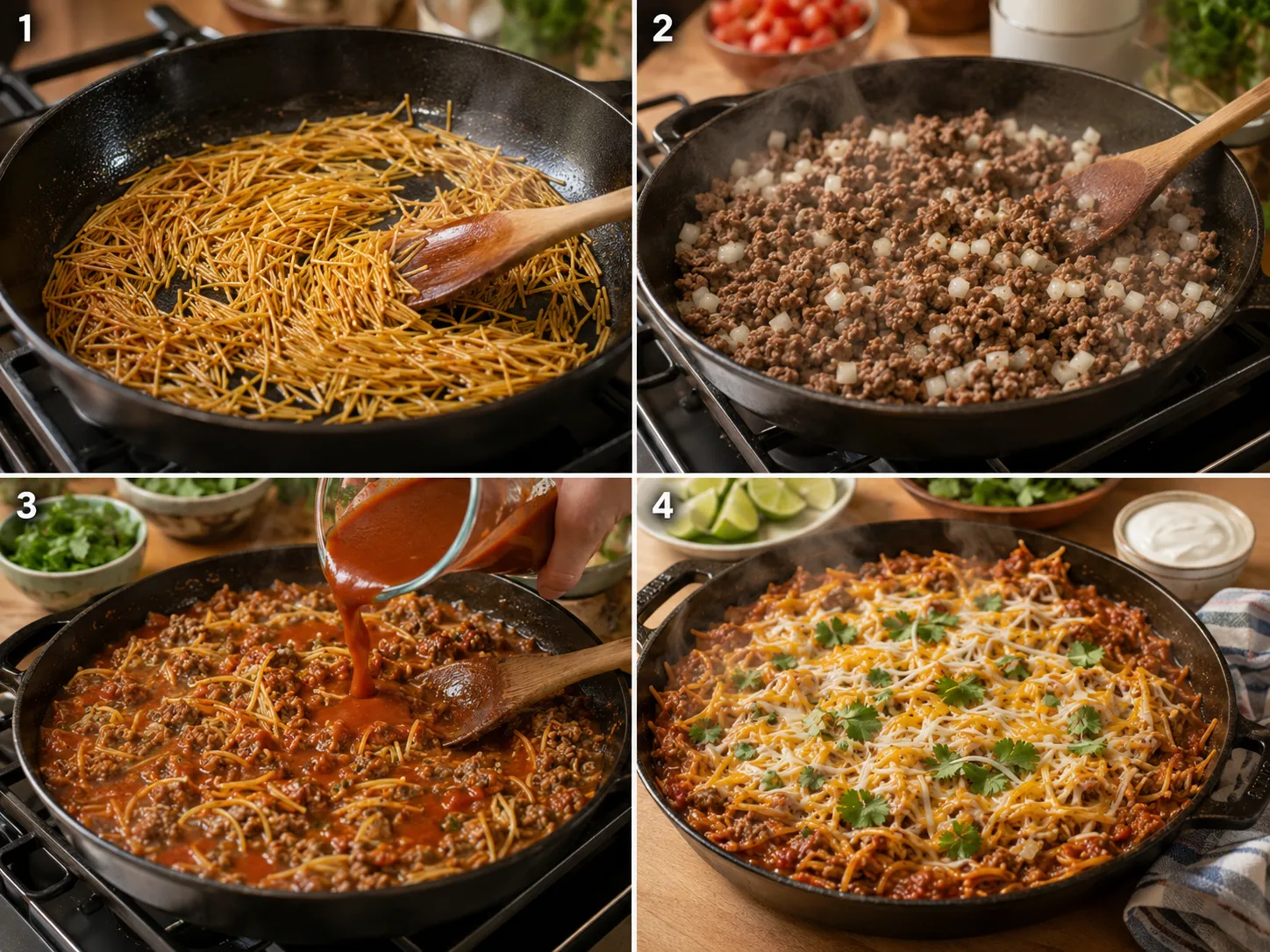
- Toast the noodles. Warm oil in a wide skillet and toast the fideo until it smells nutty and turns lightly golden. Move it often so the thin pieces do not burn.
- Brown the beef. Add the beef and onion to the same pan. Cook until the meat is no longer pink and the onion softens, then spoon off extra fat.
- Season the base. Stir in garlic, chili powder, cumin, salt, and pepper. Give the spices 30 seconds in the hot pan so they wake up.
- Simmer with sauce. Add enchilada sauce, broth, and the toasted fideo. Cover and cook until the noodles are tender, stirring a few times.
- Melt the cheese. Sprinkle cheese over the top, cover again, and let it melt into the saucy noodles.
- Finish and serve. Rest the skillet for 5 minutes, then add cilantro, lime, and sour cream at the table.
Why Toasting Matters
Fideo is thin, so it can turn soft fast if you drop it straight into sauce. A quick toast in oil gives the noodles more flavor and helps them keep a little bite. You are looking for pale gold, not deep brown. Once the pieces smell nutty, pull them from the heat or move right into the next step.
Use a wide skillet with a lid. The wide surface lets the liquid simmer evenly, and the lid traps enough steam to cook the pasta without flooding it. Stir from the edges into the center every few minutes. That is where sauce can catch first.
Getting The Beef Right
Lean ground beef is easiest here because it gives you flavor without a pool of fat. Brown it until no pink remains, then drain only if the pan looks greasy. A little fat helps carry the chili powder and cumin through the sauce.
For food safety, ground beef should reach 160°F, according to the FoodSafety.gov temperature chart. A quick-read thermometer is the cleanest way to check. The beef will keep cooking a bit once the sauce and pasta simmer, but it should be fully browned before you move on.
Sauce Thickness And Heat
The skillet should look loose when you first add the sauce and broth. The fideo absorbs a surprising amount of liquid as it cooks. If it looks dry before the pasta is tender, add broth 2 tablespoons at a time. If it looks soupy at the end, uncover the pan and simmer for 2-3 minutes.
Heat level depends mostly on the enchilada sauce. Mild sauce keeps this family-friendly. Medium or hot sauce gives it more bite without changing the recipe. You can also add diced green chiles with the sauce for a softer chile flavor.
Easy Swaps That Work
If you cannot find fideo, use vermicelli or angel hair broken into short pieces. Small shells also work, but they need a few extra minutes and a little more broth. Ground turkey, ground chicken, or plant-based crumbles can stand in for beef. Just season generously.
For toppings, keep it simple. Cilantro and lime make the skillet taste brighter. Sour cream cools the chile heat. Pickled jalapeños are good if you want sharpness. Crushed tortilla chips add crunch, especially on leftovers.
Storing The Leftovers
Leftovers thicken as the pasta sits, so store them with that in mind. Pack the cooled skillet into shallow airtight containers and refrigerate. The USDA notes that cooked leftovers are best used within 3-4 days in its refrigeration guidance.
Reheat in a skillet over low heat with a splash of broth or water. Stir slowly until the sauce loosens and the cheese melts again. The microwave works for single portions, but cover the bowl and pause once to stir.
Summary
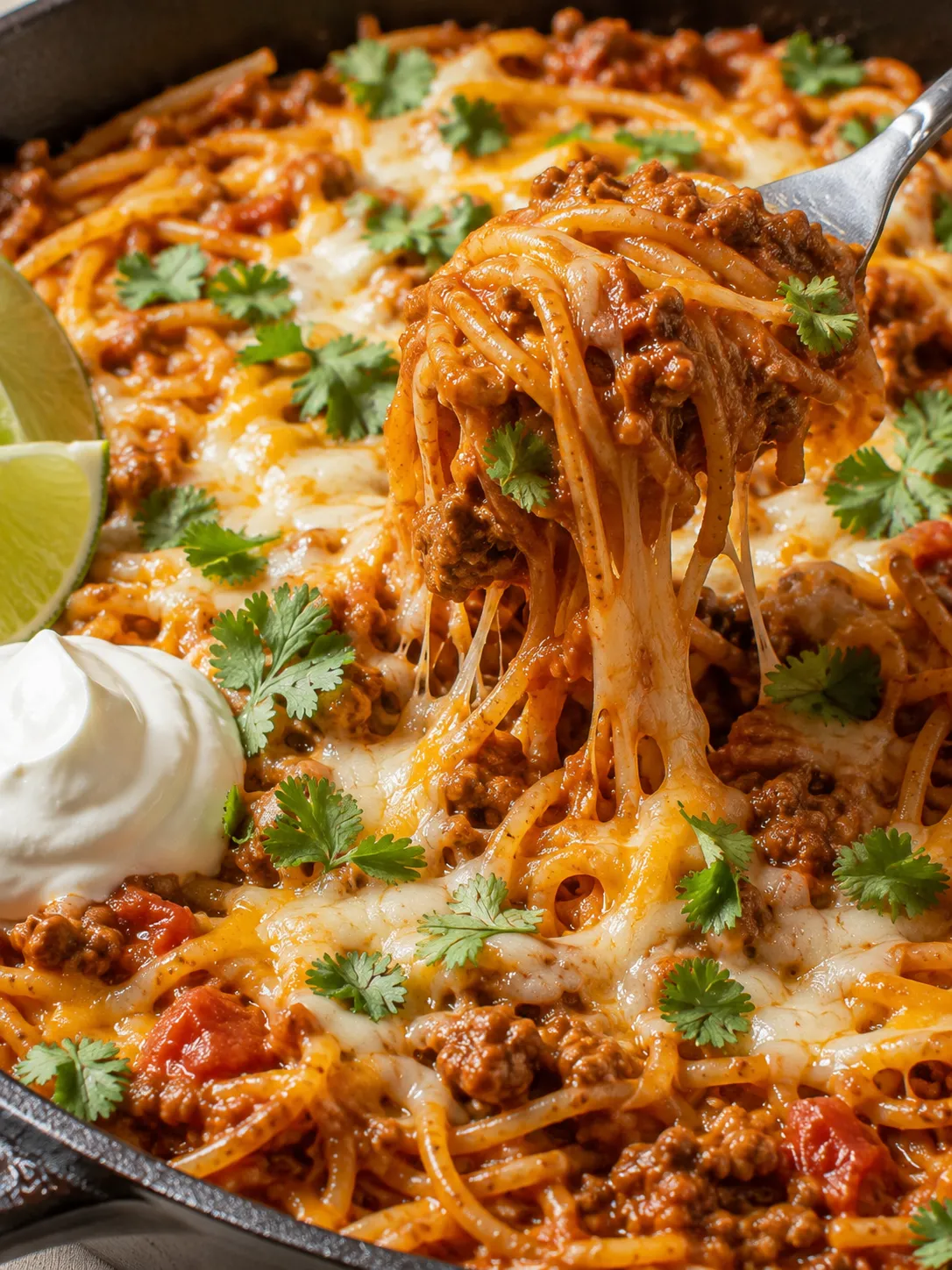
This skillet is best served hot from the pan with fresh cilantro, sour cream, and a crisp salad on the side.
FAQs
- What is fideo pasta?
Fideo is a short, thin noodle often used in Mexican and Tex-Mex soups and skillet dishes. If you cannot find it, break vermicelli or angel hair pasta into 1-inch pieces.
- Can I use ground turkey instead of beef?
Yes. Ground turkey works well, but it is leaner, so add an extra teaspoon of oil when browning it. Taste before serving since turkey usually needs a little more salt and spice.
- How do I keep the fideo from sticking?
Toast it in oil, then stir the skillet every few minutes once the sauce goes in. If the pan looks dry before the noodles are tender, add a splash of broth and lower the heat.
- Can I make this ahead?
You can brown the beef and chop the onion a day ahead. The finished skillet is best fresh because the noodles keep absorbing sauce as they sit.
- How should I store leftovers?
Cool leftovers quickly and refrigerate them in an airtight container for 3-4 days. Reheat gently in a skillet with a splash of broth or water to loosen the sauce.
- Can this be made gluten-free?
Yes, but you need gluten-free short pasta and a gluten-free enchilada sauce. Check both labels carefully because some sauces and noodles contain wheat.
